Zoyatommy - Page 2
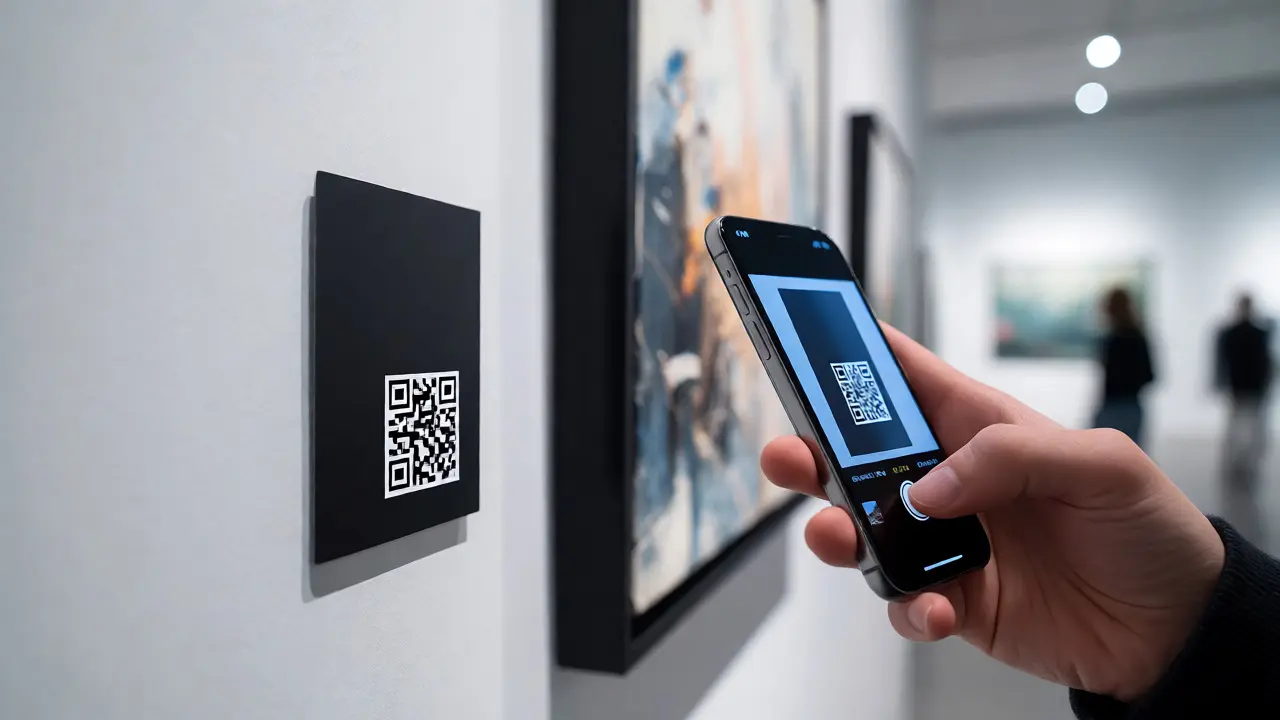
Digital Label Systems: CMS and QR Code Management for Exhibitions
Discover how integrating Digital Label Systems, CMS, and dynamic QR code management streamlines exhibition curation. Learn to eliminate manual errors, enhance visitor engagement through real-time analytics, and maintain flexible content updates without reprinting physical labels.
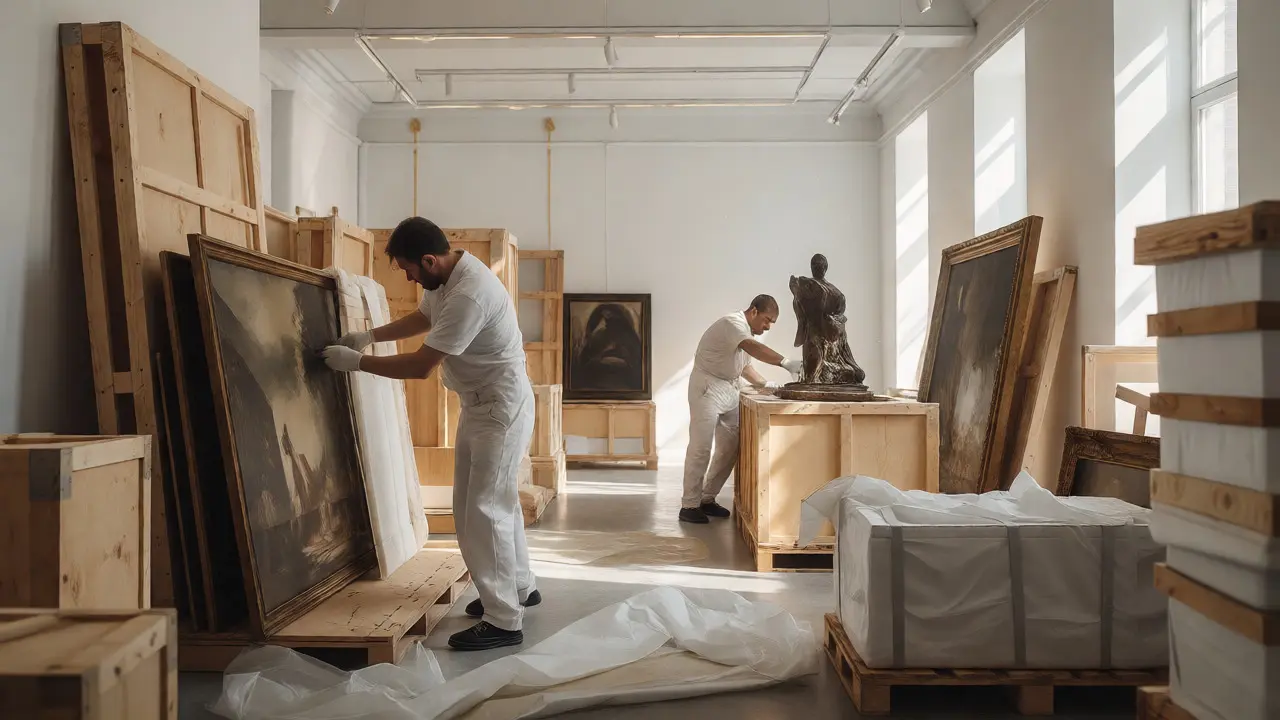
Relocating an Art Gallery: How to Plan a Smooth Move
Moving an art gallery requires more than just boxes and muscle. Learn how to plan a smooth relocation by prioritizing specialized logistics, proper packing materials, and climate-controlled transport to protect your valuable inventory.

GDPR and Privacy Compliance for Gallery CRM Systems
Navigate GDPR and privacy laws for your gallery CRM. Learn how to audit data, manage consent, and turn compliance into a trust-building advantage for collectors.
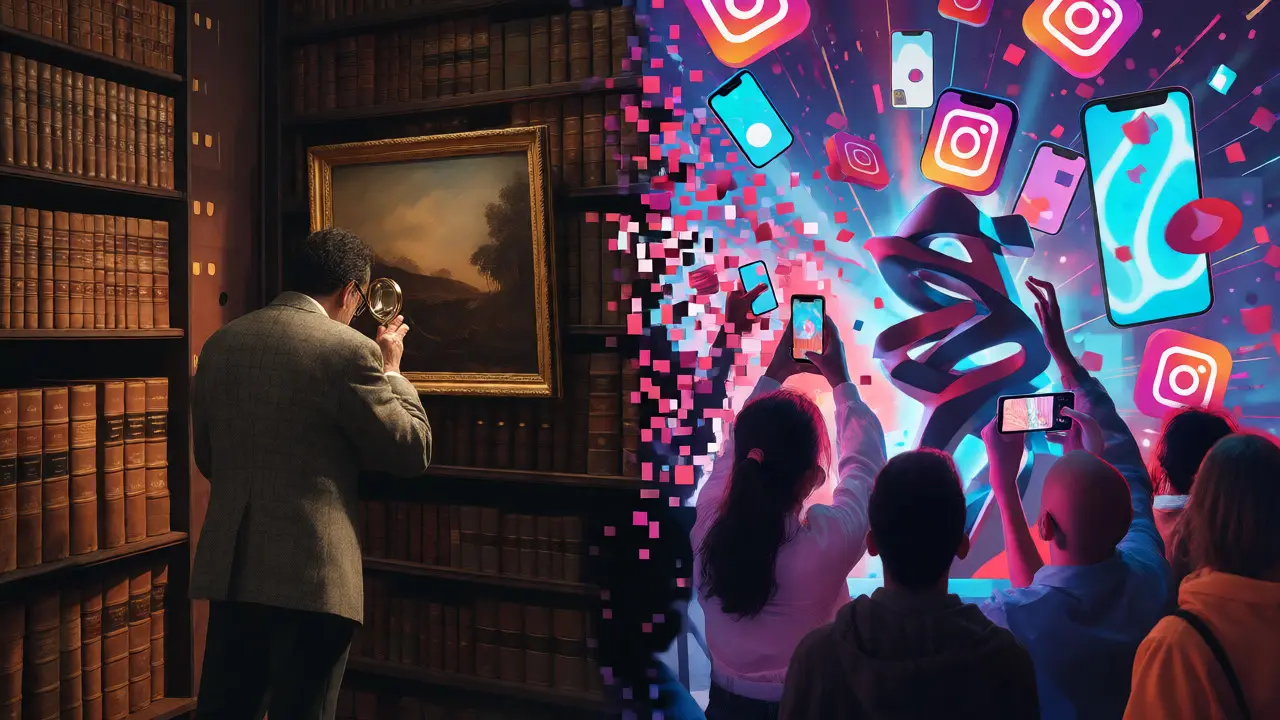
Online Art Criticism: How Social Media and Digital Platforms Changed the Game
Discover how social media and digital platforms transformed online art criticism. Learn how Instagram, TikTok, and YouTube changed who gets to critique art and what that means for artists and collectors.
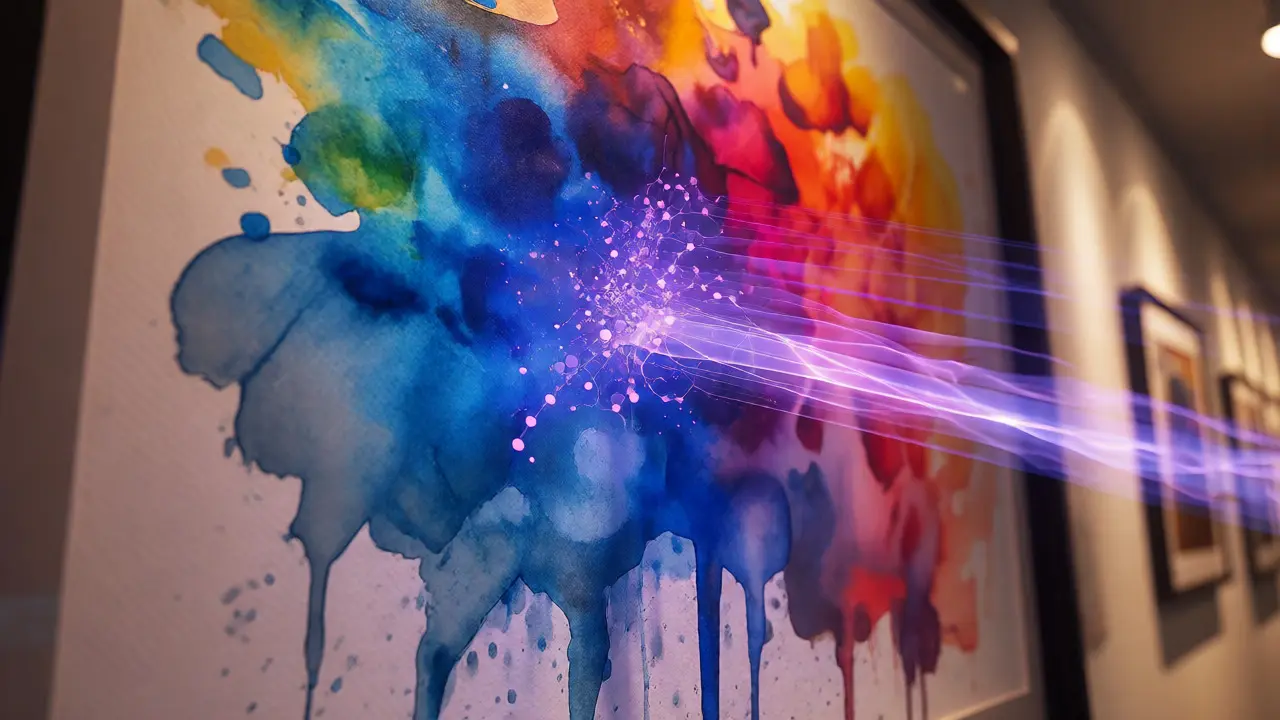
UV and Lighting Protection for Artwork: Prevent Fading
Protect your art collection from fading. Learn how UV, visible light, and heat damage artworks, and discover practical steps to preserve colors using proper lighting and environmental controls.

Building Collector Communities Around Your Gallery
Stop treating collectors like customers and start treating them like guests. Learn how to leverage CRM data and exclusive events to turn passive buyers into a loyal, self-sustaining community.

How to Measure Walkability Scores for Gallery Locations
Learn how to evaluate walkability scores for gallery locations. Discover key metrics, tools, and pitfalls to avoid when choosing art real estate.
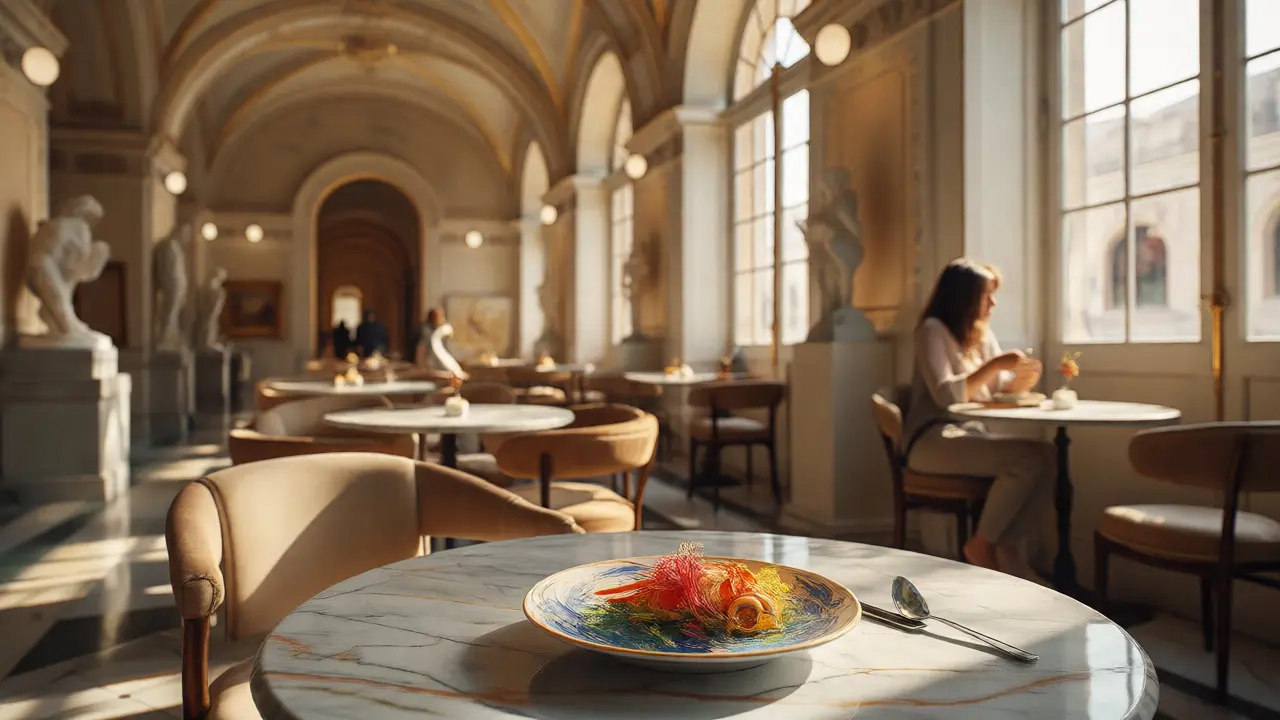
Museum Cafés and Gift Shops: Make the Most of Amenities
Discover how to maximize your museum visit by leveraging cafés and gift shops. Learn tips for dining, smart shopping strategies, and membership perks.
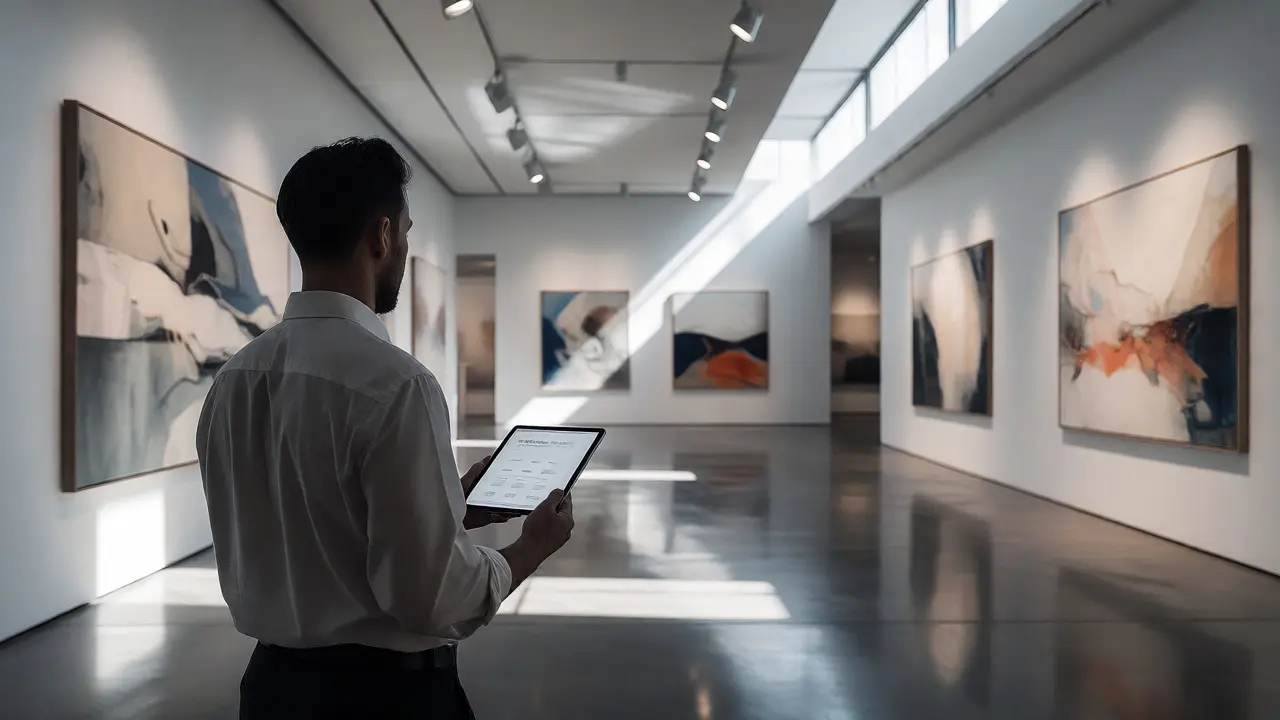
How to Craft an Artist Pitch Deck That Gets Gallery Representation
Stop getting ghosted by galleries. Learn how to craft an artist pitch deck that speaks to curators' needs, focusing on cohesion, market fit, and professional presentation.
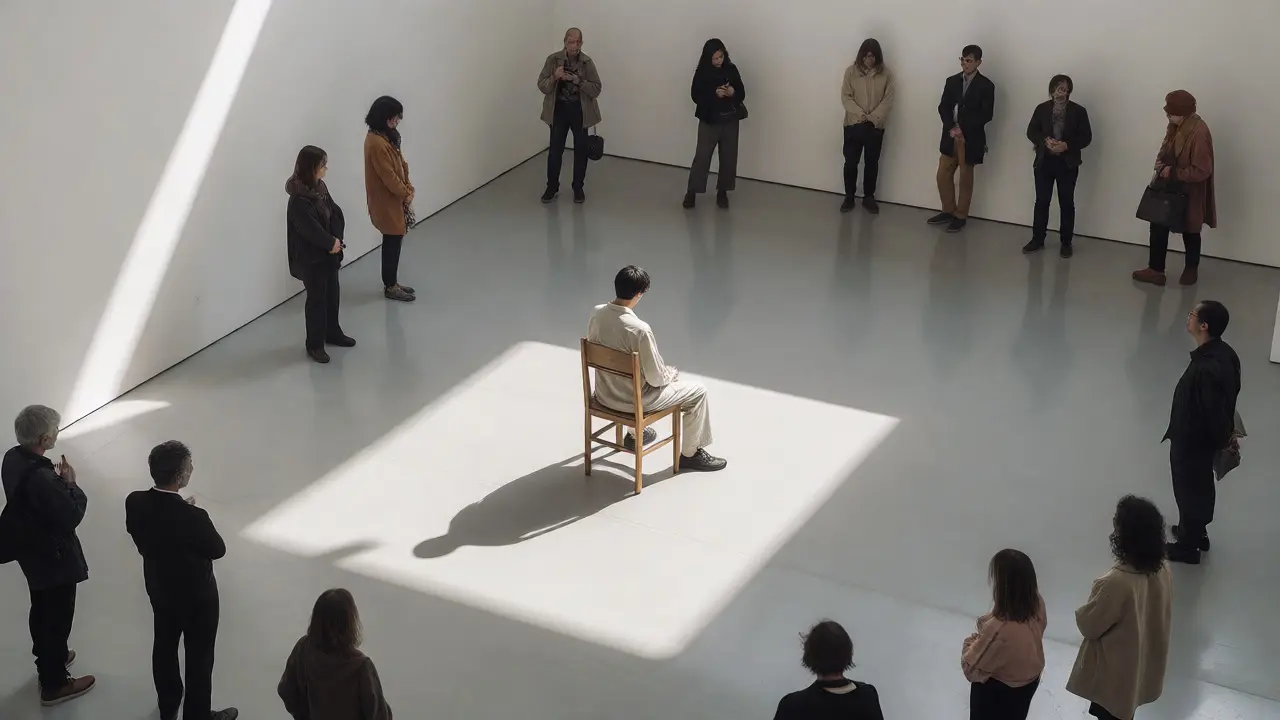
Performance Art Today: Bodies, Time, and Ephemeral Works
Discover why performance art thrives in 2026 despite our digital age. Learn how bodies, time, and ephemerality shape contemporary works, plus tips for viewing and collecting.
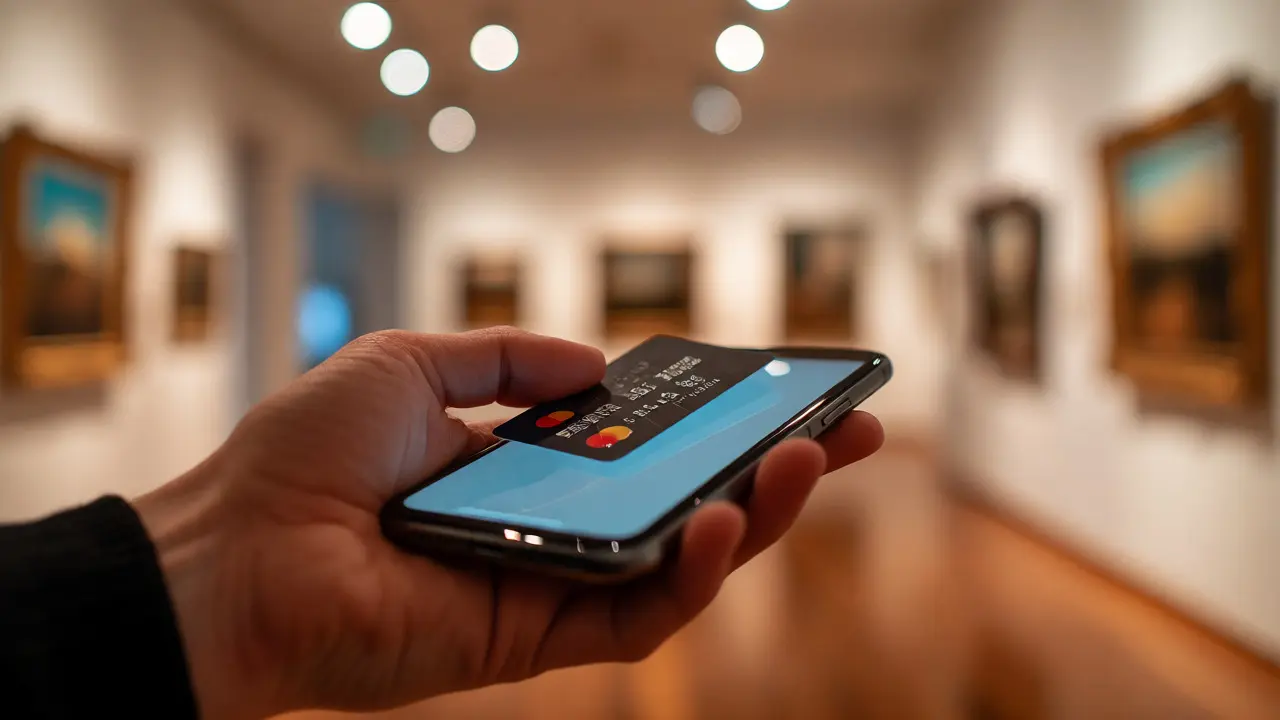
Installment Plans for Art Purchases: Financing Options Guide
Explore financing options for art purchases, from gallery installment plans to specialized loans. Learn about costs, risks, and how to qualify.
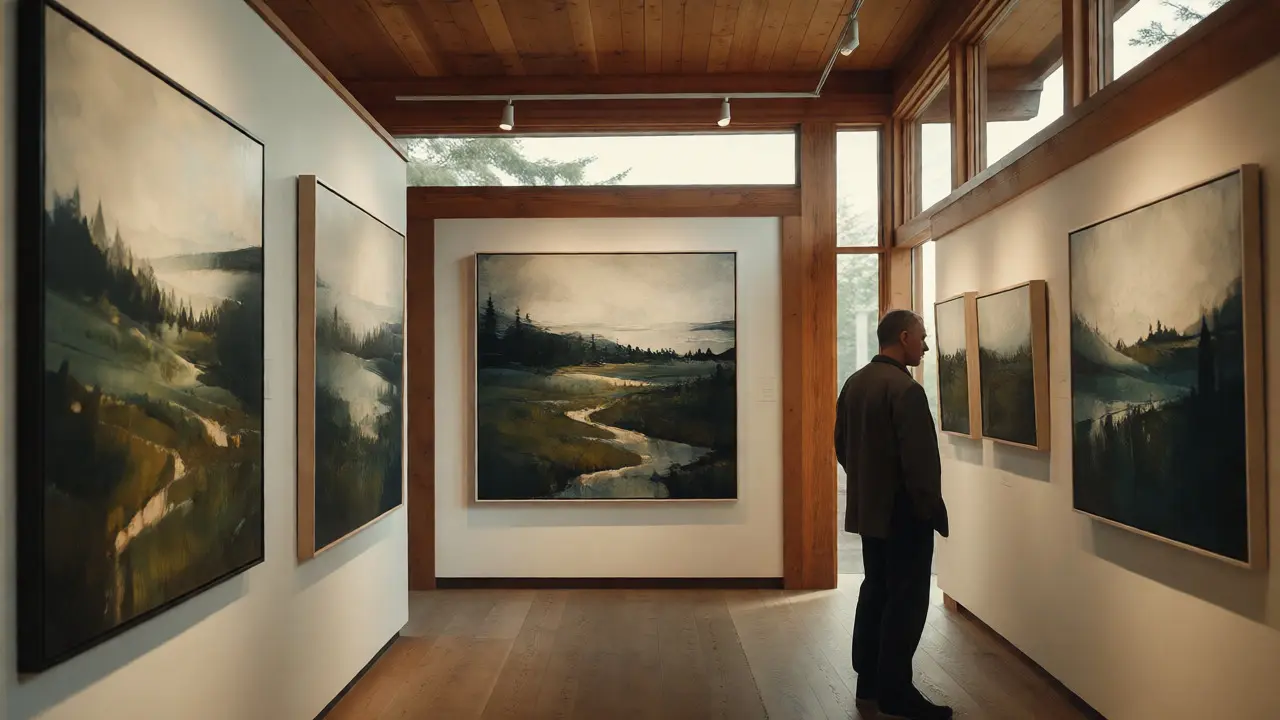
Gallery Sales Turnarounds: Real Case Studies in Art Retail Recovery
Discover how three galleries reversed declining sales through niche specialization, digital integration, and community building. Learn actionable strategies for 2026.