Exclusive Art Previews: How to Run Early Access for Top Clients in CRM
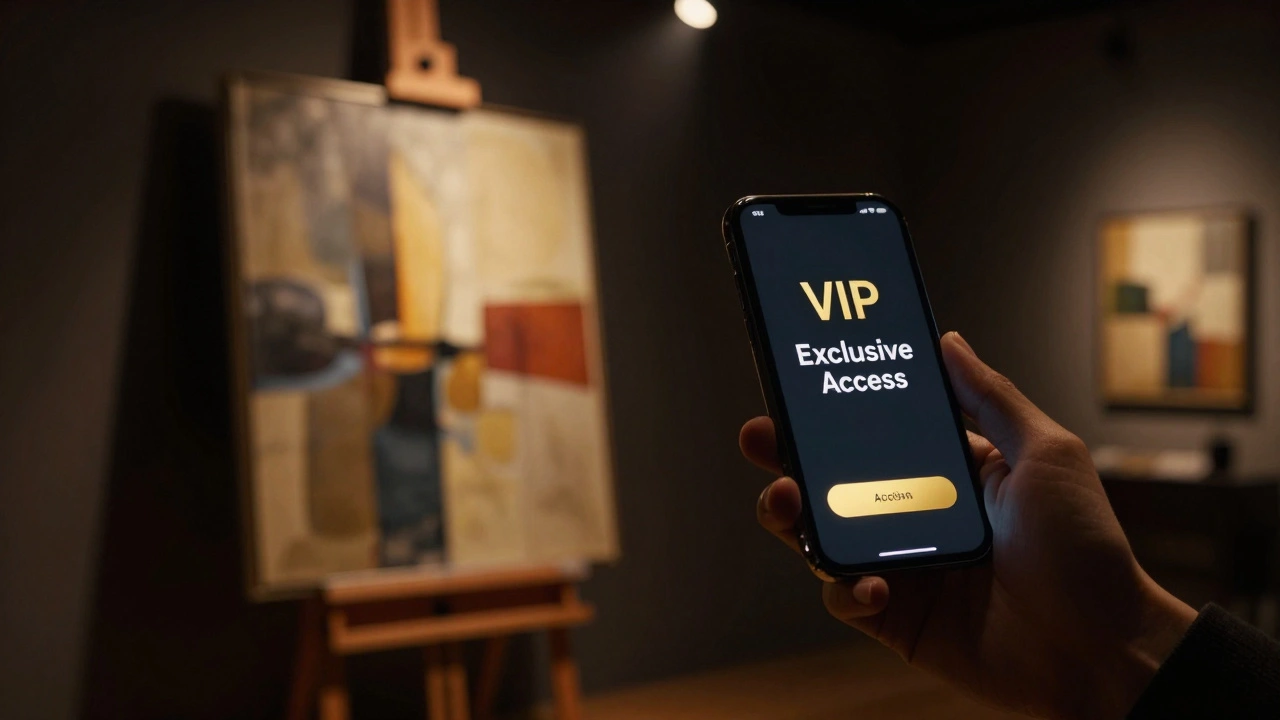
Imagine sending an email to your entire database and getting three replies. Now imagine sending a private link to just five people and closing two major deals before lunch. That is the power of exclusive art previews. In the world of high-end art sales, scarcity isn't just a marketing buzzword; it is the engine that drives desire. But managing this scarcity without alienating your broader audience requires more than just gut instinct. It demands a structured approach using your Customer Relationship Management (CRM) system.
If you are selling fine art, limited edition prints, or collectibles, you know that not all buyers are created equal. The collector who spends $50,000 on a piece needs a different experience than the one browsing for a $200 poster. By leveraging early access programs for top clients, you turn your best customers into loyal advocates while maximizing revenue from new releases. Here is how to build a system that works.
The Psychology of Exclusive Access
Why do people pay premium prices for things they can eventually buy publicly? It comes down to status and fear of missing out (FOMO). When you offer VIP early access, you are signaling to the buyer that they belong to an inner circle. This psychological trigger is powerful in the art market, where provenance and exclusivity add tangible value to the work itself.
Consider the difference between a standard drop and a preview event. A standard drop is transactional. You post the price, they click buy. It’s efficient but cold. An exclusive preview is relational. It involves anticipation, personal curation, and a sense of privilege. For high-net-worth individuals, the purchase process is often as important as the object itself. They want to feel like insiders, not just consumers. Your job is to orchestrate that feeling through strategic timing and communication.
| Feature | Standard Public Release | Exclusive Early Access |
|---|---|---|
| Audience Size | Mass (Everyone) | Micro (Top Tier Only) |
| Communication Style | Broadcast Email/Social Post | Personal DM/Phone Call/Private Link |
| Inventory Risk | High (Can sell out instantly) | Low (Controlled allocation) |
| Client Perception | Commodity | Privilege/Status |
| Revenue Impact | Volume-driven | Magnitude-driven (Higher average order value) |
Identifying Your "Top Clients" in CRM
You cannot give everyone early access. If you do, it ceases to be exclusive. The first step is defining who actually qualifies for this tier. Most galleries and dealers use a mix of historical data and behavioral signals. Look at your CRM database segmentation to find these patterns.
Start with Lifetime Value (LTV). Who has spent the most money over the last 24 months? These are your obvious candidates. But don’t stop there. Look at engagement metrics. Who opens every newsletter? Who attends your virtual viewings? Who asks detailed questions about artist techniques or framing options? These behaviors indicate passion, which often predicts future spending even if their current LTV is lower.
Create a specific tag or segment in your CRM called "Tier 1 Collector" or "VIP Preview List." Update this list quarterly. People move in and out of this group based on activity. If someone hasn’t purchased or engaged in six months, pause their access. Keep the pool tight. A list of 50 highly engaged collectors is far more valuable than a list of 500 lukewarm leads.
- Spend Threshold: Set a minimum dollar amount for entry (e.g., $1,000+ in the last year).
- Engagement Score: Require interaction with at least 3 recent communications.
- Referral History: Did they bring another buyer into the fold? Reward that loyalty.
Crafting the Invitation Experience
The invitation is the product. Before the client sees the artwork, they need to see the value of being invited. The tone should be warm, direct, and slightly informal. Avoid corporate jargon. Write like you’re talking to a friend who shares your taste.
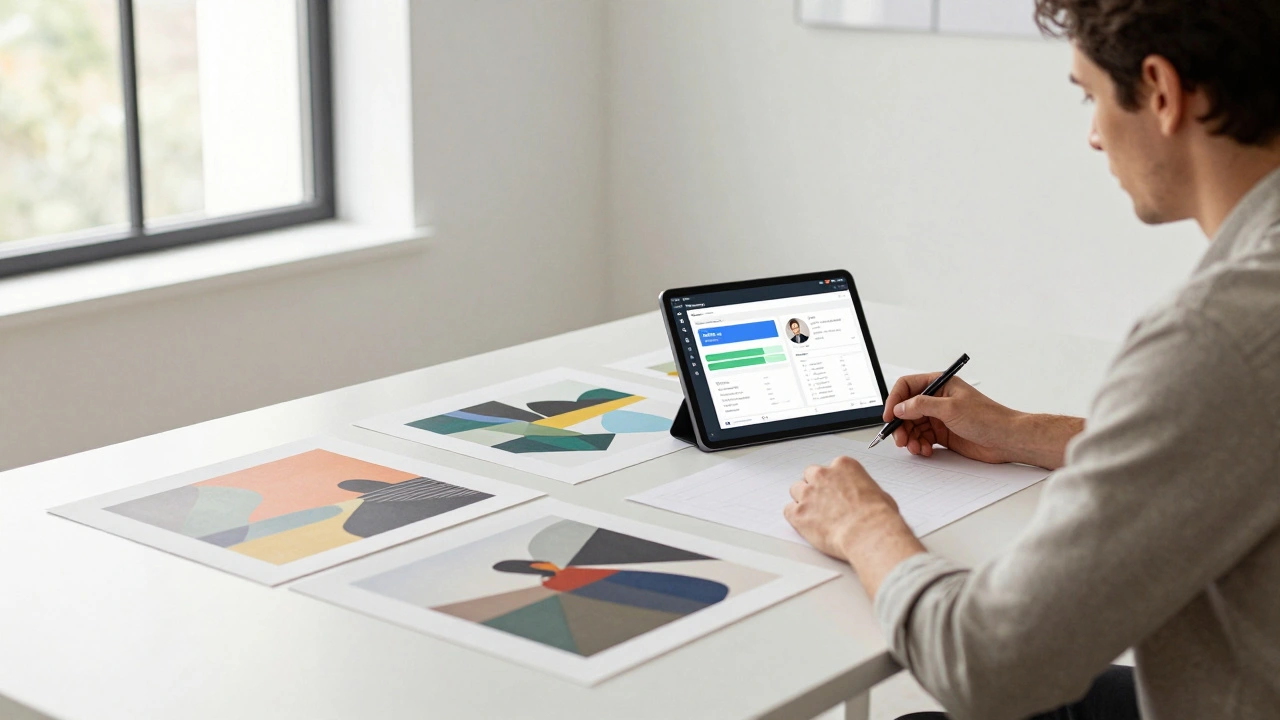
Use a unique tracking link for each client. This allows you to see exactly who clicked, when they clicked, and what they looked at. In your CRM, log this interaction. If Sarah clicks the link but doesn’t buy, you now have a reason to follow up personally. "Hey Sarah, I saw you checked out the new landscape series. Did you have questions about the sizing?" That kind of personalized follow-up converts browsers into buyers.
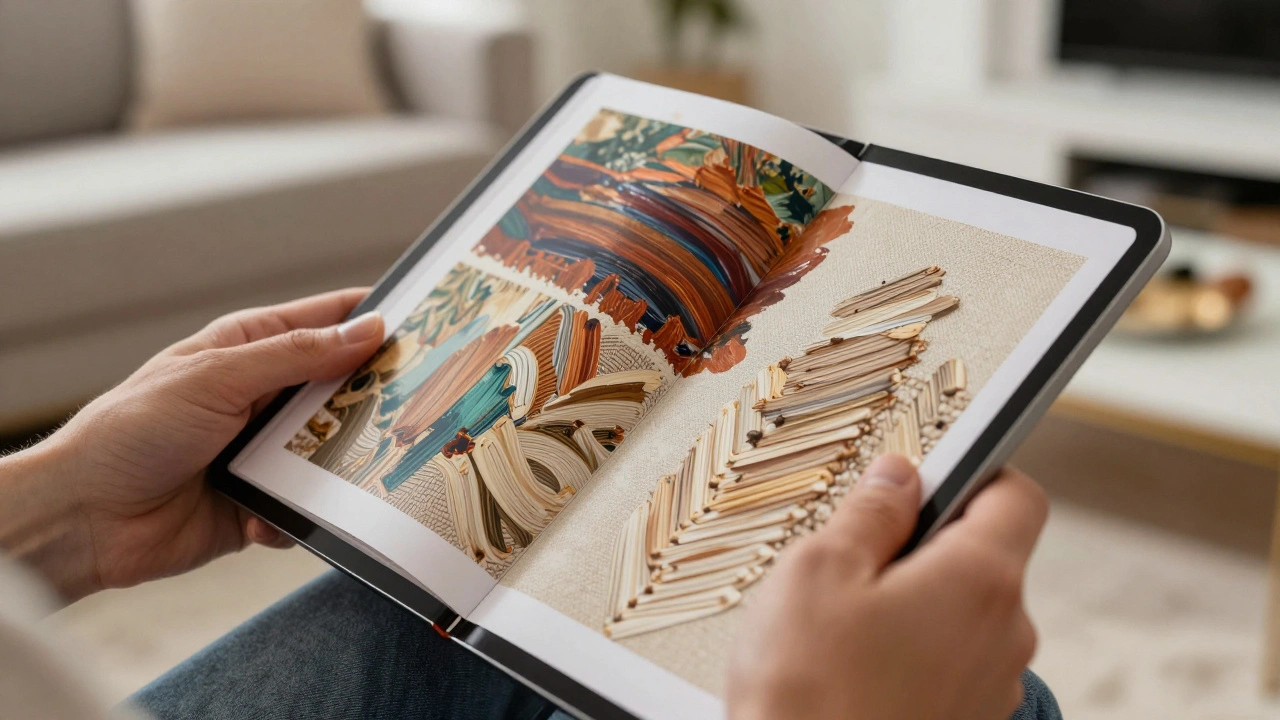
Keep the visual presentation clean. High-resolution images are non-negotiable. Include macro shots that show texture and brushwork. Video walkthroughs of the physical piece can bridge the gap between digital viewing and tactile appreciation. Ensure the mobile experience is flawless; many collectors will check their phones during commutes or meetings.
Timing the Rollout
When should you send the preview? Timing affects open rates and conversion. Generally, mid-week mornings (Tuesday-Thursday, 9 AM - 11 AM local time) perform well for professional collectors. Avoid Mondays, which are busy, and Fridays, when attention spans drift toward the weekend.
Set a clear window for the exclusive period. "You have 48 hours before we open this to the public." This creates urgency. If the inventory is limited, state that clearly. "Only 10 pieces available, reserved for our preview list." Scarcity combined with exclusivity accelerates decision-making.
After the exclusive window closes, analyze the results. How much did you sell during the preview phase versus the public launch? Often, you’ll find that 60-70% of inventory moves during the exclusive period. This data helps you plan future allocations and proves the ROI of maintaining a VIP list.
Handling Rejection and Non-Response
Not every top client will buy every piece. That’s normal. Art is subjective. However, silence is dangerous. If a VIP client ignores the preview, don’t let them slip away. Use your CRM to trigger a gentle nudge after 24 hours.
Send a short, low-pressure message. "Just checking if you had trouble accessing the gallery link?" Or better yet, call them. A phone call shows genuine interest. Ask for feedback. "Did the style not resonate?" Their answer gives you valuable data for future curations. Maybe they prefer abstract over realism. Log that preference in their CRM profile so next time, you only send relevant previews.
Never make a client feel guilty for not buying. Reinforce their status instead. "Thanks for looking! We appreciate your eye. Let us know if anything catches your attention later." This keeps the relationship warm without pressure.
Scaling the Program
As you grow, managing this manually becomes impossible. Automate the tagging and emailing processes within your CRM platform. Tools like Salesforce, HubSpot, or specialized art-tech CRMs allow you to set rules: "If Tag = VIP AND New Collection = Live, Send Email Template B." However, automation shouldn’t kill the personal touch. Always include a handwritten note or a quick video message for your absolute highest-tier clients. Hybrid approaches-automated logistics with human connection-yield the best results.
Regularly audit your program. Are the right people getting access? Is the content fresh? Are you burning out your best clients with too frequent requests? Balance is key. Too little exclusivity feels cheap; too much feels exhausting. Find the sweet spot where your clients look forward to the notification bell ringing.
How many clients should be on my exclusive preview list?
There is no fixed number, but start small. Aim for the top 5-10% of your customer base by lifetime value. For a small gallery, this might be 20-50 people. For larger enterprises, it could be hundreds. The goal is quality over quantity. If your list grows too large, the exclusivity dilutes, and the perceived value drops.
What should I do if a VIP client complains about missing out on a piece?
Acknowledge their disappointment sincerely. Offer to notify them immediately if any returns occur or if similar pieces become available. Consider offering a small perk, like free shipping on their next purchase or an invitation to a private studio visit, to maintain goodwill. Never argue about availability; validate their feelings.
Can I use exclusive previews for lower-priced items?
Yes, but sparingly. Use early access for high-margin or limited-edition items to maximize impact. Using it for everyday low-cost items can devalue the privilege. Reserve the "early access" label for special drops, collaborations, or rare finds to keep the excitement high.
How do I track the success of my early access campaigns?
Track three main metrics: Open Rate (did they care?), Click-Through Rate (was the content compelling?), and Conversion Rate (did they buy?). Compare these against your standard campaign averages. Also, monitor the total revenue generated during the exclusive window versus the public launch to measure financial impact.
Is it better to email or text for exclusive previews?
It depends on your relationship depth. Email is safer for broad VIP lists and allows for rich media (high-res images, videos). Text messages (SMS) are more intrusive but have higher open rates. Use SMS only for your closest relationships or urgent, ultra-limited drops where speed is critical. Always ask permission before texting.