How to Write an Artist Bio for Students and Emerging Artists

You have spent weeks perfecting your latest series. The lighting is right, the composition holds up, and you are ready to submit your work to a gallery, residency, or grant. Then you hit the application form’s dreaded field: Artist Statement / Bio. Suddenly, the creative flow stops. You stare at a blinking cursor, unsure if you should write about your childhood love of drawing or list every exhibition you’ve ever been in.
For students and emerging artists, this moment is common. You might feel like you don’t have enough "credentials" to sound impressive. You worry that saying you studied at a local university isn't as weighty as listing a solo show in New York. But here is the truth: galleries and curators don't just want a resume; they want to know who you are and why your work matters right now.
An artist bio is a concise narrative that introduces your artistic practice, background, and achievements to potential viewers, collectors, and curators. It bridges the gap between the visual impact of your art and the context behind it. For emerging artists, getting this right can be the difference between being overlooked and being invited into the conversation.
The Difference Between a Bio and an Artist Statement
Before writing, let's clear up a major point of confusion. Many students mix up their bio with their artist statement. They are not the same thing, and using them interchangeably can hurt your application.
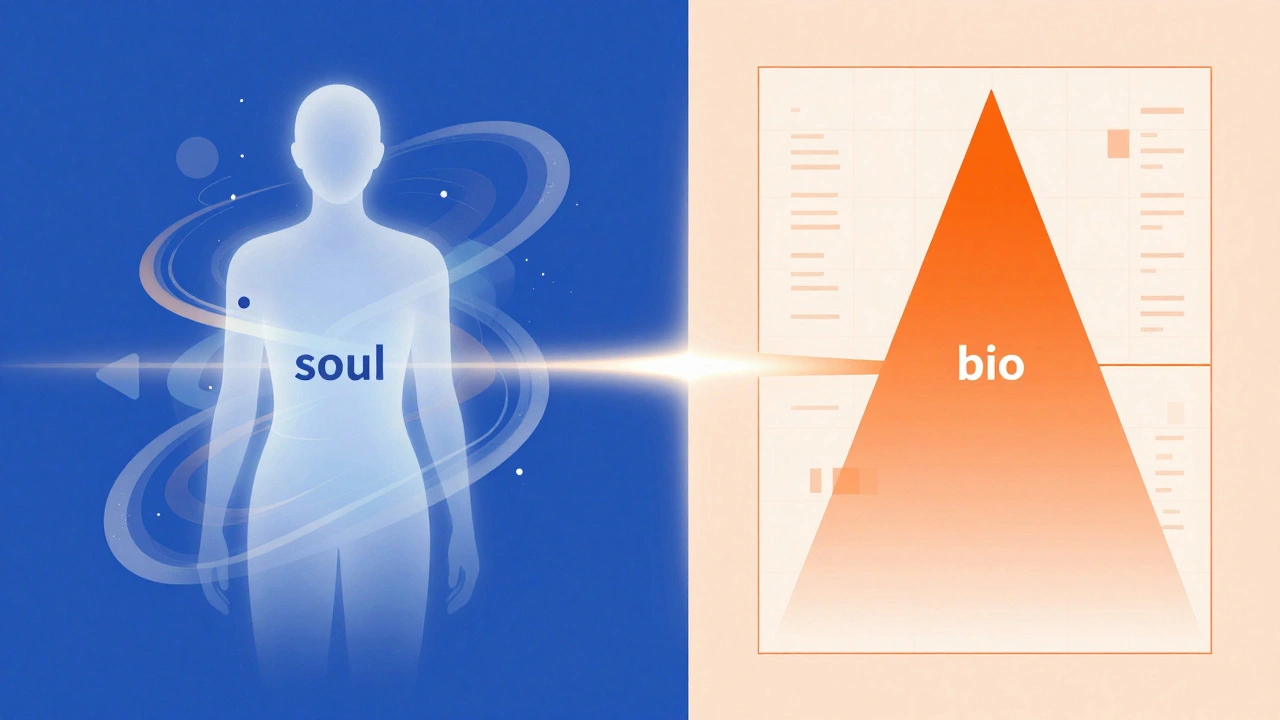
Your artist statement is introspective. It explains the why and how of your work. It discusses your themes, materials, and conceptual goals. It is often written in the first person ("I explore..."). Your bio, however, is external. It tells the reader who you are. It is almost always written in the third person ("Jane Doe explores..."). Think of the statement as the soul of your work and the bio as your professional introduction.
If you are submitting to a gallery, they will likely ask for both. If you are updating your website, you need both sections clearly separated. Confusing the two makes you look inexperienced. Keeping them distinct shows you understand the professional ecosystem.
Structuring Your Bio: The Three-Part Formula
You do not need to invent a new format. A standard, effective structure works best because it allows curators to scan quickly for the information they need. Aim for 100 to 200 words for most applications. This is long enough to provide context but short enough to respect the reader's time.
Break your bio into three logical paragraphs:
- The Introduction (Who and What): Start with your name, location, and primary medium. Briefly state what your work is about. Don't get too abstract here. Keep it grounded. Example: "Alex Chen is a mixed-media artist based in Portland, Oregon, known for large-scale collages that examine urban decay."
- The Context (Education and Experience): Mention your relevant education, recent exhibitions, awards, or residencies. As a student or emerging artist, focus on recent achievements. Did you win a departmental award? Were you featured in a student gallery show? Include these. They prove you are active and engaged. Example: "A graduate of the Rhode Island School of Design, Chen’s work has been exhibited in the RISD Museum and the local Arts Council’s annual showcase."
- The Current Focus (Now and Next): End with what you are working on now or where you are headed. This shows momentum. Example: "Currently, Chen is developing a new series funded by a local arts grant, exploring the intersection of digital waste and physical memory."
This structure provides a complete picture without overwhelming the reader. It answers the basic questions: Who are you? What have you done? What are you doing next?
Navigating the "Emerging" Status
The biggest hurdle for students is the feeling of having "nothing" to say. You haven't had a solo show in London. You haven't been published in Artforum. That is okay. In fact, it is expected.
When you are emerging, your bio should highlight potential and trajectory rather than a long history of sales. Focus on:
- Academic Achievements: Honors, scholarships, and thesis projects are valid credentials. They show discipline and recognition from peers and mentors.
- Group Shows: Being selected for a group exhibition demonstrates that other professionals see value in your work. List the venue and the year.
- Residencies and Workshops: Participation in intensive programs shows dedication to craft and community engagement.
- Awards and Grants: Even small, local grants count. They indicate that your work has passed a selection process.
Do not pad your bio with irrelevant jobs. Unless you worked as a museum docent or assisted a notable artist, your part-time job at a coffee shop does not belong in your artist bio. It belongs on your CV (Curriculum Vitae), which is a separate document. Your bio should be curated, not comprehensive.
Tone and Voice: Professional but Personal
Writing in the third person can feel awkward. You might sound like you are bragging when you aren't trying to. The key is to strike a tone that is confident but humble. Avoid superlatives like "groundbreaking," "unique," or "masterful." Let your work speak for itself.
Instead of saying "My work is uniquely powerful," say "My work addresses the tension between..." Use active verbs. Instead of "Work was created by me," use "I create work that..." Wait, remember, the bio is third person! So, "Chen creates work that addresses..."
Keep the language accessible. Avoid overly academic jargon unless it is essential to your specific field. If you are a painter, you don't need to cite Foucault unless your painting is explicitly about surveillance theory. Most readers-collectors, gallery owners, general public-want to connect with the human element of your story. Be clear, be direct, and be honest.
Common Mistakes to Avoid
Even experienced artists make these errors. For students, avoiding them builds credibility immediately.
- Using First Person: "I am an artist who..." Stop. Switch to "She is an artist who..." or "He is..." or "They are..."
- Listing Every Show Ever: Selectivity is power. Only include the last 3-5 years of significant activity. Older shows can go in your full CV.
- Being Too Vague: "I like to paint things I see." This tells us nothing. Try: "I paint still lifes that challenge traditional notions of domestic space." Specificity invites interest.
- Ignoring Updates: Your bio is a living document. Update it after every exhibition, award, or degree completion. An outdated bio suggests you are inactive.
- Writing for Yourself: Remember, the bio is for the reader. They want to know why they should care about your work. Connect your personal journey to universal themes.

Adapting Length for Different Platforms
One size does not fit all. You need different versions of your bio for different contexts.
| Platform | Word Count | Purpose |
|---|---|---|
| Social Media (Instagram/TikTok) | 10-50 words | Quick hook, link to portfolio |
| Website/Portfolio | 100-200 words | Standard professional intro |
| Grant Applications | 200-300 words | Detailed background and relevance |
| Exhibition Catalog | 50-100 words | Concise summary alongside artwork |
Start with your longest version (the website bio) and trim it down for other uses. Never expand a short bio by adding fluff; cut unnecessary details instead.
Next Steps: Getting Feedback
Once you have drafted your bio, do not publish it immediately. Read it aloud. Does it sound natural? Are there clunky sentences? Ask a professor, a mentor, or a peer to review it. Fresh eyes catch errors you have become blind to.
Check for consistency. Does the tone match your artist statement? Do the dates align with your CV? Small discrepancies can raise red flags for careful reviewers.
Finally, save multiple versions. Create a folder named "Bios" with files like "Bio_Web_2026," "Bio_Grant_2026," and "Bio_Short_2026." This saves you time when deadlines approach. Writing a strong artist bio is a skill that improves with practice. Treat it as part of your artistic development, not just a bureaucratic hurdle.
Should my artist bio include my age?
No, generally you should not include your age. It is considered unprofessional and can lead to unconscious bias. Focus on your experience, education, and achievements instead.
Can I use photos in my artist bio?
In digital formats like websites or PDF portfolios, yes, including a high-quality headshot is standard. In text-only fields for applications, stick to text. Always ensure the photo is professional and well-lit.
How often should I update my artist bio?
Update your bio whenever you have a significant new achievement, such as a new exhibition, award, or degree. At minimum, review it once a year to ensure the information is current and accurate.
Is it okay to mention my influences in the bio?
It is better to keep influences out of the bio. The bio is about your work and your career. Discussing influences is more appropriate for an artist statement or interview. Keep the bio focused on your own contributions.
What if I don't have any exhibitions yet?
Focus on your education, current projects, and artistic goals. You can mention upcoming shows or workshops you are participating in. Highlighting your training and dedication is perfectly acceptable for emerging artists.