Exhibition Audience Research: How to Truly Understand Your Visitors
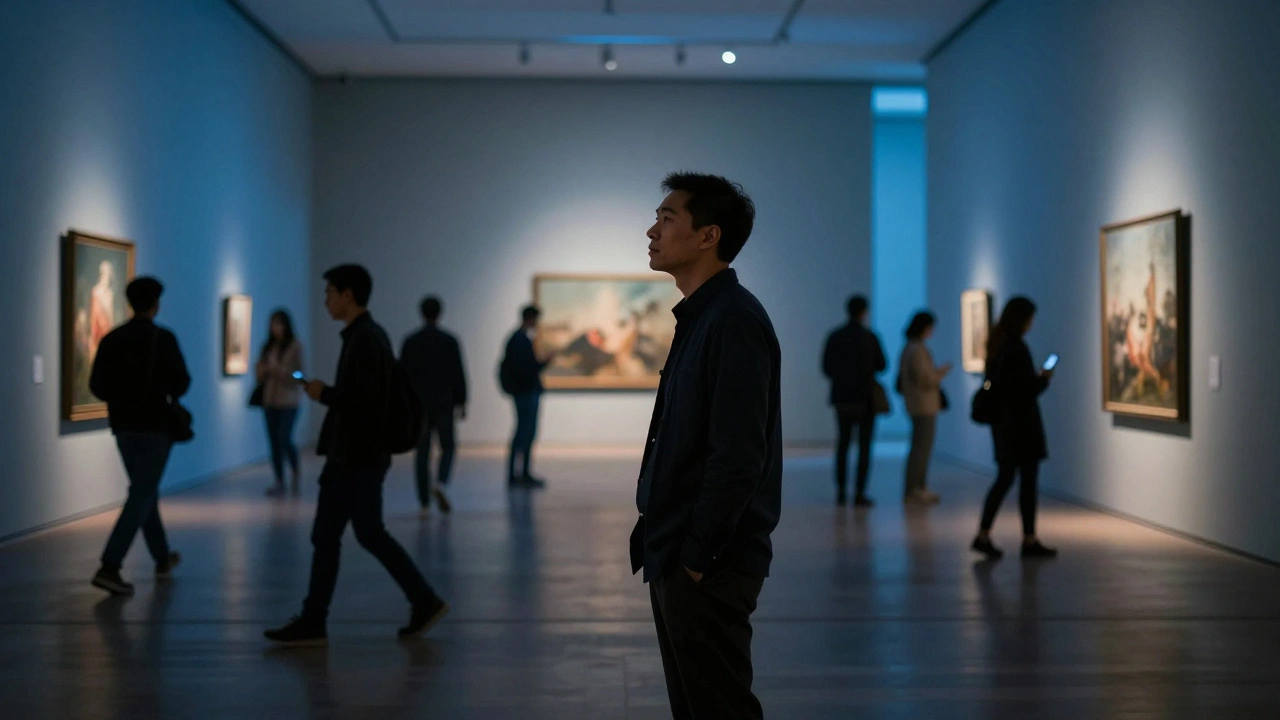
You spent months curating the perfect exhibition. The lighting is precise, the labels are witty, and the layout flows like a dream. But when you walk through the gallery on opening night, half the visitors glance at one piece and keep walking. Why? Because you built it for your taste, not theirs. Exhibition audience research is the systematic process of gathering data about who visits your space, why they come, and how they interact with content. It’s the difference between guessing what people want and knowing exactly what keeps them engaged.
Skip this step, and you’re just decorating a room. Do it right, and you transform passive viewers into active participants. This guide breaks down how to collect meaningful data without being intrusive, analyze it effectively, and apply those insights to your next show.
Why Guessing Fails in Modern Curation
Curators often fall into the "curse of knowledge." You know the artist’s biography by heart. You understand the historical context deeply. You assume visitors will naturally care because *you* care. They don’t. Most visitors arrive with fragmented attention spans and specific, often unspoken, goals.
Without data, you might place a complex, text-heavy installation near the entrance, expecting deep contemplation. Instead, visitors rush past because they’re looking for Instagram-worthy moments or quick educational wins for their kids. Audience research reveals these behavioral patterns before you hang a single frame. It shifts your focus from "What do I want to say?" to "How do they receive it?"
The Core Data Points You Need to Collect
Not all data is created equal. Counting heads tells you nothing about engagement. To build a true profile of your visitor base, you need three layers of information:
- Demographics: Age, gender, location, and education level. This helps you tailor language complexity and cultural references.
- Psychographics: Interests, values, and motivations. Are they here for social status, learning, relaxation, or family bonding?
- Behavioral Metrics: Dwell time, path tracking, and interaction rates. Which rooms get skipped? Which interactive screens get ignored?
For example, if your demographic data shows a high percentage of tourists but your psychographic analysis reveals they prioritize "quick highlights," you should create a dedicated "Top 5 Must-See" map. Ignoring this mismatch leads to frustration and lower return visit rates.
Methods for Gathering Visitor Insights
You don’t need a massive budget to start. In fact, some of the best insights come from low-tech methods that feel human.
1. On-Site Observation
Hire a team member or volunteer to stand in a corner and watch. Don’t talk to anyone; just observe. Where do people stop? Where do they turn around? Do they read the wall text or skip straight to the object? Note the body language. Confused frowns indicate unclear labeling. Leaning in suggests high interest. This qualitative data is gold for tweaking layout and signage.
2. Exit Surveys
Keep it short. One page, five questions max. Ask: "What was your favorite part?" and "What confused you?" Offer a small incentive, like a chance to win a gift shop discount. Avoid asking leading questions like "Did you enjoy our innovative lighting?" Instead, ask open-ended questions that reveal genuine sentiment.
3. Digital Analytics
If you have a ticketing system or Wi-Fi login portal, use it. Track where visitors come from geographically. Monitor which pre-show emails get opened. If you offer an audio guide app, analyze drop-off points. Did everyone quit after the first room? That’s a sign the intro was too long or the device was confusing.
4. Focus Groups
Before the exhibition opens, invite a diverse group of potential visitors to test prototypes. Show them mock-ups of labels or interactive stations. Watch them struggle with a touchscreen. Listen to them misinterpret a title. Fixing these issues during the planning phase saves embarrassment later.
| Method | Best For | Cost | Time Required |
|---|---|---|---|
| Observation | Behavioral patterns, flow | Low | Ongoing |
| Exit Surveys | Satisfaction, feedback | Low | Quick (1-2 min) |
| Digital Analytics | Demographics, reach | Medium | Automated |
| Focus Groups | Pre-opening testing | High | Weeks prior |

Analyzing the Data: Finding the Story
Data alone is noise. Analysis turns it into signal. Look for contradictions. Maybe your survey says people love the history section, but observation shows they spend zero time there. This discrepancy often means the section is visually appealing but intellectually inaccessible, or vice versa.
Create persona profiles based on your findings. For instance:
- The Casual Browser: Visits once a year, skims labels, takes photos. Needs visual hooks and clear highlights.
- The Deep Learner: Reads every word, buys the catalog, attends talks. Craves context, primary sources, and deeper narratives.
- The Family Unit: Parents managing kids. Needs interactive elements, seating areas, and clear safety guidelines.
Don’t try to please everyone equally. Identify your primary audience for each specific exhibition. A contemporary art show might target the Deep Learner and Casual Browser, while a science center exhibit targets the Family Unit. Tailor your messaging accordingly.
Applying Insights to Curation
This is where the rubber meets the road. Use your research to make concrete decisions:
- Label Writing: If your audience has varying education levels, use plain language. Avoid jargon. Test readability scores. Include "takeaway" summaries for quick readers.
- Layout Design: Place high-interest items near entrances to draw people in. Create quiet zones for Deep Learners away from high-traffic paths.
- Interactive Elements: If data shows low engagement with touchscreens, replace them with physical manipulatives or simpler QR code links to mobile content.
- Programming: Schedule tours and talks at times when your target audience is most likely to be present. If seniors dominate weekday mornings, host senior-specific events then.
Remember, audience research is iterative. An exhibition isn’t static. Adjust signage mid-run if you notice confusion. Update digital content based on click-through rates. Keep listening.

Common Pitfalls to Avoid
Confirmation Bias: Only collecting data that supports your existing ideas. Actively seek negative feedback. It’s more valuable than praise.
Sample Size Errors: Relying on feedback from only 10 people. Aim for statistical significance, especially for large institutions. Randomize who you approach for surveys.
Ignoring Accessibility: Research must include visitors with disabilities. Do you have data on how wheelchair users navigate your space? How do blind visitors experience your audio guides? Inclusive research leads to inclusive design.
Over-Reliance on Self-Reported Data: People lie about their habits. They say they read everything but don’t. Trust observation over surveys when measuring actual behavior.
Building a Long-Term Research Strategy
One-off studies are helpful, but continuous monitoring is powerful. Establish a baseline for key metrics: average dwell time, satisfaction score, repeat visit rate. Compare every new exhibition against this baseline.
Share findings across departments. Marketing needs to know who is visiting to target ads effectively. Development teams need to understand donor interests vs. general public interests. Curatorial staff need to see how academic rigor impacts engagement.
Invest in tools that aggregate data. A Customer Relationship Management (CRM) system linked to ticketing can track individual visitor journeys over years. This longitudinal data reveals trends, like shifting age demographics or changing seasonal preferences.
How much does basic exhibition audience research cost?
Basic research can be nearly free if you use volunteers for observation and simple paper surveys. More advanced methods like digital analytics platforms or professional focus groups can range from $500 to $5,000+ depending on scale and depth. Start small and scale up as you prove ROI.
Is it ethical to track visitor behavior?
Yes, if done transparently and anonymously. Always inform visitors that data is being collected, explain why, and allow opt-outs. Never collect personally identifiable information without explicit consent. Focus on aggregate trends, not individual profiling.
How often should I conduct audience research?
Continuous observation should happen daily. Formal surveys and focus groups should occur before each major exhibition launch and quarterly for permanent collections. Annual comprehensive reviews help track long-term trends.
What if my data contradicts my curatorial vision?
Listen to the data. If visitors consistently misunderstand or disengage with a concept, adjust the presentation, not necessarily the content. You can maintain artistic integrity while improving accessibility through better framing, context, or interactive support.
Can online research replace in-person methods?
No. Online surveys miss non-visitors and lack behavioral context. In-person observation captures real-time reactions and environmental factors. Combine both for a complete picture: online for reach and demographics, in-person for engagement and usability.