High-Value Art Inventory Templates for Insurance Tracking: A Complete Guide

Imagine your home catches fire. The smoke clears, and you’re left with a pile of ash where your favorite painting used to be. You call your insurer, ready to file a claim, only to realize you have no proof that the piece existed, let alone what it was worth. This is the nightmare scenario for every serious collector. Without a precise, up-to-date high-value art inventory, you might lose everything-or worse, spend months fighting an insurance company over the value of a lost masterpiece.
Most collectors treat their art like family photos: they love it, hang it on the wall, and forget about it until something goes wrong. But insurers don’t care about sentimental value; they care about data. They need specific details to verify ownership, condition, and market value. That’s why using a structured art inventory template isn’t just paperwork-it’s your financial safety net. In this guide, we’ll break down exactly what needs to go into your records, how to organize them, and which tools make the process painless.
Why Standard Spreadsheets Fail High-Value Collections
You might think a simple Excel sheet or Google Doc is enough. For a few small prints, maybe. But if you own works valued at $10,000, $50,000, or more, standard spreadsheets fall short. They lack structure, version control, and multimedia integration. When an adjuster asks for "proof of condition prior to loss," a blurry phone photo attached to an email isn’t going to cut it. You need a system that links high-resolution images, provenance documents, and appraisal reports directly to each item.
Furthermore, manual entries are prone to human error. Did you type "$15,000" instead of "$50,000"? Did you forget to update the location after moving a piece from the living room to the study? These small mistakes can become major disputes during a claim. A dedicated inventory template forces consistency, ensuring every piece has the same level of documentation. It turns a chaotic collection into a manageable asset portfolio.
The Core Components of an Effective Art Inventory Template
To satisfy both your peace of mind and your insurer’s requirements, your inventory must capture specific data points. Think of each entry as a digital passport for the artwork. Here are the non-negotiable fields every template should include:
- Item Identifier: A unique ID number (e.g., ART-001) to reference the piece easily in conversations and claims.
- Title and Artist: Full title, including any alternate names, and the artist’s full name, birth/death years, and nationality.
- Physical Description: Medium (oil on canvas, bronze, etc.), dimensions (height x width x depth), and frame details.
- Acquisition Details: Date purchased, source (gallery, auction house, private sale), and original purchase price.
- Current Valuation: The most recent appraised value, date of appraisal, and name of the appraiser.
- Provenance: A brief history of ownership, especially if the work has passed through notable collections or exhibitions.
- Condition Report: Current state of the work, noting any existing cracks, fading, or repairs.
- Visual Evidence: High-resolution photos of the front, back, signature, and any distinctive markings or labels.
Missing even one of these elements can create ambiguity. For instance, without the acquisition date, an insurer might question whether the piece was covered under your policy at the time of loss. Without current valuation, they may offer you the depreciated purchase price rather than the current market value.
Choosing Between Digital Tools and Paper Records
In 2026, paper binders are largely obsolete for high-value inventories. They’re bulky, hard to update, and vulnerable to physical damage-the very things you’re trying to protect against. Digital solutions offer searchability, cloud backup, and easy sharing with agents and appraisers. However, not all digital tools are created equal.
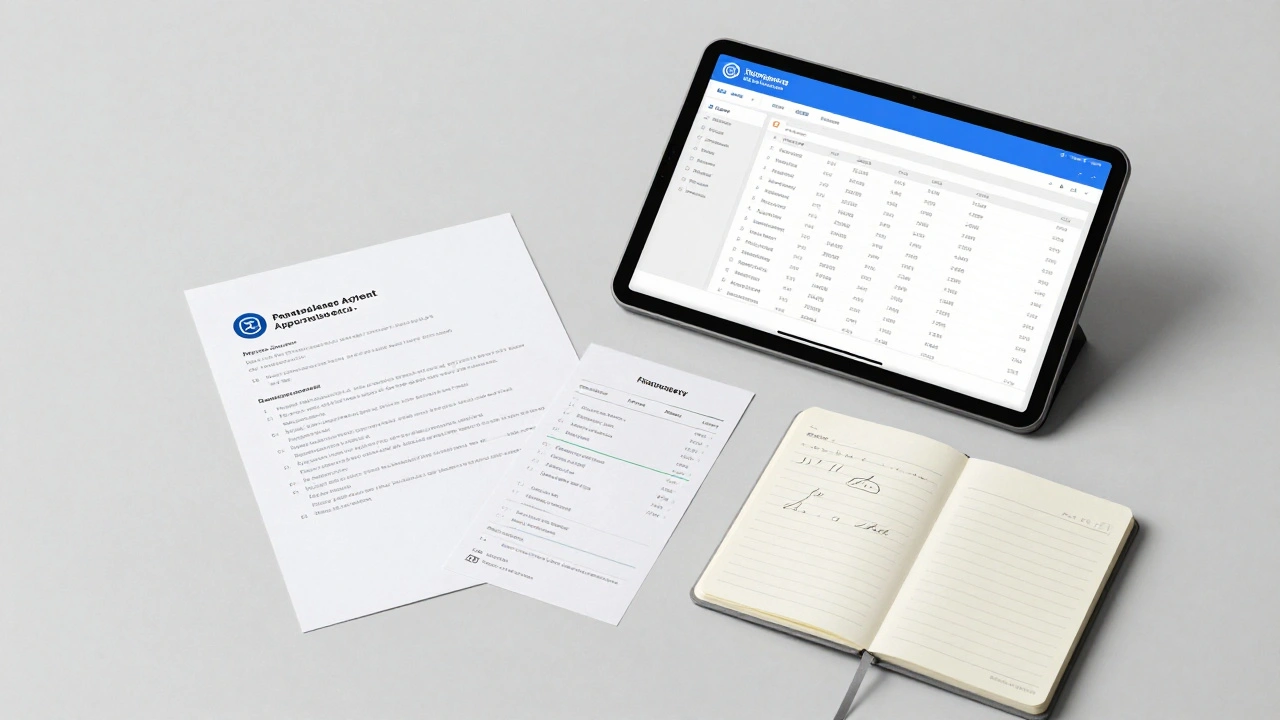
Some collectors use specialized art management software like Artlogic or CollectionSpace. These platforms are powerful but often expensive and complex, designed more for museums than private individuals. Others prefer customizable database apps like Airtable or Notion. These offer flexibility and visual dashboards without the steep learning curve. If you prefer simplicity, a well-structured spreadsheet with linked folders for photos and PDFs can still work, provided you maintain strict discipline in updating it.
| Tool Type | Best For | Pros | Cons |
|---|---|---|---|
| Dedicated Art Software (e.g., Artlogic) | Large collections, professional dealers | Robust features, industry-standard | High cost, steep learning curve |
| Custom Databases (Airtable, Notion) | Serious collectors, mid-sized collections | Flexible, visual, affordable | Requires setup effort, less automated |
| Spreadsheets (Excel, Sheets) | Small collections, beginners | Familiar, free, easy to start | Poor media integration, error-prone |
Regardless of the tool, ensure your files are backed up in multiple locations. Store copies in the cloud and on an external hard drive kept off-site. If your home suffers a disaster, you need access to your inventory from anywhere.
How to Document Condition and Provenance Effectively
Two areas where collectors often stumble are condition reporting and provenance. Insurers scrutinize these closely because they directly impact value and authenticity. A vague note like "good condition" is useless. Instead, describe specific issues: "Minor craquelure in lower left corner, consistent with age. No tears or losses." Take close-up photos of any imperfections.
For provenance, gather all available documentation. Receipts, invoices, exhibition catalogs, and letters of authenticity should be scanned and stored digitally. Link these documents directly to the artwork’s entry in your inventory. If you bought a piece at auction, include the catalog page and lot number. This chain of custody helps prove authenticity if questioned later.
If you inherit a piece or receive it as a gift, document the transfer clearly. Note the date, the giver’s name, and any known history. Lack of clear provenance can lead insurers to deny claims based on suspicion of theft or fraud.
Updating Your Inventory: Frequency and Best Practices
An inventory is only useful if it’s current. Many collectors make the mistake of creating their records once and then ignoring them for years. Market values fluctuate, artworks get moved, restored, or sold. You should review and update your inventory at least annually. Ideally, do this right before renewing your insurance policy.
When adding new pieces, document them immediately upon acquisition. Don’t wait until the end of the year. Capture photos while the lighting is good and the piece is clean. Update valuations every three to five years, or sooner if the market shifts significantly for that artist or medium. Use qualified appraisers who specialize in the relevant category-fine art, contemporary, vintage, etc.
Also, track changes in location. If you move a painting from your primary residence to a secondary home or storage facility, update its status. Some policies have different coverage limits or exclusions for off-premises storage. Knowing where each piece is located helps avoid gaps in coverage.

Working with Your Insurance Agent and Appraisers
Your inventory template should be designed with your insurer in mind. Most fine art policies require a scheduled personal property endorsement, which lists each item individually with its agreed value. Share your inventory with your agent during policy reviews. Ask them specifically what format they prefer for submissions. Some accept digital databases; others want printed schedules.
Appraisers also benefit from a well-organized inventory. When you send a list of items for valuation, providing clear descriptions and photos speeds up the process and reduces fees. It shows professionalism and makes their job easier. Build a relationship with a trusted appraiser who understands your collection. They can spot trends in value and advise you on conservation needs.
Remember, the goal is alignment. Your records, your appraiser’s reports, and your insurer’s schedule should all match. Discrepancies here are red flags that can delay claims or reduce payouts.
Common Mistakes to Avoid in Art Documentation
Even experienced collectors make errors. One common mistake is undervaluing smaller works. Just because a piece is modest in size doesn’t mean it lacks value. Include every item, no matter how small, in your inventory. Another pitfall is neglecting documentation for decorative arts or collectibles that complement your fine art. If your policy covers them, they need records too.
Avoid using generic terms like "painting" or "sculpture." Be specific: "Oil on linen by [Artist], titled '[Title],' acquired 2018." Vague descriptions invite disputes. Also, don’t store sensitive documents like passports or bank statements alongside your art inventory. Keep financial and legal records separate to minimize risk if your digital files are compromised.
Finally, never share your full inventory publicly. While social media is great for showing off your collection, posting high-res photos of signed works online can attract thieves. Keep your detailed records private and secure. Share only what’s necessary with professionals.
How often should I update my art inventory?
You should review and update your art inventory at least once a year, ideally before your insurance renewal. Add new acquisitions immediately and refresh valuations every three to five years, or when significant market changes occur.
What happens if I lose my art inventory records?
Without records, proving ownership and value becomes extremely difficult. Insurers may deny claims or pay only minimal amounts. Always keep backups in the cloud and on external drives stored off-site to prevent total loss.
Do I need professional appraisals for every piece?
For high-value items, yes. Professional appraisals provide credible market values required by insurers. For lower-cost pieces, receipt-based valuations may suffice, but check with your agent to confirm policy requirements.
Can I use photos from social media for my inventory?
Social media photos are usually insufficient due to poor resolution, filters, or cropping. Use high-resolution, unedited images taken in good lighting, showing the entire piece, signatures, and any unique identifiers.
Is there a free template available for art inventory?
Yes, many organizations like the National Association of Professional Art Advisors (NAPAA) offer free downloadable templates. You can also create your own using Excel or Google Sheets by including the core components outlined in this guide.