Art Fair Sales Strategies: How to Convert Gallery Visitors into Buyers
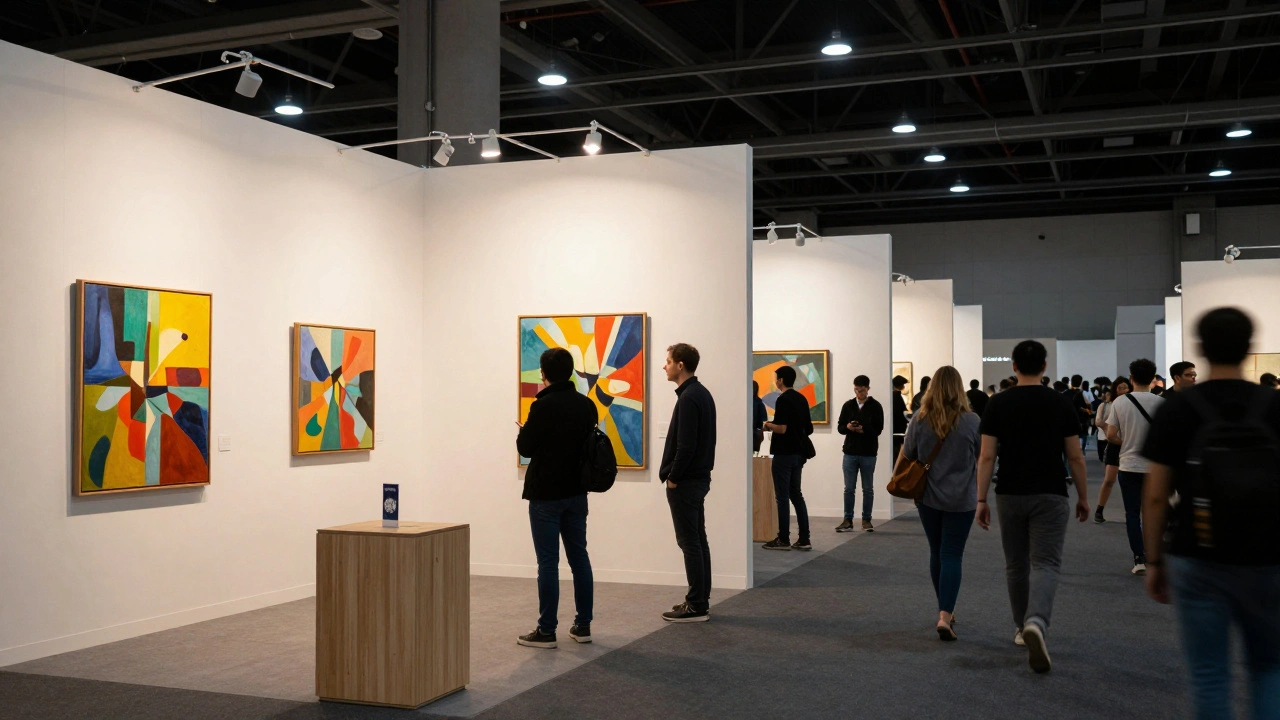
You’ve spent months preparing. You’ve packed your portfolio, negotiated the booth fee, and designed a stunning display. Now you’re standing in the middle of a bustling convention center, surrounded by hundreds of other artists. The crowd is moving fast. Most people walk past your table without breaking stride. It’s easy to feel invisible in that noise. But here’s the truth: showing up isn’t enough. To make a living from art fairs, which are temporary exhibitions where artists and galleries showcase work for sale to collectors and enthusiasts, you need a strategy that turns casual browsers into committed buyers.
Selling art isn’t just about having good taste; it’s about psychology, presentation, and timing. Whether you’re an emerging painter or an established sculptor, the difference between going home with empty hands and leaving with a stack of receipts often comes down to how you handle those first few seconds of interaction. Let’s look at exactly what works on the ground.
The Psychology of the Art Buyer
Before you worry about your lighting or your price tags, you need to understand who is walking through the door. At contemporary art fairs, which attract a mix of serious collectors, interior designers, and curious tourists, motivations vary wildly. A serious collector is looking for investment potential and artist pedigree. An interior designer needs specific dimensions and color palettes for a client project. A tourist wants a souvenir that feels personal but doesn’t break the bank.
Your job is to quickly identify which bucket they fall into. Watch their eyes. Do they stop and stare at one piece for more than five seconds? That’s interest. Do they glance at the price tag immediately? That’s a budget-conscious buyer. If they pull out their phone to take a photo, they’re likely sharing with someone else-perhaps a partner or a friend whose opinion matters to them. Recognizing these micro-signals allows you to tailor your conversation instantly. Don’t pitch a $5,000 oil painting to someone clearly looking for a $100 print. Instead, guide them toward accessible entry-level pieces that still represent your brand.
Booth Design That Stops the Scroll
In a sea of white cubes and black tables, your booth needs to scream "look here." Booth design, defined as the strategic arrangement of space, lighting, and artwork to maximize visual impact and sales conversion, is your silent salesman. If your booth looks cluttered or dim, people will assume your art is inaccessible or low quality before they even speak to you.
Start with lighting. Harsh overhead fluorescent lights kill color vibrancy. Bring your own battery-operated LED spotlights. Aim them directly at your key pieces-the ones you most want to sell. Create depth by hanging some works on walls while placing others on pedestals or leaning them against easels. This creates layers, forcing the viewer to move around your space rather than scanning it from a distance.
Consider the "hero" piece. Every booth should have one undeniable focal point. This could be your largest work, your most controversial piece, or simply the brightest. Place it at eye level, front and center. When people enter your zone, this piece anchors their attention. Once they’re hooked by the hero, they’ll naturally drift to the surrounding smaller works. Keep pathways clear. If someone has to dodge a stack of boxes to see your art, they won’t bother.
Pricing Transparency and Structure
Nothing kills a sale faster than hesitation over price. Hidden prices create suspicion. Buyers wonder if they’re being marked up because they look like tourists. Always display prices clearly. Use clean, minimal tags. Avoid handwritten notes if possible; printed labels look professional and trustworthy.
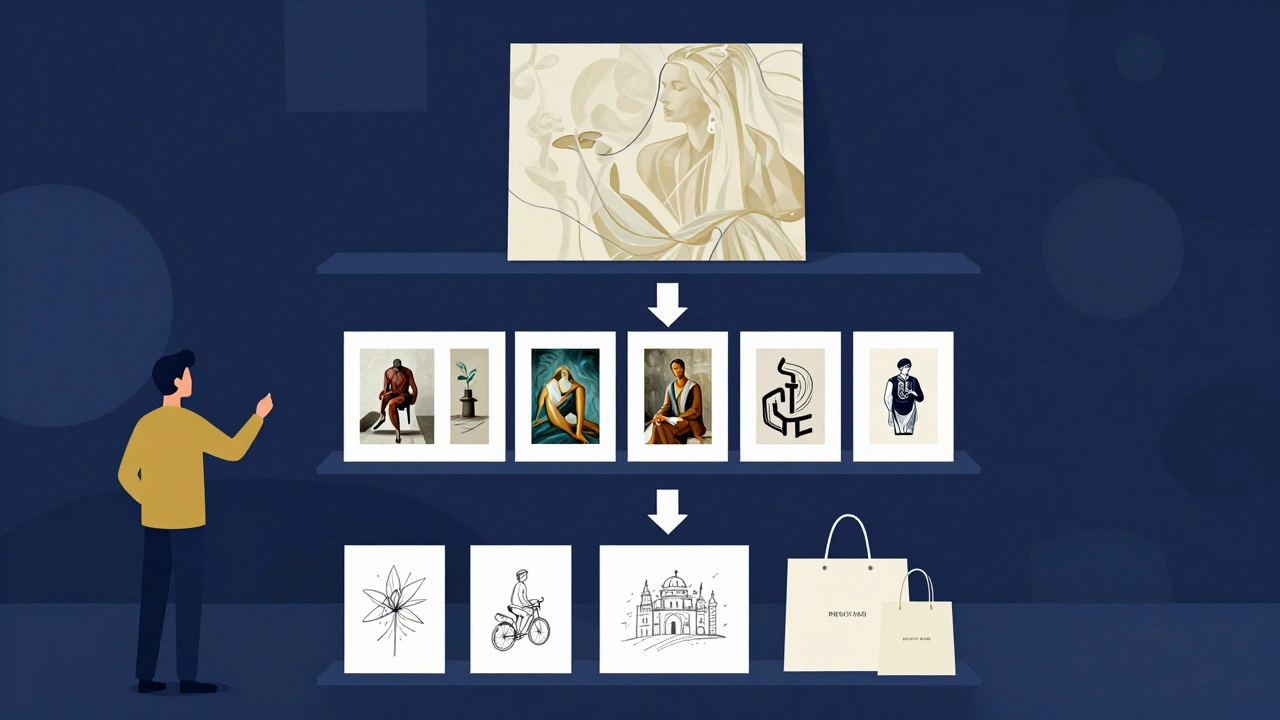
Structure your inventory to cater to different spending levels. Think of your booth as a funnel. You need high-ticket items to establish value, mid-range pieces to drive revenue, and low-cost items to capture impulse buys. For example, if you sell large canvases for $2,000, offer limited edition prints of the same image for $150, and small sketches for $50. This way, even if a visitor can’t afford the big piece, they might leave with a print. That $50 transaction builds a relationship. They now have your card, they’ve paid you, and they’re more likely to return next year or recommend you to friends.
Also, consider offering "fair specials." Limited-time discounts for items bought during the event create urgency. "Buy two prints, get one free" or "10% off all sculptures purchased today" gives hesitant buyers a logical reason to act now rather than later.
Engaging Conversation Starters
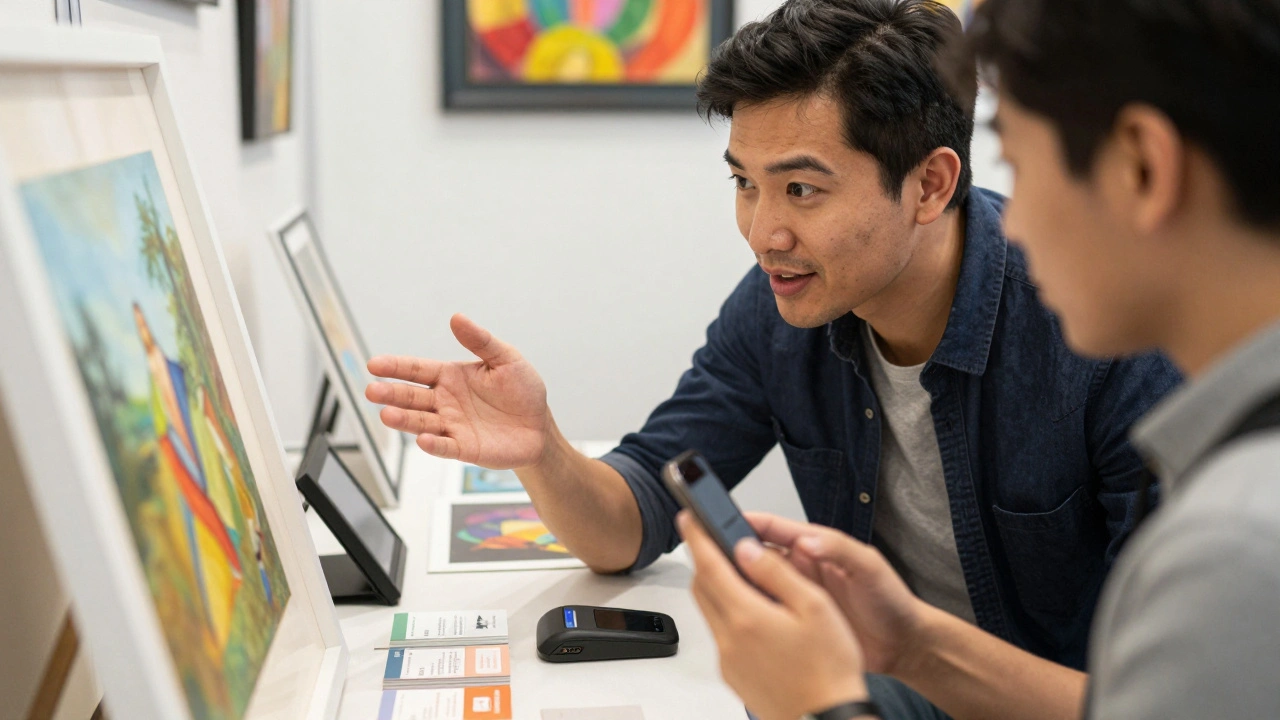
When someone stops, don’t say "Can I help you?" It’s too closed-ended. They’ll just say "No, just looking," and walk away. Instead, use open-ended questions that invite storytelling. Try "What draws you to this piece?" or "Have you seen anything else at the fair that resonated with you?" These questions shift the dynamic from a transaction to a conversation.
Share the story behind the work. People buy emotion, not just pigment on canvas. Explain why you created it, what inspired it, or the technique you used. Did you paint it during a storm? Did the subject matter come from a personal struggle? Context adds value. A $300 painting becomes worth $500 when the buyer understands the hours and heart poured into it.
If they seem shy, offer a compliment. "You have great taste; that color really suits your jacket." It breaks the ice. Remember, you’re not just selling art; you’re selling yourself as an artist. Be warm, knowledgeable, and genuinely interested in them. Authenticity sells.
Closing the Sale Without Pressure
Some visitors will signal interest but hesitate to commit. They might ask, "Do you ship internationally?" or "Can I hold this until tomorrow?" These are buying signals. Handle them gracefully. For shipping, have a pre-calculated cost sheet ready. Knowing the total upfront removes anxiety. For holding items, be firm but polite. "I’d love to reserve it for you, but other collectors are viewing it. Would you like to purchase it now so we can guarantee it’s yours?"
Make the payment process seamless. Carry a portable card reader like Square or Stripe Terminal. Cash is rare at major fairs. Friction in payment leads to abandoned carts. If they need to fill out a form, have tablets ready with digital forms. Speed matters. The longer you keep them waiting, the higher the chance they’ll change their mind.
Once they pay, wrap the art beautifully. Presentation extends beyond the booth. Use branded tissue paper, thank-you cards, and sturdy packaging. Unboxing is part of the experience. A beautiful package makes them feel special and increases the likelihood they’ll post about it on social media, giving you free marketing.
Follow-Up and Long-Term Relationships
The fair ends, but the relationship shouldn’t. Collecting email addresses is critical. Offer a discount code for your online store in exchange for signing up. "Sign up for my newsletter and get 15% off your next online purchase." This moves them from a one-time fair buyer to a repeat customer.
Within 48 hours of the fair, send a personalized thank-you email. Reference the piece they bought. "Thank you for purchasing 'Sunset Over Portland.' I hope it brings joy to your space." This personal touch stands out in a crowded inbox. It also reminds them of the positive interaction they had with you.
Keep them engaged between fairs. Share new works-in-progress, studio tours, or upcoming exhibitions via email or Instagram. Art buying is emotional and sporadic. Staying top-of-mind ensures that when they’re ready to buy again, you’re the first name they think of.
| Visitor Type | Key Motivation | Best Approach | Ideal Product |
|---|---|---|---|
| Serious Collector | Investment, prestige, uniqueness | Discuss provenance, artist trajectory, exclusivity | Limited editions, original works |
| Interior Designer | Project completion, specific aesthetics | Provide high-res images, dimension specs, bulk discounts | Series works, coordinated sets |
| Tourist/Casual Browser | Souvenir, impulse, affordability | Highlight stories, ease of shipping, quick checkout | Prints, small sketches, merchandise |
| Peer Artist | Networking, learning, support | Collaborate, exchange contacts, share resources | Business cards, zines, collaborative pieces |
Common Pitfalls to Avoid
Even experienced artists make mistakes. One common error is standing behind the table with arms crossed. It signals defensiveness. Stand to the side, lean slightly forward, and keep your body language open. Another mistake is ignoring non-buyers. Everyone is a potential advocate. Treat every person with respect, regardless of whether they spend money. A friendly interaction can lead to referrals.
Don’t undervalue your work. Lowering prices on the fly devalues your brand. If someone says it’s too expensive, explain the value instead of dropping the price. Offer a smaller alternative rather than discounting the main piece. Finally, don’t neglect your energy. Fairs are exhausting. Stay hydrated, eat regularly, and take short breaks. Your enthusiasm is contagious; if you’re drained, your booth feels dead.
How do I price my art for an art fair?
Price based on size, medium, time invested, and market research. Check what similar artists charge at comparable fairs. Include material costs and labor. Ensure your prices reflect your experience level. Newer artists may start lower to build a collector base, while established artists should maintain consistent pricing to preserve value.
What should I bring to an art fair besides my art?
Bring a portable card reader, business cards, price lists, packing materials (boxes, bubble wrap), tools for setup (tape, scissors, hangers), water, snacks, and a comfortable chair. Also, bring a tablet or laptop for digital invoices and email sign-ups.
How do I handle shipping inquiries at the fair?
Prepare a shipping rate chart beforehand based on weight and destination zones. Use services like UPS, FedEx, or specialized art shippers. Calculate costs using sample packages. Communicate that shipping is insured and tracked to reassure buyers. Offer local pickup options for nearby attendees.
Is it better to sell originals or prints at art fairs?
A mix is ideal. Originals establish prestige and higher margins. Prints increase accessibility and volume sales. Many collectors start with prints and graduate to originals. Offering both maximizes your reach and revenue potential. Clearly label editions and authenticity certificates.
How can I stand out in a crowded art fair booth?
Use unique lighting, bold colors, or interactive elements. Create a signature look that matches your artistic style. Engage visitors with genuine conversation rather than passive waiting. Offer exclusive fair-only pieces or discounts. Consistency in branding across your booth, website, and social media reinforces recognition.