DIY vs Professional Conservation: Know the Limits of Home Restoration
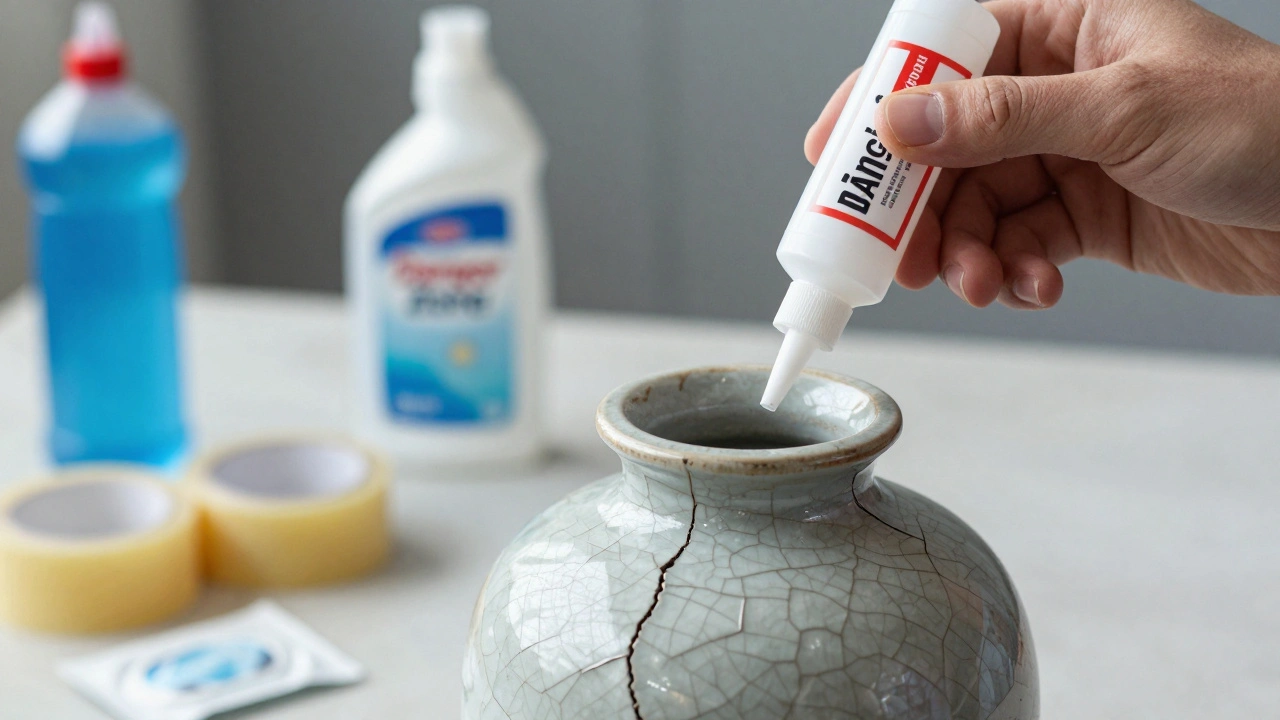
It starts with a scratch. Maybe it’s a scuff on your favorite vinyl record, a tear in a vintage photograph from your grandparents, or a flaking paint layer on an oil painting you bought at an estate sale. Your instinct is to fix it. You grab some tape, glue, or a cleaning wipe from under the sink and get to work. But here is the hard truth about art conservation: not every fix is a rescue mission. Sometimes, that well-meaning DIY attempt is the very thing that destroys the object’s value, history, and physical integrity forever.
The line between simple maintenance and actual conservation is thinner than you think. Crossing it without the right knowledge can turn a recoverable piece into a total loss. So, how do you know when to roll up your sleeves and when to call a professional? Let’s break down the real limits of what you can handle at home versus what requires a lab.
The Golden Rule: Reversibility and Risk
Before you touch anything, you need to understand the core philosophy of professional conservation. It isn’t just about making things look pretty; it’s about preserving the object for future generations. The guiding principle here is reversibility, which means any treatment applied should be removable by a future conservator without damaging the original material.
When you use superglue on a ceramic shard, you have violated this rule. That bond is permanent. A professional might now have to discard the shard entirely because they cannot separate the adhesive from the original glaze without causing more harm. When you use alcohol wipes on a watercolor, you risk dissolving the pigment itself. These are irreversible actions. If your fix cannot be undone safely, you are likely out of your depth.
Think of it this way: maintenance is like dusting your furniture. Conservation is like rebuilding the chair’s joints. You can dust. You probably shouldn’t rebuild the joints unless you’re a carpenter.
What You Can Safely Do Yourself (The Green Zone)
There is a lot of routine care that falls squarely into the DIY category. This involves environmental control and gentle cleaning. If you stick to these tasks, you are actually helping preserve your collection rather than hurting it.
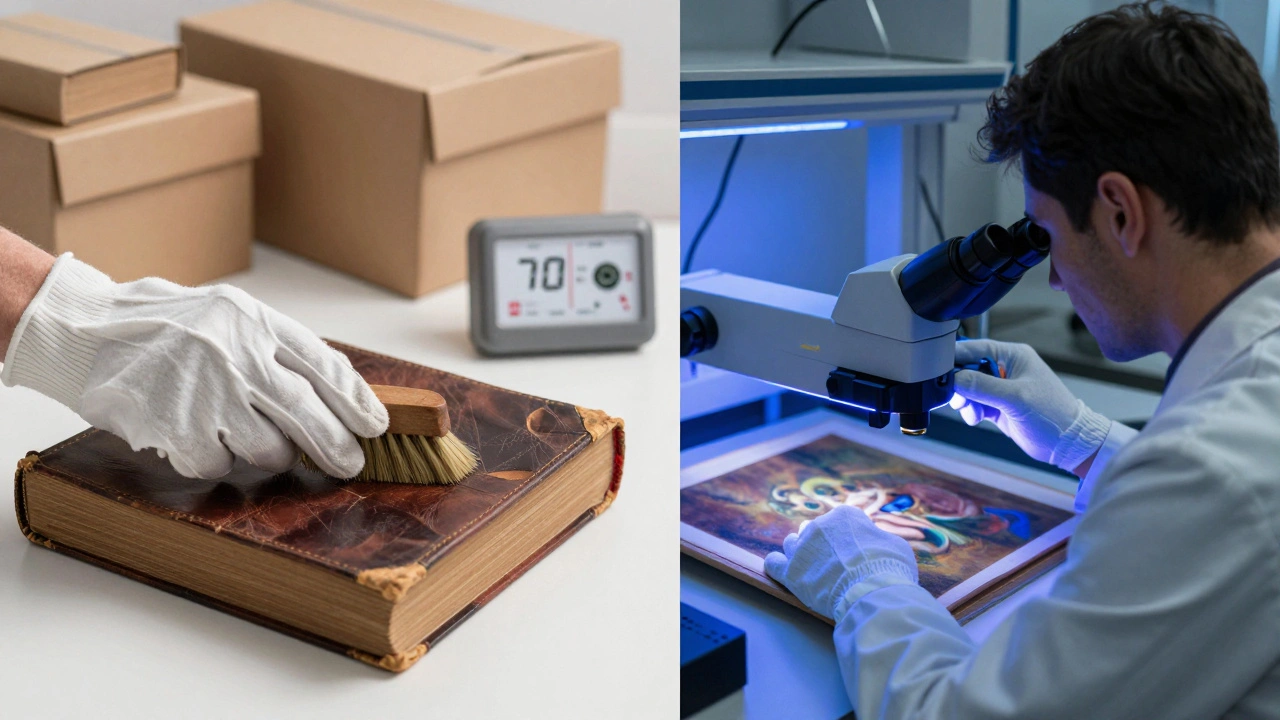
- Dusting: Use a soft, natural-bristle brush (like a hake brush) to gently remove loose dust from frames, books, or sturdy ceramics. Always brush in one direction, away from delicate edges.
- Climate Control: Keep your valuable items away from direct sunlight, which causes fading, and away from HVAC vents, which cause rapid humidity swings. Aim for a stable temperature around 68-72°F and relative humidity between 40-50%.
- Handling: Wear clean cotton gloves when handling photographs, glass negatives, or delicate papers. For paintings, hold them by the frame, never by the canvas edge.
- Storage: Use acid-free tissue paper and archival boxes for storing documents and textiles. Acidic cardboard will yellow and transfer stains over time.
If the task doesn’t involve chemicals, adhesives, or structural repairs, you are usually safe. The goal here is prevention, not correction.
The Danger Zone: Common DIY Mistakes
This is where most people go wrong. They see a problem and try to solve it with household products. Here are three common scenarios that often lead to disaster:
1. Cleaning Oil Paintings with Household Cleaners You might see a dark, crusty layer on an old painting and assume it’s dirt. It might be varnish, or it might be the paint itself oxidizing. Using window cleaner, dish soap, or even plain water can emulsify the oil binder, causing the paint to lift off the canvas. Professionals use specific solvent gels that allow them to target grime without touching the paint layer.
2. Tearing Tape on Artwork Never use masking tape, duct tape, or scotch tape to hang artwork or secure tears. The adhesives dry out and become brittle, pulling fibers out of paper or canvas when removed. Worse, the plastic backing can degrade and leave a permanent stain. If a print has torn, do not tape it. Place it flat in an archival sleeve and consult a paper conservator.
3. Gluing Broken Ceramics or Figurines If a piece breaks, the temptation to grab cyanoacrylate (super glue) is strong. However, these glues are too rigid and chemically aggressive. They can craze the glaze and make future professional repair impossible. Instead, keep the pieces together in a padded box, label them clearly, and seek a specialist who uses reversible epoxies or Japanese kintsugi techniques if appropriate.
When to Call a Professional Conservator
You need a professional if the object has monetary value, sentimental irreplaceability, or significant historical importance. But beyond value, look at the condition. Call a conservator if:
- There is active mold or insect infestation. Mold spores can spread to other collections. Insects like silverfish or carpet beetles eat organic materials. This requires quarantine and specialized fumigation or freezing protocols.
- The structure is failing. Sagging canvases, broken wooden frames, or delaminating layers need mechanical stabilization. This requires tools and skills that go beyond basic handiness.
- You want to know the true age or origin. A conservator can examine brushstrokes, canvas weave, and pigment composition to verify authenticity. This is crucial before selling or insuring high-value items.
- There is water damage. Wet paper or textiles must be dried immediately to prevent warping and mold. Freezing wet books is a temporary measure professionals use to stop decay until they can freeze-dry them properly.
Professional conservators undergo rigorous training, often including master’s degrees in Conservation Science, which combines chemistry, art history, and practical repair techniques. They work in labs equipped with microscopes, UV lights, and X-ray fluorescence devices to analyze materials before touching them.
Understanding the Cost of Professional Care
Let’s talk money. Professional conservation is expensive. Rates vary widely based on location, the complexity of the object, and the conservator’s reputation. In major cities like New York or Portland, you might pay anywhere from $150 to $300 per hour for a senior conservator. A full restoration of a mid-sized oil painting could cost thousands.
However, consider the alternative. A DIY mistake can drop the value of a piece by 90% or render it unsellable. Insurance companies also require documentation of professional care for high-value claims. If you insure a piece worth $10,000, the insurer may deny a claim if they find evidence of amateur repair.
To manage costs, ask for a detailed proposal. Reputable conservators will provide a written estimate outlining the steps, materials, and expected outcome. They should also offer a "stop-work" clause, allowing you to halt the process if the cost exceeds your budget.
| Aspect | DIY Approach | Professional Conservation |
|---|---|---|
| Goal | Cosmetic improvement, quick fixes | Long-term preservation, reversibility |
| Materials | Household cleaners, tapes, glues | Archival-grade solvents, reversible adhesives |
| Risk Level | High (irreversible damage) | Low (controlled environment) |
| Cost | $0 - $50 | $500 - $10,000+ |
| Best For | Dusting, climate control, storage | Structural repair, cleaning, authentication |
Finding a Qualified Conservator
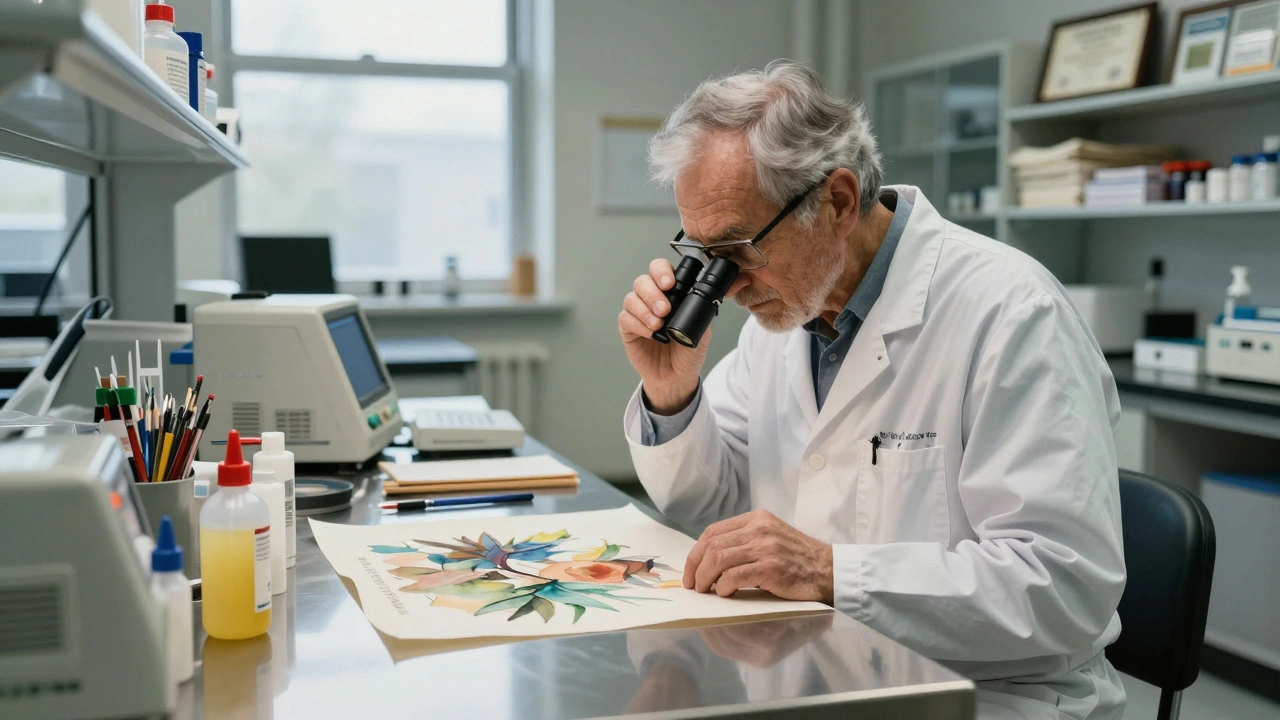
Not everyone who calls themselves a "restorer" is qualified. Look for credentials. In the United States, check for membership in the American Institute for Conservation (AIC), which is the primary professional organization for conservators. Members adhere to strict ethical codes and continue their education.
Ask for references and examples of past work. A good conservator will show you before-and-after photos, but be wary of images that look "too perfect." Over-cleaning or repainting can erase historical evidence. The goal is stability and clarity, not necessarily a brand-new look.
If you live in a smaller town, you might need to ship your item. Ensure the conservator provides custom crating instructions. Shipping fragile art is risky, so weigh the cost of shipping against the benefit of local care.
The Middle Ground: Preventive Conservation
You don’t have to choose between doing nothing and spending thousands. The best strategy is preventive conservation. This means creating an environment where damage is less likely to occur in the first place.
Invest in UV-filtering glass for your frames. Use dehumidifiers in damp basements where you store collectibles. Avoid eating near your books or records. These small habits save you from needing major interventions later. Think of it as brushing your teeth daily instead of waiting for a root canal.
By knowing your limits, you protect both your passion and your property. Respect the object, respect the process, and know when to step back.
Can I clean my own oil painting?
Generally, no. Surface dust can be removed with a soft brush, but deeper cleaning requires solvents that can dissolve the paint layer if used incorrectly. Improper cleaning can permanently alter the color balance and reduce the painting's value. Leave chemical cleaning to professionals.
How much does professional art conservation cost?
Costs vary widely. Hourly rates range from $150 to $300 or more. A simple framing repair might cost a few hundred dollars, while restoring a damaged masterpiece can run into the tens of thousands. Always request a written estimate before starting work.
What should I do if my artwork gets wet?
Do not try to dry it with heat, as this can cause warping or cracking. Gently blot excess water with absorbent paper towels. Place the item in a cool, dry area with good air circulation. For valuable items, contact a conservator immediately; they may recommend freezing the item to halt mold growth until it can be treated.
Is it okay to use tape to fix a torn photograph?
No. Standard tapes leave residues and pull fibers when removed, causing further damage. If a photo is torn, keep the pieces together in an archival sleeve and consult a paper conservator who can use reversible wheat starch paste or Japanese tissue for mending.
How do I find a reputable conservator?
Look for members of the American Institute for Conservation (AIC). Check their website for a directory of professionals in your area. Ask for references, view examples of their work, and ensure they provide a detailed proposal and follow ethical guidelines regarding reversibility.