How to Negotiate a Gallery Lease: Secure Favorable Terms for Your Space
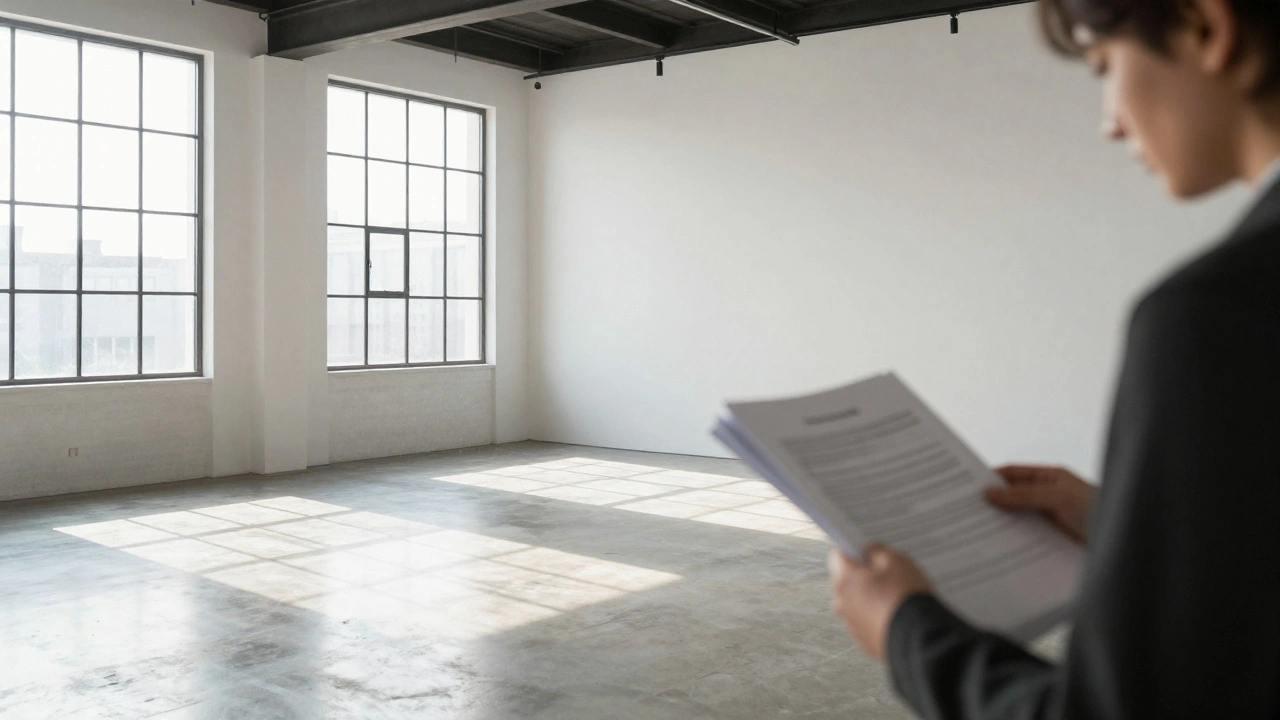
Walking into a potential new gallery space feels like standing in front of a blank canvas. You see the light hitting the floorboards, imagine your latest exhibition hanging on those pristine white walls, and suddenly, you’re staring at a 10-page legal document that could make or break your career. Most artists and curators treat negotiating a gallery lease as a high-stakes conversation where every clause matters only after signing it. That’s when the panic sets in.
You don’t need to be a lawyer to protect your interests. You just need to know what levers to pull before you hand over the first month’s rent. This isn’t about being difficult; it’s about ensuring your business survives its first year. Let’s look at how you can secure favorable terms without burning bridges with landlords who control some of the city’s best creative spaces.
The Foundation: Understanding Commercial vs. Residential Leases
Before you even think about negotiating price, you have to understand the battlefield. A residential lease is simple: you pay rent, you keep the place clean, you move out when done. A commercial lease for an art gallery is completely different. It’s a business contract, not a housing agreement. Landlords aren’t regulated by the same tenant-protection laws, which means if you don’t negotiate specific protections, you might end up paying for repairs that should be their responsibility.
In most major cities, gallery leases fall under commercial zoning. This affects everything from insurance requirements to hours of operation. If you’re renting a space in a mixed-use building, you might share walls with retail shops or offices. That proximity brings foot traffic, but it also brings noise complaints and shared maintenance issues. Knowing exactly what type of property you’re leasing helps you identify which clauses are non-negotiable and which ones are open for discussion.
- Zoning Classification: Ensure the space is zoned for commercial art display. Some areas restrict large gatherings or overnight storage of valuable inventory.
- Use Clause: The lease must explicitly allow "art gallery," "exhibition space," and potentially "artist studio" activities.
- Exclusivity: Check if the landlord can lease adjacent spaces to competitors, like another gallery or a framing shop that competes with your services.
Money Matters: Base Rent, CAM, and Hidden Costs
Everyone focuses on the monthly base rent number. It’s the big bold figure at the top of the page. But in commercial real estate, base rent is often just the entry fee. The real cost comes from operating expenses, commonly known as Common Area Maintenance (CAM) charges. These cover cleaning the lobby, landscaping, security, and sometimes even the landlord’s administrative costs.
If you’re leasing a raw industrial loft, you might be on a Net Lease. In this scenario, you pay base rent plus a percentage of the building’s actual operating costs. If the landlord decides to repaint the entire exterior next year, that bill lands on your desk. To secure favorable terms here, you need caps. Ask for a "percentage cap" on annual increases in CAM charges. For example, agree that CAM increases won’t exceed 5% per year regardless of the landlord’s actual spending. This protects you from unexpected spikes in utility rates or maintenance costs.
Another hidden trap is the Triple Net (NNN) lease structure. In these deals, tenants pay for property taxes, insurance, and maintenance directly. While this sounds expensive upfront, it often results in a lower base rent. Do the math carefully. Compare the total projected annual cost of a Gross Lease (where everything is included) versus a NNN Lease. Often, galleries benefit from Gross Leases because they offer predictability. Budgeting for art supplies and marketing is hard enough without guessing what your property tax bill will be.
| Lease Type | Base Rent | Tenant Pays Extra For | Best For |
|---|---|---|---|
| Gross Lease | Higher | Nothing (usually) | Startups needing budget predictability |
| Net Lease (NNN) | Lower | Taxes, Insurance, Maintenance | Established galleries with stable cash flow |
| CAM Included | Medium | Common area costs above a set threshold | Balanced risk sharing |
Time Is Money: Lease Length and Renewal Options
Long-term leases provide stability, but they can also trap you. The art world moves fast. Trends shift, locations change, and your audience grows. Signing a 10-year lease might seem safe, but what if the neighborhood declines? Or what if you outgrow the space? Conversely, short-term leases offer flexibility but come with higher rents and constant turnover stress.
The sweet spot for most emerging galleries is a 3-to-5-year initial term. This gives you enough time to establish a reputation, host regular exhibitions, and build a collector base without locking yourself into a decade-long commitment. More importantly, you need strong renewal options. Negotiate for two 5-year renewal options. This allows you to stay in the space if it’s working, or walk away if it’s not.
Don’t forget the "Rent Escalation" clause. Landlords will want to increase rent during renewals. Instead of leaving it open-ended, agree on a fixed percentage increase (e.g., 3%) or tie it to the Consumer Price Index (CPI). CPI-linked increases are fairer because they reflect actual inflation rather than arbitrary market demands. If the local art scene booms and rents skyrocket, CPI protection keeps your overhead manageable.
Space Customization: Improvements and Alterations
An empty box isn’t a gallery. You need climate control, specialized lighting, secure storage, and perhaps a reception area. Most standard leases prohibit any alterations without written consent. This is where you need to fight for your right to customize. Without proper permissions, you could be fined for installing track lighting or painting walls a non-white color.
Negotiate a "Tenant Improvement Allowance" (TIA). This is money the landlord contributes toward your build-out costs. Even if they don’t give you cash, they should waive certain fees or approve plans quickly. Make sure the lease states that improvements become part of the building upon termination, unless they are removable fixtures. This prevents disputes when you leave. You shouldn’t have to pay to strip out custom shelving if the landlord wants to keep it.
Crucially, address the "Reinstatement" clause. Standard leases require you to return the space to its original condition. For a gallery, this is costly. Negotiate to exclude minor cosmetic changes-like paint colors or small holes from hanging heavy canvases-from reinstatement obligations. Define "original condition" clearly so there’s no ambiguity about what needs to be fixed when you move out.
Insurance and Liability: Protecting the Art
Art is fragile, expensive, and irreplaceable. Your insurance policy needs to cover not just liability (if someone trips over a cable), but also "Fine Art Floater" coverage for the inventory on display. However, the lease dictates who insures what. Typically, the landlord insures the building structure, while you insure your contents and operations.
Watch out for the "Indemnification" clause. This section says you’ll hold the landlord harmless for any accidents. While reasonable for incidents caused by your negligence, it shouldn’t cover structural failures like a leaking roof damaging artwork. Push back on overly broad indemnification. Specify that your liability is limited to damages directly resulting from your actions or those of your employees and visitors.
Also, discuss "Business Interruption" insurance. If the building suffers fire damage and you can’t operate for three months, do you still pay full rent? Negotiate a "Rent Abatement" clause for force majeure events. If the space is unusable due to fire, flood, or natural disaster, rent should pause until the space is habitable again. This isn’t optional-it’s essential for survival.

Exit Strategies: Termination and Subleasing
Life happens. Maybe you get a grant for a larger space in another city. Maybe the neighborhood becomes too noisy for quiet contemplation of abstract paintings. You need an exit strategy that doesn’t bankrupt you. Standard leases penalize early termination heavily, often requiring payment of all remaining rent.
Instead, negotiate a "Break Clause." This allows you to terminate the lease after a certain period (e.g., year 3) with 90 days’ notice. You might pay a small fee, but it’s far cheaper than years of wasted rent. Another option is subleasing rights. If you can find another artist or gallery to take over your lease, you should be allowed to do so with landlord approval. Don’t let them withhold approval unreasonably. Add language stating that approval cannot be "unreasonably withheld, conditioned, or delayed."
Finally, consider the "Assignment" clause. If you sell your gallery business, you’ll want to transfer the lease to the new owner. Ensure the lease permits assignment without excessive penalties. This adds value to your business asset, making it easier to sell later if you decide to retire or pivot.
Finding the Right Partner: Landlord Relations
Negotiation isn’t about winning; it’s about finding a sustainable partnership. The best landlords for galleries are those who understand the cultural value of their tenants. They might offer slightly lower rent in exchange for prestige or community engagement. Approach negotiations collaboratively. Explain your vision, your projected foot traffic, and how your presence enhances the building’s reputation.
Do your homework. Talk to other tenants in the building. Ask about maintenance response times, noise levels, and parking availability. Visit the space at different times of day to check lighting and street activity. A great lease means nothing if the location kills your attendance. Remember, you’re not just renting square footage; you’re renting an environment conducive to creativity and commerce.
Secure favorable terms by preparing thoroughly, understanding the financial structures, and advocating for your unique needs as an art professional. Your gallery is more than a business; it’s a platform for expression. Protect it with a lease that supports, rather than stifles, your growth.
What is the average length of a gallery lease?
Most gallery leases range from 3 to 5 years initially. This duration balances stability for establishing a brand with flexibility to adapt to changing market conditions. Longer leases of 10+ years are rare for emerging galleries due to financial risk.
Can I negotiate rent abatement during renovation?
Yes, you should always negotiate rent abatement for both your initial build-out and any major landlord-led renovations that disrupt your operations. This ensures you don’t pay for space you cannot use effectively.
What is a Tenant Improvement Allowance (TIA)?
A TIA is a sum of money provided by the landlord to help cover the cost of customizing the leased space. For galleries, this might include funding for climate control systems, specialized lighting, or security upgrades.
Should I choose a Gross Lease or Net Lease?
Gross Leases are generally better for new galleries because they offer predictable monthly costs. Net Leases have lower base rents but require you to pay variable costs like taxes and insurance, which can fluctuate unexpectedly.
How do I handle insurance for displayed art?
You need a specialized Fine Art Floater policy that covers damage, theft, and transit. Ensure your lease clarifies that the landlord’s insurance only covers the building structure, not your inventory or liability for visitor injuries.