Planning Multi-Museum Days: Smart Itineraries and Energy Tips
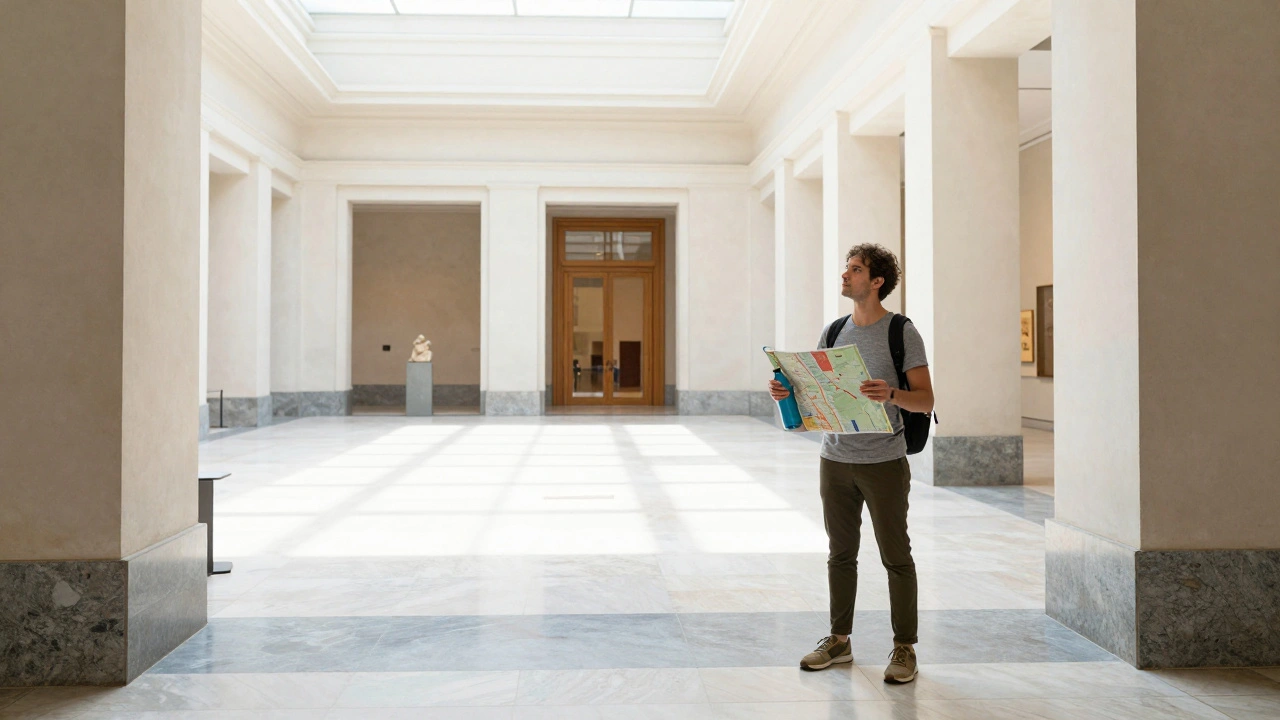
Walking into a second or third museum in a single day sounds like the ultimate cultural hack. You get more value for your ticket price, you see diverse collections, and you feel like a true connoisseur. But let’s be honest: most people who attempt this end up sitting on a bench by 2 PM, staring blankly at a painting they don’t remember seeing. This phenomenon is real, it has a name-museum fatigue-and it can ruin an otherwise perfect day out.
I’ve spent years testing different approaches to visiting multiple institutions in cities like New York, London, and my home base of Portland. The secret isn’t just endurance; it’s strategy. If you want to visit three museums in one day without burning out, you need to treat it like a logistical operation, not just a casual stroll. Here is how you plan a multi-museum day that leaves you inspired, not exhausted.
The Anatomy of Museum Fatigue
Before we look at itineraries, we have to understand why you get tired. Museum fatigue is a combination of physical exhaustion, cognitive overload, and sensory deprivation. You are walking miles on hard floors, processing complex historical narratives, and often dealing with poor lighting or cramped spaces. Studies in environmental psychology suggest that decision-making fatigue sets in after about two hours of continuous high-focus activity.
When you chain multiple venues together, you compound these stressors. The first hour is usually high energy. By hour three, your attention span drops significantly. Hour four is where you start repeating yourself to your travel companion or zoning out completely. Understanding this timeline helps you structure your day around peaks and valleys of energy rather than fighting against biology.
Rule #1: Pick One Anchor Institution
The biggest mistake people make is trying to give equal weight to every stop. Don’t do that. Choose one major institution as your "anchor." This is the place you really want to see-the Metropolitan Museum of Art, the British Museum, or the Louvre. Plan to spend 60% of your time here.
Your other stops should be smaller, niche, or highly specific. Think of them as palate cleansers. For example, if your anchor is a massive history museum, your second stop could be a small contemporary art gallery or a specialized science center. This variety keeps your brain engaged because you’re switching contexts-from broad historical surveys to focused artistic expressions-rather than grinding through the same type of content all day.
The Power of the "Theme" Strategy
Instead of visiting random locations, build your itinerary around a theme. This reduces cognitive load because your brain is already primed for certain types of information. Here are three effective thematic frameworks:
- The Chronological Arc: Visit an ancient history museum in the morning, a medieval castle or archive at lunch, and a modern art museum in the afternoon. This creates a natural narrative flow that feels less like hopping between unrelated boxes.
- The Artist Deep Dive: If you love Impressionism, start at a major collection (like the Musée d'Orsay), move to a dedicated artist house (like Monet’s garden), and finish at a smaller gallery featuring lesser-known contemporaries. This depth feels rewarding rather than scattered.
- The Neighborhood Cluster: Group museums that are within walking distance of each other. In Paris, the Left Bank offers a dense cluster of institutions. In New York, Upper West Side has several options close together. Minimizing transit time preserves mental energy for the exhibits themselves.
Timing Your Visits Like a Pro
Timing is everything. Most museums open between 9 AM and 10 AM. The smartest move? Start early. Arrive right when doors open. You’ll beat the crowds, which means less waiting in lines and more space to breathe. Early mornings also tend to be quieter, allowing for deeper engagement with the exhibits before the noise level rises.
Avoid the midday slump between 12 PM and 2 PM if possible. This is when foot traffic peaks and energy levels dip across the board. Instead, use this window for a proper meal away from the museum district. Find a quiet café or park nearby. Let your eyes rest. This break is crucial for resetting your focus for the afternoon session.

Nutrition and Hydration: The Fuel Factor
You wouldn’t run a marathon on empty, so don’t tour museums either. Low blood sugar exacerbates fatigue. Pack snacks that provide sustained energy-nuts, fruit, granola bars-rather than sugary treats that cause crashes. Many museums have cafes, but they can be expensive and crowded during peak hours. Bringing your own food saves money and time.
Hydration is equally important. Indoor environments, especially in older buildings with climate control, can be dry. Dehydration leads to headaches and reduced concentration. Carry a reusable water bottle. Fill it up at public fountains or museum stations. Even mild dehydration can make you feel sluggish and irritable, turning a pleasant visit into a chore.
Movement and Comfort Strategies
Your feet will thank you for the right shoes. Leave the fashionable heels or stiff new boots at home. Wear broken-in sneakers or supportive walking shoes. Consider bringing gel inserts if you know you’ll be doing over five miles of walking. Some travelers even pack compression socks to improve circulation during long days on their feet.
Use benches strategically. Every museum has seating areas. Don’t wait until you’re collapsing. Take a five-minute sit every hour. Look at nothing. Breathe. This micro-rest prevents cumulative fatigue. Also, pace yourself. You don’t need to see every room. Skim the highlights, then dive deep into what interests you. Quality over quantity always wins.
Technology as a Tool, Not a Distraction
Download museum apps beforehand. They often offer audio guides, maps, and curated tours that save you time wandering aimlessly. Use them to prioritize must-see pieces. However, limit social media posting. Constantly stopping to take photos breaks your immersion and adds unnecessary steps to your path. Take photos only of truly special items, then put the phone away.
If you’re traveling with others, agree on a signal for "I need a break." Sometimes one person wants to linger while another is ready to move on. A simple hand gesture or code word avoids awkward negotiations and keeps the group moving smoothly.
| Time | Activity | Focus Area | Energy Level |
|---|---|---|---|
| 9:00 AM | Arrive at Anchor Museum | Major Collection Highlights | High |
| 11:30 AM | Transition to Second Venue | Thematic Connection | Medium |
| 12:30 PM | Lunch Break | Rest & Refuel | Low (Recovery) |
| 2:00 PM | Visit Third Smaller Venue | Niche Interest | Medium |
| 4:00 PM | Café or Park Relaxation | Reflection | Low |
Handling Crowds and Logistics
Crowds drain energy faster than walking does. Check reservation requirements online. Many popular museums now require timed entry tickets. Book these weeks in advance if possible. Avoid weekends and holidays if you can. Tuesday and Wednesday mornings are typically the least busy times in major cities.
Plan your route geographically. Don’t zigzag across town. Use public transport or walkable routes to minimize transit stress. Have backup plans for bad weather. If rain forces you indoors, know which indoor alternatives are nearby. Flexibility reduces anxiety, which in turn conserves mental energy.
When to Say No
Here’s the hard truth: sometimes two museums is enough. Pushing for three or four can lead to diminishing returns. You might miss the point entirely. Listen to your body. If you’re feeling overwhelmed, skip the last stop. Enjoy a nice dinner instead. The goal is enrichment, not completion. A memorable experience beats a checklist every time.
Also, consider splitting your visits. If you’re staying in a city for several days, spread out the museums. Do two one-day visits instead of one marathon day. This approach allows for deeper reflection and better retention of what you’ve seen. It’s not about how many you tick off; it’s about how much you absorb.
Final Thoughts on Cultural Exploration
Visiting multiple museums in a day is absolutely doable with the right preparation. It requires treating your energy as a finite resource and managing it carefully. By choosing an anchor institution, following a theme, timing your visits wisely, and prioritizing comfort, you can create a rich, fulfilling cultural experience without burning out.
Remember, the best museum day isn’t the longest one-it’s the one that leaves you excited to learn more. Plan smart, move gently, and enjoy the journey.
How many museums can realistically visit in one day?
Most people can comfortably visit two to three museums in a single day. Beyond that, the risk of museum fatigue increases significantly. It depends on the size of the institutions and your personal stamina. Smaller, focused galleries allow for more visits than large encyclopedic museums.
What causes museum fatigue?
Museum fatigue results from a mix of physical exertion (walking), cognitive overload (processing information), and sensory issues (lighting, noise). Decision fatigue also plays a role as you constantly choose what to look at next. It typically sets in after two to three hours of continuous engagement.
Should I book tickets in advance for multiple museums?
Yes, booking in advance is highly recommended. Many major institutions require timed entry reservations. This saves time waiting in lines and ensures you can enter at your preferred time. It also helps you lock in your schedule, making it easier to plan transitions between venues.
What is the best time of day to visit museums?
Early morning, right when museums open, is ideal. You’ll encounter fewer crowds, quieter spaces, and fresher energy levels. Midday (12 PM - 2 PM) tends to be the busiest and most draining. Late afternoons can also be good if you prefer a slower pace and don’t mind closing times.
Can children handle a multi-museum day?
Children have shorter attention spans and lower tolerance for standing still. Limit visits to one major museum and one interactive or hands-on venue per day. Include frequent breaks, snacks, and outdoor activities. Focus on engagement rather than coverage. Forcing too much will backfire quickly.
Is it better to visit museums on weekdays or weekends?
Weekdays, particularly Tuesdays and Wednesdays, are generally less crowded. Weekends attract local tourists and families, leading to larger groups and longer waits. If you must visit on a weekend, go early in the morning or late in the afternoon to avoid peak hours.
What should I wear for a multi-museum day?
Wear comfortable, supportive walking shoes. Dress in layers since indoor temperatures vary. Avoid heavy backpacks; opt for crossbody bags or small purses to reduce shoulder strain. Comfortable clothing allows you to focus on the exhibits rather than adjusting your outfit.
How do I stay hydrated during museum visits?
Carry a refillable water bottle. Most museums have water fountains or stations. Drink regularly, even if you don’t feel thirsty. Dehydration worsens fatigue and headaches. Avoid excessive caffeine or sugary drinks, which can cause energy spikes and crashes.