How to Build a Winning Portfolio Pitch Sheet for Art Licensing
You have ten minutes. Maybe less. A buyer from a major home goods brand sits across from you, coffee in hand, scrolling through their phone. They aren’t looking for your life story. They aren’t interested in how long it took you to learn watercolor techniques. They want to know one thing: can this artwork sell on our shelves?
This is the reality of art licensing. It’s not an art show; it’s a business transaction wrapped in creativity. Your portfolio pitch sheet is the bridge between your studio and their store racks. If that bridge is shaky, you won’t get the meeting. If it’s cluttered, you’ll lose interest before the first question is asked. Getting this right changes everything.
The Anatomy of a Killer Pitch Sheet
A pitch sheet isn’t just a pretty collage. It’s a strategic document designed to trigger a specific reaction: "I need to see more of this." In the industry, we often call this a "teaser" or a "lookbook page." Whether you’re presenting digitally via PDF or printing physical boards, the structure remains consistent. You need to guide the buyer’s eye without overwhelming them.
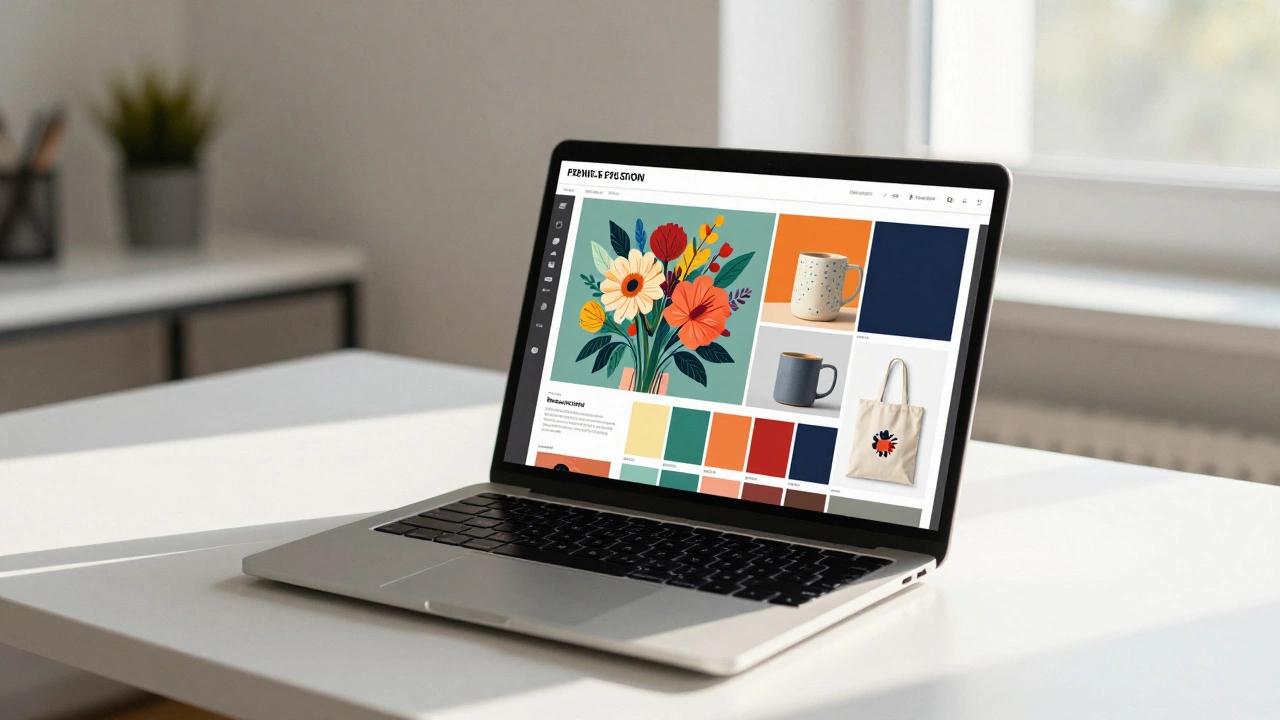
Start with the hero image. This should be your strongest, most versatile piece of art. Place it prominently, usually taking up 40-50% of the space. Surround it with smaller variations-colorways, patterns, or cropped details. Buyers think in collections, not single pieces. Showing them how one core idea can expand into a family of products proves you understand commercial viability.
Don’t forget the context. Show your art applied to real products. Mockups are essential here. A flat illustration looks nice, but seeing that same illustration wrapped around a ceramic mug or printed on a cotton tote bag helps the buyer visualize the end result. Use high-quality mockups that reflect current market trends. If you’re pitching to a modern furniture brand, avoid rustic, shabby-chic mockups. Match the aesthetic to the target client.
Curating for Commercial Appeal
Many artists make the mistake of including every beautiful thing they’ve ever created. This is dangerous. A licensing buyer has a specific problem to solve. They need fresh designs for their spring catalog, or they need to refresh their stationery line. Your job is to present solutions, not just art.
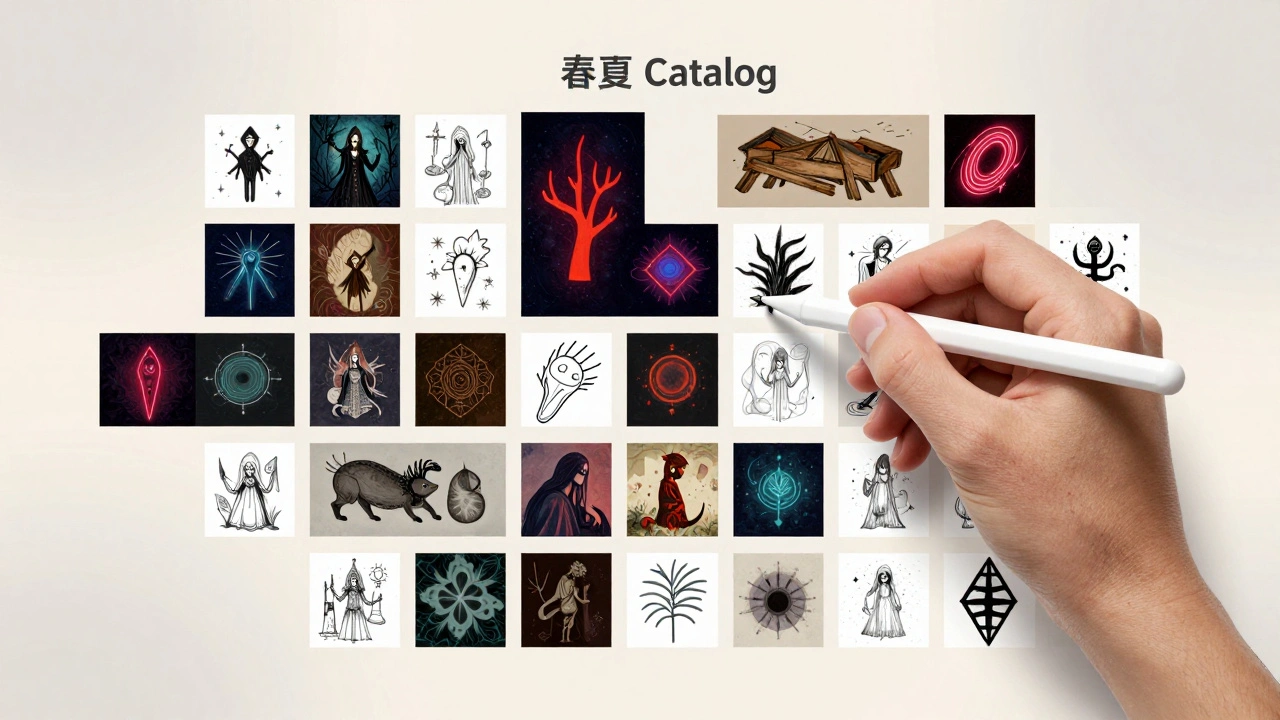
Before you create your pitch sheet, research the buyer. Look at their existing product lines. What colors do they use? What themes dominate their shelves? Are they leaning towards minimalist botanicals or bold, abstract geometric shapes? Tailor your selection accordingly. If you’re known for dark, moody gothic art, don’t pitch that to a children’s book publisher unless you have a completely different, bright portfolio ready.
Versatility is key. Include work that works across multiple categories. A floral pattern might work on bedding, wallpaper, and wrapping paper. Highlighting this cross-category potential makes your art more valuable. Buyers love efficiency. If they can license one collection and apply it to ten different SKUs (Stock Keeping Units), you become a low-risk, high-reward partner.
Technical Specs That Matter
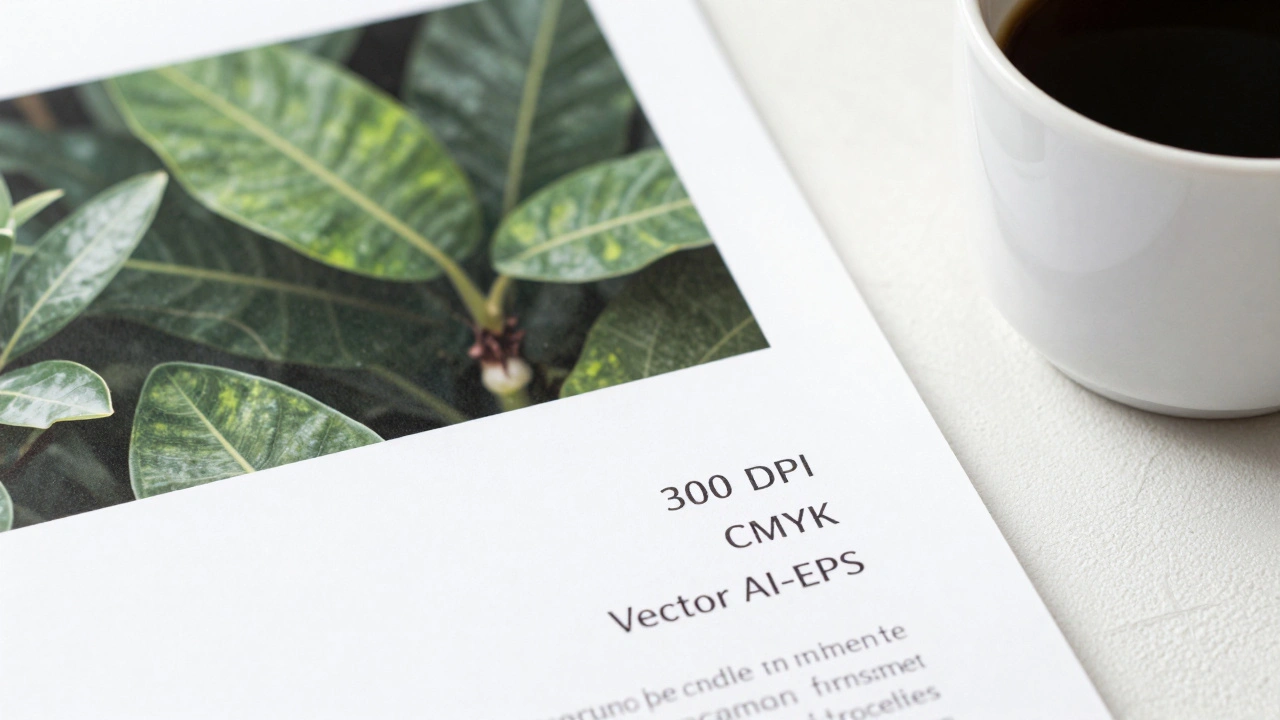
Creativity gets you in the door; technical competence keeps you there. Buyers need to know that your files are production-ready. Vague statements like "high resolution" mean nothing. Be specific. List your file formats (AI, EPS, TIFF, PSD) and resolutions (300 DPI minimum). Mention if your files are vector-based or raster. Vector files are preferred for logos and scalable graphics because they don’t lose quality when resized.
Include color specifications. Do you work in Pantone Matching System (PMS) colors? CMYK for print? RGB for digital? Stating this upfront saves hours of back-and-forth emails later. If you specialize in sustainable textiles, mention your experience with eco-friendly dyes or GOTS-certified fabrics. These details signal professionalism and reduce the buyer’s perceived risk.
Also, clarify your rights management. Are you offering exclusive or non-exclusive licenses? Can they use your art globally or only in North America? While the final terms will be negotiated in the contract, hinting at your flexibility or standard terms in the pitch sheet can preempt objections. For example, noting "Available for non-exclusive global licensing" is a strong selling point for mid-tier brands who can’t afford exclusivity fees.
The Narrative Hook
Data and specs are dry. People buy stories. Your pitch sheet needs a brief narrative thread. This doesn’t mean a biography. It means a theme. Are you exploring "Urban Nature"? "Retro Futurism"? "Mindful Minimalism"? Give your collection a name and a short blurb (2-3 sentences max) that explains the inspiration and the target audience.
For instance, instead of saying "These are drawings of cats," say "'Whisker Wisdom' explores the calming presence of companion animals in modern urban living spaces, targeting young professionals seeking comfort in small apartments." This frames your art as a solution to a lifestyle trend, making it easier for the buyer to justify the purchase to their marketing team.
Keep the tone aligned with the brand. If you’re pitching to a luxury hotel chain, your language should be sophisticated and understated. If you’re pitching to a trendy sneaker company, keep it punchy and energetic. The words you choose set the emotional stage for the visuals.
Common Pitfalls to Avoid
I’ve seen too many talented artists sabotage their own deals with simple formatting errors. Here are the biggest mistakes:
- Overcrowding: White space is your friend. Cluttered sheets look amateurish and make it hard to focus on the best pieces.
- Poor Image Quality: Pixelated images scream "unprofessional." Ensure every image is crisp and clear.
- Ignoring Brand Guidelines: Sending a neon-green pitch sheet to a brand that uses muted earth tones shows a lack of research.
- Hiding Contact Info: Make sure your email, website, and Instagram handle are visible but subtle. Don’t let the contact info distract from the art.
- Using Watermarks: Light watermarks are acceptable for online galleries, but remove them for direct pitches. Buyers need to see the clean version to evaluate it properly. Trust the NDA process if necessary.
Another critical error is sending attachments that are too large. Email servers often block files over 10MB. Compress your PDF wisely. Use tools like Adobe Acrobat’s "Reduce File Size" feature or online compressors that maintain quality while shrinking the file. Alternatively, provide a link to a private, password-protected folder if the file is exceptionally large.
Structuring Your Follow-Up
Sending the pitch is only half the battle. The follow-up determines whether you stay top-of-mind. Timing matters. If you send a pitch on Monday, wait until Thursday or Friday to follow up. Give them time to review it internally.
Your follow-up email should be brief. Reference a specific piece from the pitch sheet to jog their memory. Ask a open-ended question about their upcoming seasonal plans. For example: "Hi [Name], I shared the 'Coastal Breeze' collection last week. I noticed your recent launch focused on oceanic themes. Would any of the teal variations align with your Q3 roadmap?" This shows you’re engaged and thinking strategically about their needs, not just waiting for a paycheck.
If you don’t hear back after two follow-ups, move on. Don’t spam. Update your records and try again in six months with new work. Persistence is good; desperation is not.
| Element | Requirement | Why It Matters |
|---|---|---|
| Hero Image | High-res, central placement | Grabs immediate attention |
| Variations | 3-5 colorways/patterns | Demonstrates versatility |
| Mockups | Product-specific applications | Visualizes commercial use |
| Tech Specs | File types, DPI, color modes | Reduces production friction |
| Contact Info | Email, website, social | Easy next steps |
Adapting to Different Buyer Types
Not all buyers are the same. A big-box retailer like Target operates differently than a boutique gift shop in Portland. Understanding these differences allows you to tailor your pitch sheet for maximum impact.
For large corporations, speed and scalability are paramount. They need massive volumes of content quickly. Your pitch sheet should emphasize your ability to deliver large quantities of work consistently. Highlight your workflow efficiency and any previous experience with high-volume projects. Keep the design clean and corporate-friendly.
For smaller boutiques, uniqueness and storytelling matter more. They might only need five designs, but they want something special that no one else has. Your pitch sheet can be more artistic and experimental. Focus on the craftsmanship and the unique narrative behind each piece. Hand-drawn elements and personal anecdotes work well here.
Digital-only brands require a different approach. Since their products are virtual or printed on demand, they care deeply about file compatibility and ease of integration. Emphasize your technical proficiency with digital assets. Show how your art looks on mobile screens and web interfaces.
How many pages should my art licensing pitch sheet be?
Ideally, one to three pages. One page is perfect for a quick teaser email. Three pages allow you to showcase a cohesive collection with variations and mockups. Never exceed five pages unless specifically requested by the buyer. Attention spans are short, and conciseness signals respect for their time.
Should I include prices in my pitch sheet?
No. Pricing is negotiable and depends on many factors like exclusivity, territory, duration, and medium. Including prices upfront can limit your earning potential or scare off buyers who expect different rates. Wait until they express serious interest, then provide a rate card or discuss custom pricing based on their specific needs.
What is the best file format for sending a pitch sheet?
PDF is the industry standard. It preserves fonts, layout, and image quality across all devices. Ensure the PDF is optimized for web viewing (under 10MB) to prevent email rejection. Avoid sending editable files like Word documents or Photoshop layers, as these can appear messy and unprofessional.
Do I need a model release for my artwork?
If your artwork features recognizable people, yes. Buyers cannot use likenesses for commercial purposes without proper releases. If you paint from photos, ensure you have the rights to use those photos commercially. Abstract art or landscapes generally do not require model releases, but always clarify with your legal counsel if unsure.
How do I protect my art from theft during the pitch process?
Use light watermarks for initial online submissions, though many buyers prefer clean versions. Sign a Non-Disclosure Agreement (NDA) if sharing highly sensitive concepts. Register your copyrights with the appropriate government agency before pitching. Most reputable buyers operate with integrity, but having legal protection gives you peace of mind.