Archive: 2026/01 - Page 2
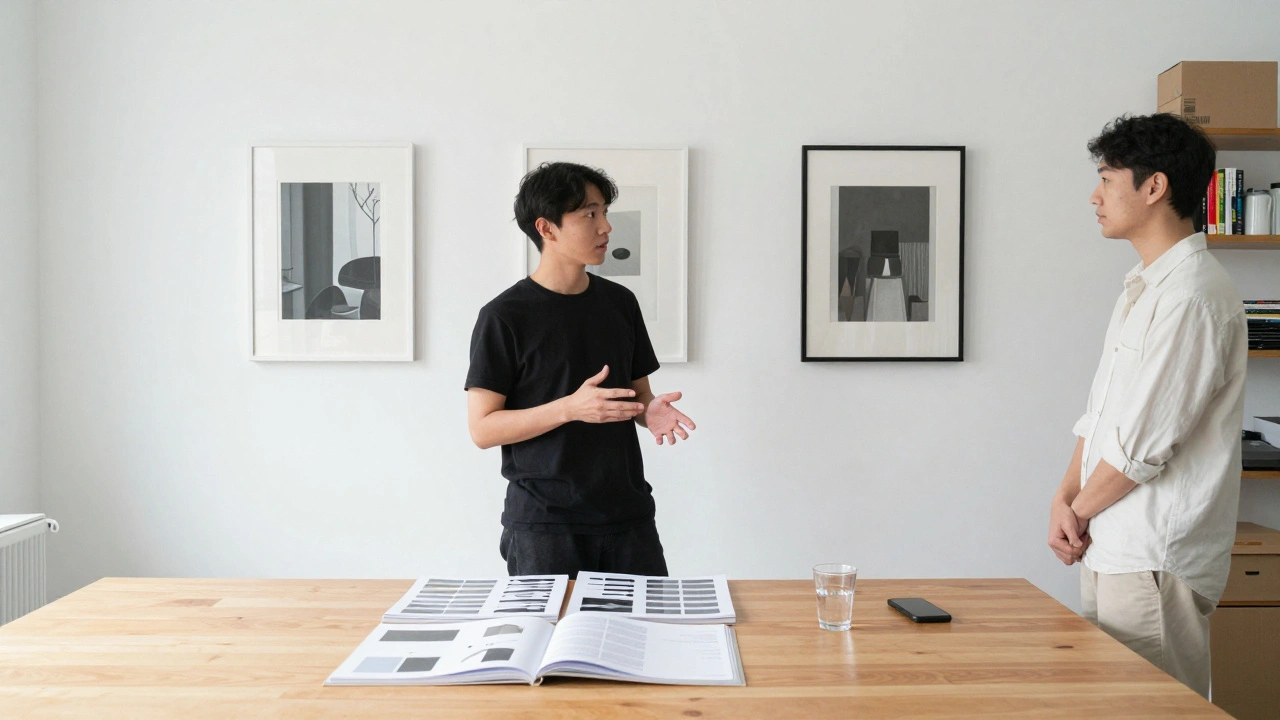
Curator and Gallerist Etiquette: How to Handle Studio Visits and Emails for Art Representation
Learn how to approach curators and gallerists with professionalism-through studio visits and emails that actually get noticed. No fluff, just clear, actionable etiquette that helps artists get representation.

When to Hire Art Authentication Experts and Appraisers
Know exactly when to hire art authentication experts and appraisers to protect your investment, avoid fraud, and ensure proper value. From inheritance to auction sales, expert verification is essential.
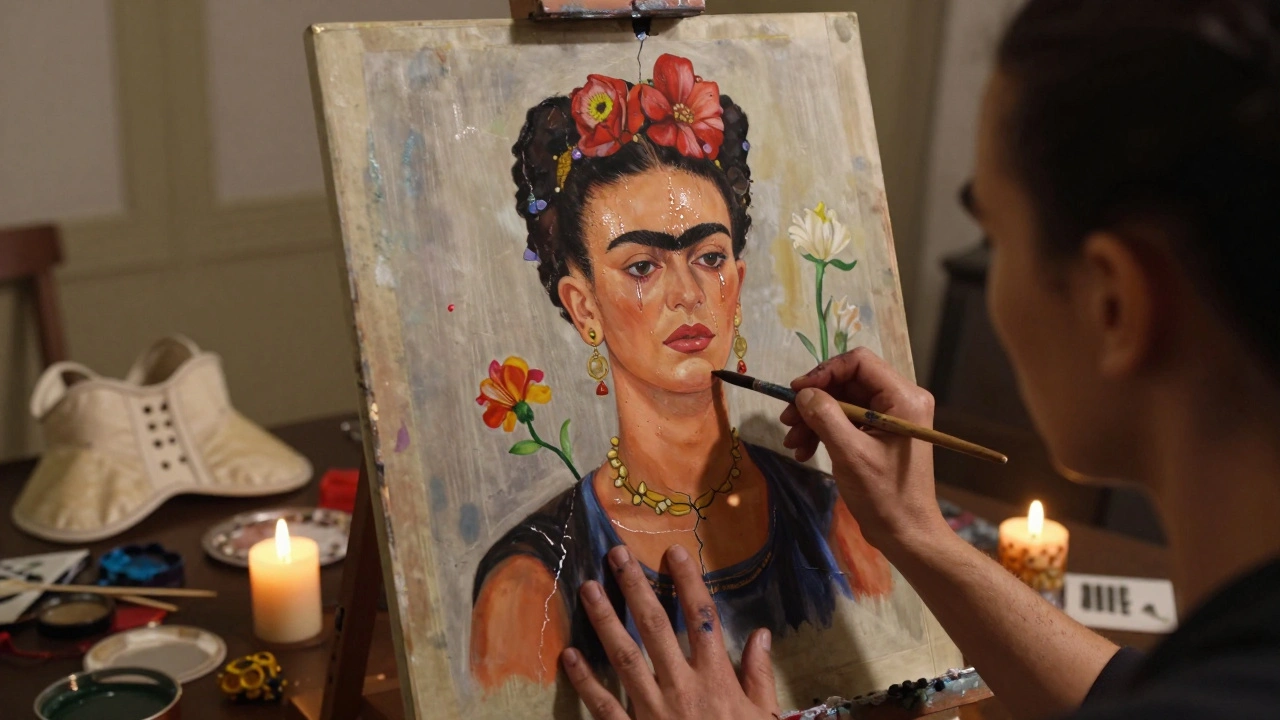
Interpreting Artist Intent: What Artists Really Aim to Convey
Artist intent isn't about hidden meanings-it's about what the creator lived, felt, and fought to express. Learn how to read art beyond surface reactions and connect with the real purpose behind the work.
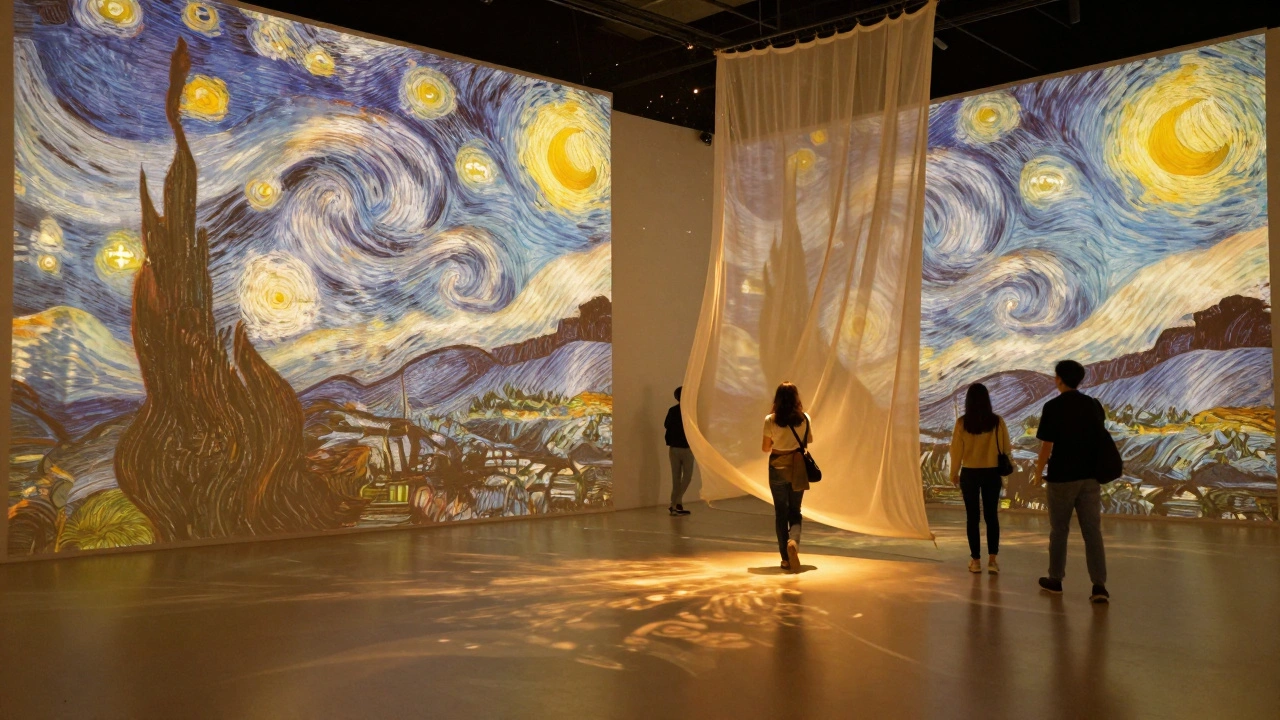
Virtual Exhibition Design: How to Translate Physical Shows Online
Learn how to transform physical art exhibitions into engaging online experiences using storytelling, sound, interactivity, and real user data - without needing a huge budget or VR gear.
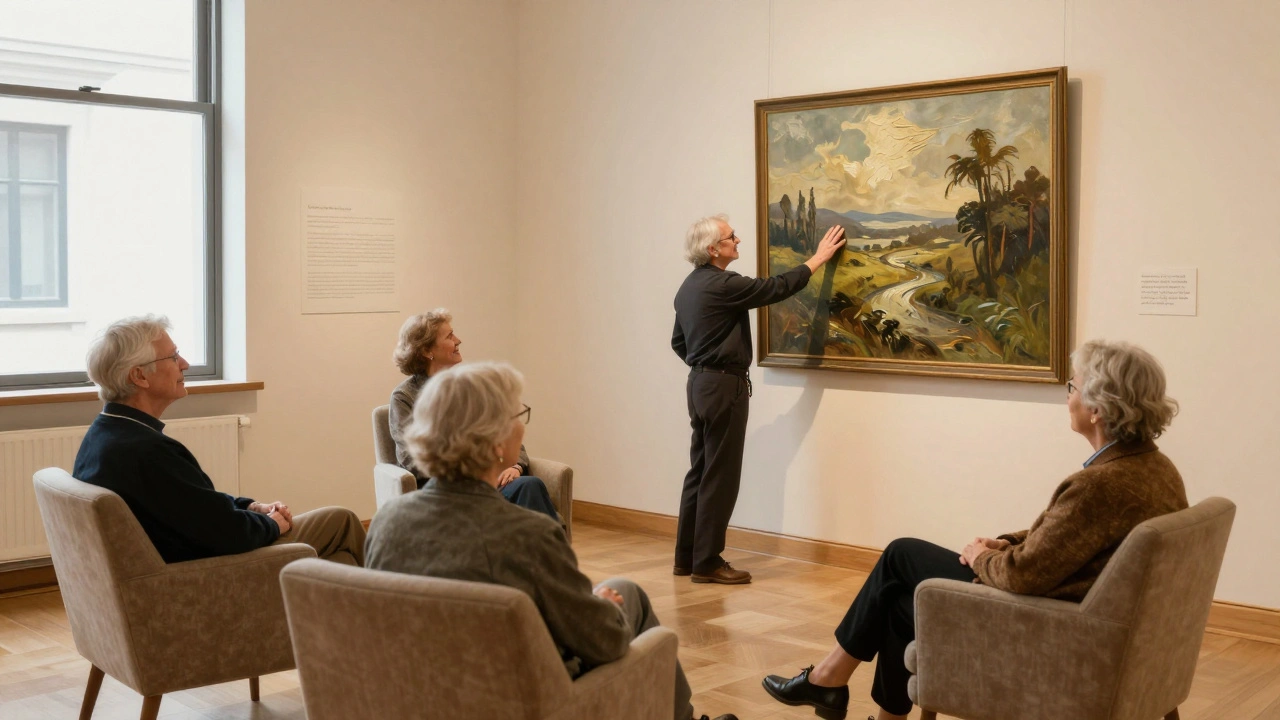
Senior Programs in Galleries: Age-Appropriate Activities for Older Adults
Senior programs in galleries offer age-appropriate, meaningful art experiences that reduce isolation and improve memory in older adults. From tactile art sessions to memory storytelling, these programs are designed for comfort, connection, and dignity.
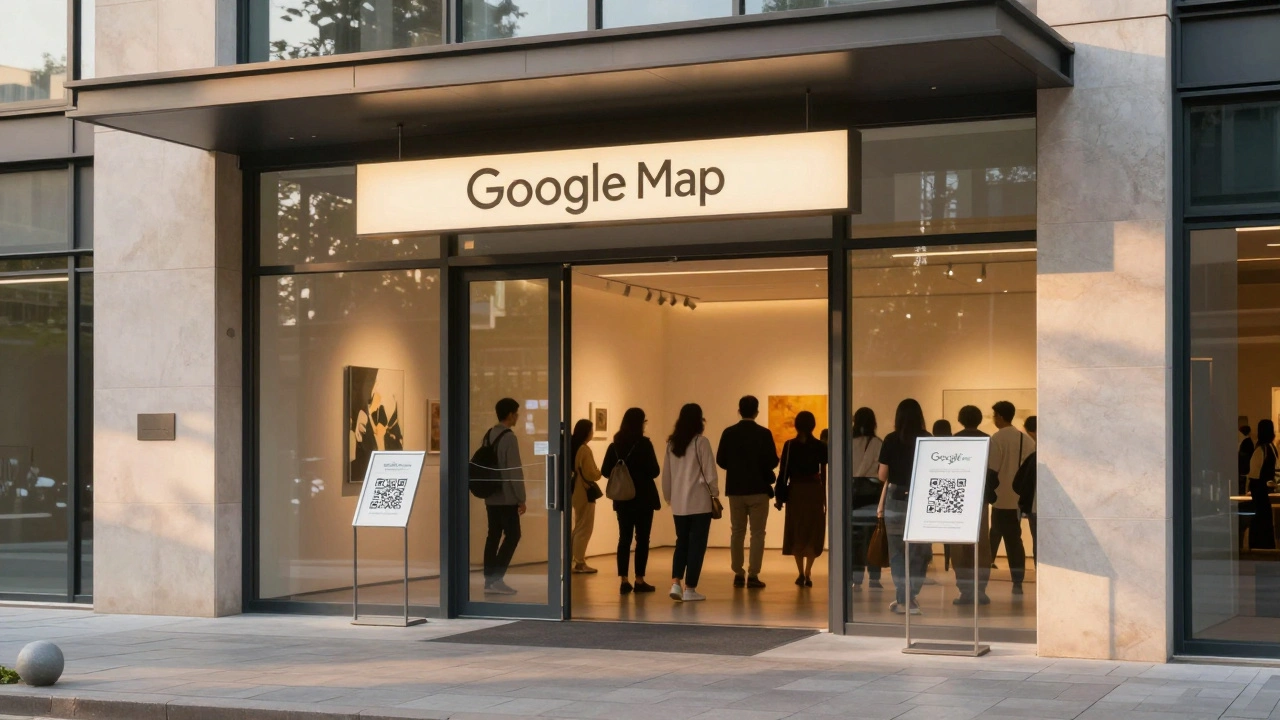
Google Maps Optimization for Art Galleries: Rank in Local Pack
Learn how to rank your art gallery in Google's Local Pack with proven steps: claim your Google Business Profile, optimize photos and description, get reviews, and avoid common mistakes that keep galleries invisible.
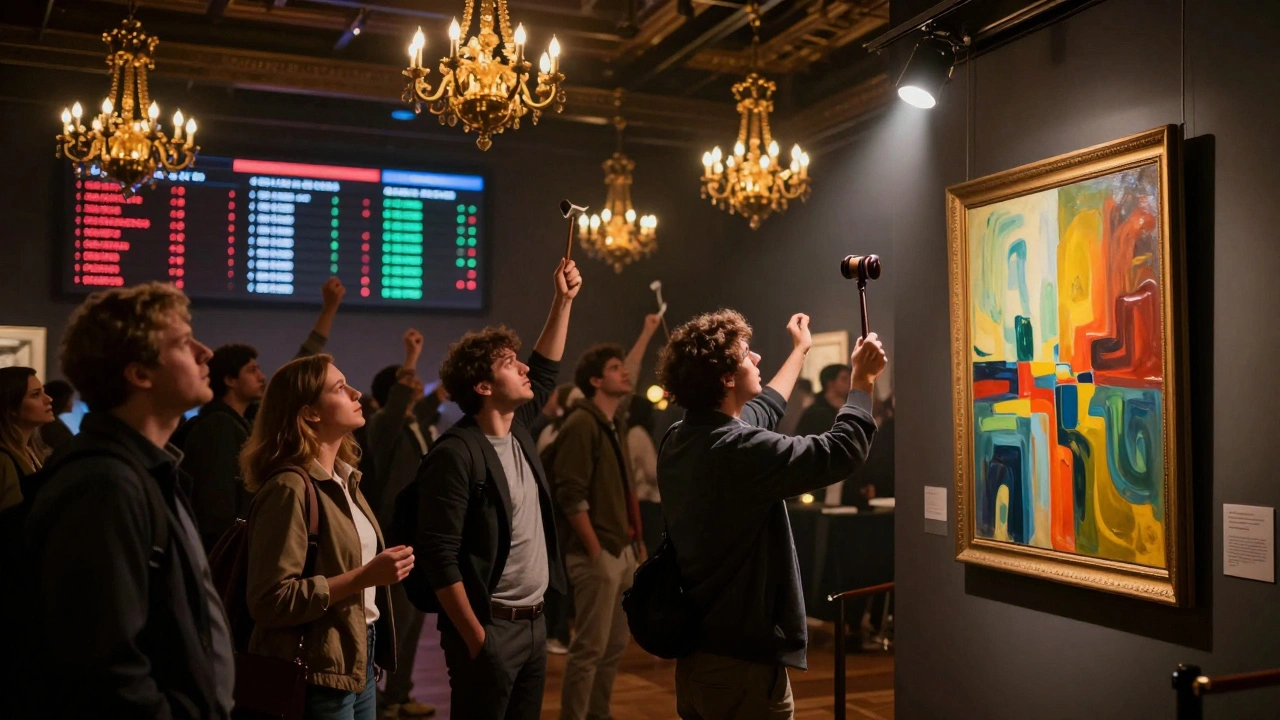
Auction Market vs Gallery Market: How They Really Compare
Auction markets and gallery markets operate in completely different ways when it comes to buying and selling art. One is fast and public, the other slow and personal. Understanding how each works helps you collect smarter.
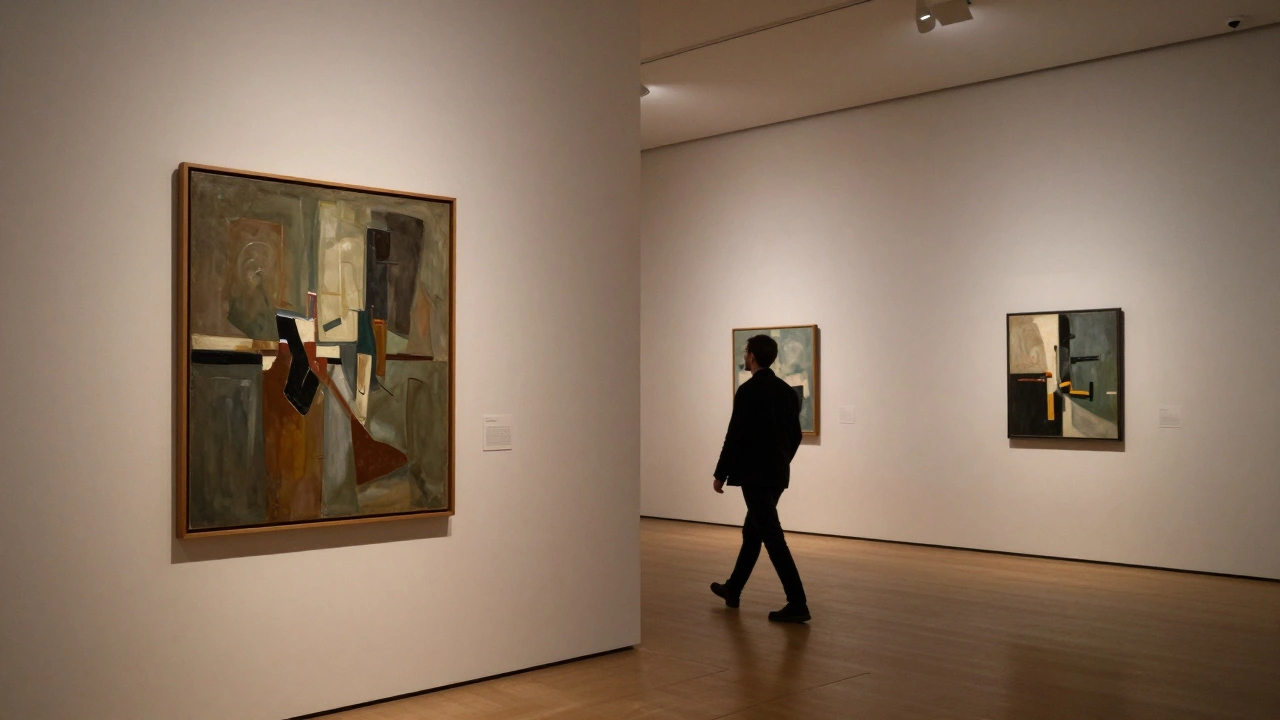
Curved Walls and Sightlines: Advanced Gallery Spatial Tactics for Immersive Exhibitions
Curved walls and smart sightlines transform gallery visits from passive viewing into emotional journeys. Learn how top museums use spatial design to deepen engagement, improve memory, and boost visitor retention.
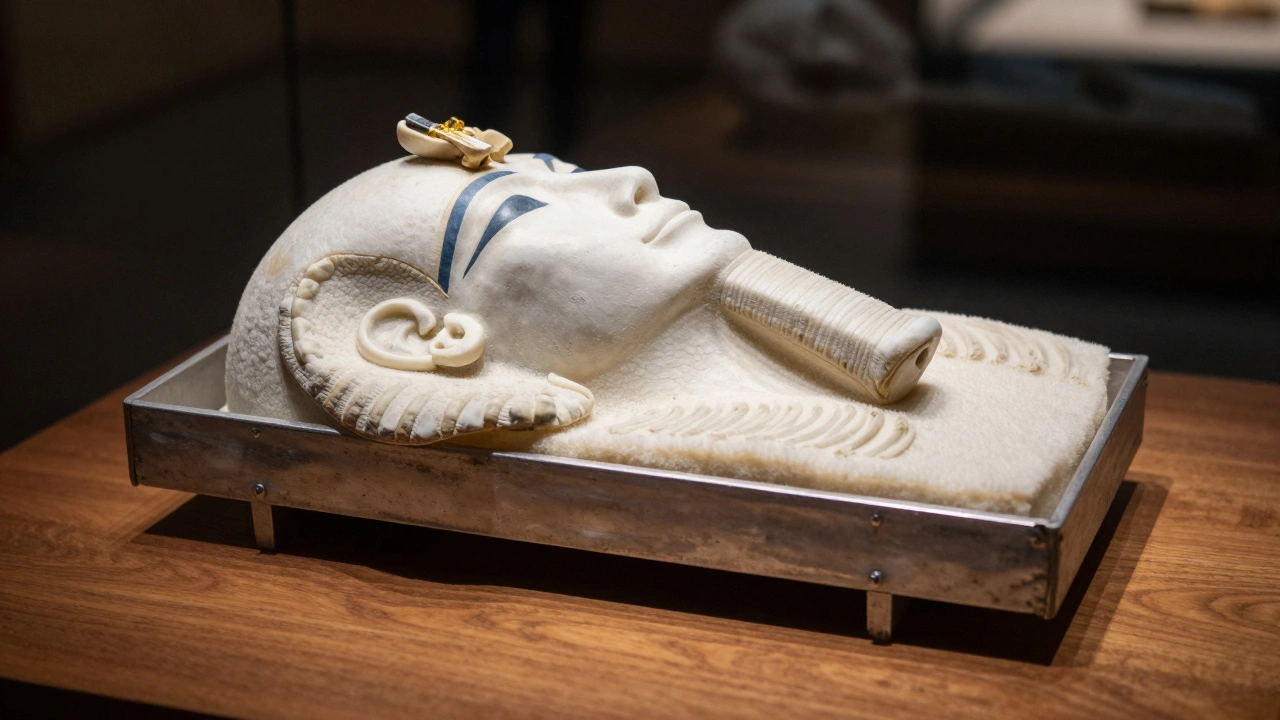
Mountmaking for Exhibitions: Safe Display Hardware for Curators
Mountmaking for exhibitions uses custom, conservation-grade hardware to safely display fragile artifacts. Learn the materials, methods, and mistakes to avoid when creating display mounts for museums and private collections.

Biennials and Triennials: Showcases of Contemporary Art Practice
Biennials and triennials are the most dynamic platforms for contemporary art, showcasing urgent, experimental, and globally relevant work that museums often avoid. These events shape trends, launch careers, and turn art into public conversation.

Kill Fees and Cancellations in Licensing Deals: What You Need to Know
Kill fees in licensing deals ensure creators are paid when projects are canceled after work begins. Learn how they work, who pays, and how to negotiate fair terms to protect your time and reputation.
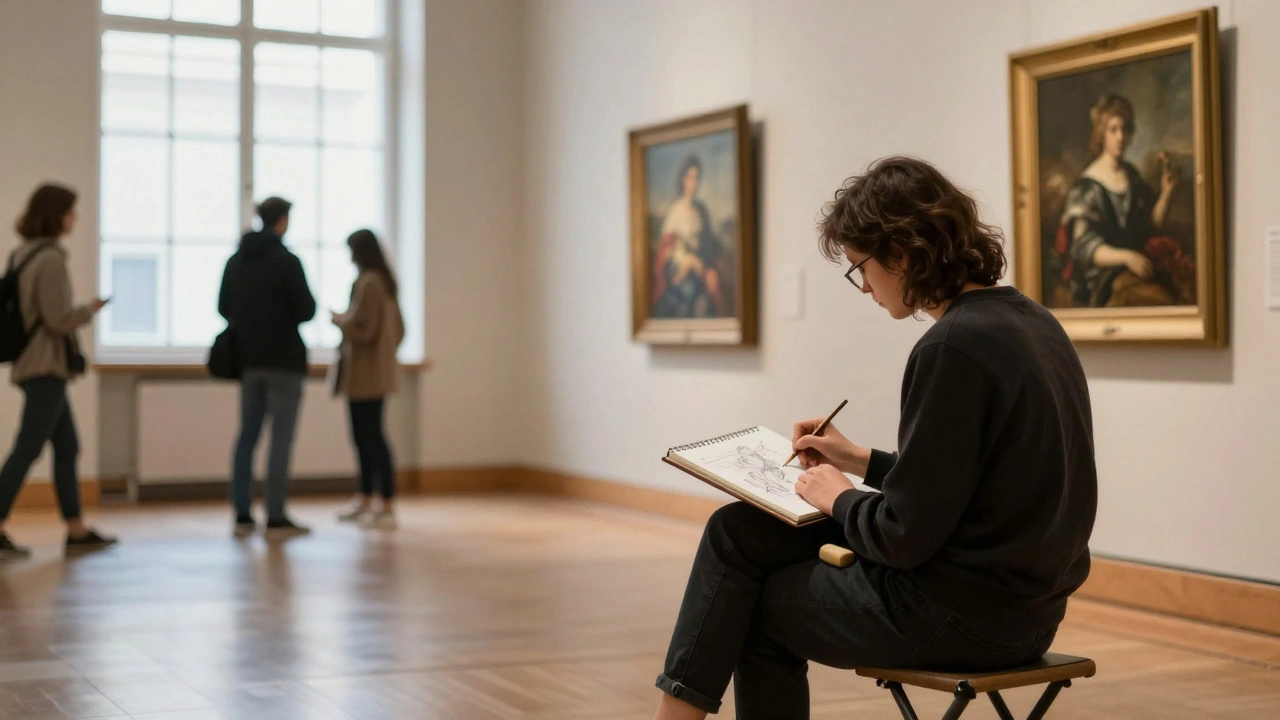
Sketching in Museums: What You Need to Know About Etiquette and Supplies
Learn the unwritten rules of sketching in museums-what supplies to bring, where to sit, and which artworks you can draw. Avoid common mistakes and sketch with confidence.