Biennials and Triennials: Showcases of Contemporary Art Practice
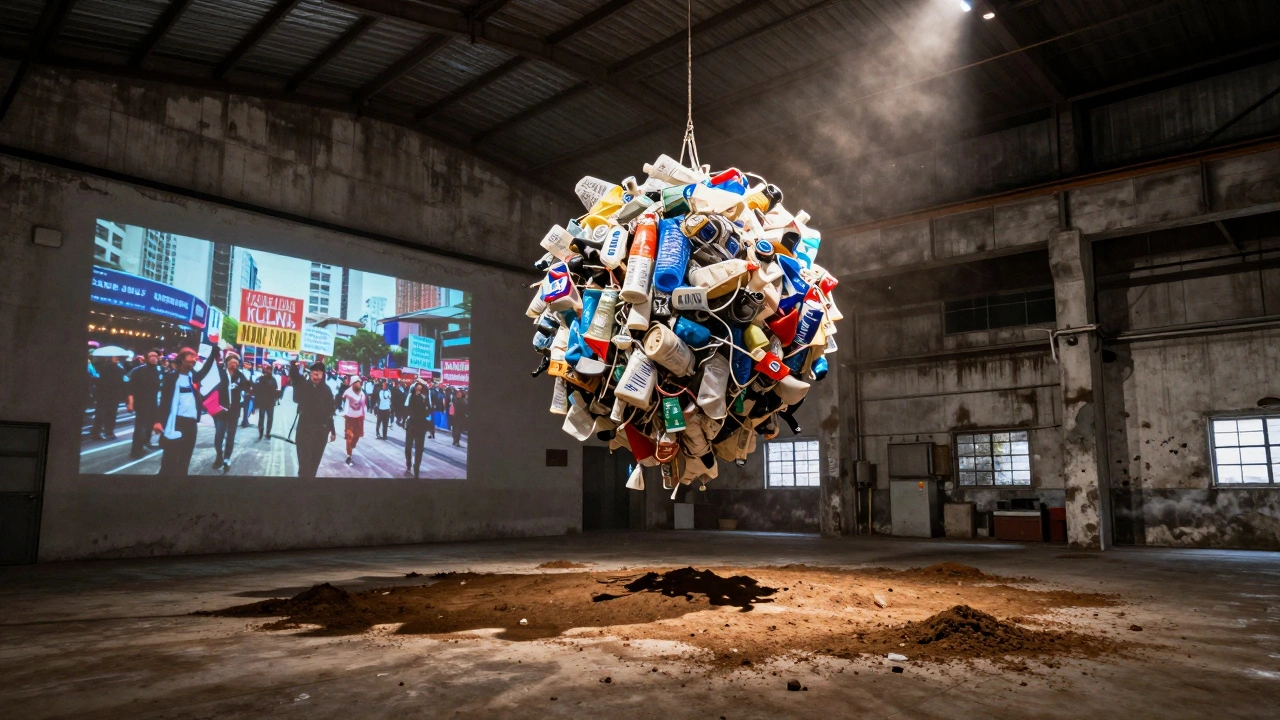
When you walk into a massive warehouse-turned-gallery in Venice, or a repurposed factory in São Paulo, and see a 12-meter sculpture made of recycled plastic, a video installation looping footage of protests in Hong Kong, and a room filled with soil from 30 different war zones - you’re not just looking at art. You’re stepping into a biennial.
Biennials and triennials aren’t just art shows. They’re the pulse of what’s happening right now in global art. While museums collect the past, these events capture the present - messy, urgent, and often uncomfortable. They’re where artists test ideas that galleries won’t risk, where curators challenge national narratives, and where audiences confront issues no one else is talking about.
What Exactly Is a Biennial?
A biennial is an art exhibition that happens every two years. A triennial happens every three. The most famous one, the Venice Biennale, started in 1895. It was meant to be a cultural alternative to world fairs - a place for nations to show off their artistic talent. Today, it’s still the biggest, but it’s no longer the only one.
There are now over 100 biennials and triennials worldwide. From Dakar to Documenta in Kassel, Germany, to the Shanghai Biennial, these events have exploded in number since the 1990s. Why? Because contemporary art stopped being about pretty paintings. It became about ideas - migration, climate collapse, digital surveillance, decolonization. And those ideas need space to breathe.
Unlike a museum show that might take five years to plan, biennials move fast. Curators often have 12 to 18 months. They travel, meet artists in studios, and pull together work that responds to current events. The 2024 São Paulo Biennial, for example, opened just weeks after Brazil’s new government took office. One installation used live data feeds from deforestation satellites to show real-time forest loss.
Why Do These Events Matter More Than Museums?
Museums are stable. They buy, preserve, and display. Biennials are unstable. They’re temporary. They’re meant to be disruptive.
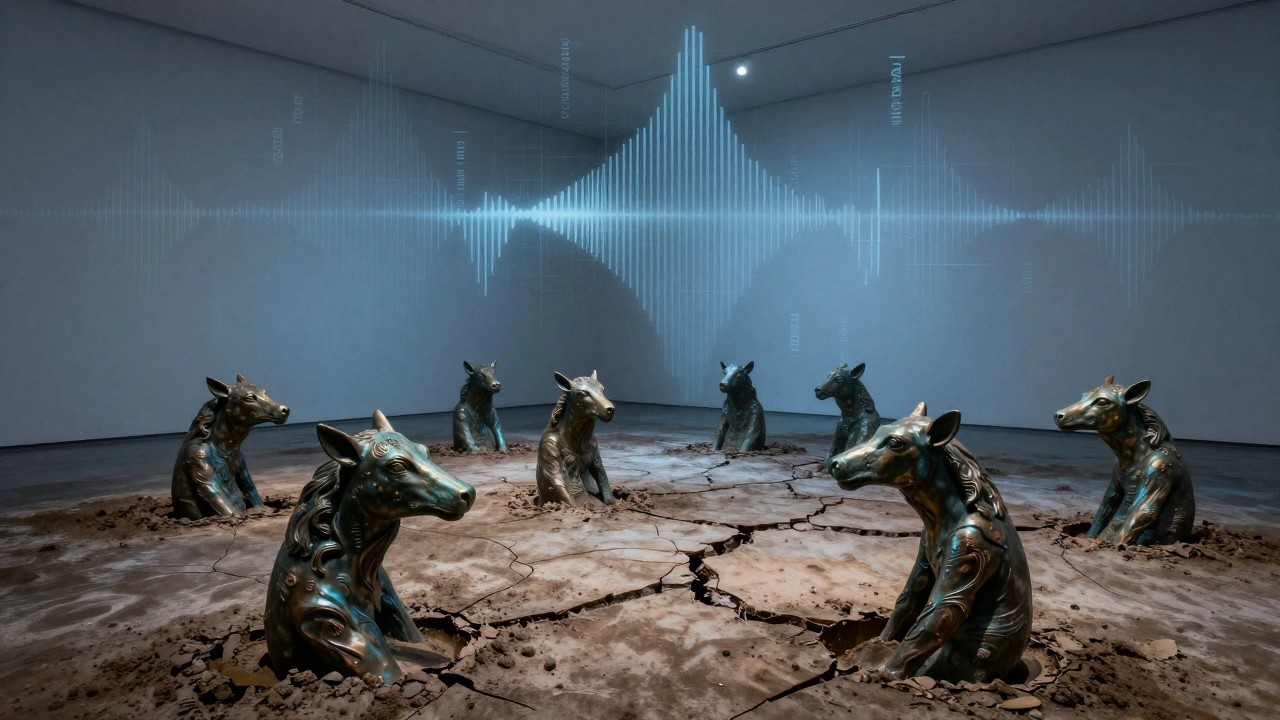
Take the 2022 Venice Biennale. The curator, Cecilia Alemani, didn’t just pick artists. She built a narrative around surrealism, mental health, and the collapse of the human body in the digital age. One piece - a series of bronze figures with animal heads - was made from molds of real people who had been hospitalized for eating disorders. Another was a sound installation using recordings of asylum seekers whispering their names.
These aren’t decorative. They’re diagnostic. They’re asking: What does it mean to be human right now? And who gets to decide?
Museums can’t do this as easily. Their boards, donors, and legal teams demand caution. Biennials? They’re funded by cities, cultural ministries, and private foundations that want to make a statement. That’s why you’ll find artists in biennials who’ve never been in a museum. Or artists who’ve never sold a single piece.
How Do They Shape the Art World?
Being selected for a major biennial can change an artist’s life overnight. It’s not just about exposure. It’s about validation.
Consider the case of artist Hito Steyerl. Before her 2015 Venice Biennale piece - a video essay on drones and surveillance - she was known mostly in academic circles. Afterward, she was represented by a top gallery, her work entered major collections, and she was invited to speak at the UN.
But it’s not just about individual artists. Biennials shape entire art markets. Collectors and institutions use them as trend radar. If a theme shows up in three biennials in a row - say, ecological collapse or AI-generated imagery - galleries start buying it. Auction houses follow. Prices rise. Suddenly, a medium like soil, sound, or performance art becomes valuable.
And then there’s the geography. Biennials used to be Euro-American dominated. Now, Lagos, Jakarta, and Medellín have thriving ones. The 2023 Lagos Biennial featured 80 artists from across West Africa, many of whom had never left their home countries. One artist used local textiles dyed with plant-based pigments to map migration routes across the Sahara. That piece was later acquired by the Tate Modern.
What’s Different About Triennials?
Triennials are less flashy, but often more ambitious. Because they happen every three years, curators have more time. They dig deeper. They build relationships. They create long-term projects.
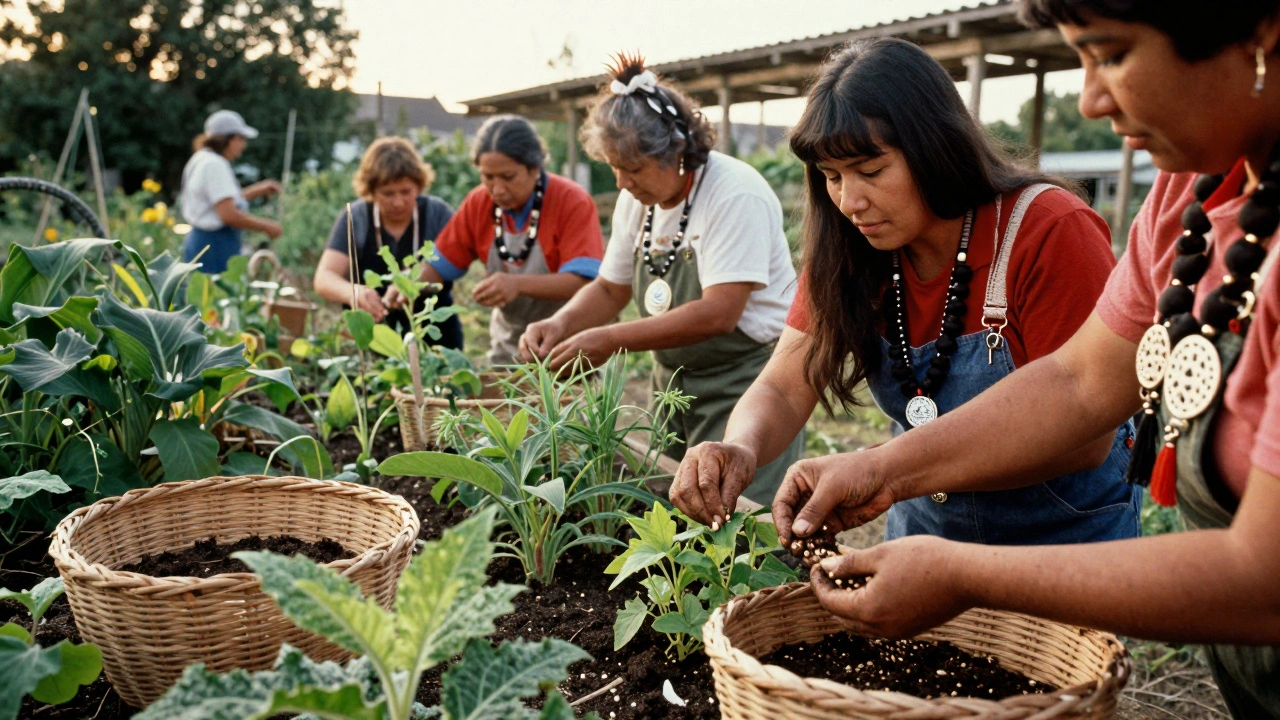
Documenta, held in Kassel, Germany, is the most famous triennial. It’s not just an exhibition - it’s a city-wide intervention. In 2022, Documenta fifteen brought together over 1,500 contributors from 15 countries. One project involved a community garden grown from seeds collected by Indigenous groups from the Amazon, Australia, and the Arctic. The garden was open to the public. Visitors could take home a seed. The idea? To spread not just plants, but knowledge.
Triennials also have room for failure. A biennial might need to wow in six months. A triennial can let a project evolve. In 2017, a triennial in Gwangju, South Korea, started a residency for artists from North Korea. The project didn’t get much press at the time. But three years later, after the artists had returned home, a documentary emerged showing their hidden work - paintings made with charcoal from their kitchens, hidden in shoeboxes. That’s the kind of slow burn biennials rarely allow.
Who Goes to These Things? And Why Should You Care?
It’s not just art lovers. Curators, collectors, academics, journalists, students - they all show up. But so do local communities. Many biennials now partner with schools, prisons, and refugee centers. In 2024, the Sydney Biennial ran workshops in 12 public housing estates. Participants made clay sculptures based on stories of displacement. Those pieces were displayed alongside professional artists’ work.
Why does that matter? Because it breaks the myth that contemporary art is for elites. These events are becoming public forums. They’re where people talk about things they can’t talk about elsewhere. Climate grief. Police violence. Digital addiction. Identity erasure.
And if you’ve ever scrolled through Instagram and wondered why art looks so strange now - that’s because biennials are where it started. A piece you see in a New York gallery in 2026? It was probably tested in a warehouse in Cairo in 2023.
The Future Is Local, Not Global
The biggest shift in the last five years? Biennials are no longer trying to be global. They’re trying to be local - deeply, stubbornly local.
The 2025 Medellín Biennial didn’t invite international artists. It only showed work by artists from Colombia’s rural communities. One piece was a 40-meter tapestry woven by women from the Andes, using threads dyed with insects found only in one valley. The story behind it? How colonial mining destroyed their land - and how weaving became resistance.
This isn’t about exclusion. It’s about depth. When a biennial stops trying to represent the whole world, it starts telling real stories. And those stories stick.
Biennials and triennials aren’t just exhibitions. They’re laboratories. They’re archives of the present. They’re the only places where art still dares to ask: What’s next? And who gets to say?
Are biennials and triennials only for elite art audiences?
No. While they attract collectors and critics, most major biennials now prioritize public access. Many offer free admission, host community workshops, and partner with schools and marginalized groups. Events like the Lagos Biennial and the Medellín Biennial actively involve local residents in creating and shaping the exhibitions. The goal is no longer to impress insiders - it’s to spark public dialogue.
Can artists from developing countries get featured in major biennials?
Absolutely. In fact, recent biennials have made it a priority. The 2024 Dakar Biennale featured over 70% African artists, many from rural areas with no prior gallery representation. The 2023 Sharjah Biennial included artists from Gaza, Yemen, and Papua New Guinea. Curators are actively seeking voices that have been ignored by Western institutions. It’s not tokenism - it’s a shift in power.
How do biennials choose which artists to include?
Curators travel constantly. They visit studios, attend graduate shows, and follow artists on social media. They look for work that responds to urgent themes - climate, migration, technology, trauma. They don’t just pick famous names. Many artists are discovered through grassroots networks, residencies, or local art collectives. A piece that moves a curator might come from a village in Indonesia or a squat in Athens - not a New York gallery.
Do biennials still matter in the age of online art?
More than ever. Online art is easy to consume, but hard to feel. Biennials offer physical, sensory, and emotional experiences you can’t replicate digitally. A room filled with the smell of burning soil, a sculpture you have to walk around in silence, a video that only plays when someone stands still - these are moments that stick. And in a world of digital noise, that physical presence is powerful.
What’s the difference between a biennial and an art fair like Art Basel?
Art Basel is a marketplace. You go to buy. Biennials are research labs. You go to question. Art Basel features galleries selling work - often priced from $10,000 to $1 million. Biennials feature commissioned, experimental, or non-commercial work that might never be sold. One is about value. The other is about meaning.