Auction Market vs Gallery Market: How They Really Compare

When you think about buying art, two names usually come up: auction houses and galleries. But they’re not just two ways to shop-they’re completely different worlds. One moves fast, with hammer strikes and bidding wars. The other moves slow, with quiet conversations and curated walls. If you’re new to collecting, or even if you’ve been at it for years, understanding the difference between the auction market and the gallery market can save you money, time, and a lot of stress.
How the Auction Market Works
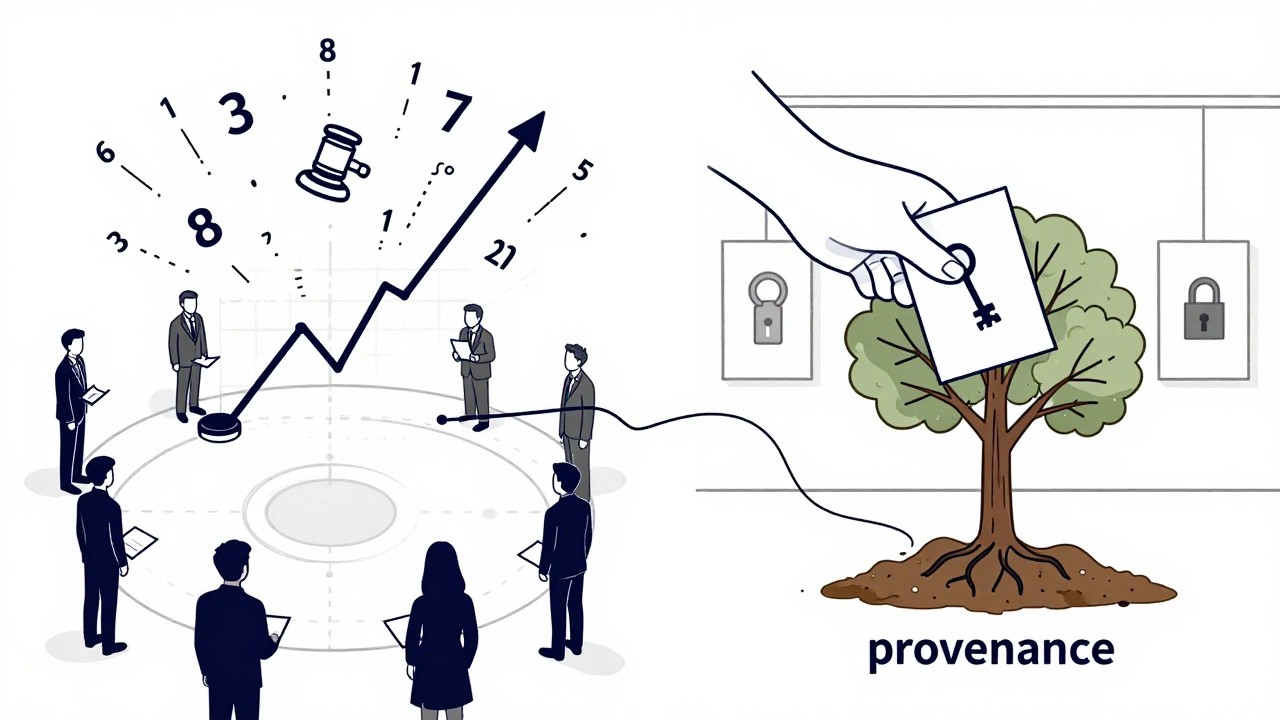
The auction market is public, loud, and often unpredictable. Think Christie’s, Sotheby’s, or even local estate sales with a digital bid screen. Art here doesn’t sit on a wall waiting for you to decide. It’s put up for sale, usually with a starting price, and then bidders compete until someone wins. The final price? It’s set in real time by demand.
What makes auctions powerful is transparency. You can see what similar pieces sold for last year, sometimes even last month. Online databases like Artnet and Artprice track auction results going back decades. If you’re looking for a Picasso lithograph and want to know if $12,000 is a good deal, you can check what three others sold for in 2024. That kind of data doesn’t exist in galleries.
But auctions aren’t foolproof. Prices can spike because of hype. A painting might go for triple its estimate just because two collectors got competitive. Or it might sell for half its low estimate because no one showed up. There’s no middle ground. You either win or walk away.
And then there’s the hidden cost. Auction houses charge buyers a premium-often 15% to 25% on top of the winning bid. Add shipping, insurance, and import fees if you’re buying internationally, and you’re looking at a 30% markup before you even hang the piece on your wall.
How the Gallery Market Works
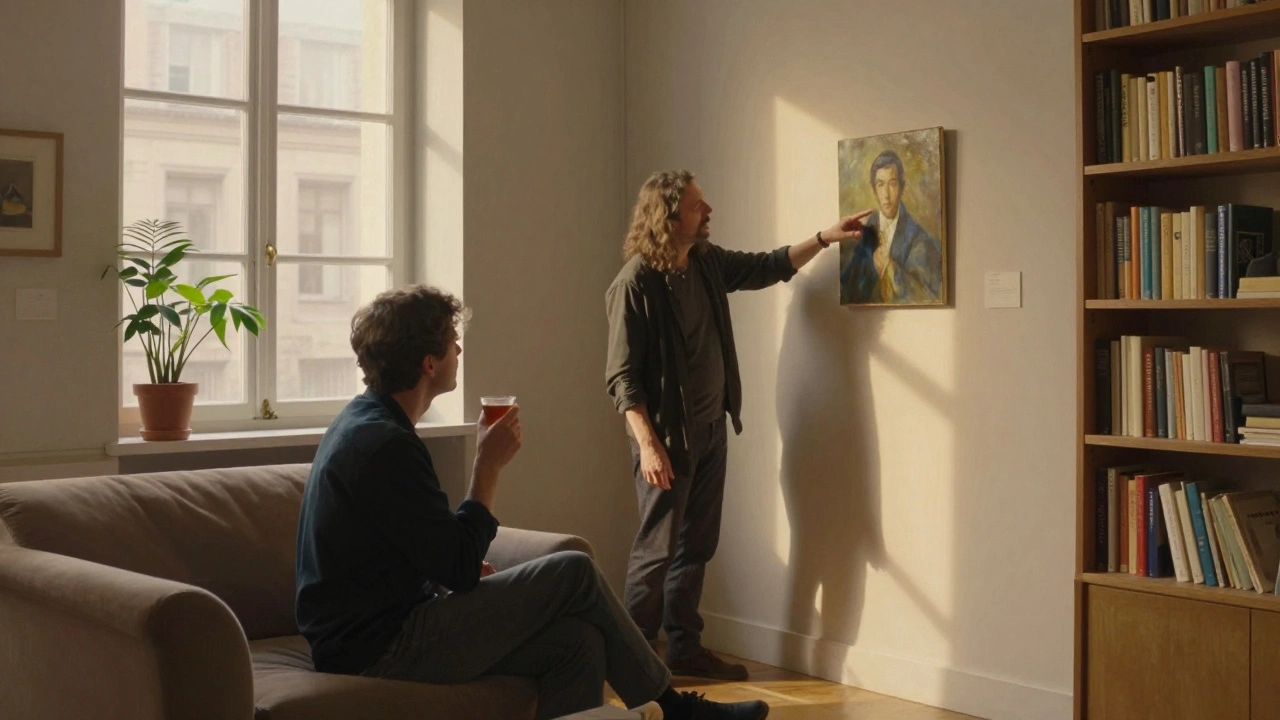
Gallery sales are personal. You walk in, maybe get offered tea, and sit down with a dealer who knows the artist’s whole story. Galleries don’t post prices on the wall. You ask. Sometimes they’ll say, “It’s $18,000.” Other times, they’ll say, “We’re holding it for a long-term client.”
The gallery market thrives on relationships. If you buy from a gallery regularly, they remember you. They’ll call when a new piece comes in that fits your taste. They might even hold something back for you, off-market, before it’s even listed. That kind of access? You won’t find it at an auction.
Gallery prices are stable. They don’t jump around. If a painting sold for $15,000 last year, it’s probably still $15,000 this year-unless the artist just had a major museum show. Then, yes, prices can climb. But even then, it’s gradual. No sudden 300% spikes.
There’s also no buyer’s premium. What you’re quoted is what you pay. No hidden fees. No surprise charges. That’s one reason why serious collectors often buy through galleries for their core collection. It’s predictable. It’s reliable.
Who Buys Where?
There’s a reason why billionaires buy at auction and middle-class collectors buy from galleries. It’s not just about money-it’s about goals.
If you’re buying to invest, auction houses are your go-to. That’s where the big returns happen. A Jean-Michel Basquiat sketch sold for $8,000 in 2012. In 2023, it went for $2.2 million. That kind of return only happens in auctions, where demand can explode overnight.
But if you’re buying because you love the art-if you want to live with it, feel it, live with the story behind it-galleries are better. You get context. You get the artist’s history. You get to know the gallery owner, who might tell you how the artist painted this piece after losing a loved one. That emotional connection? It’s not something you get from a catalog number.
Most serious collectors do both. They buy investment pieces at auction and personal favorites from galleries. But they keep them separate. One pile is for growth. The other is for joy.
Pricing Differences: Transparency vs. Opacity
Auction prices are public. Every sale is recorded. You can look up past results. That’s why auction houses are trusted for valuation. Banks use auction data when appraising art for loans. Insurance companies use it to set coverage limits.
Galleries? Not so much. Prices are private. A gallery might sell the same artist’s painting for $12,000 to one buyer and $15,000 to another. Why? Maybe one buyer has been collecting for ten years. Maybe the other is new. Maybe the gallery thinks the second buyer will pay more. There’s no rulebook.
This opacity isn’t a flaw-it’s a strategy. Galleries protect artists’ market value by controlling who buys what and when. If a piece sells too cheap too fast, it devalues the whole body of work. So they limit access. They don’t want a $20,000 painting to become a $5,000 bargain.
That’s why you’ll rarely find gallery prices online. If you see a price listed, it’s usually a placeholder. The real price comes after a conversation.
Speed and Timing
Auctions run on a schedule. They happen three or four times a year. You have to wait for the next season. If you miss the spring sale, you’re looking at six months before the next chance. That’s fine if you’re patient. Not so fine if you’re chasing a piece that just went viral on Instagram.
Galleries? They’re always open. New work arrives weekly. You can walk in tomorrow and see something you didn’t know existed. Galleries also do private viewings. If you’re serious, they’ll bring pieces to your home. They’ll send photos. They’ll answer questions at midnight.
For someone building a collection slowly, galleries give you control. You don’t have to rush. You don’t have to bid against strangers. You can take your time. Learn. Think. Live with the idea before you buy.
What You Get Beyond the Art
At an auction, you get a certificate of authenticity and a receipt. That’s it.
At a gallery, you get all that-plus provenance, care instructions, exhibition history, and sometimes even a letter from the artist. Many galleries offer storage, installation, and even restoration services. If the painting fades, they’ll help you restore it. If you want to sell it later, they’ll help you find a buyer.
That’s the real value of the gallery market. It’s not just selling art. It’s stewarding it. Galleries act as caretakers for the artist’s legacy. Auctions? They’re transactional. They move art from one owner to another. Galleries make sure the art stays alive.
Which One Should You Choose?
Here’s the simple rule:
- If you’re buying to flip, or you want the highest possible resale value-go to auction.
- If you’re buying because you love it, want to live with it, and care about the artist’s story-go to the gallery.
- If you’re just starting out, start with galleries. Build relationships. Learn what you like. Then, when you’re ready, use auction results to guide your next big purchase.
And don’t forget: most collectors don’t pick one. They use both. Auctions for the rare, high-value pieces. Galleries for the daily joy.
What Happens When They Overlap?
Here’s a twist: galleries sometimes use auctions to raise an artist’s profile. If a gallery believes their artist is undervalued, they’ll quietly sell a piece to a collector who then donates it to a museum. Later, the museum puts it up for auction. Suddenly, the artist’s name is in the news. Prices rise. The gallery benefits.
That’s why some artists have work in both places. The gallery keeps their core market steady. The auction creates buzz. It’s a system. And it works.
But if you’re not in the loop, you might think a piece is “cheap” at auction because it’s the first time it’s appearing. But if it came from a gallery that held it for five years, the auction price might actually be inflated. Context matters.
Is it safer to buy art from a gallery or an auction house?
Both are safe if you do your homework. Auction houses have rigorous authentication processes and public records, so you can verify a piece’s history. Galleries offer provenance documents and direct access to the artist’s studio or estate, which can be more personal and detailed. Neither is inherently safer-just different. The key is working with reputable names and asking for paperwork.
Can I negotiate prices at an auction?
No. Auction prices are set by competitive bidding. Once the hammer falls, the price is final. You can’t haggle. But you can set a maximum bid ahead of time, either online or through a proxy bidder. That way, you don’t overpay. In galleries, negotiation is common. You might get 10-20% off if you’re buying multiple pieces or paying in full upfront.
Do galleries ever sell at auction?
Yes, but usually not directly. Galleries often sell to private collectors who later donate or consign pieces to auction. This helps raise the artist’s market value. Some galleries even partner with auction houses to stage “gallery-selected” auctions, where they curate the lot. These are rare, but they blur the line between the two markets.
Are auction prices a good indicator of a gallery’s pricing?
Sometimes, but not always. Auction prices reflect what someone was willing to pay at a single moment-often under pressure. Gallery prices reflect long-term relationships and controlled supply. A piece might sell for $50,000 at auction, but the gallery still lists it at $35,000 because they’re protecting the artist’s market. Auctions can be noisy. Galleries are quiet.
Should I buy art as an investment?
Only if you’re okay with it sitting for 10+ years with no return. The art market doesn’t behave like stocks. It’s slow, illiquid, and unpredictable. Most people who buy art to make money end up disappointed. Buy art because you love it. If it increases in value? That’s a bonus-not the goal.
Final Thought: It’s Not Either/Or
The real secret? You don’t have to choose one. The best collectors move between both worlds. They use auctions to find the standout pieces-the ones that might never come up again. They use galleries to build a personal, meaningful collection. One is about opportunity. The other is about connection.
If you’re starting out, don’t rush into an auction. Visit galleries. Talk to the staff. Ask questions. Learn what moves you. Then, when you’re ready to make a big move, use auction results to guide your next step. That’s how you build a collection that’s both valuable and deeply personal.