Interpreting Artist Intent: What Artists Really Aim to Convey
When you stand in front of a painting and feel something-anger, peace, confusion, joy-you’re not just seeing colors and shapes. You’re responding to something the artist buried deep in the work. But what did they actually mean to say? That’s the question behind every gallery visit, every museum label, every heated debate over abstract art. Artist intent isn’t about what you think it means. It’s about what the artist fought to say, and whether they succeeded.
Art Isn’t a Puzzle to Solve
Too many people treat art like a riddle. "What is the artist trying to tell us?" they ask, as if every brushstroke is a coded message. But most artists don’t sit down to hide secrets. They don’t plan out symbolic meanings like a crossword. They start with a feeling-a memory, a rage, a quiet ache-and they push it into form. The result might be messy, unclear, or even contradictory. And that’s okay.
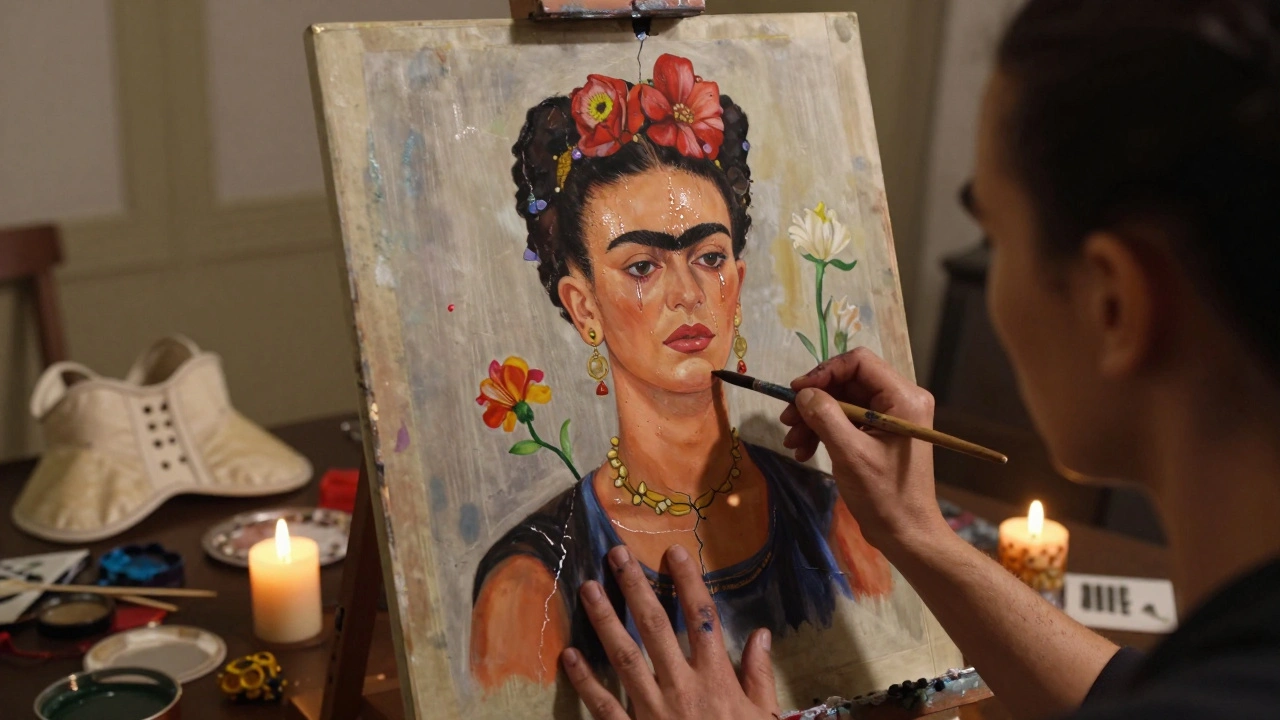
Take Frida Kahlo’s self-portraits. She painted her broken spine, her miscarriages, her loneliness. Was she trying to say "I am a feminist icon"? Or "My pain is beautiful"? Not really. She was just painting what she lived. The meanings we assign now-political, psychological, feminist-were layered on later. Her intent was raw: "I am here. This happened. This is me."
Intent vs. Interpretation: The Gap
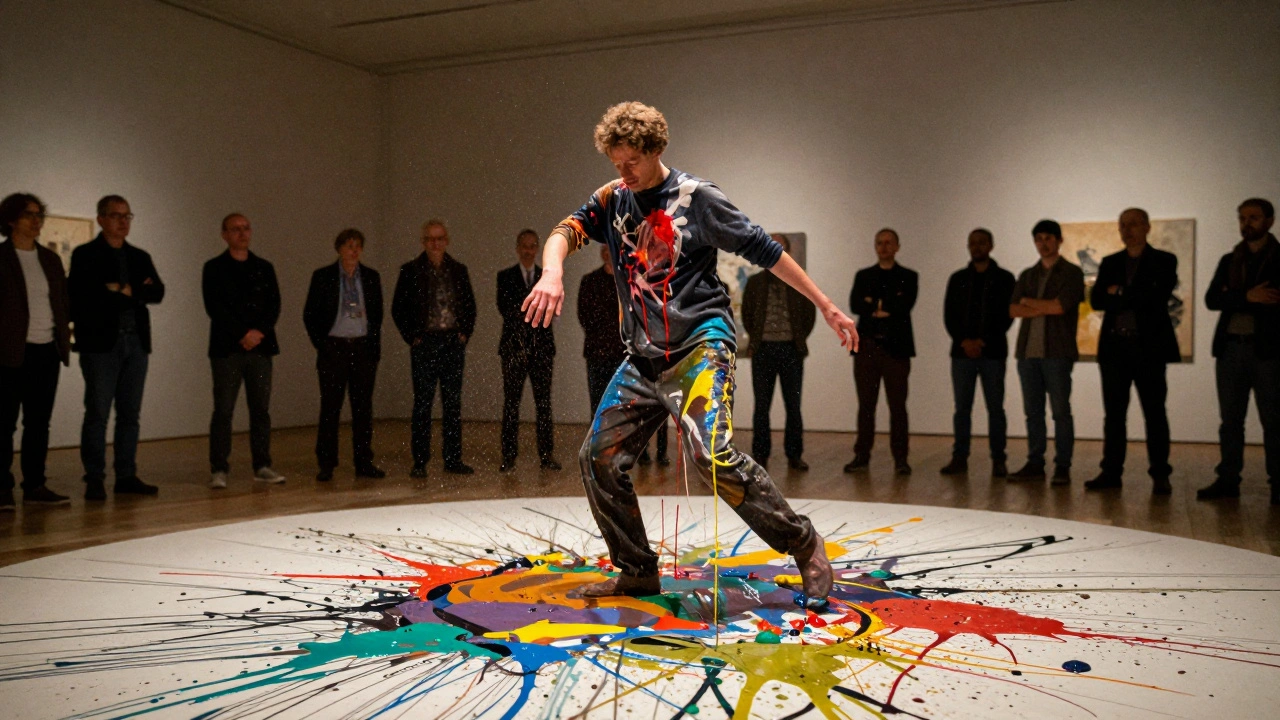
There’s a wide gap between what an artist meant and what we see. That gap isn’t a mistake. It’s where art lives. Think of Jackson Pollock’s drip paintings. He called them "action paintings," saying his body moved with the canvas, responding to rhythm and instinct. He wasn’t trying to make a "symbol of chaos." He was trying to feel free.
But critics called them expressions of post-war anxiety. Psychologists saw subconscious fears. Galleries sold them as masterpieces of abstraction. Pollock didn’t object. He didn’t need to explain. He knew art doesn’t need permission to mean something. The artist’s intent sets the starting point. The viewer’s experience builds the rest.
How to Read Intent Without Guessing
You don’t need an art degree to understand what an artist might have aimed for. Start with three simple things:
- Look at what they repeated. Did they paint the same subject over and over? Van Gogh painted sunflowers 11 times. Not because he loved flowers. He was chasing light, color, life-something he felt slipping away.
- Check their words. Letters, diaries, interviews. Not everything artists say is truth, but they often reveal more than their art. Georgia O’Keeffe said, "I found I could say things with color and shapes that I couldn’t say any other way." That’s not symbolism. That’s honesty.
- Ask: What did they have to lose? Artists who risked their safety, reputation, or livelihood to make something usually had something urgent to say. Ai Weiwei’s ceramic sunflower seeds weren’t just pretty. They were made by hand, by thousands of workers, to comment on mass production and individual erasure in China. The intent was political. The risk was real.
When Intent Gets Lost
Some art loses its intent completely. A sculpture meant to protest war becomes a park decoration. A mural painted to honor a community gets painted over by developers. Sometimes, the artist never gets to explain. Sometimes, they’re gone before anyone asks.
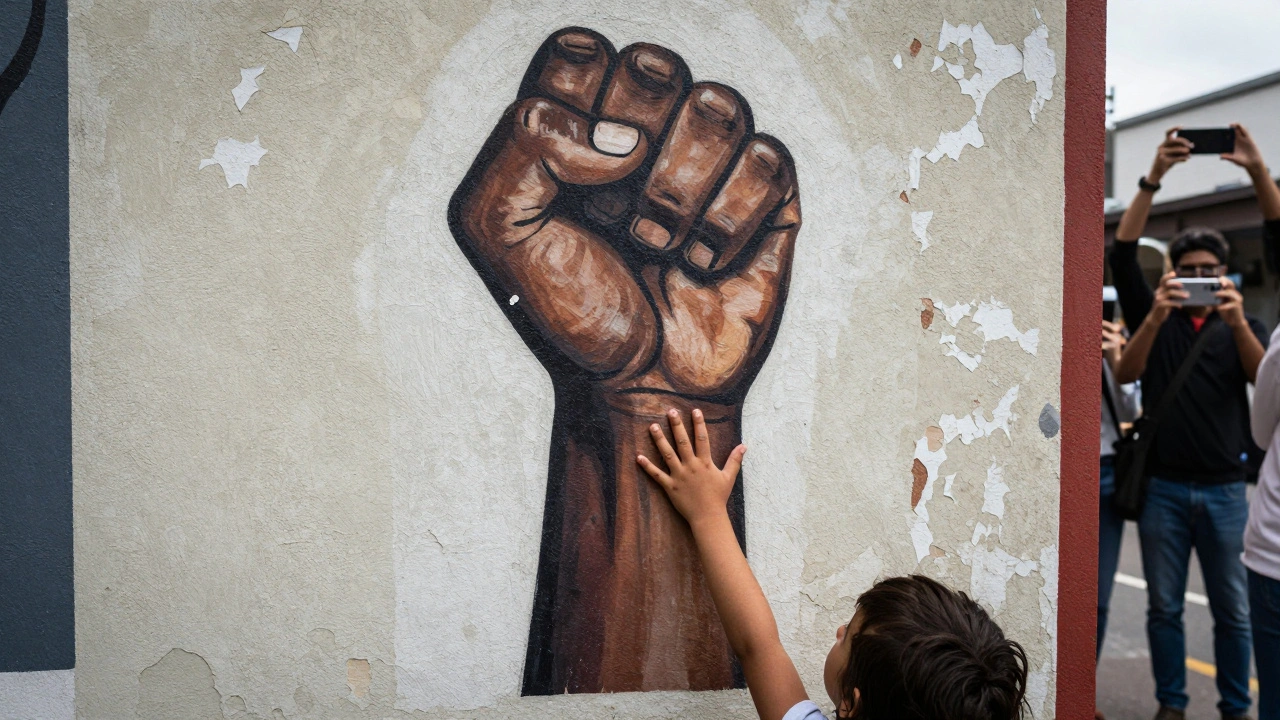
Take the 1967 mural by Emory Douglas in Oakland. It showed Black Panther members with raised fists, surrounded by children. It was meant to say: "We protect our people." Decades later, it was cleaned and restored-but without context, tourists took photos and moved on. No one knew the hands weren’t threatening. They were holding.
That’s why archives matter. Why oral histories matter. Why museums that skip artist interviews are missing half the story.
Modern Art and the Myth of the "Meaningless" Piece
Modern and contemporary art get a bad rap for being "just random." People roll their eyes at a blank canvas or a pile of bricks. But most of these works have clear intent-they’re just not about beauty.
Duchamp’s urinal, "Fountain," wasn’t about plumbing. It was a middle finger to the art world’s obsession with skill and craftsmanship. He wanted to ask: "If I say it’s art, is it?" That’s not confusion. That’s a question. And it changed everything.
Same with Yoko Ono’s "Cut Piece"-where she sat still while audience members cut off her clothes. She didn’t want shock. She wanted vulnerability. She wanted to show how easily people take from women. The intent was clear. The discomfort? That was the point.
What Artists Fear Most
Not criticism. Not failure. Not even obscurity.
They fear being misunderstood so completely that their truth gets erased. A Black artist paints police brutality as a child’s toy-because that’s how it feels to grow up in fear. Someone calls it "cute." A queer artist uses glitter and lace to show grief after losing lovers to AIDS. Someone calls it "fun."
Intent isn’t about being clever. It’s about being seen. When an artist spends months, years, even a lifetime building a piece, they’re not trying to confuse you. They’re trying to say: "This happened. This matters. I’m still here."
How to Approach Art Without Overthinking
You don’t have to "get" every piece. But you can honor the intent by asking:
- What do I feel when I look at this? (Not what should I feel.)
- What would make someone spend this much time on it?
- What would I risk to make this?
- What’s missing from this image that I wish was there?
Those questions won’t give you a textbook answer. But they’ll get you closer to the heartbeat of the work.
Art isn’t a message in a bottle. It’s a voice. Sometimes it’s loud. Sometimes it’s whispering. But if you listen without trying to translate it, you’ll hear something real.