Curator and Gallerist Etiquette: How to Handle Studio Visits and Emails for Art Representation
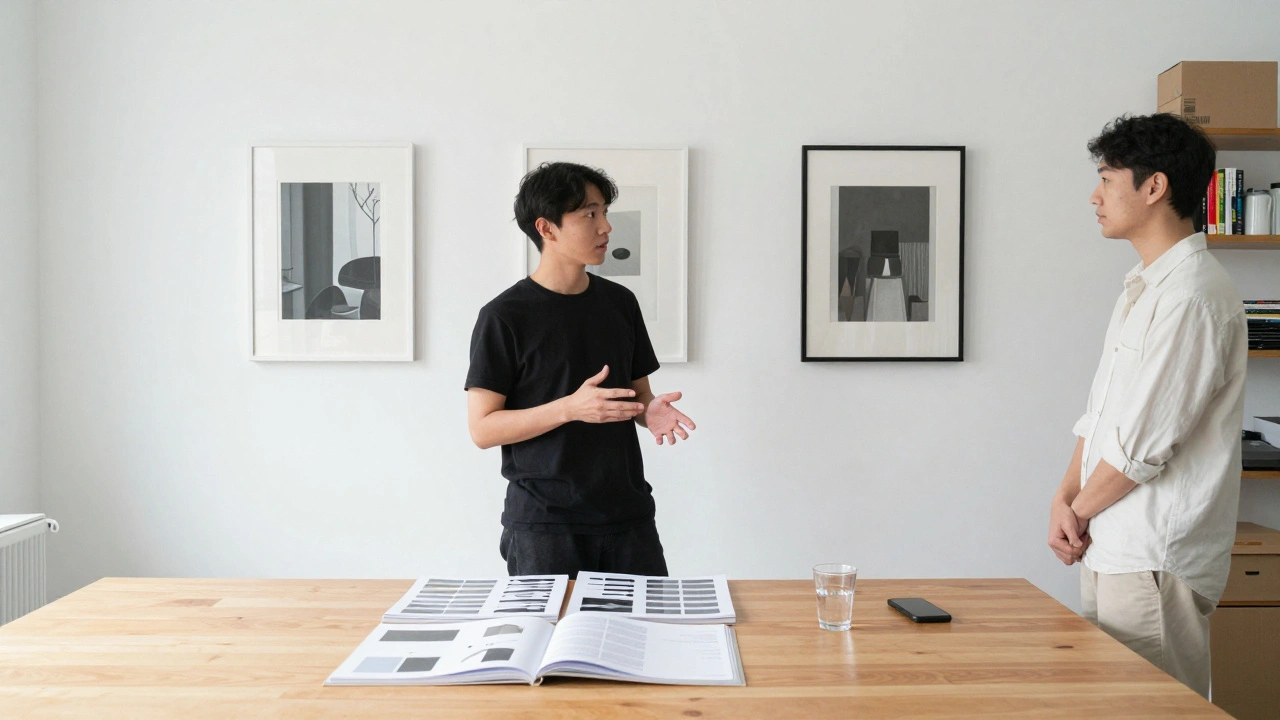
Getting noticed by a curator or gallerist isn’t about sending the prettiest photos or dropping names. It’s about showing up the right way-respectfully, clearly, and with real understanding of their world. Too many artists miss the mark because they treat studio visits like open houses or send emails that sound like generic templates. The truth? Curators and gallerists get dozens of these every week. What sets you apart isn’t your talent-it’s how you make their job easier.
Why Studio Visits Matter More Than You Think
A studio visit isn’t just a chance to show off your work. It’s a test of professionalism, communication, and readiness. Curators don’t visit studios to find the next viral sensation. They’re looking for artists who are consistent, thoughtful, and easy to work with. If you show up disorganized, unprepared, or defensive about feedback, you’ve already lost.
Think of it like a job interview, but in your workspace. They’ll notice if your studio is cluttered with unfinished pieces that you can’t explain. They’ll notice if you can’t talk about your influences without saying, “It’s just what I feel.” They’ll notice if you don’t have a clear sense of where your work fits in the broader art world.
Here’s what works:
- Prepare 3-5 key pieces you’re proud of-not everything you’ve ever made.
- Have a short artist statement ready, but don’t read it. Speak naturally about your process, materials, and intent.
- Know your exhibition history-even if it’s just local shows or pop-ups.
- Be ready to answer: “What’s next?” Show you’re thinking ahead, not just reacting.
And don’t forget the small stuff: clean the space, turn off your phone, offer water, and be on time. These aren’t niceties-they’re signals that you take this seriously.
Emails That Get Read (Not Deleted)
If you’ve ever sent an email that started with “Hi, I’m an artist,” and got no reply, you’re not alone. Most artists send emails that look like this:
Hi! I’m a painter from Chicago. I love your gallery. Can you represent me? Here’s my website. Thanks!
That email goes straight to the trash. Why? Because it tells the gallerist nothing. It doesn’t show you’ve done any research. It doesn’t connect your work to their program. It’s a request, not a conversation.
Here’s what a real email looks like:
Hi [Name],I’ve been following your exhibitions, especially the recent show on materiality in contemporary sculpture. My recent series, Thresholds, explores similar themes through layered ceramic forms and industrial residues. I’m currently preparing a new body of work focused on urban decay and memory, which I believe aligns with your gallery’s focus on material narratives.
I’d be grateful for 10 minutes of your time to share images or schedule a studio visit. My portfolio is available here: [link].
Thank you for considering.
-[Your Name]
Notice the difference? It’s specific. It shows you know their work. It connects your practice to theirs. And it makes it easy for them to say yes-because all they have to do is reply with a time.
Send this email after you’ve visited their website, read their press releases, and watched at least one interview with the gallerist. If you can’t find three things that connect your work to theirs, don’t email yet.
What Curators and Gallerists Actually Want
Most artists assume curators and gallerists are looking for “the next big thing.” That’s not true. They’re looking for artists who:
- Have a consistent body of work over time
- Can articulate their ideas without relying on buzzwords
- Respond to feedback without defensiveness
- Are reliable with deadlines and communication
- Understand how galleries operate (commission rates, shipping, insurance)
One curator told me bluntly: “I’d rather represent someone who shows up on time and writes clear emails than someone with a flashy Instagram account who ghosts me after a studio visit.”
That’s the reality. Your work matters-but how you carry yourself matters just as much.
Common Mistakes That Kill Your Chances
Even talented artists sabotage themselves with avoidable errors. Here are the top three:
- Asking for representation too soon. If you’ve never shown in a public space, don’t ask a top-tier gallery to take you on. Start with artist-run spaces, co-ops, or small nonprofit galleries. Build a track record first.
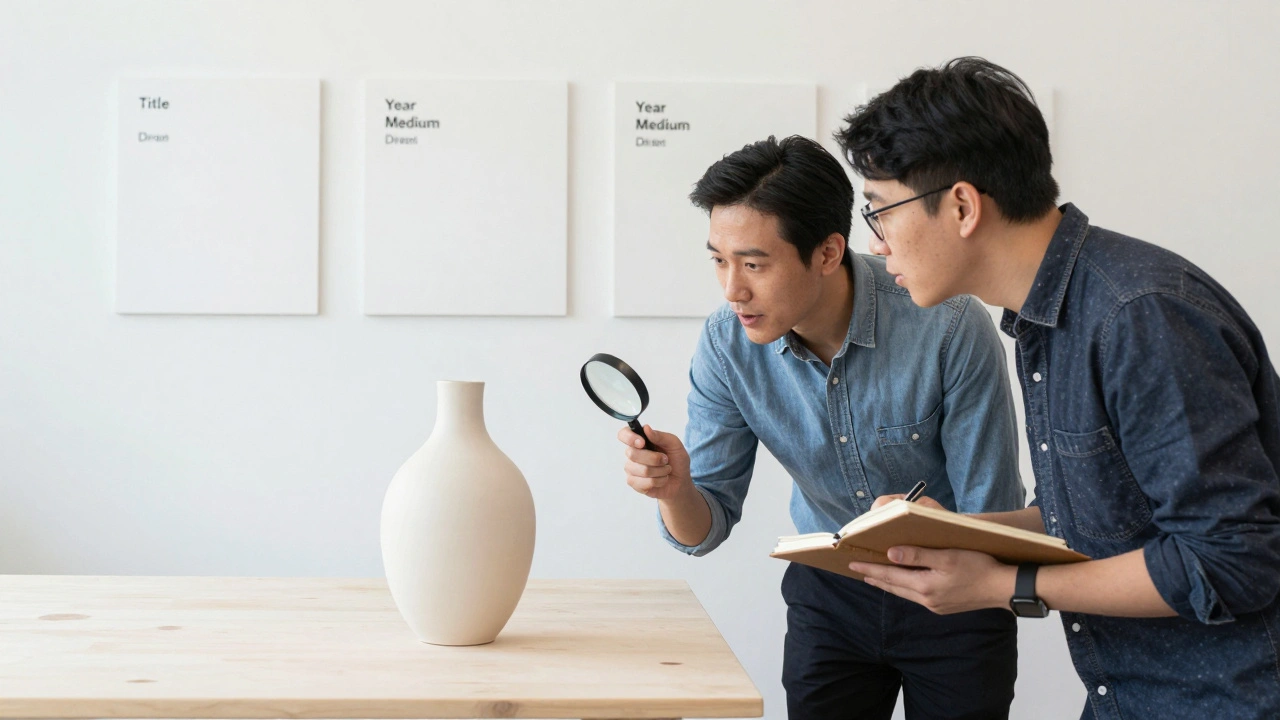
- Overloading with images. Sending 50 high-res files? No. Send 5-8 high-quality images, labeled clearly: Title, Year, Medium, Dimensions. Include one detail shot. That’s it.
- Following up too aggressively. If you haven’t heard back in two weeks, send one polite reminder. After that, wait three months. Constant chasing makes you seem desperate, not passionate.
What to Do After a Studio Visit or Email Response
If they say yes-great. But don’t celebrate yet. This is just the beginning.
- Send a thank-you email within 24 hours. Mention one thing you discussed that stuck with you.
- Keep them updated on new work, even if it’s not ready to show. A quick note like “Just finished a new piece exploring [idea]-thought you might find it interesting” goes a long way.
- Never badmouth another gallery. Ever. The art world is small. Word gets around.
If they say no? Don’t take it personally. They might not have space. They might not be the right fit. Or they might be overwhelmed. Send a polite thank-you and ask if they’d be open to reconnecting in six months.
That’s it. No begging. No guilt-tripping. Just professionalism.
Final Rule: Be a Professional, Not a Beggar
The art world doesn’t reward loudness. It rewards reliability. It rewards clarity. It rewards people who make the curator’s job easier, not harder.
When you walk into a studio, you’re not asking for a favor. You’re offering a collaboration. When you send an email, you’re not begging for attention-you’re inviting a conversation.
That shift in mindset changes everything.
How long should I wait before following up after a studio visit?
Wait at least two weeks before sending a polite follow-up email. If you still don’t hear back after that, wait another three months before trying again. Curators often have long planning cycles, and rushing them signals inexperience.
Should I send a portfolio PDF or link to my website?
Always use a clean, easy-to-navigate website. Avoid PDFs unless specifically requested. Websites are easier to share, update, and explore on mobile. Make sure your site loads fast, has clear image labels, and includes your artist statement, CV, and contact info.
What if I don’t have any exhibition history?
That’s okay. Many gallerists work with emerging artists. Instead of listing exhibitions, focus on residencies, group shows, pop-ups, or even well-documented studio projects. A strong artist statement and clear visual narrative can outweigh a lack of formal exhibitions.
Can I email multiple gallerists at once?
Yes-but never use a mass email. Each message must be personalized. Sending the same email to 10 galleries looks lazy. Tailor each one to the gallery’s focus, past exhibitions, and artist roster. Quality over quantity always wins.
Is it okay to send photos of unfinished work?
Only if you’re explaining the process. Unfinished work can be powerful when framed as part of your research-like sketches, material tests, or studies. But never send a messy studio full of half-finished pieces and expect them to see potential. Curators want to see intention, not chaos.