Senior Programs in Galleries: Age-Appropriate Activities for Older Adults
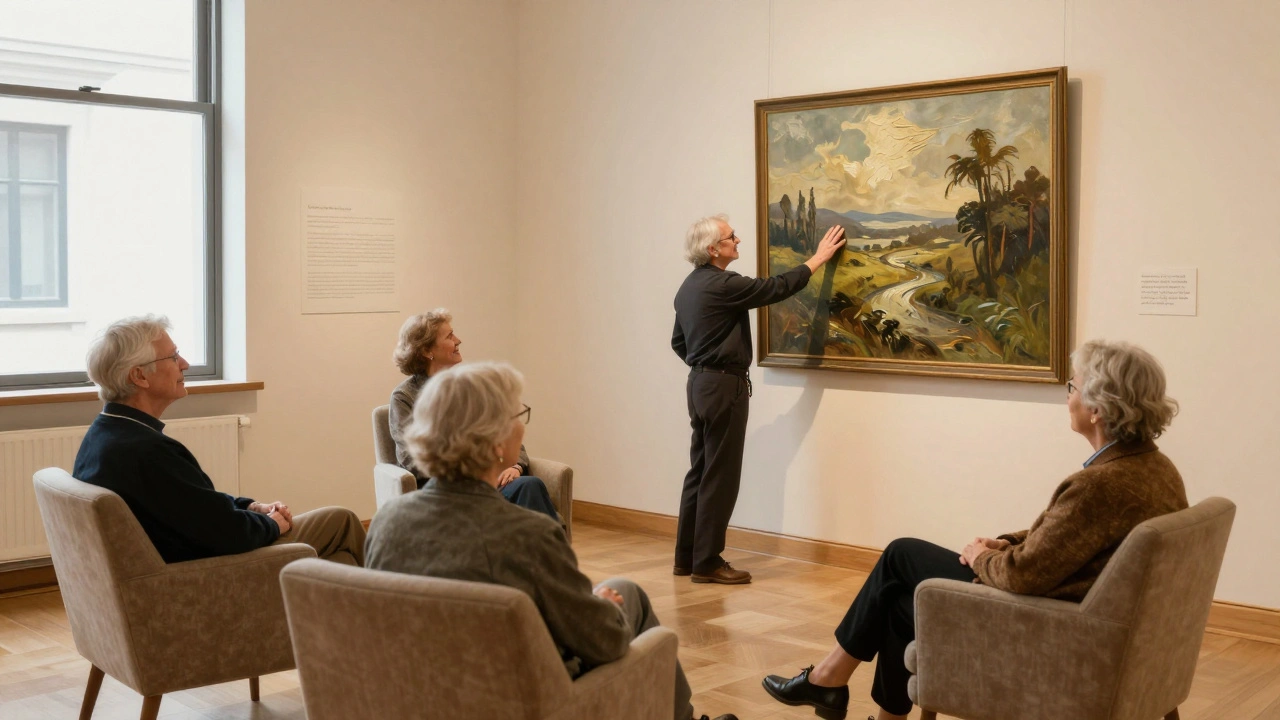
Many galleries and museums across the U.S. have quietly become some of the most welcoming spaces for older adults-not just as visitors, but as active participants. These aren’t just quiet walkthroughs or audio tours. They’re designed experiences built around how seniors actually learn, move, and connect. From tactile art handling to memory-triggering storytelling sessions, senior programs in galleries are reshaping what cultural institutions can offer.
Why Galleries Are Perfect for Seniors
Unlike gyms or community centers, galleries don’t demand physical exertion. They offer calm, controlled environments with seating, good lighting, and minimal noise. For seniors with mobility challenges, hearing loss, or memory conditions like dementia, these spaces are inherently more accessible. A 2023 study by the American Alliance of Museums found that 72% of seniors who participated in regular gallery programs reported improved mood and reduced feelings of isolation. The numbers don’t lie: structured art engagement works.
What makes galleries different from other senior activities is their focus on meaningful interaction rather than just entertainment. A painting isn’t just something to look at-it’s a conversation starter. A sculpture becomes a touchpoint for recalling a childhood memory. A color palette might remind someone of their grandmother’s kitchen.
What Makes an Activity Age-Appropriate?
Not every museum program works for every senior. Age-appropriate doesn’t mean simplified. It means designed with real human limitations and strengths in mind.
- Slower pacing - No rushing. Sessions last 45 to 75 minutes, with built-in breaks.
- Multi-sensory engagement - Touchable replicas, scents tied to historical periods, soft background music, and large-print labels.
- Memory prompts - Guides ask open-ended questions like, “What does this texture remind you of?” instead of “What year was this painted?”
- Small groups - No more than 10 participants. This allows for personal attention and reduces sensory overload.
- Staff training - Educators aren’t just art historians. They’re trained in dementia care, hearing aid compatibility, and trauma-informed communication.
At the Portland Art Museum, for example, a program called “Brushstrokes & Memories” uses original paintings from the 1920s-1950s to spark personal stories. One participant, 84-year-old Eleanor, described how a rural landscape reminded her of her father’s farm in Idaho. That moment led to a group discussion about farming life before modern machinery. No one was tested. No one was corrected. Just shared memories.
Types of Programs You’ll Find
Senior programs vary by institution, but most fall into these five categories:
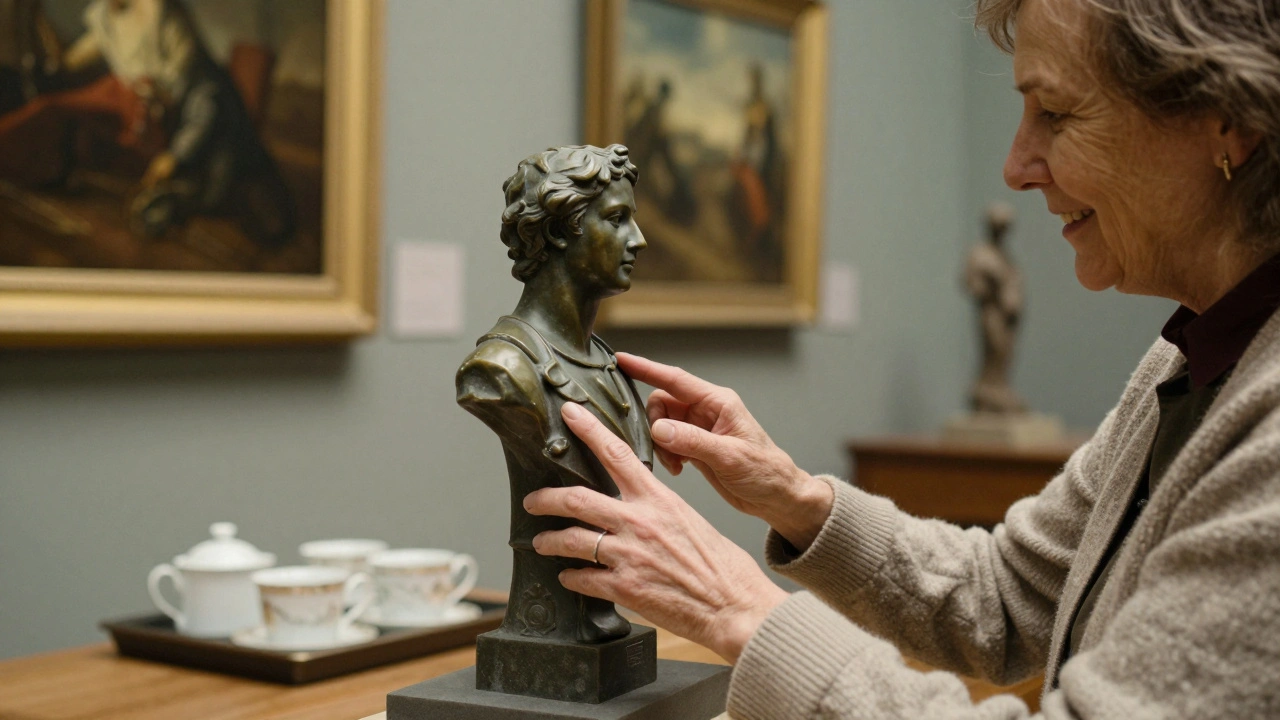
- Tactile Art Sessions - Participants handle scaled-down replicas of sculptures or textured prints. A bronze statue might be recreated in foam with raised lines. This helps those with visual impairment experience form and movement.
- Art & Memory Circles - Led by trained facilitators, these use art as a cue for autobiographical recall. Often paired with light refreshments and group discussion.
- Studio Workshops - Seniors create their own art inspired by gallery pieces. Watercolor, clay modeling, or collage using vintage photos. No experience needed.
- Gallery Talks with Life Stories - Instead of art history lectures, guides share how artists lived, struggled, or found joy. Then, participants share their own similar life moments.
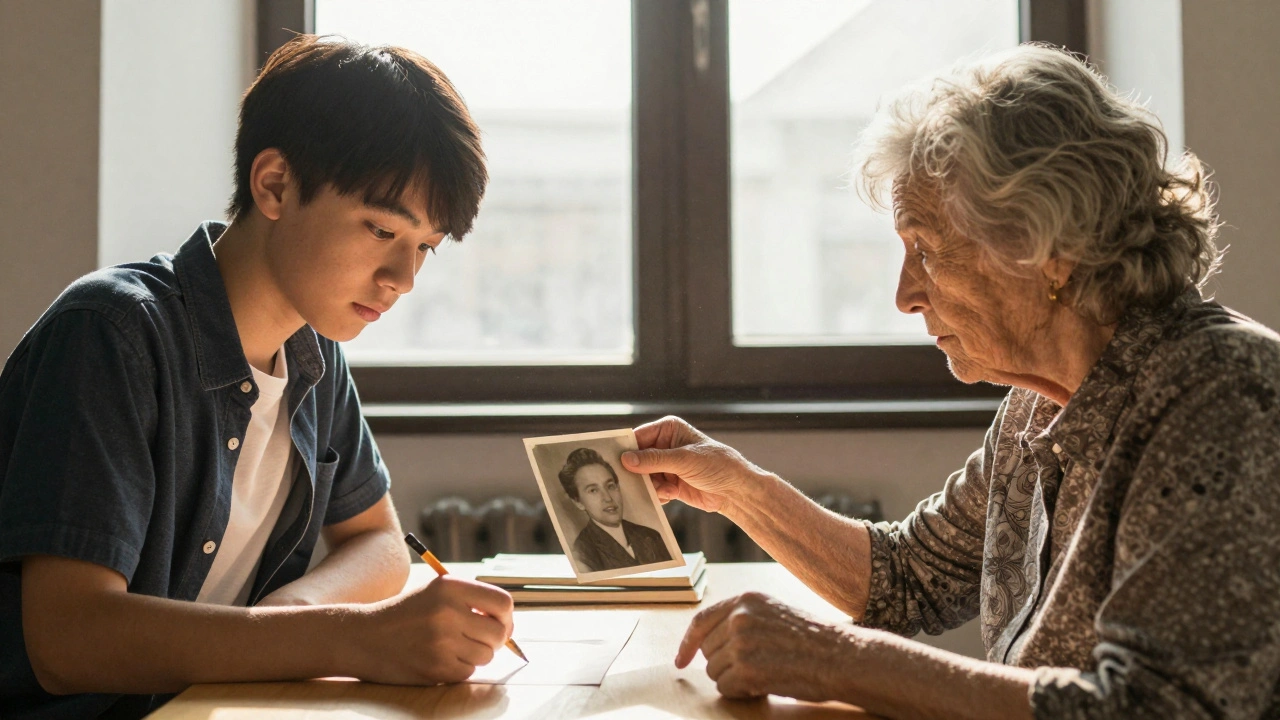
- Intergenerational Pairings - Local college students visit weekly to sit with seniors, listen to their stories, and sketch together. The students get mentorship. Seniors get connection.
These aren’t gimmicks. They’re evidence-backed. A 2024 Johns Hopkins study tracked 120 seniors in art-based programs over six months. Those in weekly gallery sessions showed a 30% improvement in verbal recall and a 40% drop in reported loneliness compared to a control group.
How to Find These Programs
Most major city museums offer them, but you won’t always find them on the homepage. Look for tabs labeled “Community,” “Accessibility,” or “Adult Programs.” Call the education department directly. Ask:
- “Do you have programs specifically for seniors with memory loss or mobility issues?”
- “Are there free or low-cost options?”
- “Can I bring a caregiver or companion?”
Many programs are free or donation-based. Some even offer free transportation from nearby senior centers. In cities like Portland, Seattle, and Minneapolis, public transit agencies partner with museums to provide shuttle services on program days.
What to Expect on Your First Visit
Your first time might feel unfamiliar. That’s normal. Here’s what actually happens:
- You’re greeted by name (yes, they keep a list).
- You’re offered a drink and a comfortable chair before anything else.
- The guide doesn’t talk about art techniques-they talk about feelings.
- You’re never pressured to speak. Silence is respected.
- You leave with a small takeaway-a postcard, a sketchbook, or a photo of the artwork you connected with.
There’s no test. No quiz. No right or wrong answer. Just space to be present.
Why This Matters Beyond the Gallery
These programs do more than reduce loneliness. They help seniors reclaim identity. Too often, aging is framed as decline. But in a gallery setting, seniors are not patients. They’re storytellers. They’re interpreters. They’re the ones who remember what a 1940s dress looked like, or how the smell of linseed oil used to fill a studio.
Art doesn’t fade with age. Neither does wisdom. When galleries make space for both, they’re not just offering activities-they’re restoring dignity.
Are senior gallery programs only for people with dementia?
No. While many programs are designed with dementia-friendly practices in mind, they’re open to all seniors. The same quiet environment, large-print labels, and gentle pacing benefit anyone with hearing loss, arthritis, vision changes, or simply a desire to slow down. Many participants have no diagnosis at all-they just enjoy meaningful conversation and creative expression.
Do I need to be artistic to join?
Absolutely not. These programs aren’t about skill. They’re about connection. Whether you’ve never held a paintbrush or used to run a pottery studio, you’re welcome. The goal isn’t to create a masterpiece-it’s to spark a memory, a laugh, or a quiet moment of recognition.
Can caregivers attend for free?
Yes, in nearly all programs. Caregivers are encouraged to attend. Many find these sessions just as rewarding as the participants. Some museums even offer caregiver support groups that meet right after the art session.
Are these programs available in rural areas?
They’re less common, but growing. Regional art centers, libraries, and historical societies are starting mobile gallery programs that travel to senior centers. Some use digital tours on tablets with large fonts and audio narration. If there’s no local program, ask your county’s Area Agency on Aging-they often fund or coordinate these initiatives.
How often do these programs meet?
Most run weekly or biweekly, often on weekday mornings when galleries are quietest. Some offer monthly drop-in sessions. Check with your local museum’s calendar. Many now send out email newsletters specifically for senior participants-sign up if you can.
Next Steps: How to Get Started
If you or someone you know is interested, start with the nearest major art museum. Call their education office. Ask for their senior program brochure. If they don’t have one, ask if they’re planning one. Demand matters. The more people ask, the more museums invest.
And if you’re lucky enough to live near Portland, Seattle, or another city with established programs-go. Bring a friend. Sit down. Look at a painting. Let it remind you of something. You don’t need to say anything. But if you do? Someone will be ready to listen.