User-Generated Content Campaigns for Art Galleries: How to Turn Visitors Into Advocates

Most art galleries spend thousands on ads, billboards, and influencer partnerships-only to watch foot traffic stall. The real secret? Your visitors already have the power to grow your audience. They just need the right nudge.
Think about it: when someone stands in front of a painting and feels something deep, they don’t just walk away. They pull out their phone. They take a photo. They tag the gallery. They post it. That’s not luck. That’s opportunity. And galleries that learn how to turn those moments into campaigns see 3x more engagement than those relying on paid promotions alone.
Why User-Generated Content Works for Art Galleries
User-generated content (UGC) isn’t just cheap marketing. It’s trust marketing. When someone shares a photo of a sculpture they stood in front of for ten minutes, that’s not an ad. That’s a testimonial. It says: "I felt something here. You should too."
Unlike professional photos shot under studio lights, UGC feels real. A visitor’s blurry shot of a neon installation at golden hour, their kid pointing at a strange abstract piece, or their friend laughing at a surreal portrait-it all carries emotion. That’s what moves people. Not perfect composition. Not curated lighting. Real reactions.
A 2025 study by the Art Market Analytics Group found that galleries running UGC campaigns saw a 68% increase in repeat visitors within six months. Why? Because people don’t just want to see art. They want to be part of the story. UGC lets them write that story themselves.
How to Start a UGC Campaign (Step by Step)
Setting up a UGC campaign doesn’t require a big budget. It just requires clarity and consistency. Here’s how to do it right:
- Choose one focal piece or theme. Don’t ask people to post about the whole exhibit. Pick one standout artwork-something visually striking, emotionally charged, or conversation-starting. A giant mirrored orb that reflects the viewer? A mural with hidden symbols? A sound installation that changes with movement? That’s your hook.
- Create a unique hashtag. Make it short, memorable, and tied to the piece. Not #ArtGallery or #VisitUs. Something like #MyReflectionInBlue or #TheWhisperingWall. Avoid generic tags. You want your campaign to stand out in search results.
- Place clear signage. Put small, elegant signs near the artwork: "Snap your moment. Tag #MyReflectionInBlue. We might feature you." No need for giant banners. Subtlety works better in galleries.
- Encourage, don’t demand. Don’t say "Post this or miss out." Say: "We love seeing how this piece speaks to you." People respond to invitation, not pressure.
- Repost. Regularly. Every week, pick one UGC post and share it on your gallery’s Instagram or Facebook. Tag the creator. Thank them. This isn’t just promotion-it’s recognition. And it makes people want to participate again.
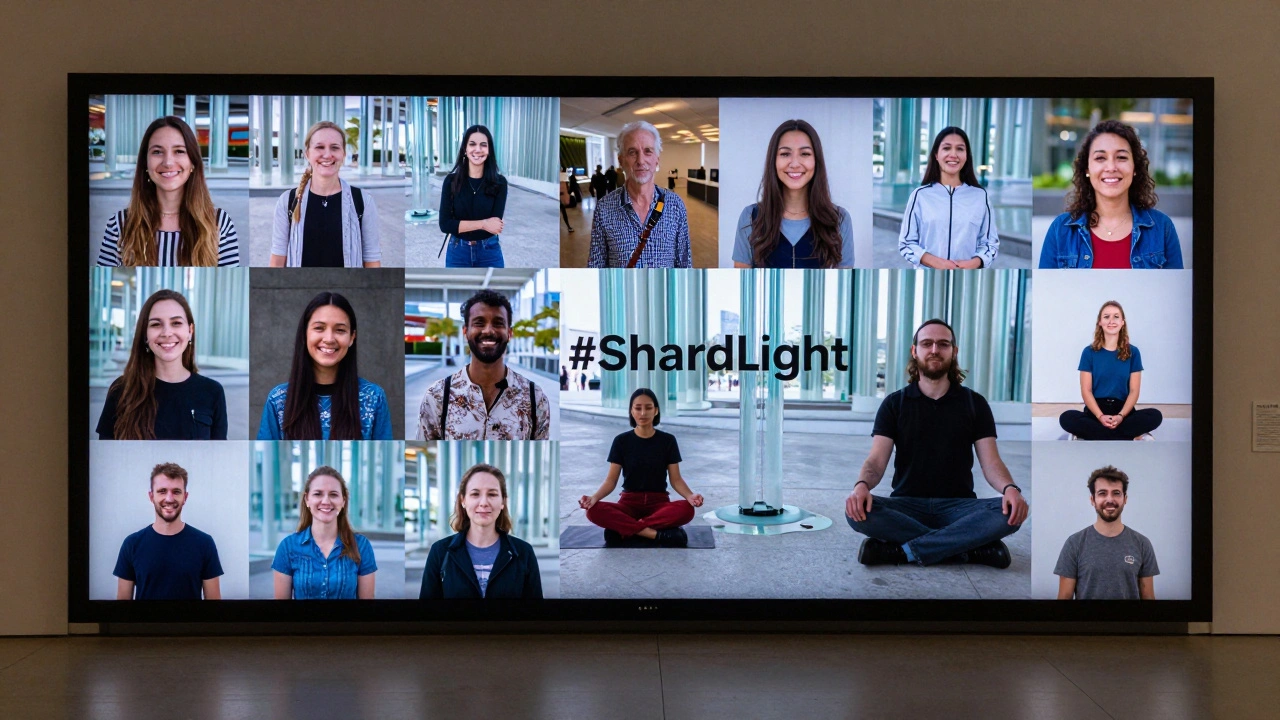
At the Portland Contemporary Gallery, they started with one piece: a kinetic sculpture made of suspended glass shards. Visitors could walk around it, and the light changed with every step. They created the hashtag #ShardLight. Within three weeks, 217 visitors posted. They reposted 12 of them. The gallery’s Instagram followers jumped 42% in two months.
What Not to Do
Not every UGC attempt works. Here are the three biggest mistakes galleries make:
- Asking for perfect photos. If you want polished, professional shots, hire a photographer. UGC thrives on authenticity. A shaky, slightly out-of-focus photo with natural lighting? That’s gold.
- Ignoring submissions. If someone takes the time to post and tag you, and you never respond? They’ll feel invisible. Even a simple "Thank you!" in the comments builds loyalty.
- Running campaigns that last too long. A UGC campaign should feel urgent, not endless. Three to six weeks is ideal. After that, people lose interest. Reset with a new piece, a new hashtag, a new story.
Turn Followers Into Members
UGC doesn’t just boost social media. It turns casual visitors into loyal patrons.
One gallery in Seattle started a UGC campaign around a series of paintings called "The Quiet Hours." Each piece showed a person alone in a room at dawn. Visitors were asked to share their own "quiet hour"-a photo of their morning coffee, a window, a pet sleeping, anything that felt peaceful.
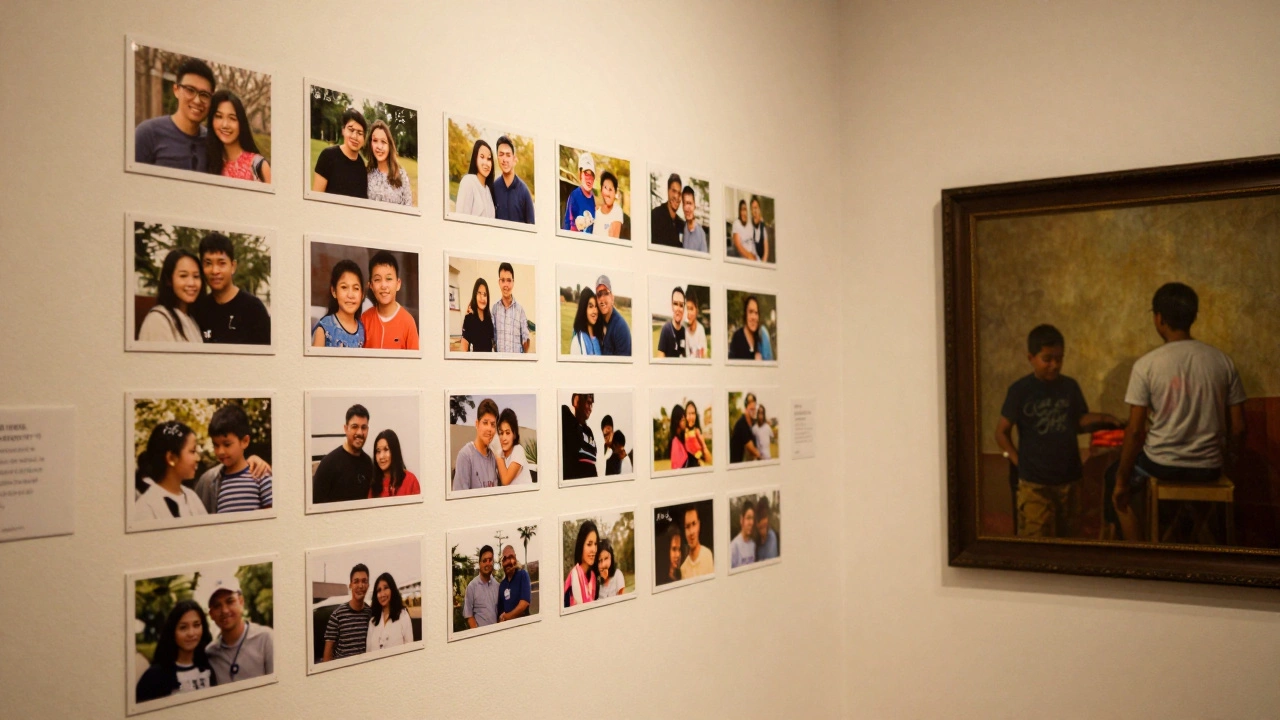
They didn’t just repost photos. They printed 20 of the best ones on small cards and displayed them in a corner of the gallery. Next to each, they wrote: "Submitted by [Name], [City]". People stood there for minutes, reading stories. Some even left notes in a journal next to the display.
That same month, membership sign-ups increased by 51%. Why? Because people didn’t just see art. They saw themselves in it. And when you feel seen, you don’t just visit-you belong.
How to Measure Success
You don’t need fancy analytics. Just track three things:
- Hashtag usage. How many unique posts used your tag? Use Instagram’s search function or free tools like Tagboard.
- Engagement rate. Look at likes, comments, and shares on your reposts. Compare them to your usual posts. If UGC posts get 2-3x more engagement, you’re doing something right.
- Foot traffic. Track daily visitors during and after the campaign. Did more people come in because they saw the posts? Ask staff to note if visitors say, "I saw your post online."
At the Center for Experimental Art in Portland, they tracked all three. Their UGC campaign on a sound-based installation led to 317 tagged posts, 4,200 total likes, and a 27% increase in weekend visitors. The best part? Five of those participants became monthly donors.
Keep It Going
Don’t treat UGC as a one-off. Make it part of your rhythm.
Try a new UGC theme every quarter. Tie it to a new exhibit. Or make it seasonal: "Winter Light in the Gallery" in December, "What Moves You" in spring. Keep the hashtag alive. Keep reposting. Keep thanking people.
Some galleries even create a "Wall of Voices" in their lobby-a rotating digital screen that shows recent UGC posts. Visitors love seeing themselves on the wall. And new visitors? They’re drawn to it.
Art isn’t meant to be locked away. It’s meant to be felt. Shared. Reimagined. Your gallery doesn’t need to be the most expensive or the most famous. It just needs to let people in-not just through the door, but into the story.
Do I need a big social media following to start a UGC campaign?
No. UGC campaigns work best for galleries with smaller followings because they create authentic, word-of-mouth momentum. A post from a real visitor carries more weight than a sponsored ad. Even if you have 500 followers, one viral UGC post can bring in hundreds of new people.
Can I use UGC in my gallery’s physical space?
Absolutely. Many galleries now display visitor photos on digital screens, printed panels, or even as part of a rotating exhibit. It turns passive viewers into active participants. Just make sure to ask permission before printing or displaying someone’s photo. A simple note on your sign-"By tagging, you grant us permission to share your post"-covers you legally and ethically.
What if people post inappropriate content?
Set clear guidelines upfront. Your sign can say: "We welcome honest, respectful posts that reflect your personal experience." If someone posts something offensive, you can politely remove it or hide it. Most people want to be part of a positive community. You’ll rarely get pushback if your tone is welcoming.
How often should I run these campaigns?
Every 8-12 weeks works well. That’s long enough for a new exhibit to spark interest, but short enough to keep things fresh. You can also run mini-campaigns during holidays or special events-like a "Family Moment" campaign during the winter break.
Is UGC better than influencer marketing for galleries?
It’s not better-it’s different. Influencers bring reach. UGC brings trust. The most successful galleries use both. But if you’re on a tight budget, UGC gives you more bang for your buck. Real people sharing real reactions? That’s the most powerful tool you already have.