Evaluating Art Fairs: Which Events Fit Your Gallery
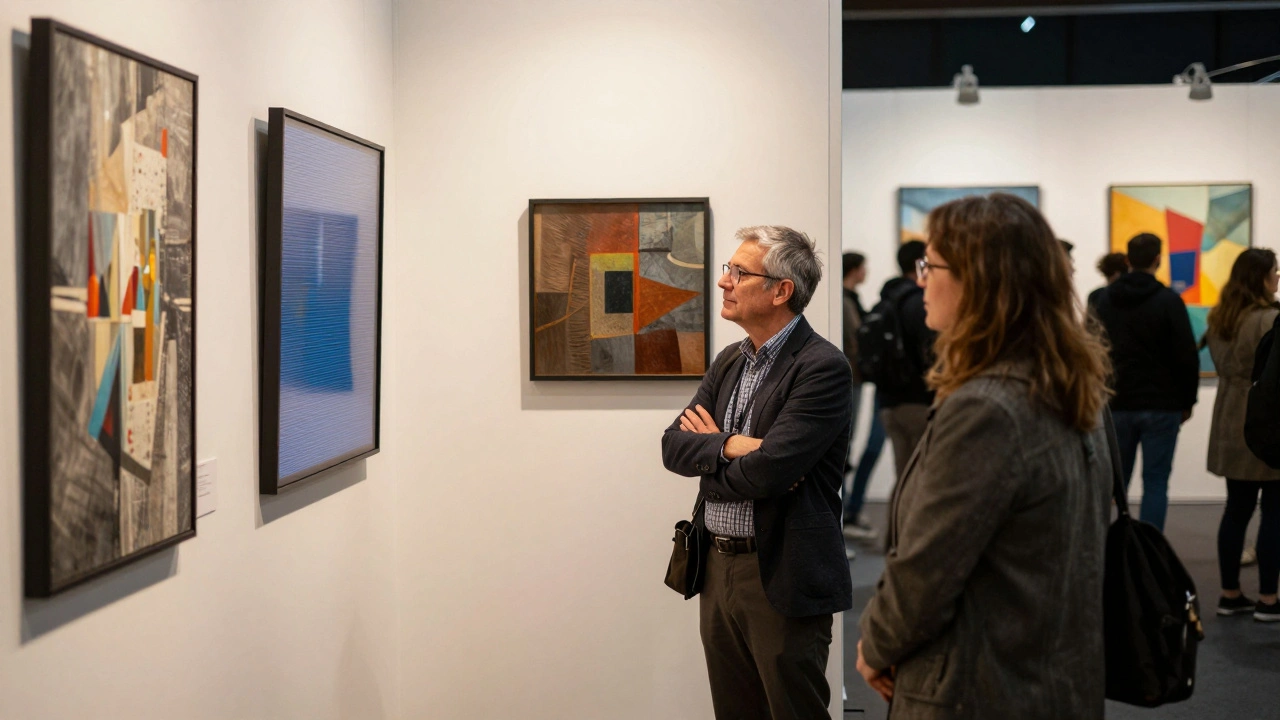
Choosing the right art fair isn’t just about showing up-it’s about making sure your gallery’s work finds the right eyes, the right buyers, and the right momentum. Too many galleries jump into the biggest names-Art Basel, Frieze, TEFAF-thinking size equals success. But that’s not always true. Some of the most successful gallery years come from smaller, niche fairs where collectors actually spend time looking, talking, and buying. The key isn’t prestige. It’s fit.
Know Your Gallery’s Profile
Before you even look at a fair’s roster, ask yourself: What kind of art does your gallery represent? Are you focused on emerging artists from the Pacific Northwest? Do you specialize in post-war Japanese prints? Are you pushing experimental digital installations? Your answer determines everything.
There’s no point in applying to a fair that attracts collectors of 19th-century European landscapes if your strongest artist works with recycled plastics and sound sensors. You’ll end up with empty booth space, low engagement, and a wasted budget. Art fairs have distinct audiences. Some are hyper-local. Others are global investors. A few are academic. Match your gallery’s identity to the fair’s collector base.
Look Beyond the Big Names
Art Basel Miami Beach draws 70,000 visitors. That sounds impressive. But here’s what most galleries don’t realize: only 12% of those visitors are serious buyers. The rest are tourists, students, or casual browsers. Meanwhile, a fair like Art Chicago might draw 18,000 people-but 35% of them are collectors who bought at least three works last year. That’s a better return on investment.
Smaller fairs often have tighter curation. That means fewer competing galleries, more focused attention, and higher conversion rates. Fairs like SOFA Chicago (Sculpture, Objects, Functional Art) or Independent Art Fair in New York attract collectors who come specifically for the type of work your gallery offers. You’re not lost in the noise. You’re the reason they came.
Check the Fair’s Collector Profile
Every reputable art fair publishes a post-event report. These aren’t marketing fluff-they’re gold. Look for:
- Percentage of collectors who made purchases
- Median price range of sold works
- Geographic origin of buyers
- Number of repeat exhibitors
If 60% of buyers came from Europe and your gallery doesn’t ship internationally, that fair might not be worth it. If the average sale was $8,000 and your work typically sells for $1,500-$3,000, you’re pricing out of their range. Don’t guess. Demand data. Most fairs will share this if you ask as a prospective exhibitor.

Study the Other Galleries
Who else is showing? This matters more than you think. If your gallery represents under-the-radar artists from Detroit, and the fair’s lineup is dominated by blue-chip galleries from London and New York, you’ll be drowned out. Collectors might not even notice you.
On the flip side, if you’re a young gallery with a sharp focus on video art, and you see three other galleries at the fair with similar programs, that’s a good sign. It means there’s a community there. Collectors know to look for video art at that event. You become part of a movement, not an outlier.
Use tools like Art Basel’s online exhibitor archive or Artforum’s fair directory to compare lineups year over year. Look for consistency. If a fair keeps the same 15 galleries every year, it’s likely a closed circle. If it rotates heavily, it’s open to new voices.
Cost vs. Return
Booth fees for Art Basel can run $25,000-$45,000. Add shipping, insurance, staffing, travel, and installation, and you’re looking at $60,000-$100,000. That’s a huge risk for a gallery with $300,000 in annual revenue.
Compare that to a fair like NOVUS Art Fair in Portland, which charges $3,200 for a 10x10 booth. Last year, 12 of the 40 participating galleries reported sales over $20,000. One doubled their annual revenue just from that one event. You don’t need a $50,000 booth to make a real impact.
Always calculate your break-even point. If you need to sell 12 pieces at $5,000 each to cover costs, and your average sale is $3,000, you’re not ready. Don’t force it. Wait until your inventory and sales velocity align.
Location and Timing Matter
Don’t ignore logistics. If your gallery is in Portland, flying staff to Dubai for an art fair in January means you’re missing local events, your own gallery openings, and your collector base. You’re also burning through staff time and energy.
Regional fairs often have better ROI because they’re easier to manage. Art Fair Portland happens every September. It’s low-cost, well-attended by local collectors, and draws buyers from Seattle, Vancouver, and Northern California. You’re not flying across the world. You’re building relationships with people who already know your city, your artists, and your brand.
Timing is also key. Avoid fairs that clash with major holidays, art school graduations, or museum openings in your region. If your top collectors are all attending the Whitney Biennial in May, don’t schedule your booth for the same week.
Ask the Right People
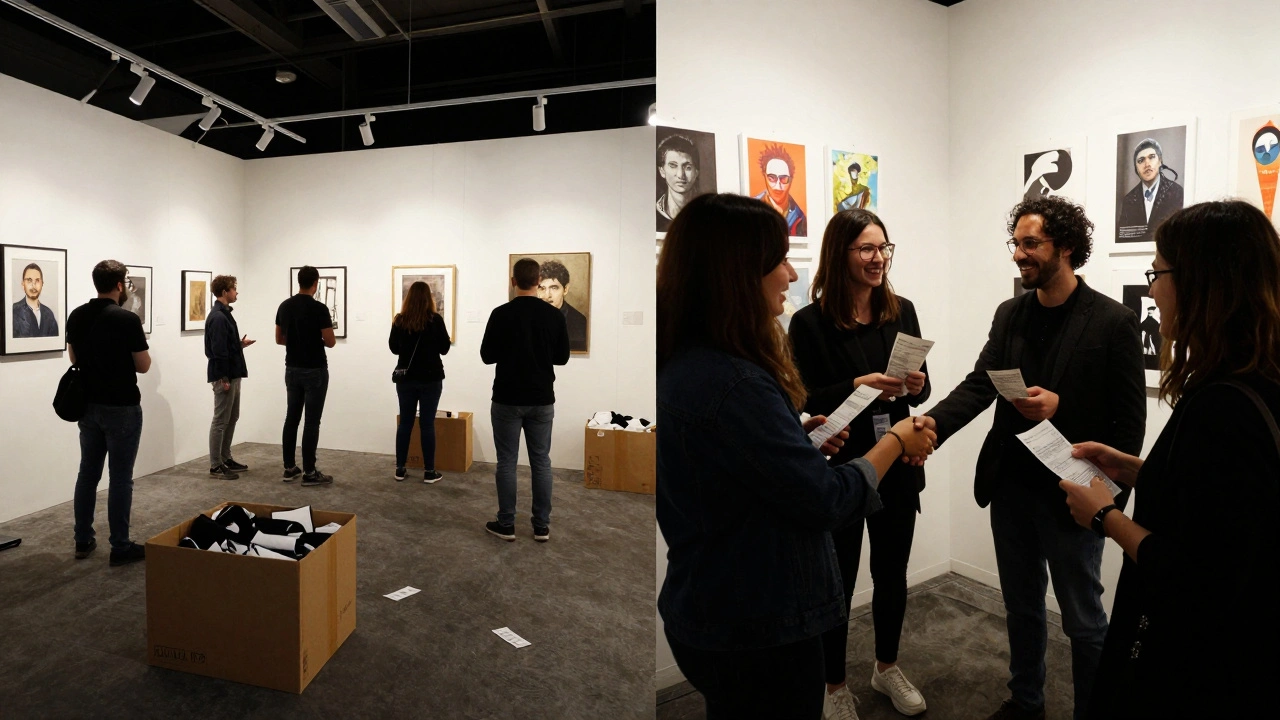
Talk to gallery owners who’ve shown at the fairs you’re considering. Not the ones on their website. The ones who actually went. Ask:
- Did you get quality leads?
- Were the sales consistent with your expectations?
- Did collectors follow up after the fair?
- Was the staff at the fair helpful or just bureaucratic?
Most galleries are happy to share their experience. Especially if you’re honest about being new. A single phone call can save you months of wasted effort.
Start Small, Test, Then Scale
Don’t go all-in on your first fair. Start with a shared booth. Partner with another local gallery. Split costs. Share staff. Test the waters. If you sell 6 pieces and get 15 serious inquiries, you’ve got a model. If you sell 2 and get zero follow-ups, you know it’s not the right fit.
Use those results to refine your next move. Maybe next year, you apply solo. Maybe you switch to a different fair. Maybe you focus on online platforms instead. The point isn’t to show at every fair. It’s to show at the right ones.
What You’re Really Selling
At the end of the day, you’re not selling art. You’re selling trust. Collectors don’t buy because something looks pretty. They buy because they believe in the artist, the gallery, and the future of the work. A fair is just a stage. Your job is to make sure you’re on the right one.
Choose fairs where your gallery’s voice is clear, your artists are respected, and your collectors feel seen. That’s how you build lasting relationships. Not by chasing the biggest name. But by showing up where it matters.
How do I know if an art fair is worth the investment?
Look at past sales data from the fair’s official report. Check the percentage of buyers who made purchases, the median price of sold works, and whether collectors are repeat attendees. If your gallery’s average sale price doesn’t match the fair’s typical sales range, or if most buyers are from regions you can’t ship to, it’s likely not worth it. Also, talk to galleries that exhibited last year-they’ll give you the real story.
Should my gallery apply to Art Basel or start with a smaller fair?
Only apply to Art Basel if your gallery has consistent sales over $10,000 per piece, international shipping capabilities, and a track record of placing work in major museums. Otherwise, start with regional or niche fairs like Art Chicago, Independent, or NOVUS. These events have higher conversion rates, lower costs, and collectors who are more likely to engage deeply with your artists. Size doesn’t equal success-fit does.
Can I share a booth with another gallery?
Yes, and it’s a smart move for emerging galleries. Many fairs allow shared booths, especially at the lower price tiers. Splitting a booth cuts costs in half and gives you access to another gallery’s collector base. Just make sure your artists’ work complements theirs-no clashing styles or competing price points. A well-matched partnership can double your impact.
What’s the best way to prepare for an art fair?
Start three months out. Have high-res images and pricing ready. Train your staff to answer three key questions: Who is the artist? What’s the story behind the work? What’s the next step for collectors? Bring business cards, QR codes to your website, and a simple digital catalog. Don’t overwhelm with too much text. Focus on conversation. The best sales happen when someone walks away with a personal connection, not just a receipt.
How do I find art fairs that match my gallery’s niche?
Use Artforum’s annual fair directory and filter by medium, region, or artist type. Follow galleries similar to yours on Instagram and see where they exhibit. Attend one fair as a visitor before applying. Talk to booth staff. Ask what drew them to the event. You’ll quickly spot which fairs attract the kind of collectors you want to reach. Don’t rely on marketing brochures-go where the real buyers are.