Usage Rights in Art Licensing: Territory, Duration, Categories Explained
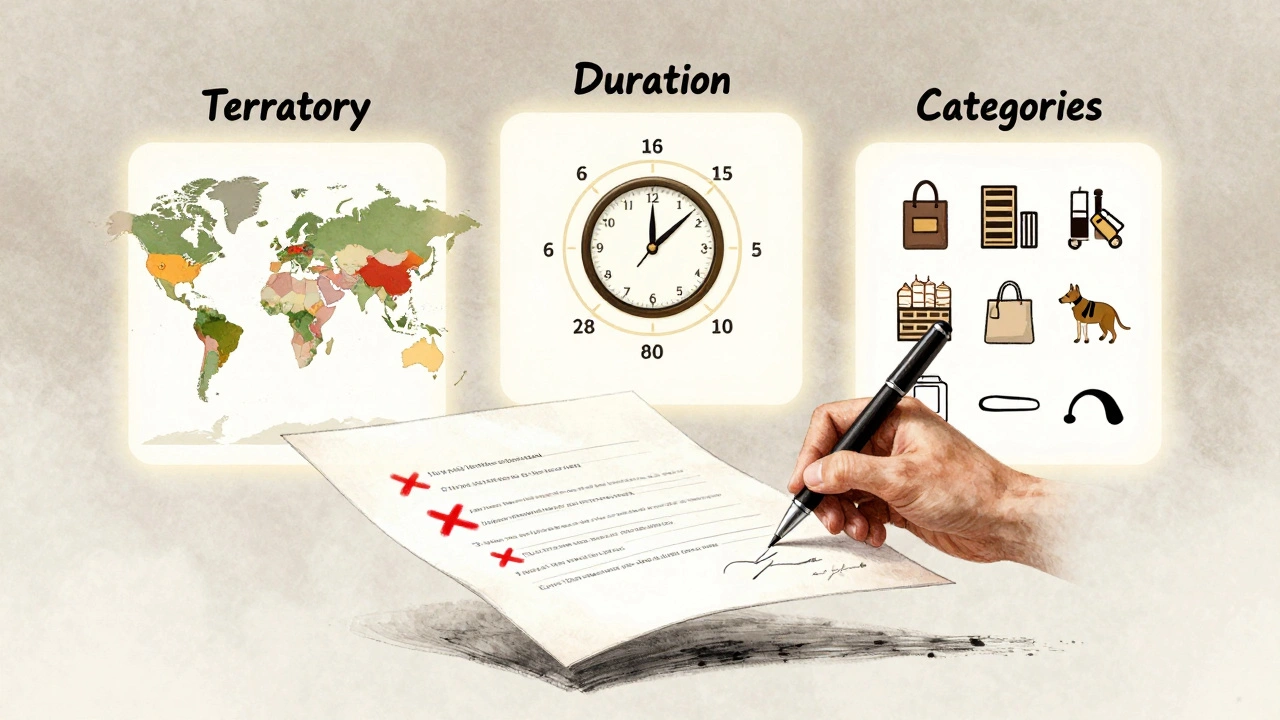
When you license your art, you’re not selling the painting-you’re selling the right to use it. That’s the difference between ownership and usage. Many artists assume a license is a one-size-fits-all deal, but it’s not. The real power in art licensing lies in controlling three things: territory, duration, and categories. Get these wrong, and you could be giving away more than you meant to-or missing out on money you deserve.
What Are Usage Rights in Art Licensing?
Usage rights define exactly how, where, and when someone can use your artwork. Think of it like renting a house. You’re not selling the house. You’re letting someone live in it for a set time, under certain rules. Maybe they can have pets. Maybe they can’t throw parties. Maybe they can only live there for six months. Same with art.
Artists often sign vague contracts because they’re excited to see their work on a product. But without clear usage rights, you’re leaving money on the table. A company might use your painting on greeting cards, then turn around and slap it on coffee mugs, phone cases, and wallpaper-all without paying you more. That’s why you need to spell out the limits.
Territory: Where Can Your Art Be Used?
Territory isn’t just about countries. It’s about where the licensed product can be sold, distributed, or marketed. Some licenses are global. Others are limited to North America, the EU, or even just one state.
For example, if you license your art to a U.S.-based company for wall art, and you don’t restrict territory, they could sell it in Canada, Mexico, Australia, or Japan without asking you again. That’s fine if you’re okay with that. But if your art has cultural ties to a specific region-say, Native American patterns or Japanese ink styles-you might want to limit distribution to avoid misuse or dilution.
Here’s how territory breaks down:
- Global - Can be sold anywhere in the world. Highest potential revenue, but least control.
- Regional - Limited to North America, Europe, Asia, etc. Good for testing markets.
- National - Only in one country. Useful if you’re targeting local audiences or have legal concerns.
- Restricted - Only in certain cities, states, or retail chains. Rare, but used for exclusivity deals.
Always define territory in writing. Don’t assume “USA” means the U.S. only. Some contracts include U.S. territories like Puerto Rico or Guam. Be precise.
Duration: How Long Does the License Last?
Most art licenses last one to three years. But I’ve seen deals as short as six months and as long as ten. The length matters because it affects how much you can earn over time.
Short-term licenses (under a year) are common for seasonal products-think holiday cards, summer beach towels, or limited-edition fashion lines. Long-term licenses (three+ years) are better for evergreen products like home decor, stationery, or wallpaper.
Here’s the trick: renewal terms. If your license expires and the company wants to keep using your art, do they have to renegotiate? Or do they automatically get an extension? Many contracts include auto-renewal clauses that favor the licensee. That’s dangerous.
Always include:
- Exact start and end dates (no “approximately” or “about”)
- Whether renewal requires written approval
- What happens if they don’t renew (do they destroy all products? Can they sell remaining stock?)
For example, if a company licenses your art for a line of tote bags and the license ends in December 2026, they might still sell 5,000 bags they made in November. That’s legal-if you allow it. But if you want them to stop selling everything after the license ends, you have to say so.
Categories: What Products Can Your Art Be Used On?
This is where most artists get burned. You license your art for greeting cards. Then you see it on yoga mats, pet collars, and kitchen towels. Why? Because the contract didn’t limit categories.
Categories define the types of products your art can appear on. This isn’t just about “what it looks like.” It’s about the market and the perception of your brand.
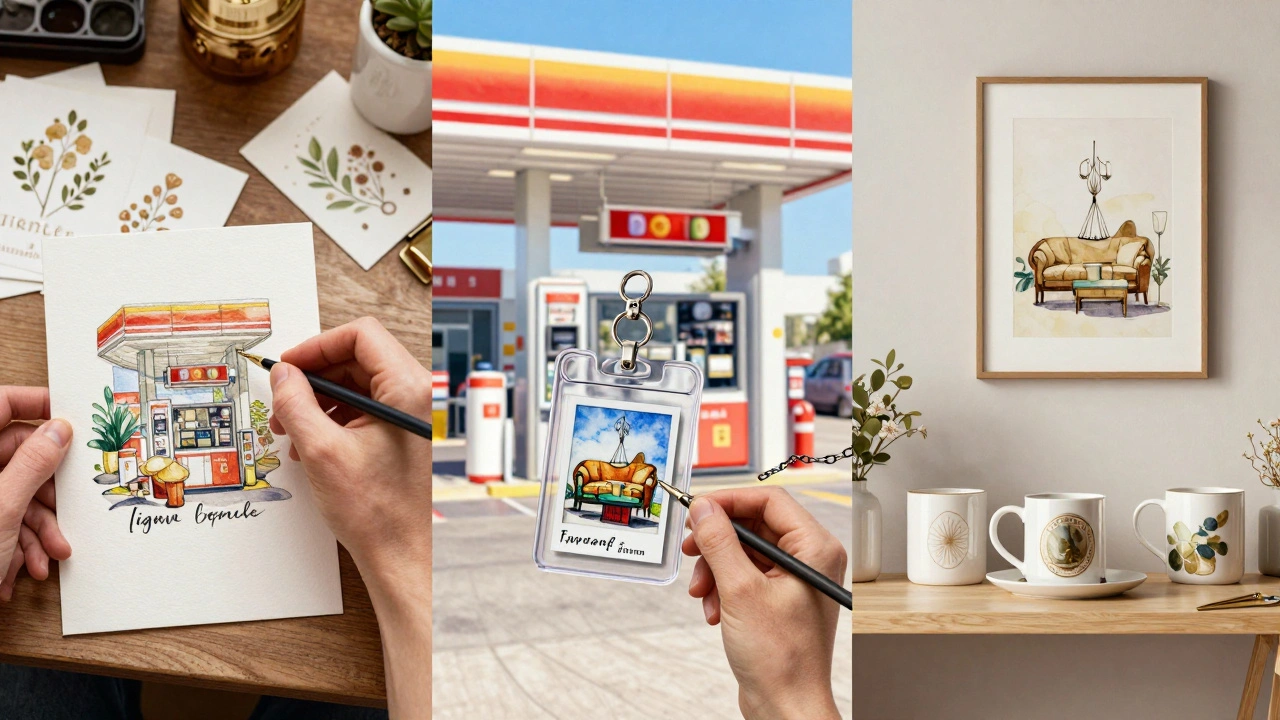
Let’s say you’re a painter who creates delicate watercolor florals. You license them for high-end stationery. That’s classy. Now, if the same company uses your art on cheap plastic keychains sold at a gas station, it cheapens your brand. You didn’t agree to that.
Here’s how to define categories clearly:
- Specific - “Greeting cards, gift wrap, and calendars”
- Excluded - “Not for use on apparel, toys, or food packaging”
- Product types - “Home décor items including pillows, wall art, and ceramic mugs”
Some artists list categories as “any consumer product,” which sounds broad but is actually a trap. It gives the licensee too much freedom. Instead, list what’s allowed. If you’re unsure, use “including but not limited to” followed by examples.
Also consider exclusivity. Are you licensing the same art to multiple companies in the same category? If not, say so. “Exclusive license for wall art in the U.S.” means no one else can use your art for wall art in the U.S. during the term.
Why These Three Matter Together
Territory, duration, and categories don’t work in isolation. They’re a system. Change one, and it affects the others.
For example:
- Global territory + long duration + broad categories = maximum risk, maximum reward.
- National territory + short duration + narrow categories = low risk, low reward. Good for testing.
- Regional territory + auto-renewal + no category limits = dangerous. You might lose control without realizing it.
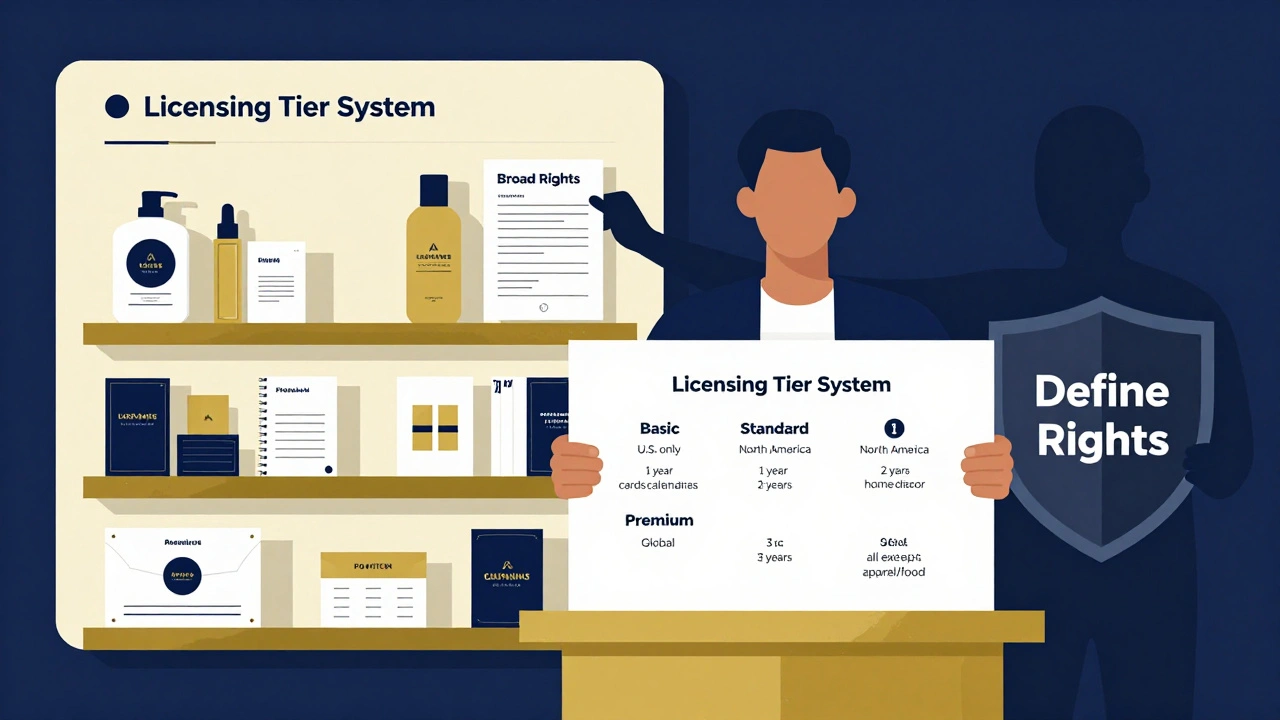
Smart artists build tiered licensing packages:
- Basic - U.S. only, one year, greeting cards and calendars
- Standard - North America, two years, includes home décor and stationery
- Premium - Global, three years, all categories except apparel and food
This way, you give buyers options-and you keep control.
What Happens If You Don’t Define These?
Nothing. That’s the problem. If you don’t define territory, duration, and categories, the licensee gets the broadest possible rights under copyright law. In the U.S., that means they can use your art anywhere, forever, on any product-unless you sue them. And lawsuits cost money. Most artists can’t afford that.
One artist I know licensed her work for a line of tote bags. She didn’t specify categories. A year later, she saw her art on children’s pajamas, pet beds, and even a line of toilet paper. She had no legal recourse. She lost control of her brand. She also lost future licensing deals because buyers saw her art as “cheap.”
That’s why you need to write it down. No handshake deals. No “we’ll figure it out later.”
How to Protect Yourself
Here’s a simple checklist you can use before signing any art license:
- Is the territory clearly defined (country, region, global)?
- Are the start and end dates exact? Is auto-renewal allowed?
- Are the product categories listed explicitly? Are any excluded?
- Is exclusivity stated? (e.g., “non-exclusive” or “exclusive for wall art”)
- Is there a clause about what happens after the license ends? (e.g., destruction of inventory)
- Are royalties and payment terms clear? (This isn’t about usage rights, but it’s often tied to them.)
If any of these are missing, ask for a revision. Most reputable companies will make changes. If they refuse, walk away.
Final Thought: Your Art Has Value Beyond the Price
When you license your art, you’re not just making money. You’re building your brand. Every product your art appears on shapes how people see you. A luxury brand doesn’t want to be on a discount bin. A fine artist doesn’t want to be on a plastic water bottle.
Control your usage rights. Define territory. Set a duration. Limit categories. You’ll earn more, protect your reputation, and keep your creative voice intact.