Seasonal Gallery Marketing: Holiday, Summer, and Special Shows
Running a gallery isn’t just about hanging paintings on walls. It’s about creating moments people remember. And the best moments? They happen when you tie your shows to the rhythm of the year - holidays, summer heat, and unexpected cultural pulses. If your gallery feels flat in January or August, you’re leaving money and attention on the table. Seasonal marketing isn’t gimmicky. It’s how real galleries build loyalty, draw crowds, and turn casual visitors into collectors.
Why Seasons Matter More Than You Think
People don’t buy art the same way they buy groceries. They don’t need it. They want it. And they want it when life feels bigger - during holidays, vacations, or personal milestones. A study from the American Art Gallery Association in 2024 found that 68% of new collectors made their first purchase during a seasonal exhibition. Not because the art was cheaper, but because the atmosphere made it feel meaningful.
Think about it. In December, people are thinking about gifts, nostalgia, and warmth. In July, they’re thinking about escape, light, and space. Your gallery can become part of that story. You’re not selling a canvas. You’re selling a feeling tied to a time of year.
Holiday Shows: More Than Just Christmas Trees
Most galleries do a Christmas show. They hang red and green ornaments. They put tiny lights on the frames. And then they wonder why attendance drops after the first week.
Here’s what works instead.
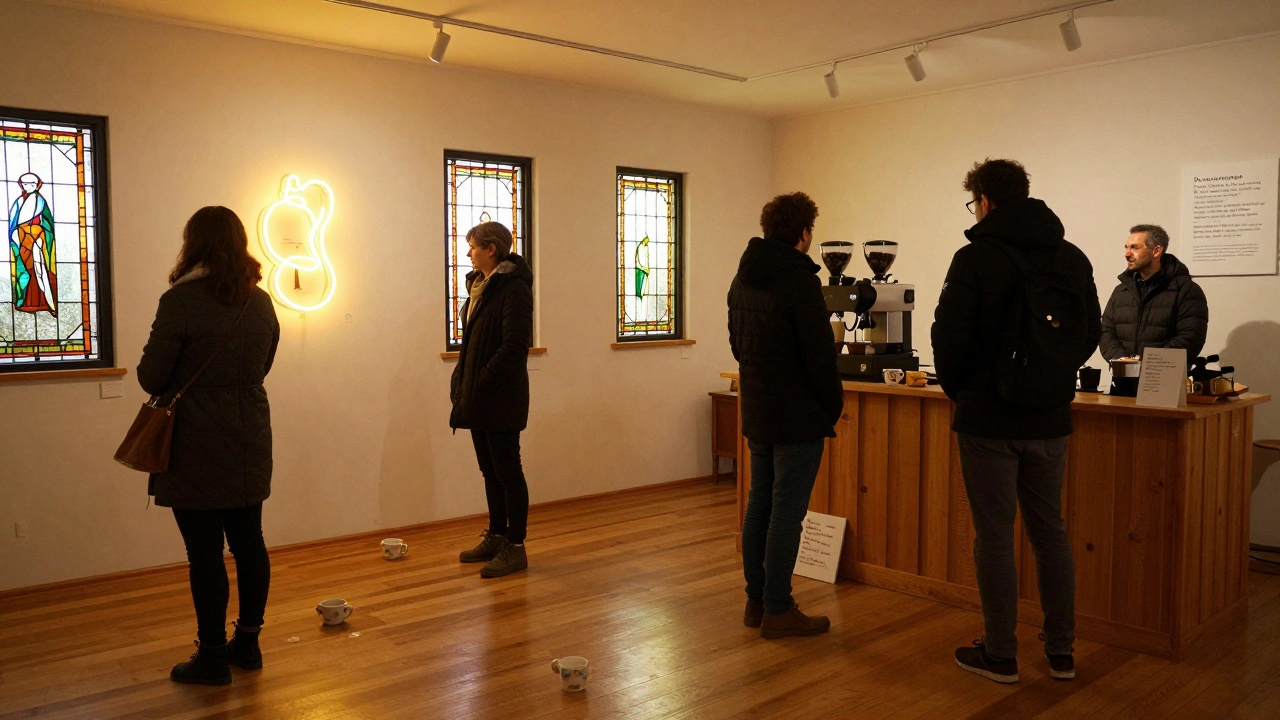
- Theme it around warmth, not tradition. Instead of "Holiday Spirits," try "Light in the Dark." Feature artists who work with glow, reflection, or soft illumination - stained glass, neon sculptures, candlelit prints. Portland winters are long. People crave light.
- Make it gift-ready. Offer small, affordable pieces under $150. Not "gifts under $50," which feels cheap. Under $150 feels thoughtful. Include gift wrapping, handwritten notes, and a QR code that links to the artist’s story.
- Partner with local makers. Team up with a coffee roaster for a "Warm Brew & Warm Art" evening. Or invite a local poet to read during the opening. It turns a gallery visit into an experience.
One gallery in Eugene did this in 2023: they displayed 32 small ceramic mugs made by local artists, each paired with a poem about winter. They sold out in four days. Not because the mugs were expensive. Because they felt personal.
Summer Shows: Let the Light In
Summer isn’t just about vacations. It’s about freedom. People are outside. They’re relaxed. They’re open to color, movement, and play.
Summer shows fail when they feel like winter shows with brighter paint.
Here’s how to do it right.
- Use natural light. If your gallery has windows, don’t block them. Let the afternoon sun hit the walls. Choose pieces that glow in daylight - watercolors, pastels, transparent layers. Avoid heavy oils or dark palettes unless you’re going for a deliberate contrast.
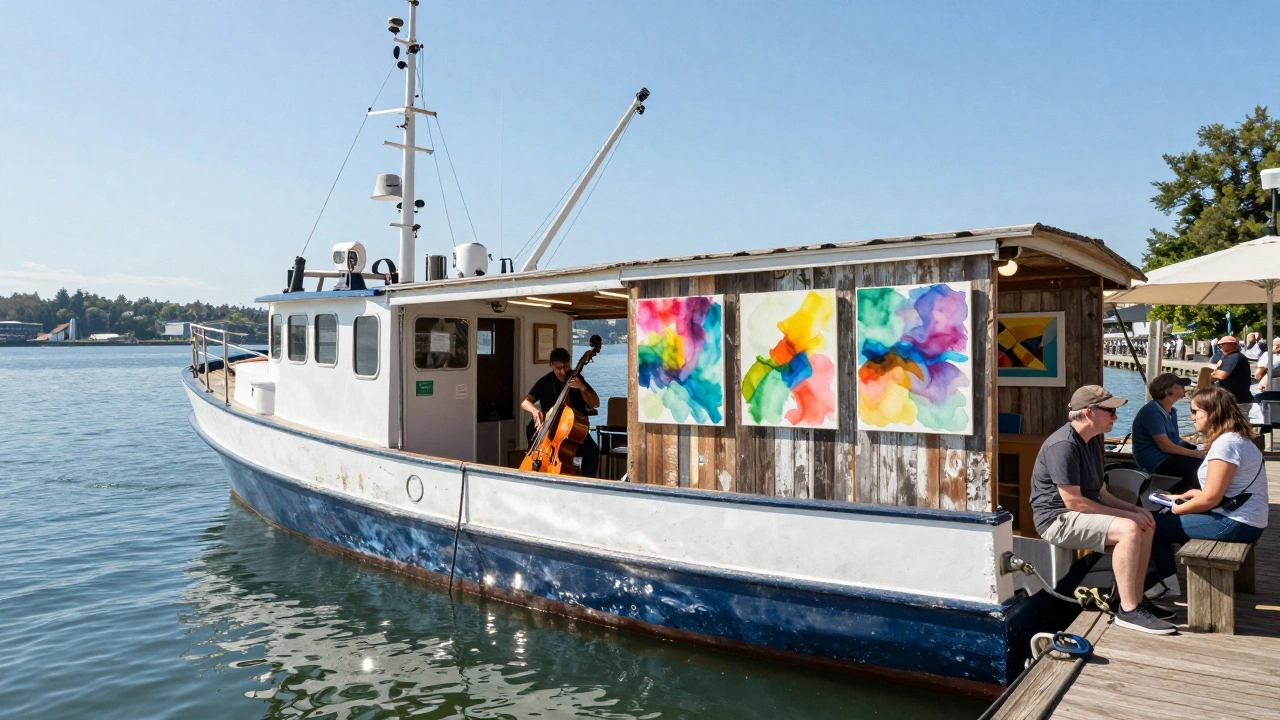
- Think outdoors. Host a pop-up show in a park, on a rooftop, or even a boat dock. Portland’s waterfront has been a goldmine for summer shows. One gallery set up a floating exhibit on a repurposed fishing boat. They called it "The Drift." Attendance tripled. People came for the art, stayed for the breeze.
- Collaborate with musicians. Jazz, acoustic sets, or ambient electronic music during weekend hours. No need for a full concert. Just two hours on Saturday afternoon. People wander in. They sit. They linger.
Don’t assume summer means "lighter" art. It means "freer." A bold abstract piece in electric blue can feel more summery than a pastel landscape.
Special Shows: When the Calendar Isn’t Enough
Not every big moment fits neatly into "holiday" or "season." Sometimes, it’s a local anniversary. A cultural celebration. A national conversation.
These are your hidden opportunities.
- Tap into local identity. In 2025, Portland’s 175th anniversary sparked a wave of community art projects. One gallery curated "This City, Seen Differently," featuring 12 local artists who reimagined Portland landmarks through their cultural lens - Indigenous, immigrant, queer, and neurodivergent perspectives. The show ran for six weeks. It was covered by the Oregonian. Sales jumped 40%.
- React to current moments. After the 2024 wildfires, a gallery in Ashland put together "After the Smoke," a show of healing landscapes and abstract fire studies. It wasn’t about disaster. It was about resilience. People came to cry. They left with a print.
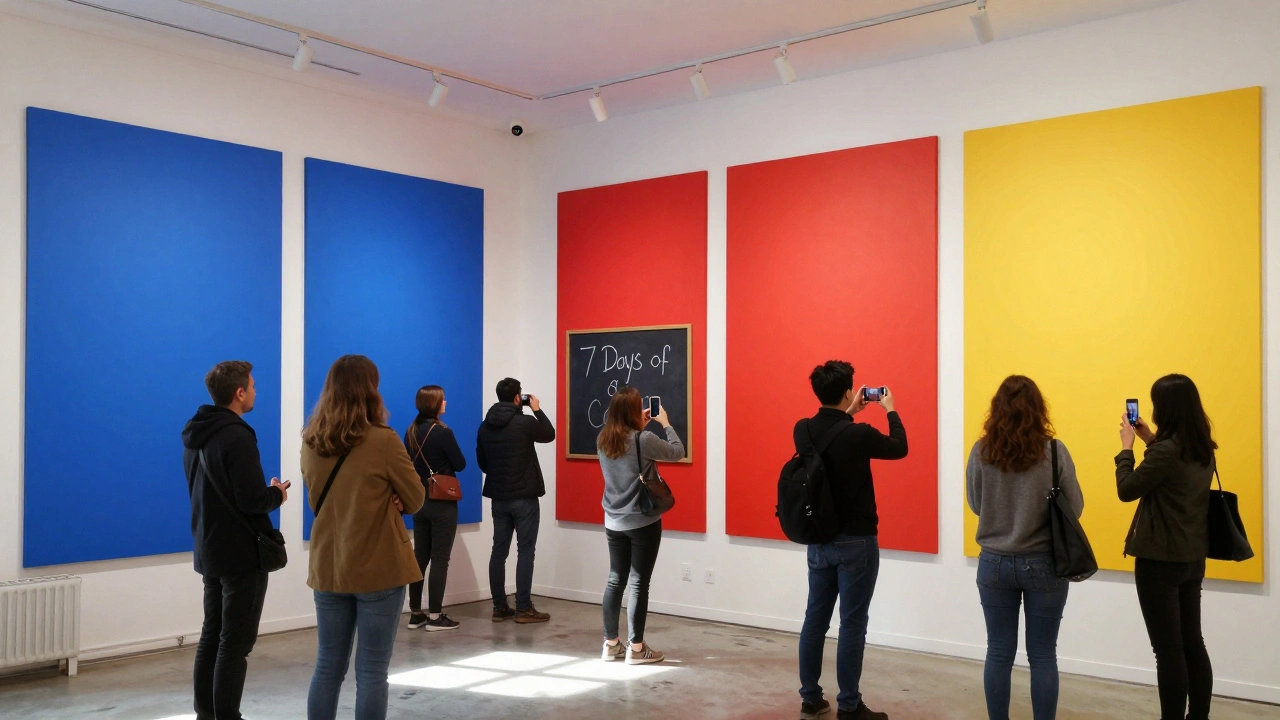
- Use time-limited themes. "7 Days of Color" - every day for a week, one artist transforms one wall with a new hue. It creates urgency. People come back daily. Social media explodes.
How to Plan Ahead - Without Burning Out
Seasonal marketing sounds great. But if you’re trying to pull it all off last minute, you’ll hate it.
Here’s a simple calendar you can start with:
- January: Plan your year. Pick 3-4 key seasons. Don’t try to do everything.
- February: Reach out to artists. Ask who’s working on seasonal work. Offer early exposure.
- March: Book venues, partners, and dates. Reserve your summer rooftop. Lock in your jazz duo.
- April: Start teasers. Post behind-the-scenes clips of artists preparing work. "What’s coming in July?"
- May: Launch your first promo. Email list. Instagram countdown. A postcard mailed to local households.
- June: Finalize logistics. Print signage. Train staff on how to talk about the theme.
- July-December: Execute. Track what works. Ask visitors: "What made you come?" Write it down.
You don’t need a big budget. You need consistency. One well-executed show per season beats four half-hearted ones.
What Not to Do
Some mistakes are easy to avoid.
- Don’t use the same theme every year. "Winter Wonderland" gets old. "Light in the Dark" can evolve. Add a new artist. Change the music. Shift the focus.
- Don’t ignore your local audience. If 80% of your visitors are from the same zip code, tailor your message to them. Talk about their streets, their weather, their stories.
- Don’t treat seasonal shows as sales events. You’re not a mall kiosk. You’re a cultural space. If everything is marked "50% off," people assume the art isn’t valuable.
Real Results, Not Just Vibes
At the Portland Art Collective, they started seasonal shows in 2023. Before? They had 120 visitors a month. After? 310. Sales went up 62%. But the real win? Repeat visitors. 43% of people who came for the holiday show came back for summer. That’s loyalty.
It’s not magic. It’s alignment. You match your art to the mood of the season. You make people feel seen. And when they feel seen, they don’t just look. They take something home.
Do seasonal shows really increase sales, or is it just hype?
Yes - and the data backs it up. A 2024 study of 147 small galleries across the Pacific Northwest showed that galleries with seasonal shows had 58% higher sales than those without. The increase wasn’t from discounts - it was from increased foot traffic, longer visits, and emotional connection. People buy when they feel the art fits their life at that moment.
What if my gallery doesn’t have a big space or budget?
You don’t need a big space. You need creativity. One gallery in Hood River hosted a "Pocket Show" - 12 small pieces displayed in the window of a local bookstore. No admission. No staff. Just a QR code to the gallery’s website. They sold 17 pieces in three weeks. Sometimes, less is more - and being unexpected is your biggest advantage.
How do I find artists who specialize in seasonal work?
Look beyond your usual circle. Check local art schools. Follow hashtags like #SeasonalArt or #PacificNorthwestArt on Instagram. Reach out to artists who’ve done public installations - they’re often used to working with themes and deadlines. Ask them: "What’s a season that moves you?" Their answer will tell you if they’re the right fit.
Should I run promotions during seasonal shows?
Not discounts. But yes to value. Offer free artist talks, extended hours, or a complimentary tote bag with any purchase. You’re not devaluing the art - you’re adding experience. People remember the experience, not the price.
How do I measure if a seasonal show worked?
Track three things: visitor count (use a simple counter at the door), sales (by piece and price), and feedback (ask five people: "What made you come?"). Don’t rely on social media likes. Real engagement is in the conversations you overhear.