Building an Initial Artist Network for Your Art Gallery
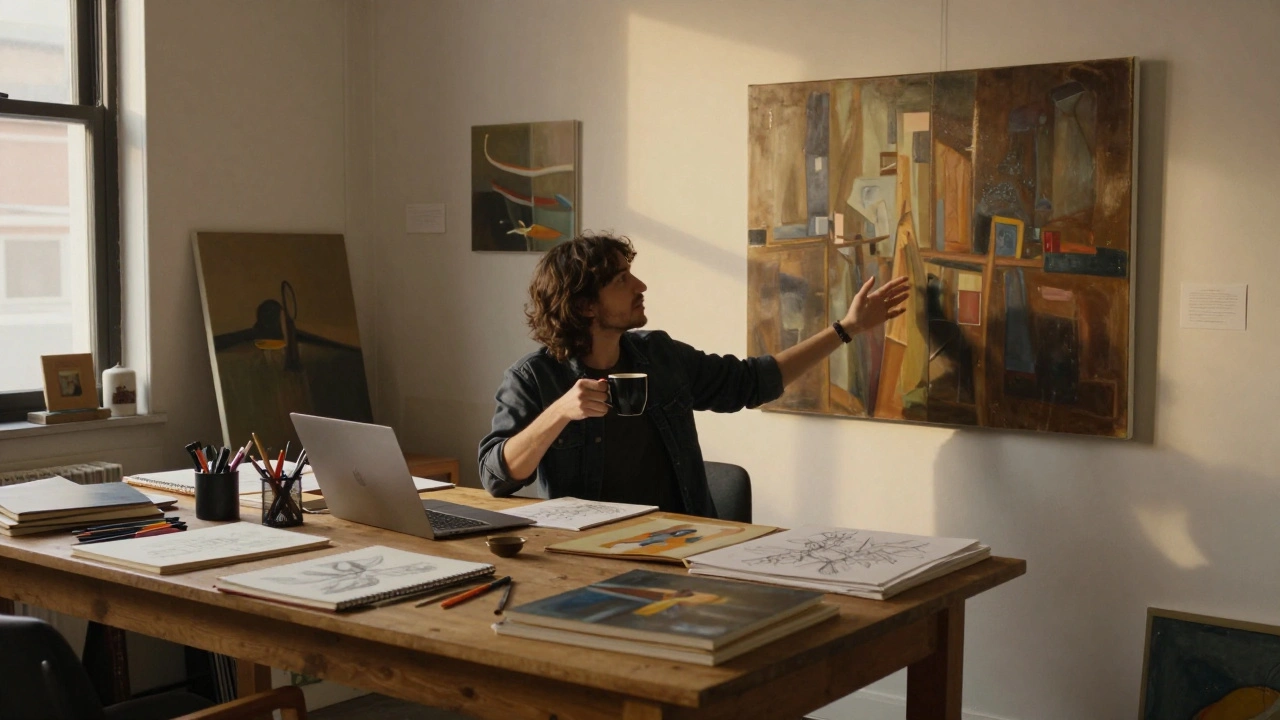
Starting an art gallery isn’t just about finding a space, hanging frames, and posting on Instagram. The real work begins before you open your doors: building an initial artist network. Without trusted artists who believe in your vision, your gallery won’t have the work, the credibility, or the momentum to grow. This isn’t about collecting names from a list. It’s about forming real relationships with creators who feel seen, heard, and supported.
Start Local - Don’t Chase Fame
Too many new gallery owners think they need to sign big-name artists right away. That’s a trap. Instead, look around your own city. In Portland, for example, there are hundreds of talented painters, sculptors, and mixed-media artists working out of garages, basements, and rented studio spaces. They’re not on Instagram with 50K followers. But they’re making work that matters - work that fits your gallery’s voice.Walk through neighborhoods like Alberta, Mississippi, or Sellwood. Visit open studio events. Check out small group shows at cafes or community centers. Talk to people. Ask artists: What’s your process? What’s the story behind your latest piece? Don’t pitch your gallery. Just listen. You’ll quickly spot who’s serious, who’s consistent, and who’s open to collaboration.
Make Your First 5 Connections Count
You don’t need 20 artists to start. You need five who are aligned with your mission. These are your foundation. Each one should bring something different:- One who works in bold, large-scale abstracts - perfect for your main wall
- One who creates intimate, detailed drawings - ideal for smaller, contemplative spaces
- One who uses recycled materials - adds sustainability to your brand
- One who’s active in local art collectives - they’ll bring their own community
- One who’s quiet but produces high-quality work consistently - your reliable backbone
These five artists become your early advocates. They’ll tell their friends. They’ll invite people to your opening. They’ll help you refine your vision before you even have a press release.
How to Approach Artists Without Sounding Like a Salesperson
Don’t send a cold email saying, “I’m starting a gallery - want to show your work?” That’s noise. Artists get dozens of these. Instead, try this:- Visit their studio or show up to their exhibition. Bring a coffee. Say: “I really connected with your piece ‘[Title]’. I’m starting a small gallery focused on local voices - I’d love to hear how you got here.”
- Listen. Take notes. Don’t interrupt. Ask follow-ups: “What’s the hardest part about showing your work?”
- Two weeks later, send a handwritten note: “Still thinking about your comment on balancing studio time with family. I’d love to keep the conversation going - no pressure.”
- If they respond, invite them to coffee. Not to sign a contract. Just to talk about what they need from a gallery.
- Only after trust is built, say: “I’m putting together a small group show in three months. Would you be open to showing one piece?”
This isn’t a transaction. It’s a relationship. And artists can tell the difference.
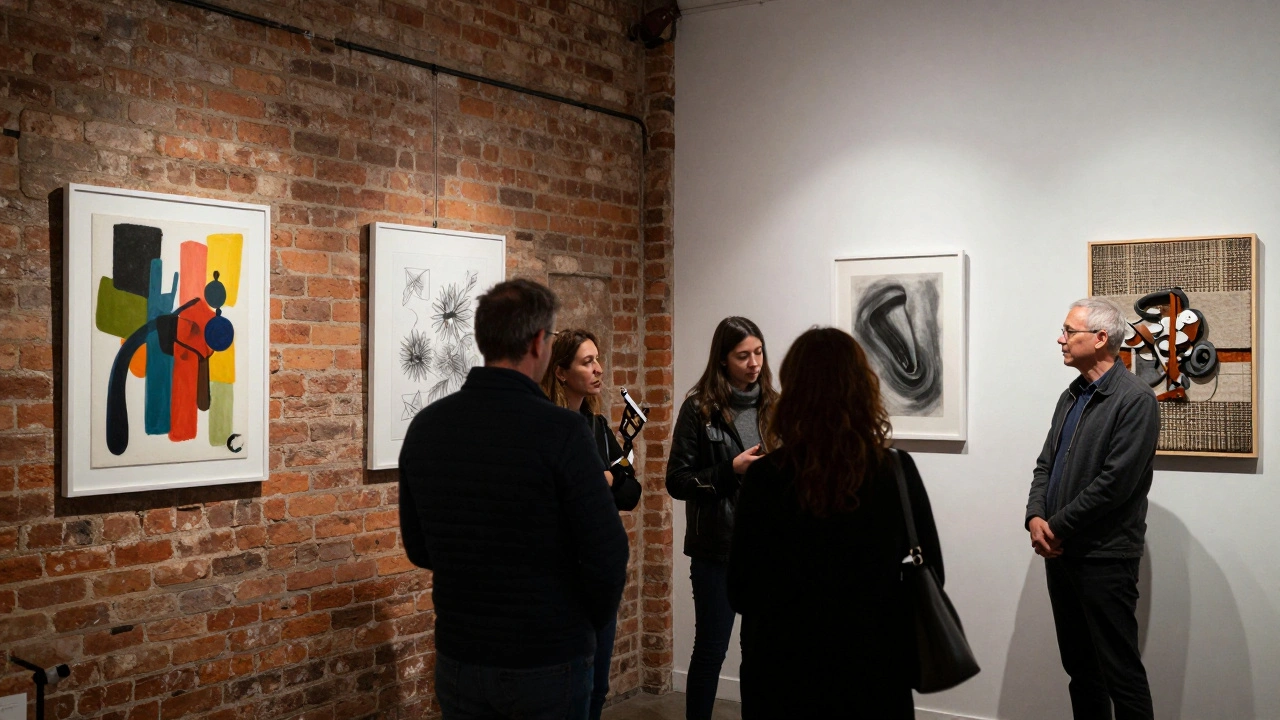
What Artists Really Want (And What They Don’t)
Most artists aren’t looking for a gallery that promises fame. They want:- Consistency - Do you show up on time? Do you hang work neatly? Do you follow through on promises?
- Respect - Do you treat their work as valuable, not just inventory?
- Communication - Do you update them on sales, feedback, or press?
- Fair terms - A 50/50 split is standard. Anything less, and you’ll lose trust fast.
- Space to grow - Can they show new work next time? Will you help them evolve?
What they don’t want:
- Being treated like a commodity
- Being asked to pay for wall space
- Being ignored after the first show
- Having their work mislabeled or poorly lit
- Being told to “just post more on Instagram”
Don’t assume you know what they need. Ask them. One artist I spoke with in Eugene told me, “I don’t care if you have a fancy website. I care if you remember my mom’s name.” That stuck with me.
Build a Simple, Honest Agreement
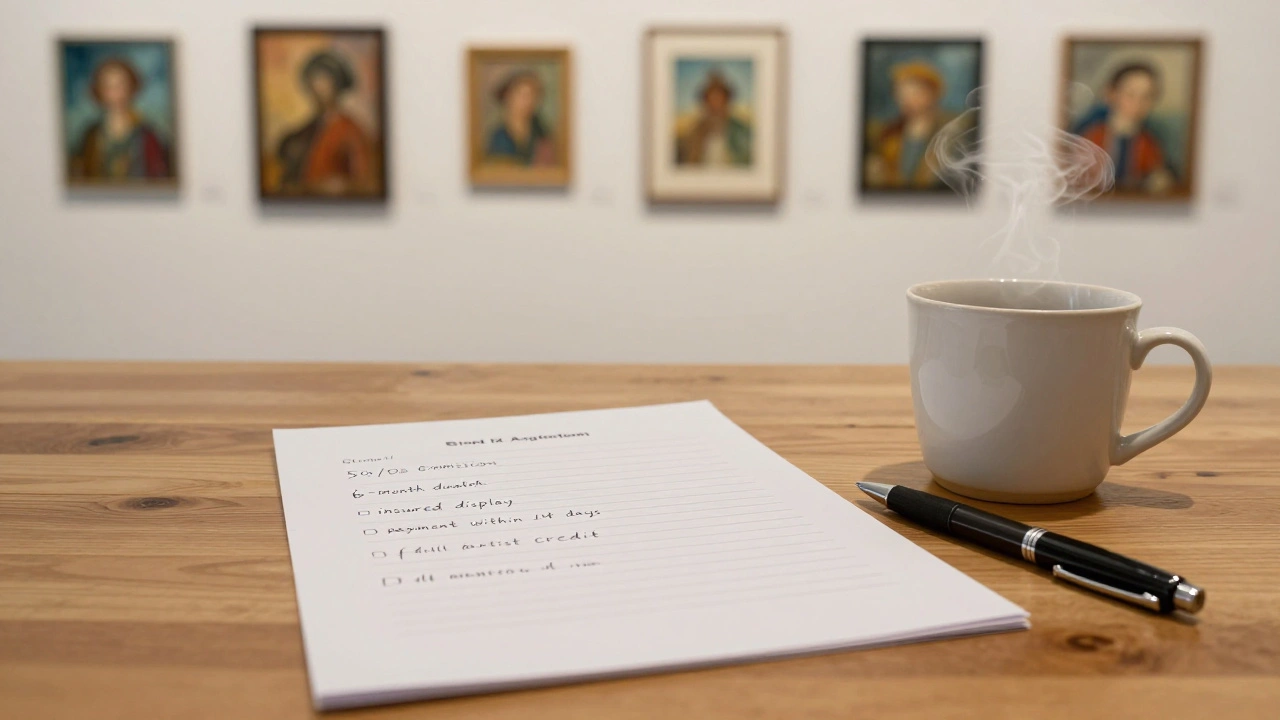
You don’t need a lawyer-drafted contract for your first five artists. But you do need clarity. Here’s what to include in a one-page agreement:- Gallery commission (50% is standard)
- Duration of the agreement (start with 6 months)
- Number of pieces they’ll provide per show
- How sales are handled (you collect, pay within 14 days)
- How work is insured (you cover while on display)
- How they’ll be credited (full name, bio, artist statement)
Hand them a printed copy. Say: “This is just to make sure we’re on the same page. We can adjust as we go.” That simple gesture builds huge trust.
Use Your First Show as a Test
Your first group exhibition isn’t about making money. It’s about testing your systems. Did the lighting work? Did people engage with the art? Did the artists feel respected? Did you handle sales smoothly?After the show, send each artist a personal note:
- “Here’s how your piece performed - $1,200 sold. Here’s your check.”
- “I loved how people lingered at your sculpture. One visitor said it reminded them of their childhood.”
- “What could we do better next time?”
Then, invite them to help plan the next show. Ask: “Who else should we invite?” Their network becomes your network.
Keep the Network Growing - Naturally
After your first show, you’ll have three things: a track record, a few happy artists, and some real feedback. Now you can start expanding - but slowly.Let your artists introduce you. Host a monthly artist coffee hour. Invite local writers, curators, or educators to come and talk. Don’t force it. Let connections form organically.
Two months in, you might invite one new artist. Three months in, maybe two. Keep the pace slow. Keep the standards high. Your reputation grows with every honest interaction.
What Happens When You Get It Right
When your artist network is strong, your gallery stops feeling like a business. It becomes a community. Artists will show up early to help hang work. They’ll bring friends. They’ll write about you in their newsletters. They’ll defend you when someone says, “That gallery’s just another cash grab.”You’ll get calls from artists in other cities: “I heard you treat your artists right. Can I send you some work?”
That’s when you know you’ve built something real.
How many artists should I start with for my first gallery show?
Start with 5 to 7 artists. Too few, and the show feels empty. Too many, and you lose focus. Five gives you variety without overwhelming your space or your capacity to manage relationships. Each artist should bring a distinct style or medium so the exhibition has depth and contrast.
Should I pay artists upfront for their work?
No. Paying upfront is a red flag for most serious artists and can drain your limited startup funds. Instead, use a standard 50/50 consignment model. You only pay when the work sells. This aligns your incentives - you both want the piece to find the right buyer. Make sure this is written clearly in your agreement.
What if an artist asks for a higher commission split?
A 60/40 split (artist/gallery) is unusual for a new gallery unless you’re offering major promotion, national press, or international exposure. If an artist asks for more, ask why. Are they already showing elsewhere? Do they have a large following? If so, you might offer a trial period with a higher split for their first show - but only if you’re confident you can sell their work. Never agree to 70/30 unless you’re prepared to absorb the cost.
How do I find artists who aren’t on Instagram?
Many great artists avoid social media. Look where they actually are: local art fairs, university graduate shows, community workshops, and artist-run collectives. Check bulletin boards at coffee shops, libraries, and community centers. Talk to art teachers, librarians, and local historians - they often know who’s quietly making exceptional work.
Is it okay to show artists who live outside my city?
Yes - but only after you’ve built trust with local artists. Your first show should be rooted in your community. Once you have a reputation, you can bring in regional or national artists. But if you start with outsiders, locals may feel excluded. Your gallery’s identity should reflect the place it’s in. That’s what makes it memorable.