Primary vs Secondary Market Dynamics in Art
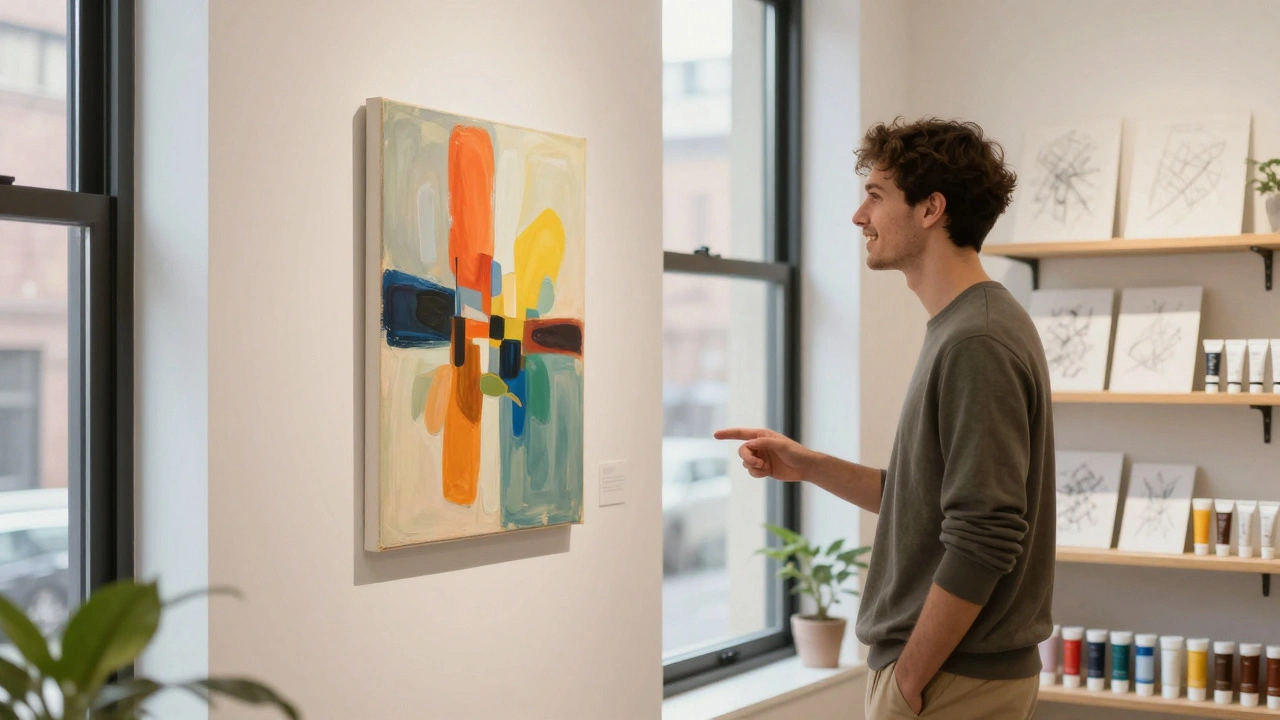
When you buy a painting directly from a gallery or artist’s studio, you’re stepping into the primary art market. When you buy that same painting later from an auction house or private dealer, you’re in the secondary art market. These aren’t just different places to shop-they’re completely different systems with their own rules, risks, and rewards.
What Is the Primary Art Market?
The primary market is where art first enters the world. This is where galleries, art fairs, and direct studio sales happen. Artists sell their work here for the first time, usually at prices set by the gallery or the artist themselves. There’s no resale history. No auction records. Just the original price tag.
Think of it like buying a new car from the dealership. You’re getting it fresh off the lot. The price reflects the artist’s reputation, the materials used, the time invested, and sometimes, the hype around their next show. In 2024, emerging artists in New York and Berlin were selling small-scale works for $1,500 to $8,000. Mid-career artists, with gallery representation and museum exposure, often hit $20,000 to $100,000.
One big advantage? You’re buying directly from the source. You know the story behind the piece. You might even meet the artist. Galleries often offer payment plans, and some even let you take the work on consignment before paying in full. But here’s the catch: there’s no guarantee the piece will ever increase in value. Many artists never break out. Their work stays in the studio, or worse, ends up in storage.
What Is the Secondary Art Market?
The secondary market is where art gets traded after its first sale. This is where Sotheby’s, Christie’s, and online platforms like Artsy and Artnet come in. It’s also where private collectors sell to other collectors, galleries, or museums. Prices here aren’t set by the artist-they’re set by demand, provenance, and history.
Take a painting by a once-obscure artist who suddenly gets a major museum retrospective. That same $10,000 piece from five years ago might now sell for $250,000. Or it might crash if the artist’s reputation fades. The secondary market is volatile because it’s driven by perception, not production.
In 2023, the global secondary art market hit $18.4 billion, according to the Art Basel and UBS Global Art Market Report. That’s more than twice the size of the primary market. Auction houses dominate this space. But private sales are growing fast. In fact, nearly 60% of high-value art sales now happen off-auction, through private dealers or collector-to-collector deals.
Price Setting: Who Decides?
In the primary market, the artist and their gallery set the price. It’s based on their track record, exhibition history, and sometimes, how much they think the market can bear. A new artist might start at $2,000. After three solo shows and a feature in Artforum, the price jumps to $15,000. It’s a slow, controlled climb.
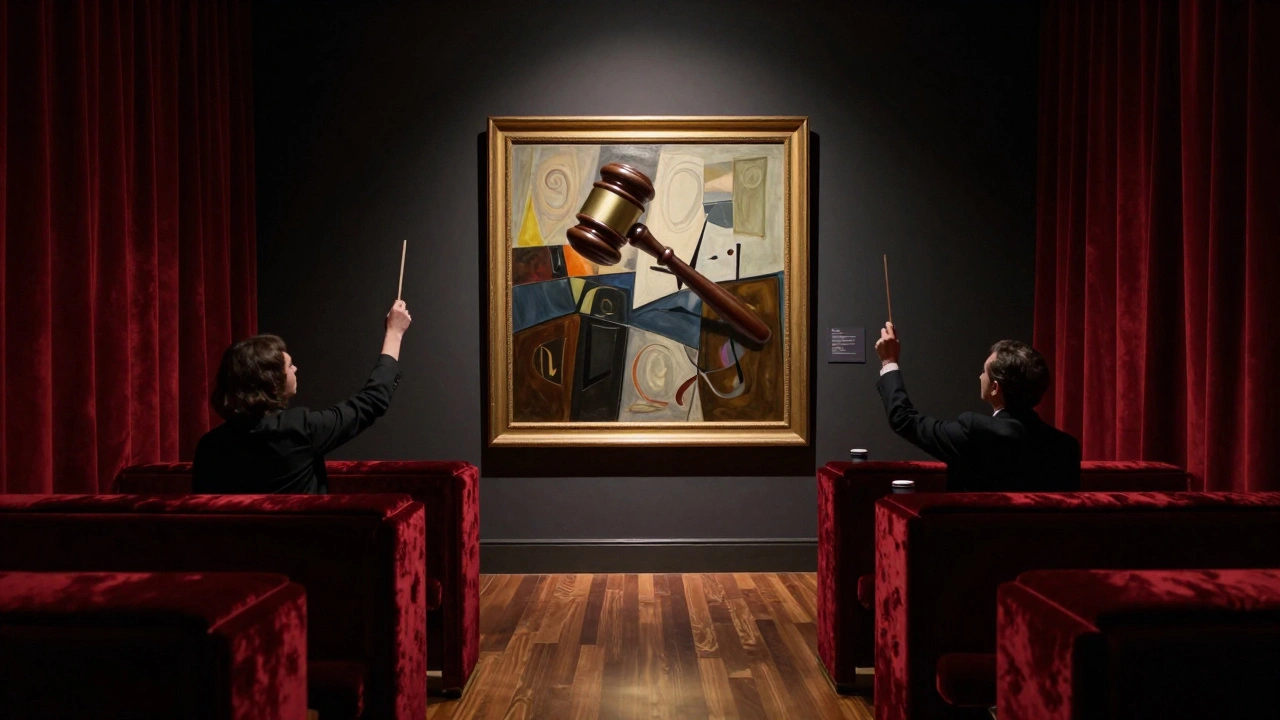
In the secondary market, prices are decided by competition. At auction, bidders drive the price up. If three collectors want the same piece, it can go 300% over the estimate. But if no one shows up, it might sell for less than the reserve. That’s why auction estimates are just guesses-they’re not guarantees.
Provenance matters more here. A painting that once hung in a famous collector’s home or was shown at the Venice Biennale can fetch double. A missing certificate of authenticity? That can slash the value by half.
Who Buys What?
Primary market buyers are often new collectors. They’re curious, willing to take risks, and looking for something fresh. They might buy because they love the work, not because they expect a return. Many are under 40. They use Instagram to discover artists, then visit galleries in person.
Secondary market buyers are usually more experienced. They’ve bought before. They track auction results. They know which artists have held value over decades. Many are institutional-museums, corporate collections, family offices. But private wealth is growing fast. In 2025, over 40% of high-net-worth individuals in the U.S. and Europe owned art, up from 28% in 2015.
There’s also a third group: speculators. They buy at auction hoping to flip quickly. They don’t care about the story. They care about the resale chart. This group fuels volatility. They’re why some artists spike and crash in just a few years.
Risk and Reward
Buying in the primary market is like investing in a startup. High risk. High potential reward. You might find the next Yayoi Kusama-or you might end up with a piece that never sells again. But you get to be part of the artist’s journey. You might even influence their career.
The secondary market feels safer. You have data. You can check past sales. You can see how similar works performed. But it’s not foolproof. In 2021, a painting by a once-hot Chinese contemporary artist sold for $1.2 million at auction. Two years later, it was offered again-no bids. The market moved on.
Another risk: forgery. The secondary market has a bigger problem with fake art. The FBI estimates that 10-20% of art in circulation may be counterfeit. Provenance helps, but it can be forged too. A forged certificate can make a fake look real.
How to Navigate Both Markets
If you’re starting out, begin in the primary market. Visit galleries. Talk to curators. Ask questions. Don’t buy just because it’s trendy. Buy because it moves you. Keep receipts. Get certificates. Document everything.
If you’re moving into the secondary market, do your homework. Use databases like Artnet Price Database or Artprice. Look at auction results from the last 10 years. Check museum collections. See if the artist has been shown in major institutions. Ask for provenance papers. If the seller can’t provide them, walk away.
Don’t treat art like stocks. You can’t time the market. A piece you love today might not be worth more in five years. But if you keep it long-term, it might become part of your legacy.
Why the Two Markets Matter Together
The primary market feeds the secondary. Without new artists entering the system, the secondary market would dry up. Galleries act as talent scouts. They test the waters. They build reputations. When an artist succeeds, their early works become collectible. That’s when the secondary market kicks in.
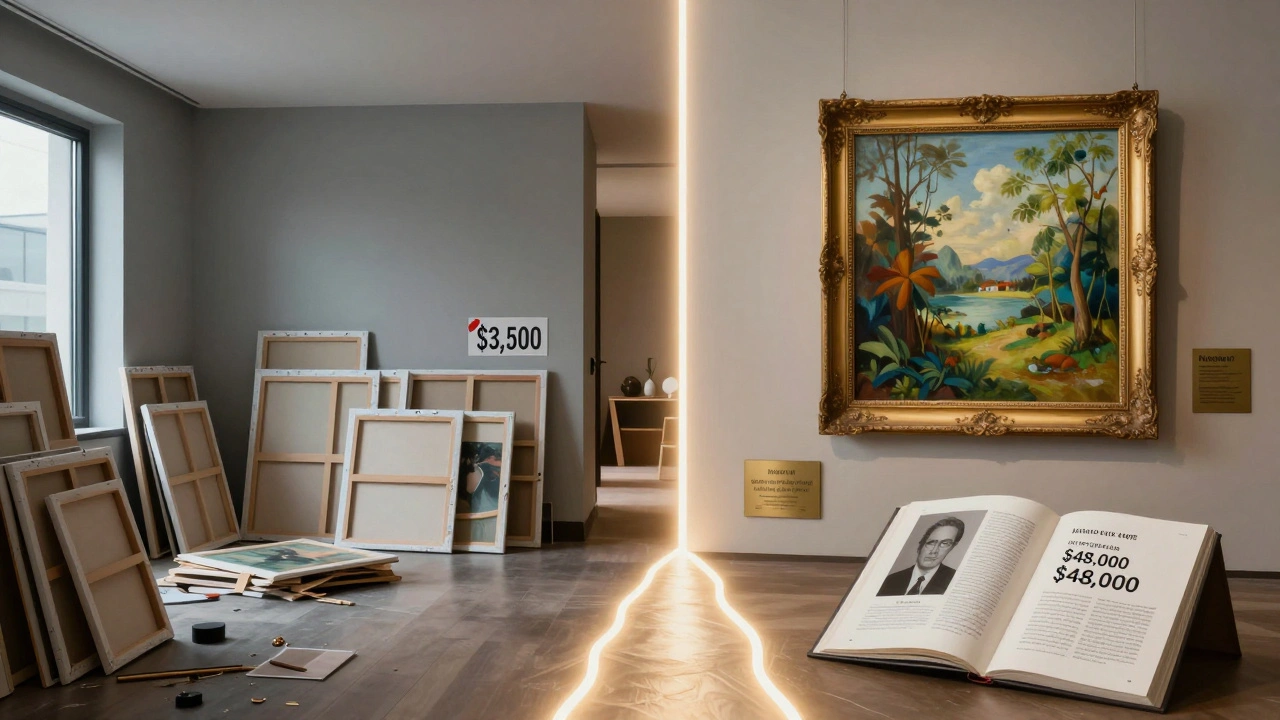
But the reverse is true too. When a piece sells for millions at auction, it lifts the entire career. Suddenly, the artist’s early works from the primary market become valuable. A $5,000 painting from 2015 might now be worth $50,000.
This feedback loop is how art markets grow. It’s not just about money. It’s about recognition. A painting that changes hands from a studio to a museum to a private collection tells a story-of discovery, validation, and legacy.
Final Thought: Buy What You Love
Whether you’re buying from a gallery or an auction house, remember this: art isn’t a financial product. It’s a cultural one. The primary market lets you meet the creator. The secondary market lets you join a longer story. Both are valid. Both are risky. But only one gives you a chance to be part of something that outlasts you.