Payment Options for Art Buyers: Make Purchasing Easy
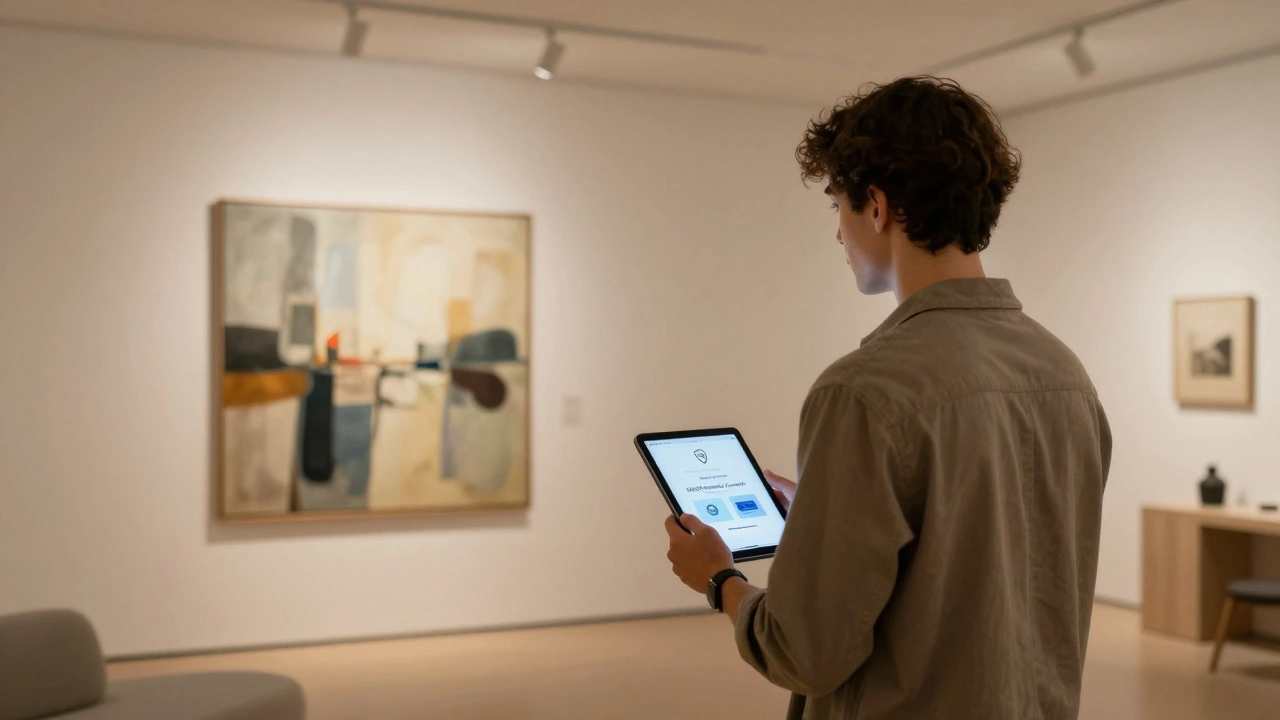
Buying art shouldn’t feel like a financial hurdle. Yet too many collectors walk away from pieces they love because the payment process feels confusing, risky, or rigid. If you’ve ever hesitated to purchase a painting, sculpture, or print because you weren’t sure how to pay-this is for you.
Why Payment Flexibility Matters in Art Sales
Art isn’t a commodity like a phone or a pair of shoes. It’s emotional. It’s personal. And it often comes with a price tag that makes people pause. A 2024 survey from the Art Basel and UBS Global Art Market Report showed that nearly 60% of collectors under 45 said they’d buy more art if payment terms were more flexible. That’s not a small number. It’s the difference between a one-time sale and a lifelong collector.
Gallery owners and artists who offer clear, simple payment options don’t just close more sales-they build deeper relationships. Buyers feel trusted. They’re more likely to return. And they often refer others.
What Payment Options Actually Work Today
Here are the five most effective ways buyers are paying for art right now:
- Credit cards - Still the most common. Buyers use them because they’re fast, familiar, and often come with purchase protection. Many galleries now accept Visa, Mastercard, and American Express with no extra fees. Some even offer 0% introductory APR for 6-12 months.
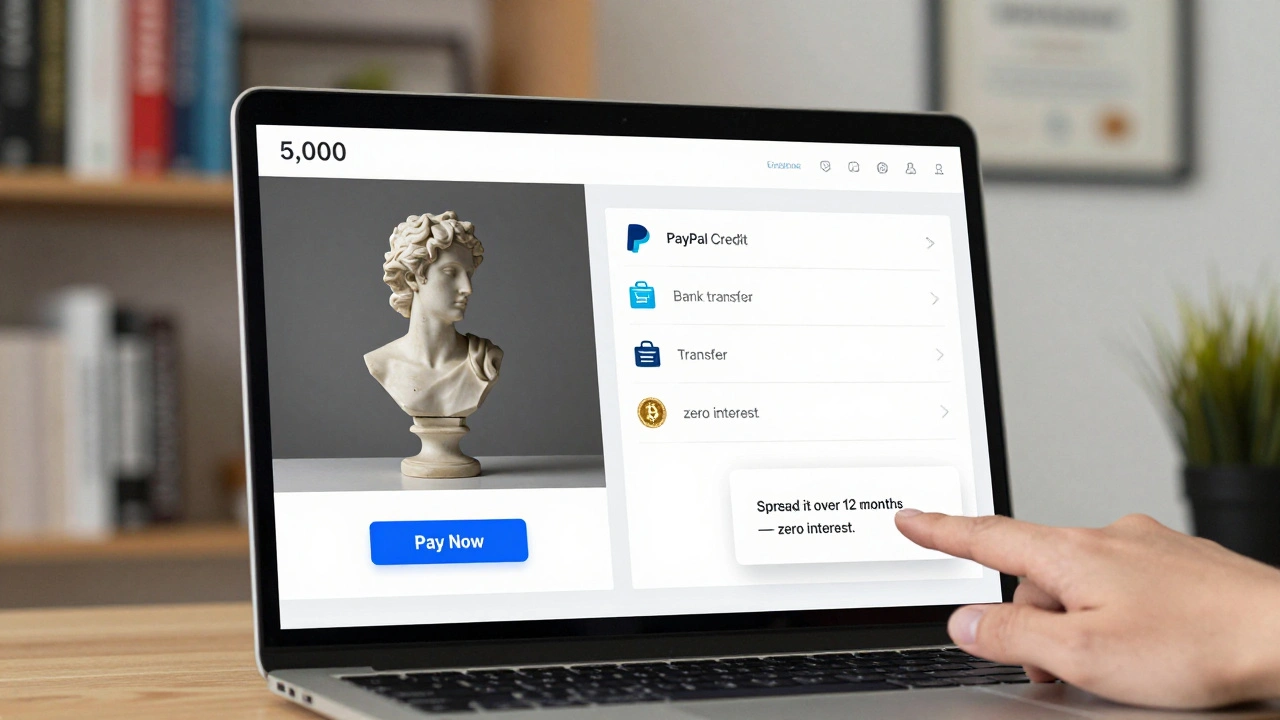
- Installment plans - This is where things get interesting. Platforms like PayPal Credit and a financing service that lets buyers pay for art in monthly installments with no interest if paid within 6 months are being integrated directly into art e-commerce sites. Buyers can split a $5,000 piece into 12 payments of $417-no credit check needed in many cases.
- Bank transfers - For high-value purchases, wire transfers remain the gold standard. Buyers transfer funds directly from their bank to the gallery’s account. It’s secure, traceable, and avoids credit card fees. Most galleries now provide detailed wire instructions, including SWIFT codes and reference numbers, right on the checkout page.
- Cryptocurrency - Bitcoin, Ethereum, and USDC are accepted by over 1,200 galleries worldwide, according to the 2025 ArtTech Index. Buyers love the speed and privacy. Galleries that accept crypto often use services like Coinbase Commerce and a platform that converts crypto payments into fiat currency instantly, so the seller never holds digital assets. It’s not for everyone, but it’s growing fast-especially among younger collectors.
- Trade or barter - Yes, this still happens. Some artists and galleries accept trade: a piece of furniture, a photography session, even legal or marketing services. It’s rare, but when it works, it creates loyalty. A Portland-based gallery traded a $3,200 abstract painting for a client’s web design work last year. The client now brings three friends every time they visit.
How to Present Payment Options Without Scaring Buyers
It’s not enough to offer options. You have to show them clearly. Here’s how the best galleries do it:
- Put payment choices right on the artwork page-not buried in a FAQ section.
- Use icons: a credit card, a calendar for installments, a crypto symbol, a bank transfer logo.
- Include a simple calculator: "Pay $200/month for 24 months" next to the price.
- State the benefits: "No interest for 12 months," "No credit check," "Instant crypto conversion."
One gallery in Santa Fe added a small pop-up after a buyer clicked "Add to Cart": "You can pay in full now, or spread it over 12 months with zero interest. Which works better for you?" The conversion rate jumped 37% in three months.
Security Is Non-Negotiable
Art buyers are wary. They’ve heard stories of scams, fake invoices, or payments disappearing. Here’s what builds trust:
- Use a third-party escrow service for high-value sales. The buyer pays into a secure account. The gallery ships the art. Once the buyer confirms receipt, funds are released. Services like Escrow.com and a trusted platform for high-value transactions, including fine art and antiques are used by major auction houses.
- Always provide a signed certificate of authenticity with every sale.
- Display security badges: SSL encryption, PCI compliance, verified payment partners.
- Never ask for wire transfers to personal accounts. Always use a business account with a clear business name.
What Doesn’t Work Anymore
Some old-school methods are fading fast:
- Cash on delivery - Too risky for both buyer and seller. No paper trail. No protection.
- Manual invoices sent via email - Feels outdated. Buyers expect to pay in one click.
- Only accepting checks - Checks take days to clear. Buyers don’t want to wait.
- Requiring full payment upfront with no options - This is the #1 reason people abandon carts. If you don’t offer flexibility, someone else will.

How to Set Up These Options in Your Sales System
If you’re an artist or small gallery, you don’t need a fancy CRM. Start simple:
- Choose one payment processor that supports multiple methods. Stripe and a payment platform that handles credit cards, bank transfers, and crypto, with built-in installment tools is the most popular choice. It’s easy to integrate with Shopify, WooCommerce, or even Instagram.
- Enable installment plans. Stripe lets you offer 3-, 6-, or 12-month plans with no interest. Buyers choose during checkout.
- Add crypto. Use Coinbase Commerce or BitPay. They handle conversion to USD automatically.
- Link your payment options to your CRM. When someone chooses a payment plan, tag them as "Installment Buyer" so you can follow up with care.
One artist in Portland started using Stripe’s payment plans in October 2025. Within four months, her average sale went from $1,800 to $3,400. Why? Buyers who couldn’t afford the full price upfront could now buy what they loved.
Final Thought: Make Payment Part of the Experience
Art isn’t just about the object. It’s about the moment you take it home. The payment process should feel like part of that moment-not a barrier.
When a buyer sees clear options, feels safe, and has control over how they pay, they don’t just buy a piece. They buy into a relationship. And that’s what keeps them coming back.
Can I pay for art in monthly installments without a credit check?
Yes. Many galleries now use financing platforms like PayPal Credit or Affirm that offer interest-free installment plans with no hard credit check. These services perform a soft inquiry, which doesn’t affect your credit score. You typically need to be over 18, have a valid bank account, and provide basic income info. The approval is instant, and you can choose terms from 3 to 24 months.
Is cryptocurrency safe for buying art?
When handled through reputable platforms like Coinbase Commerce or BitPay, yes. These services convert your crypto payment into U.S. dollars immediately, so the seller never holds Bitcoin or Ethereum. You get a receipt, a transaction ID, and the payment is irreversible-just like a wire transfer. Always verify the gallery’s crypto address before sending. Never send crypto to a personal wallet unless you know the seller personally.
What’s the best way to pay for a $10,000 painting?
For a purchase this size, a bank wire transfer is still the most secure and widely accepted method. It’s fast, traceable, and has no transaction fees. If you’d prefer to spread the cost, ask if the gallery offers a 12-month interest-free installment plan. Many now do. Avoid using a credit card for large purchases unless you’re confident you can pay it off quickly-high balances can hurt your credit utilization ratio.
Do galleries accept trade or barter?
Some do, especially smaller galleries or independent artists. It’s more common in local art scenes than in major cities. If you want to trade, propose a specific service or item of clear value-like a professional photoshoot, website redesign, or handmade furniture. Always get a written agreement stating the value of both items and include a clause for tax reporting, as bartered goods are taxable in the U.S.
How do I know if a gallery is legitimate when paying online?
Check three things: First, does the gallery have a physical location or studio address listed? Second, do they provide a certificate of authenticity with every sale? Third, are they using a trusted payment processor like Stripe, PayPal, or Escrow.com? Avoid galleries that only accept crypto or wire transfers to personal accounts. Look for reviews on Artsy, Saatchi Art, or even Google. Legitimate galleries are transparent about their process.
Art collectors don’t need more options-they need better ones. Clear. Safe. Simple. When you make paying for art feel as natural as buying a book or a coffee, you’re not just selling artwork. You’re building a community.