Paid Ads for Art Galleries: Facebook, Instagram, Google Tactics
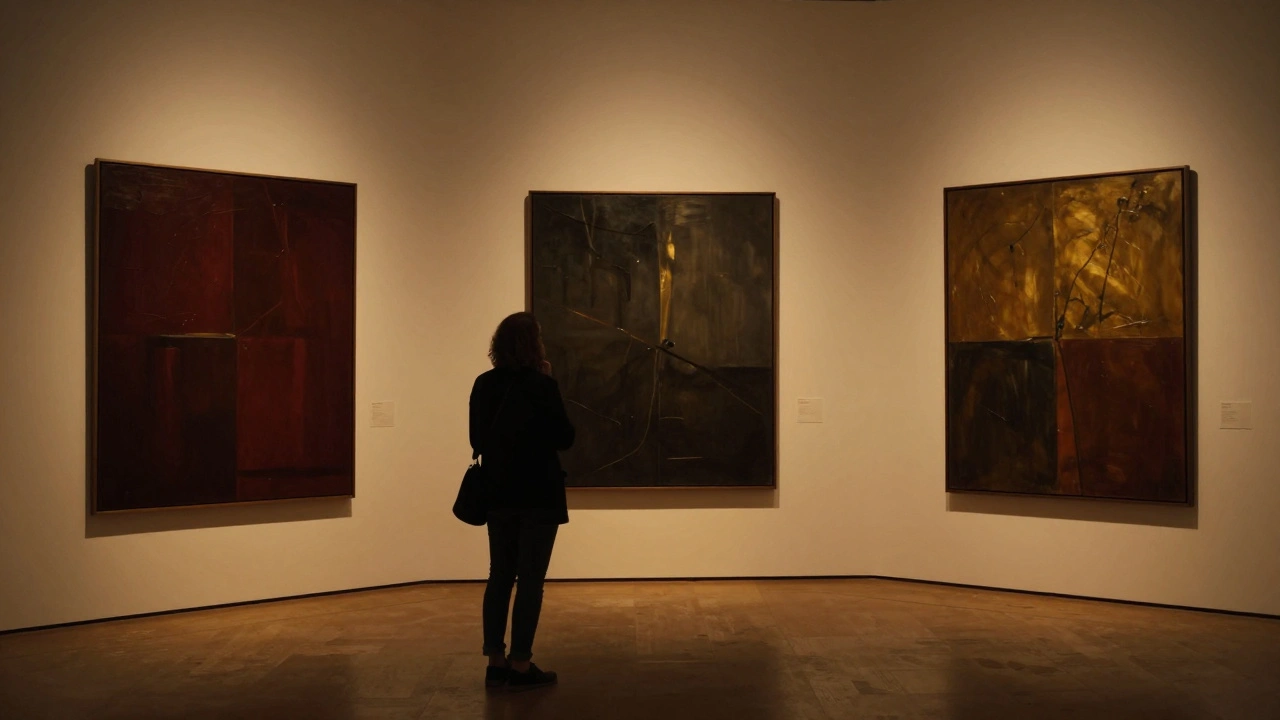
Running paid ads for an art gallery isn’t like selling shoes or software. You’re not pushing a product people need-you’re inviting them into an experience, a feeling, a moment of connection. That’s why generic ad tactics fail. If your gallery’s Facebook ad looks like a discount sale for socks, you’re already losing. But when you treat ads like curated exhibitions, you start attracting the right people: collectors, enthusiasts, and curious minds who don’t just scroll-they stop.
Facebook Ads: Target the Quiet Collectors
Facebook isn’t just for memes and family updates. It’s where serious art buyers live. Not the ones who buy on impulse. The ones who research, compare, and wait for the right piece. They’re in their 40s to 60s, often with higher incomes, and they follow galleries, artists, and cultural institutions-not brands.
Your Facebook ad should feel like an invitation to a private viewing. Use carousel ads to show three pieces from a current exhibition. Each image gets its own caption: one with the artist’s name and medium, another with a short quote from the artist about the piece, and the third with a subtle CTA like "Reserve a private viewing". Don’t say "Buy now." Say "See it in person."
Targeting? Go narrow. Layer interests: "Contemporary Art," "MoMA," "Art Basel," "Sculpture Garden," "The Art Newspaper." Add behavioral data: people who visited your gallery’s website in the last 30 days, or who engaged with your posts. Retarget them with a video-15 seconds of the gallery’s lighting at dusk, a slow pan across a new sculpture, no music, just ambient sound. People remember atmosphere, not slogans.
Instagram: Make It Feel Personal
Instagram is where art becomes emotional. It’s not about selling-it’s about showing the soul behind the canvas. Your feed should look like a gallery’s Instagram page, not a billboard. Post daily: a detail shot of brushstrokes, a behind-the-scenes clip of the curator hanging a piece, a 30-second Reel of the artist talking about their process.
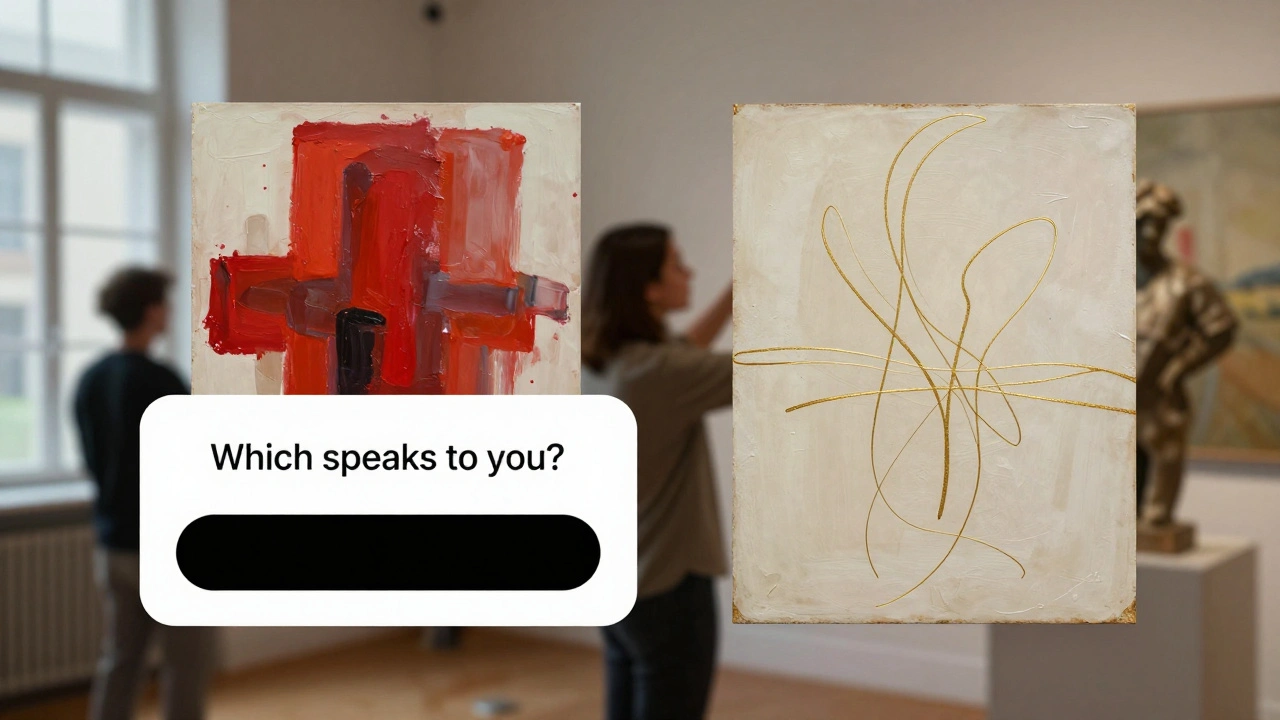
For paid ads, use Stories and Reels. A Story ad with a poll: "Which piece speaks to you?"-two images side by side. The poll isn’t for engagement metrics. It’s for data. You learn what resonates. Then retarget those who voted with a direct message: "Thanks for voting. We’re hosting a live Q&A with the artist next Thursday. You’re invited."
Use hashtags like #ContemporaryArtCollector or #GalleryLife-not #ArtLovers or #ArtGallery. The first two attract people who already know what they’re looking for. The others attract everyone.
Don’t forget influencer collabs. Not celebrities. Find micro-influencers: art historians with 10K followers, local journalists who cover culture, or even gallery volunteers who post authentic stories. Their audience trusts them. A single post from someone who says, "I spent an hour just staring at this piece. I’ve never felt that before," is worth 100 sponsored ads.
Google Ads: Capture the Intent
People don’t search for "art gallery" because they’re bored. They search when they’re ready. "Art galleries near me," "contemporary art exhibitions in Chicago," "buy original paintings online." These are high-intent searches. Google Ads are your best chance to meet them exactly when they’re looking.
Use location-based search ads. If you’re in Portland, target "art galleries in Portland" and "original oil paintings Portland." Include your gallery’s exact address in the ad copy. Google lets you show a map pin, hours, and even a button that says "Call Now" or "Get Directions." Make sure those buttons work.
Set up a dedicated landing page-not your homepage. Call it "Current Exhibition" or "New Works Available." Include: high-res images, artist bios, pricing (even if it’s "Contact for pricing"), and a simple form: name, email, and "What drew you to this exhibition?" That last question isn’t fluff. It tells you who’s serious.
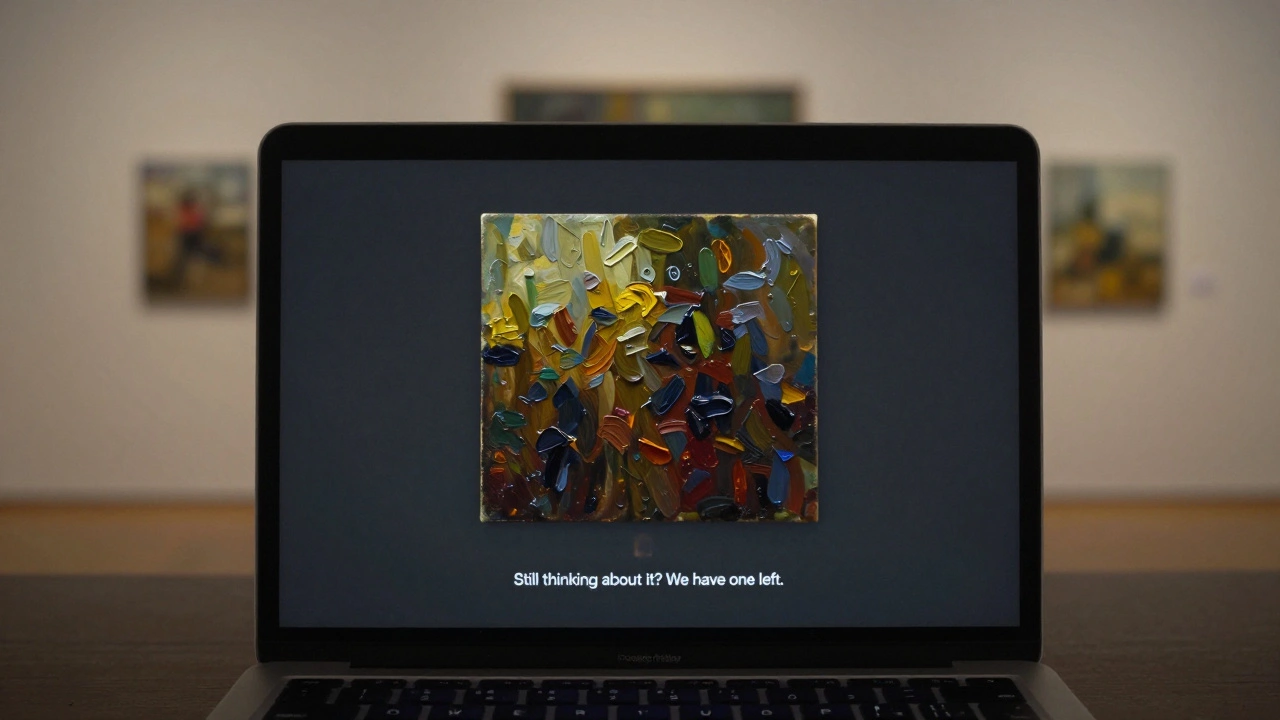
Use remarketing. If someone visits that page but leaves without contacting you, show them a Google Display ad with one of the exhibition’s most striking pieces. Add text: "Still thinking about it? We have one left."
Why Most Galleries Fail at Paid Ads
They treat ads like sales pitches. They use stock photos. They say "Visit us today!" like a car dealership. They don’t explain why their gallery is different.
Here’s what works: authenticity. A real artist’s voice. A real gallery space. Real questions from real visitors. One gallery in Brooklyn saw a 40% increase in inquiries after switching from glossy ad shots to candid clips of visitors sitting on the bench in front of a new installation, quietly taking notes.
Another gallery stopped running ads on weekends. They noticed their best conversions came on Tuesday and Wednesday evenings-when people were home, relaxed, scrolling after dinner. They shifted their budget. Sales jumped.
What to Track (And What to Ignore)
Don’t care about likes. Don’t care about shares. Care about:
- Clicks to your exhibition page
- Time spent on that page (over 90 seconds means they’re engaged)
- Form submissions: "Contact us" or "Request viewing"
- Phone calls from ad clicks
- Repeat visitors: people who come back after seeing an ad
If someone clicks your ad, spends 3 minutes on your site, and then leaves? That’s a win. They’re thinking. You planted a seed. Follow up in 7 days with a handwritten note (yes, real paper) and a small print of one piece from the show. No price. Just: "Thought you might appreciate this."
Final Tip: Ads Are the Doorway, Not the Exhibit
Your ads don’t need to sell. They need to invite. The real sale happens when someone walks into your space, stands in front of a piece, and feels something they can’t explain. That’s why your gallery’s physical presence matters more than your ad budget.
Use ads to get them in the door. Then let the art do the rest.
How much should an art gallery spend on paid ads monthly?
There’s no fixed number, but most successful galleries spend between $1,500 and $5,000 per month. Smaller galleries start at $800-$1,200 and test one platform at a time-usually Google first, then Instagram. The key isn’t spending more, it’s spending smart. Track which ads bring in real inquiries, not just clicks. One gallery in Austin cut their budget from $4,000 to $1,800 and doubled their qualified leads by focusing only on high-intent Google searches and retargeting visitors who stayed on their site longer than 2 minutes.
Should art galleries run ads on TikTok?
Only if your audience is under 30 and your art is experimental, immersive, or interactive. Most serious collectors aren’t on TikTok. But if you’re a gallery showing digital art, VR installations, or street-inspired work, TikTok can be powerful. Use short, silent videos showing the art in motion-no voiceover, just music and movement. A 12-second clip of a kinetic sculpture rotating under changing light got 1.2 million views for one LA gallery. It didn’t sell directly, but 87 people contacted them after seeing it.
Can I use the same ad across Facebook, Instagram, and Google?
No. Each platform has its own rhythm. Facebook ads work best with text-heavy, thoughtful captions. Instagram thrives on visuals and emotion-use Reels and Stories. Google is all about intent: clear, direct language that answers a search. Reusing the same creative across platforms feels lazy and reduces performance. A gallery in Chicago tried this and saw a 30% drop in click-through rates. They redesigned each ad for the platform and saw conversions rise by 65%.
Do I need a website to run paid ads for my gallery?
You absolutely do. Google Ads require a landing page. Facebook and Instagram will penalize you if your ad links to a generic homepage with no clear next step. Your website doesn’t need to be fancy-it needs to be clear. Show your current exhibition, list artist names, include a contact form, and add your hours. Even a simple Squarespace or Wix site works. What matters is that when someone clicks your ad, they land somewhere that feels like a real gallery-not a sales page.
How do I know if my ad is working if no one buys right away?
Art sales are slow. People don’t buy a $15,000 painting after seeing one ad. Track engagement, not sales. If 15 people visit your exhibition page, 5 sign up for your newsletter, and 3 request a private viewing, that’s success. Use email follow-ups: send a curated email every 3 weeks with a new piece, a short artist story, and an invitation to an upcoming event. One gallery in Boston saw 40% of their annual sales come from people who first engaged with their ads 6 months earlier. Patience pays.