Outdoor Gallery Spaces: How to Design Patios, Sculpture Gardens, and Exterior Displays That Turn Heads
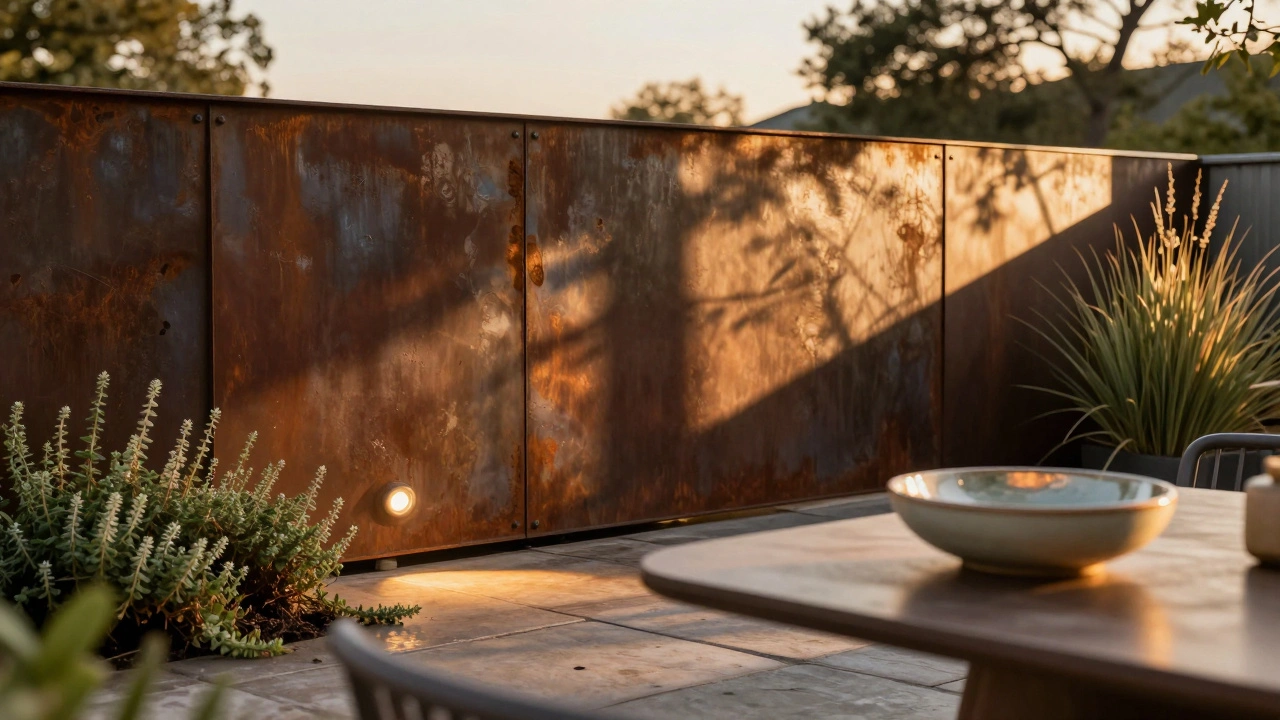
Think of your backyard as more than just a place to grill or lounge. What if it could be a living gallery-where art breathes under open skies, where light shifts across metal and stone, and where visitors pause not just to admire, but to feel something? Outdoor gallery spaces-patios, sculpture gardens, and exterior displays-are no longer niche luxury projects. They’re becoming everyday extensions of home, museums, and public life. And they’re easier to create than you think.
Why Outdoor Art Works Better Than You Realize
Indoor galleries control light, temperature, and crowd flow. Outdoor spaces don’t. And that’s their superpower. Sunlight doesn’t just illuminate-it transforms. A bronze statue that looks quiet at noon glows like fire at sunset. Rain makes stone shimmer. Wind moves mobiles you never knew you needed. People don’t just walk past outdoor art; they stop, sit, lean in. A 2023 study from the University of Oregon found that public art in outdoor settings increased dwell time by 68% compared to indoor exhibits. People stay longer. They talk. They remember.
It’s not just about aesthetics. Outdoor art connects us to place. A sculpture garden in Portland doesn’t just display work-it echoes the region’s forests and rivers. A patio display in Austin reflects the bold colors and rhythms of Texas culture. These spaces don’t need to be huge. Even a 10-foot wall with three carefully chosen pieces can become a destination.
Patios as Art Platforms
Most patios are just paved slabs with chairs. But they can be the quietest, most personal gallery you’ll ever own. Start by thinking of your patio as a frame-not a floor. What’s on the walls? What’s on the ground? What’s overhead?
- Wall-mounted art: Weatherproof metal reliefs, ceramic tiles sealed with marine-grade glaze, or laser-cut steel panels from companies like ArtMetal a U.S.-based studio specializing in corrosion-resistant outdoor metal art last for decades. Mount them at eye level, not too high.
- Tabletop sculptures: A single piece-say, a hand-thrown ceramic bowl by a local artist-on a stone table becomes a focal point. Change it seasonally. Spring: blossoms. Winter: a dark, polished river stone.
- Lighting matters: Low-voltage LED spotlights angled upward create drama. Don’t wash everything in white light. Use 2700K warm white. It mimics candlelight and makes textures pop.
One homeowner in Santa Fe turned her 12x18-foot patio into a rotating showcase. She rotates four pieces every three months. No one knows what’s next. That curiosity brings neighbors over. It’s not just art. It’s conversation.
Sculpture Gardens: Where Nature and Art Collide
A sculpture garden isn’t just a lawn with statues scattered around. It’s a curated journey. Think of it like a trail through a forest, but instead of trees, you have art.
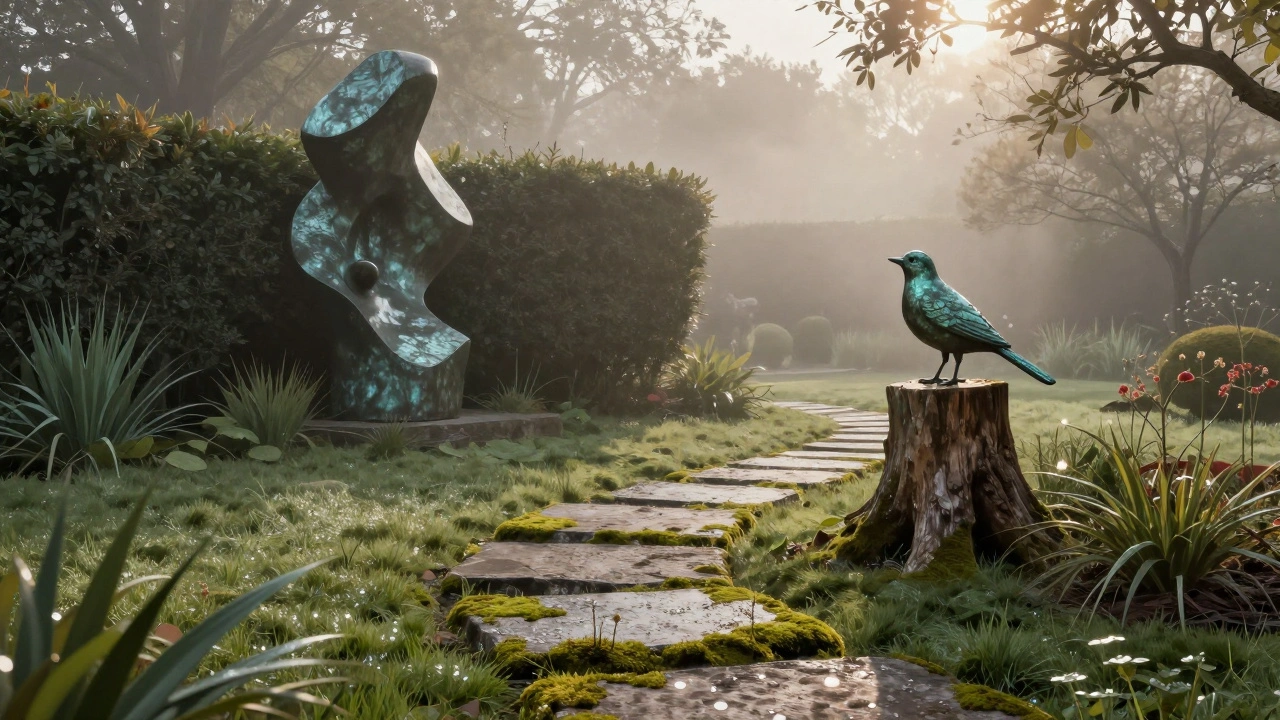
Start with layout. Use pathways-gravel, stepping stones, or low grass-to guide movement. Don’t make it easy to see everything at once. Hide pieces. Let people discover them. A large abstract form tucked behind a hedge creates surprise. A small bronze bird on a mossy stump invites closer inspection.
Material choices are critical. Here’s what lasts:
| Material | Longevity | Best For | Maintenance |
|---|---|---|---|
| Stainless Steel (316 grade) | 50+ years | Modern, industrial styles | Wipe with water annually |
| Cast Bronze | 100+ years | Figurative, traditional | Apply wax every 2 years |
| Weathering Steel (Corten) | 30-50 years | Raw, rustic, geometric | None-rust forms protective layer |
| High-Density Polyethylene (HDPE) | 20-30 years | Colorful, abstract | Occasional clean with mild soap |
| Stone (Granite, Basalt) | 100+ years | Minimalist, monumental | None |
Planting matters too. Don’t bury art in bushes. Let it breathe. Use low-growing ornamental grasses, ground covers like creeping thyme, or seasonal bulbs that bloom around the artwork. In winter, when leaves fall, the sculptures stand alone-and that’s when they sing.
Exterior Displays: Beyond the Backyard
Not everyone has space for a sculpture garden. But almost everyone has an exterior wall, a courtyard, or a driveway. That’s where exterior displays shine.
Hospital lobbies, coffee shops, libraries-they’re all using outdoor art to soften their edges. A 2024 survey by the National Endowment for the Arts found that 72% of businesses reported improved visitor mood after adding even one outdoor piece.
Here’s how to do it right:
- Size matters: A single large piece (4-6 feet tall) works better than five small ones. It creates a signature.
- Placement: Near entrances. Near seating. Near windows people look out of. Don’t tuck it in the corner.
- Security: Anchor heavy pieces to concrete footings. Use tamper-resistant bolts. Most thefts happen at night-make it hard to remove.
- Signage? Skip it. Let the art speak. If you must label, use a small, recessed plaque-no neon signs.
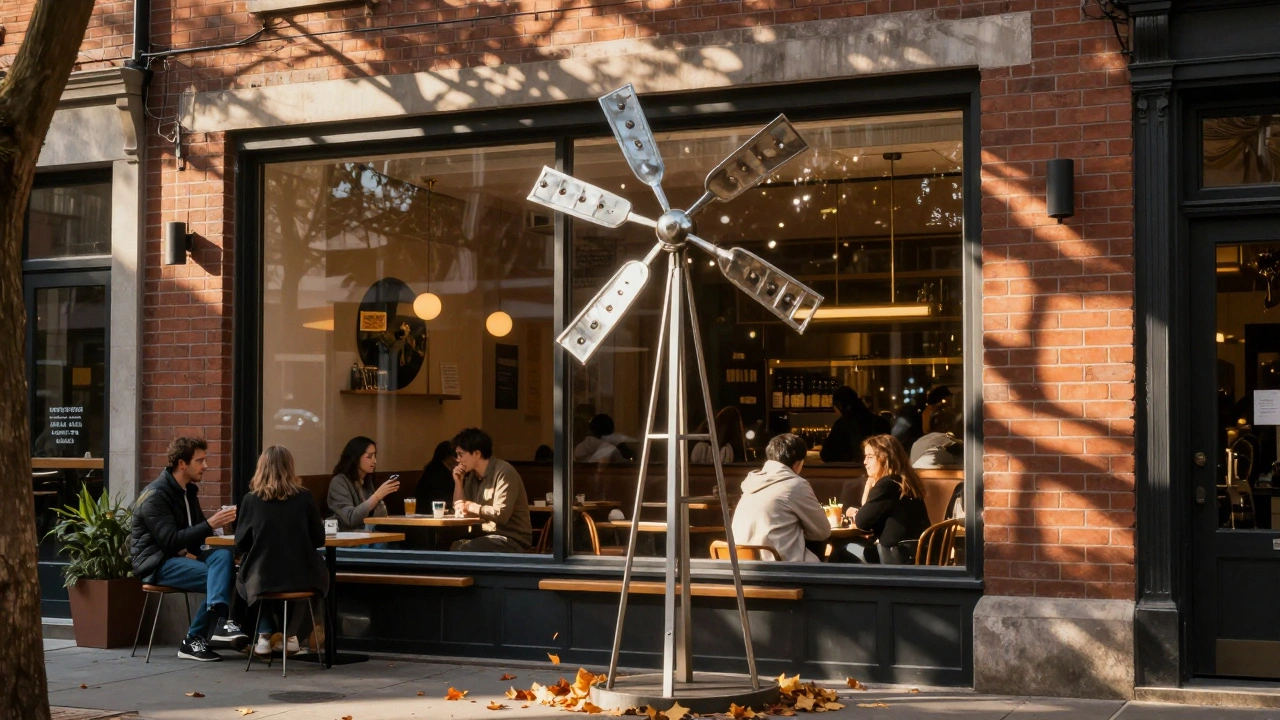
A café in Asheville installed a 5-foot-tall steel wind sculpture outside its front window. Customers started taking photos. They tagged the shop. Sales went up 19% in three months. The art wasn’t expensive. It was intentional.
What to Avoid
Outdoor art has a high success rate-but only if you avoid the common traps.
- Don’t use cheap resin or plastic. It fades in 6 months. It cracks in freeze-thaw cycles. It looks like trash.
- Don’t overload. One powerful piece beats ten mediocre ones. Less is more. Always.
- Don’t ignore climate. A piece that works in Arizona won’t survive a Michigan winter. Choose materials matched to your weather.
- Don’t forget maintenance. Even stainless steel needs occasional cleaning. Dust, bird droppings, pollen-they build up. Schedule a spring wipe-down.
Where to Find Art (Without Breaking the Bank)
You don’t need to commission a $20,000 sculpture. Many artists sell affordable pieces online or at local craft fairs.
- Artful a curated online marketplace for outdoor art with filters for climate suitability and size offers 300+ pieces under $1,200, all tested for weather resistance.
- Local university art departments often have student exhibitions. Many sell work for under $500.
- Salvaged industrial parts-old gears, pipes, steel sheets-can be turned into art by local fabricators. It’s sustainable and unique.
One couple in Seattle bought a 4-foot steel pipe sculpture from a student for $350. They mounted it on their patio. Now it’s their Instagram favorite. No one knows it cost less than a good TV.
Start Small. Think Big.
You don’t need to redesign your whole yard. Start with one wall. One corner. One piece. A single sculpture on a pedestal. A metal panel with a quote etched into it. A hanging mobile that catches the breeze.
Outdoor gallery spaces aren’t about perfection. They’re about presence. About making art part of your daily rhythm-where you sip coffee, where your kids run, where guests sit in silence and stare.
Art doesn’t need walls. It just needs space. And you already have it.
Can I put any sculpture outside, or do materials matter?
Materials matter a lot. Indoor sculptures made of plaster, wood, or low-grade metal will crack, rust, or fade within a year outdoors. Stick to materials built for weather: stainless steel (316 grade), cast bronze, weathering steel (Corten), granite, basalt, or high-density polyethylene (HDPE). These handle rain, sun, freezing temperatures, and UV exposure without degrading. Avoid plastic, resin, and painted wood unless they’re specifically rated for outdoor use.
How do I protect outdoor art from theft or vandalism?
Anchor heavy pieces to concrete footings using stainless steel bolts. For wall-mounted art, use tamper-resistant fasteners that require special tools to remove. Install motion-sensor lighting near displays. If you’re in a high-risk area, consider a discreet security camera. Most thefts happen when art is easy to carry away-so size and weight are your first defenses. A piece over 50 pounds is rarely stolen.
Do I need a permit to install outdoor art on my property?
In most residential zones, you don’t need a permit for art unless it’s over 6 feet tall, mounted on a structural post, or placed in a front yard easement. Always check your local zoning code. Some HOAs restrict size, material, or placement. If you’re unsure, call your city’s planning department. They’ll tell you in 5 minutes. Most homeowners are surprised to learn they’re allowed to display art without approval.
What’s the best way to light outdoor art at night?
Use low-voltage LED spotlights with a warm color temperature (2700K). Angle them upward to highlight texture and shadow-never shine light directly into people’s eyes. Install them in ground wells or mount them on low posts. Avoid floodlights-they wash out detail. A single well-placed spotlight can turn a simple piece into a dramatic focal point. Solar lights work for small, low-traffic areas, but they’re not bright enough for detailed sculptures.
How often should I clean or maintain outdoor art?
Clean once a year in spring. Use a soft brush and mild soapy water. For bronze, apply a thin layer of microcrystalline wax every two years to preserve the patina. Stainless steel needs only a rinse to remove salt or pollen buildup. Weathering steel (Corten) doesn’t need any care-it’s designed to rust. Stone requires nothing. Avoid pressure washers-they strip finishes and force water into cracks. A garden hose and cloth are all you need.
Next steps? Walk around your yard. Find one spot-a wall, a corner, a planter edge. Imagine one piece there. Not five. One. Then go find it. The rest will follow.