Outdoor Gallery Venues: Unconventional Sites and Flexibility
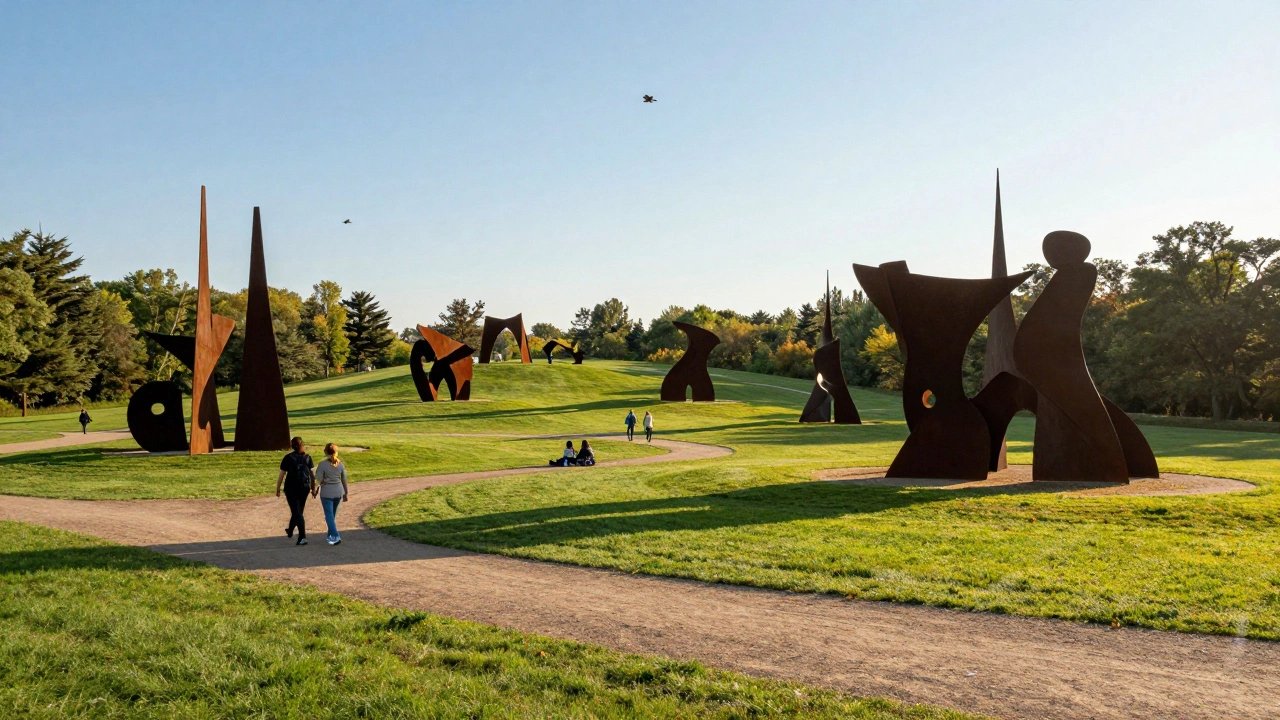
When you think of a gallery, you probably picture white walls, polished floors, and quiet hushed tones. But what if the art wasn’t inside at all? What if the sky was the ceiling and the ground was the floor? Outdoor gallery venues are changing how we experience art-not by replacing traditional spaces, but by expanding what art can be and where it can live.
Why Outdoor Galleries Work Better Than You Think
Outdoor galleries aren’t just about putting paintings on a lawn. They’re about breaking free from the rules that indoor spaces enforce. A painting inside a museum is a controlled experience-lighting is calibrated, temperature is fixed, foot traffic is limited. Outside, art becomes part of the environment. It changes with the weather, interacts with natural light, and invites people who wouldn’t normally walk into a gallery to stop, look, and feel something.
Take the Storm King Art Center is a 500-acre outdoor sculpture park in upstate New York that features large-scale works by artists like Alexander Calder and Mark di Suvero. It doesn’t just display art-it lets art breathe. Visitors walk trails, sit on grass, and encounter massive steel sculptures that shift appearance as the sun moves. There’s no admission line. No velvet rope. Just art in the open air, waiting to be found.
Unconventional Sites That Are Already Art Spaces
You don’t need a dedicated venue to create an outdoor gallery. Some of the most powerful installations happen in places no one expected.
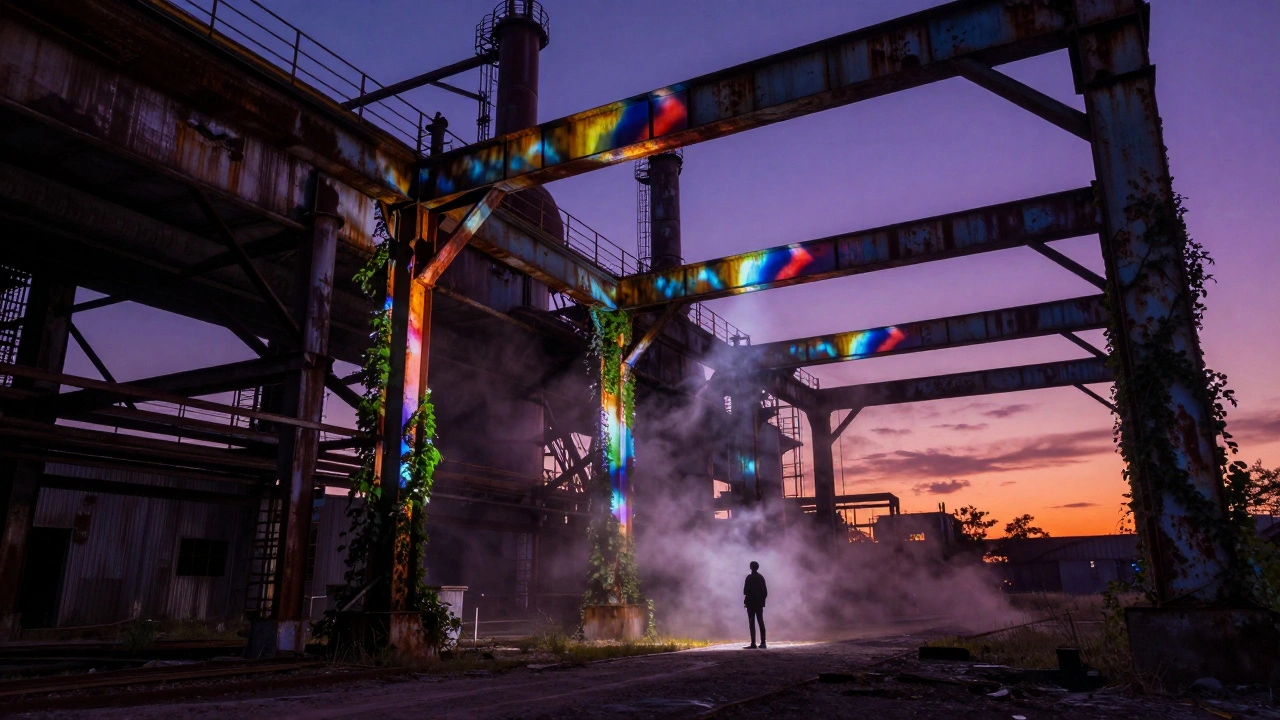
- Abandoned factories in Detroit have hosted immersive light installations that turn rusted beams into canvases.
- Underused parking lots in Los Angeles became temporary projection sites during the pandemic, showing films and digital art to drive-in audiences.
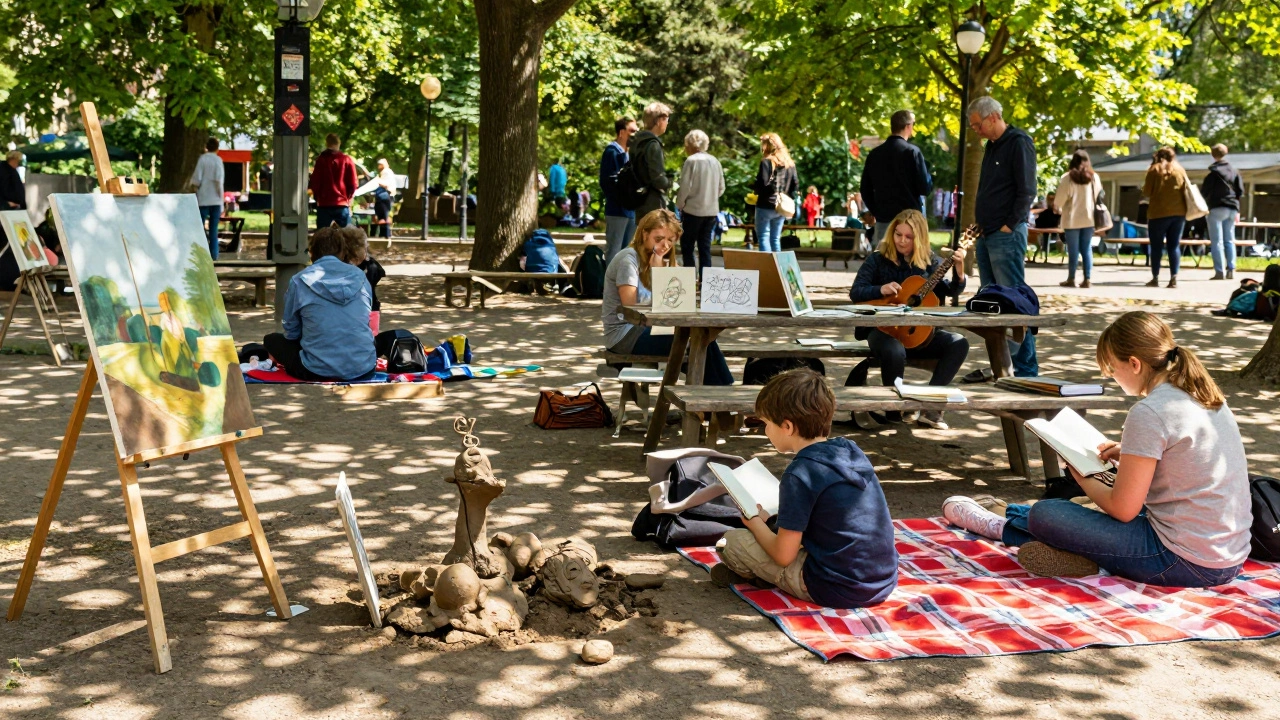
- Public parks in Berlin turn weekly into open-air galleries, where local artists set up easels and invite passersby to buy or barter for work.
- Beaches in Bali and Tulum now feature temporary sand sculptures and woven installations that vanish with the tide-art that exists only for a day.
These aren’t gimmicks. They’re experiments in accessibility. When art leaves the gallery, it stops being a privilege and becomes a public moment. You don’t need a ticket. You don’t need to plan. You just need to be outside.
Flexibility Is the Secret Advantage
Indoor galleries are locked into schedules, permits, and maintenance costs. Outdoor venues? They’re flexible by nature.
Organizers can rotate exhibits weekly. They can respond to seasons-spring blooms inspire floral installations, winter snow turns sculptures into shadow plays. They can partner with local farmers, musicians, or food vendors to turn an art show into a full-day community event.
Consider The High Line is a 1.45-mile elevated park in Manhattan built on a disused railway, now hosting rotating outdoor art installations from over 200 artists annually. It doesn’t just display art-it becomes part of the city’s rhythm. People walk their dogs, eat lunch, and stumble upon a new piece without even trying. The art doesn’t demand attention-it earns it.
Flexibility also means lower costs. No HVAC. No security guards on every floor. No lighting rigs. Just a fence, some signage, and a willingness to let nature play its part.
How Artists Adapt to Outdoor Conditions
Not every artwork survives rain, wind, or sun. Artists who work outdoors have learned to build for endurance.
- Steel and stone remain popular-they don’t fade or warp.
- Weather-resistant coatings protect wood and fabric.
- Projection art uses high-lumen projectors and UV-resistant screens.
- Temporary installations use biodegradable materials like clay, salt, or plant fibers.
Some artists even design pieces to change over time. A sculpture made of ice melts. A mural painted with chalk washes away. A garden of living plants grows and dies with the season. These aren’t failures-they’re part of the message. Art doesn’t have to last forever to matter.
Community Engagement Is the Real Outcome
Indoor galleries often feel exclusive. Outdoor ones feel alive.
In Portland, Oregon, the Portland Art Museum is a major institution that launched an outdoor initiative called "Art on the Streets," bringing 30+ temporary installations to public sidewalks, bus stops, and plazas. The goal? Reach people who don’t visit museums. The result? A 40% increase in first-time visitors to the indoor gallery the following year.
Outdoor venues don’t just display art-they build relationships. Kids climb on sculptures. Seniors sketch in the grass. Local schools bring students for lessons. Artists host open studios right on-site. The line between viewer and participant disappears.
Challenges You Can’t Ignore
It’s not all easy. Weather is unpredictable. Vandalism happens. Permits vary by city. Some neighborhoods resist change.
But smart organizers solve these problems before they start:
- Use durable materials that can handle foot traffic and weather.
- Partner with local police or neighborhood associations for safety.
- Apply for public art grants-many cities fund outdoor projects.
- Design with community input from day one.
One project in Cleveland turned a vacant lot into a rotating outdoor gallery by holding monthly town halls. Residents voted on themes. Local teens helped build the frames. Now it’s one of the city’s most visited cultural spots.
What’s Next for Outdoor Galleries?
The trend is growing. Cities from Tokyo to Toronto are adding permanent outdoor exhibition zones. Tech is helping too-QR codes on benches link to artist interviews. AR apps let you see how a sculpture looked before it was installed.
But the real future isn’t about tech. It’s about access. Outdoor galleries prove that art doesn’t need walls. It just needs space-and people willing to walk into it.
Can any city start an outdoor gallery?
Yes, but it helps to start small. Many cities begin with one public space-a park bench, a sidewalk strip, or a vacant lot. Partner with local artists, apply for small arts grants, and use community input to choose locations and themes. You don’t need a big budget-just a willingness to try.
What kind of art works best outdoors?
Sculptures in metal, stone, or treated wood hold up best. Large-scale installations, light projections, and interactive pieces also thrive. Temporary works like chalk murals, sand art, or living gardens create buzz and encourage repeat visits. Avoid fragile materials like paper, glass, or untreated fabric unless they’re meant to be short-term.
Are outdoor galleries profitable?
They rarely make direct profit, but they build value. Many outdoor galleries are funded through grants, sponsorships, or city arts budgets. Their real return is increased foot traffic to nearby businesses, higher engagement with local artists, and stronger community identity. Some venues see a 20-50% boost in indoor gallery visits after launching outdoor shows.
How do you protect art from weather and vandalism?
Use weather-resistant materials and coatings. Install cameras or motion sensors if theft is a concern. Work with local law enforcement to increase patrols during events. For high-value pieces, consider rotating them seasonally. Many successful projects use art that’s meant to change or disappear-removing the risk entirely.
Do I need permits to host an outdoor gallery?
Almost always. Permits vary by city but usually cover public space use, electrical setups (for lighting or projections), and temporary structures. Start with your city’s parks and recreation department or arts council. Many cities have streamlined processes for public art projects.
Final Thought: Art Belongs Everywhere
Outdoor galleries aren’t a trend. They’re a correction. For too long, art was locked away behind glass and rules. Now it’s returning to the streets, the parks, the alleys, and the rooftops. It’s messy. It’s unpredictable. It’s alive. And for the first time in a long while, it’s truly for everyone.