Neighborhood Demographics for Gallery Site Selection
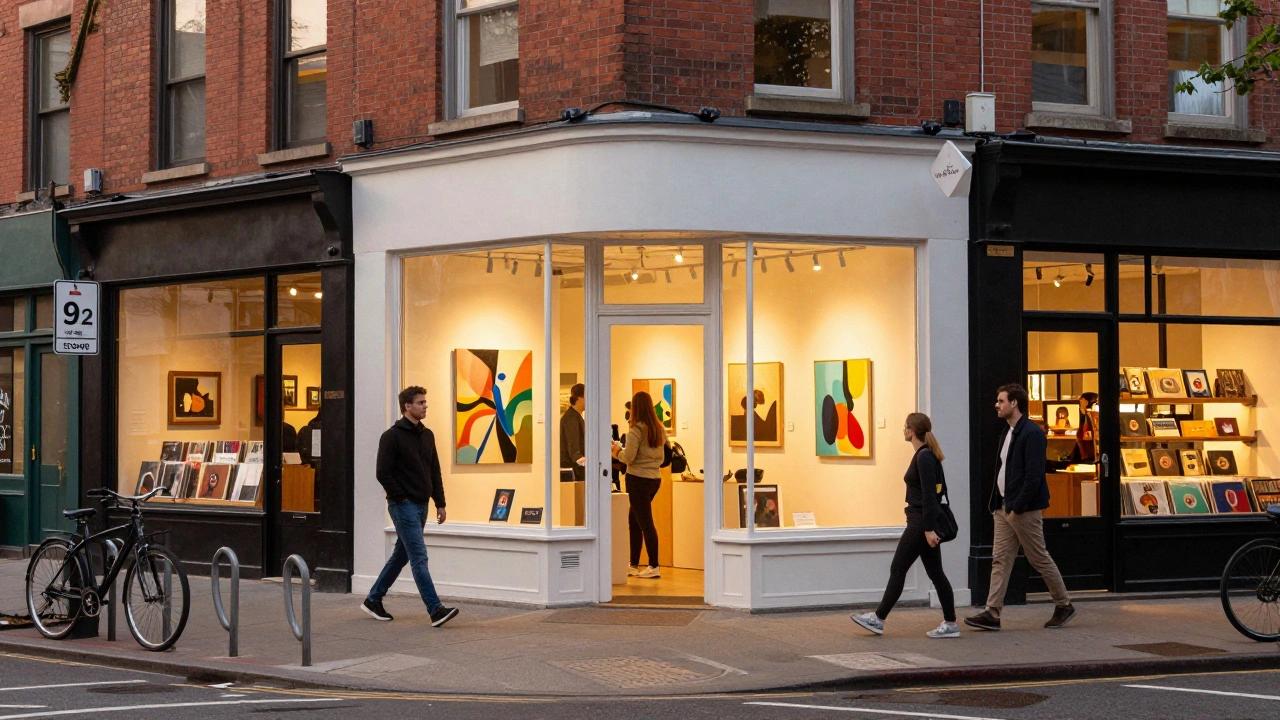
Selecting the right location for a gallery isn’t just about finding a pretty space with high ceilings and natural light. It’s about understanding the people who live, work, and pass through the neighborhood every day. A gallery in downtown Portland might look ideal on paper, but if the surrounding residents aren’t engaging with contemporary art-or worse, don’t even know what a gallery is-your opening night will feel like a silent film. The truth is, real estate for galleries isn’t about square footage alone. It’s about neighborhood demographics.
Who Lives Nearby? Start With Income and Education
Art buyers aren’t random. They’re people with disposable income and a cultural appetite. Look at median household income and educational attainment in the area. Data from the U.S. Census Bureau shows that neighborhoods where over 60% of adults hold a bachelor’s degree or higher are three times more likely to have regular gallery visitors. That doesn’t mean you need to open next to a university, but it does mean you should avoid areas where less than 35% of adults have completed college unless you’re targeting a very different audience.
Income matters too. In Portland, galleries that thrive are typically within a 1-mile radius of neighborhoods with median incomes above $75,000. That’s not luxury-level wealth-it’s solid middle-class stability. People in this bracket aren’t buying $50,000 paintings, but they’re spending $300-$1,200 on original pieces, prints, and limited editions. They’re the ones who attend openings, refer friends, and leave reviews. If the area’s median income is under $50,000, you’ll need a radically different pricing strategy or a community-driven model to survive.
Age Matters More Than You Think
Age isn’t just about who’s buying-it’s about who’s walking by. A gallery in a neighborhood with a high concentration of residents aged 25-39 is far more likely to succeed than one near retirees, unless you’re specializing in traditional or historical art. Why? Because younger adults are more likely to engage with social media, attend cultural events, and support local businesses. In 2025, 68% of art buyers under 40 said they discovered galleries through Instagram or TikTok. That’s not a coincidence. It’s a pattern.
Meanwhile, neighborhoods with more than 40% of residents over 65 tend to have lower foot traffic for contemporary galleries. That doesn’t mean they’re bad locations-it means you’ll need a different approach. Maybe you host monthly lectures, partner with senior centers, or focus on local history exhibits. But if you’re showing abstract expressionism and expecting retirees to drive across town, you’re setting yourself up for disappointment.
Walkability and Public Transit Are Non-Negotiable
A gallery is not a car-dependent business. If people have to drive 15 minutes to get there, they won’t come on a whim. Look for areas with high walkability scores (80+ on Walk Score) and access to frequent public transit. In Portland, the Pearl District and Alberta Street both have walkability scores above 90. People can walk there from nearby apartments, cafes, or even their workplaces. They stop in after lunch. They show up on a Friday night after work. They bring friends.
Compare that to a location on the edge of town with no bus line within a mile. Even if rent is cheaper, the lack of foot traffic kills turnover. One gallery owner in Southeast Portland tried opening in a space with $2,000/month rent-half the cost of downtown. They had 17 visitors in three months. The downtown gallery with $4,000 rent had over 2,000.
Competition Isn’t the Enemy-Context Is
You don’t want to be the only gallery in a neighborhood. That makes you feel isolated. But you also don’t want to be buried in a cluster of 10 other galleries. The sweet spot? One to three complementary cultural venues nearby. Think: a bookstore that hosts poetry readings, a jazz club, a design studio, or a coffee shop known for local art displays.
These aren’t competitors-they’re allies. They draw the same crowd. They create a cultural ecosystem. In the Hosford-Abernethy neighborhood, a small gallery opened next to a vinyl record shop and a vegan bakery. Within six months, the gallery’s Saturday foot traffic doubled. Why? Because people came for the records, stayed for the coffee, and ended up browsing art. That’s synergy. That’s strategy.
Crime Rates and Perceived Safety Are Real Factors
Let’s be honest: no one wants to walk into a dark alley to see a painting. Even if the neighborhood is statistically safe, perception matters more than data. Look at crime reports from the past two years-not just violent crime, but property crime and vandalism. A single incident of graffiti on your building’s front window can send a signal that the area is unstable.
Check local police department dashboards. Talk to small business owners. Ask: “Do you feel safe after dark?” If the answer is “I lock up early,” that’s a red flag. Portland’s North Portland has seen dramatic improvements in safety over the last five years, but some areas still carry old reputations. A gallery in those areas needs to invest more in lighting, signage, and community outreach just to overcome perception.
Local Art Scene Engagement
Is there an active artist community nearby? Look for local art collectives, open studio events, or artist-run spaces. If artists are already gathering in the area, they’re your best marketing team. They’ll invite their friends. They’ll post about your opening. They’ll collaborate.
One gallery in the Lents neighborhood started by hosting a monthly “Artist Swap” night where local creators traded work. No sales. Just exchange. Within a year, 87% of their buyers came from referrals made during those events. That’s organic growth. That’s community trust.
Don’t Ignore Racial and Cultural Diversity
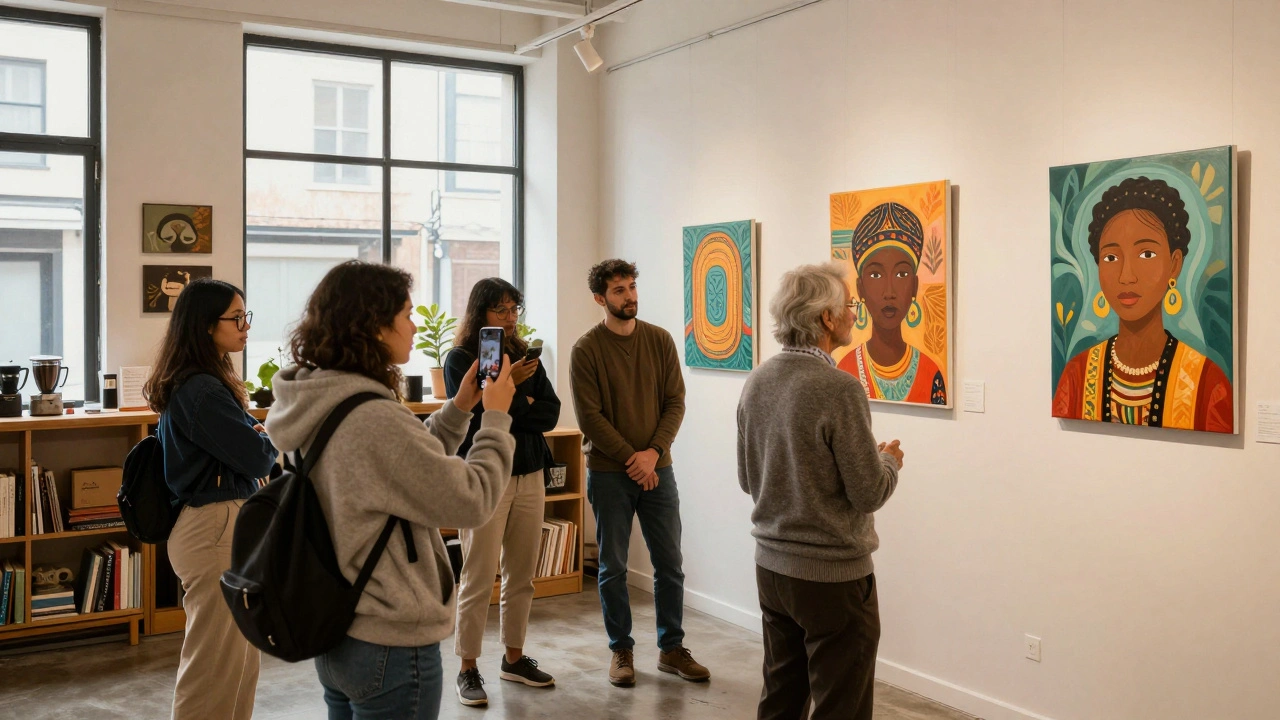
A gallery that only shows white, male artists in a neighborhood that’s 40% Black, Latino, or Asian will struggle to connect. Demographics aren’t just about income or age-they’re about identity. If your exhibition history doesn’t reflect the people living around you, you’re not just missing sales-you’re missing relevance.
Portland’s Mt. Tabor neighborhood has a large multigenerational Asian population. A gallery there that began featuring Southeast Asian contemporary artists saw a 200% increase in attendance from that community alone. It wasn’t about diversity for diversity’s sake. It was about showing up where the culture already exists.
Use Data, Not Gut Feeling
Stop guessing. Use free tools like the U.S. Census Bureau’s data.census.gov, Walk Score, and City-Data.com. Pull these numbers for any location you’re considering:
- Median household income
- Percentage of adults with bachelor’s degrees or higher
- Population aged 25-39
- Walk Score and public transit access
- Number of cultural venues within 0.5 miles
- Property crime rate per 1,000 residents (last 2 years)
- Percentage of residents identifying as non-white
Compare these against successful galleries in similar cities. In Seattle, galleries in the Capitol Hill neighborhood thrive because they match all seven of these metrics. In Austin, the East Side galleries that succeeded did the same. You don’t need to copy them-but you do need to meet the same thresholds.
Final Checklist: The 7-Point Demographic Filter
Before signing a lease, run this checklist:
- Is median income above $65,000?
- Is over 40% of adults college-educated?
- Is there a strong population of 25-39 year olds?
- Is Walk Score above 75?
- Are there at least two other cultural venues within a 5-minute walk?
- Has property crime decreased over the last two years?
- Does your exhibition plan reflect the neighborhood’s racial and cultural makeup?
If you answer ‘yes’ to six or seven of these, you’re on solid ground. If you’re answering ‘no’ to three or more, keep looking.
Can I open a gallery in a low-income neighborhood?
Yes-but you need a different model. Instead of selling high-priced art, focus on community engagement: free workshops, student exhibitions, or public murals. Partner with local schools, nonprofits, or city arts programs. Galleries like the one in North Portland’s Cully neighborhood succeeded by turning into a cultural hub rather than a commercial space. Sales become secondary to impact.
Should I choose a neighborhood with rising rents?
Rising rents often mean rising demand-but they also mean rising competition. If artists and creatives are moving in, that’s a good sign. But if developers are replacing small businesses with luxury condos, you might be priced out within a year. Look for neighborhoods in the early stages of change-where rents are increasing but still affordable. Avoid areas where landlords are already flipping spaces every 6 months.
How do I find demographic data for a specific street address?
Use the U.S. Census Bureau’s data.census.gov. Type in the ZIP code or street address, then select ‘Detailed Tables.’ Filter for ‘Income,’ ‘Education,’ ‘Age,’ and ‘Race.’ For walkability, go to WalkScore.com and enter the exact address. For crime, check the local police department’s public crime map. Most cities offer downloadable reports.
Do I need to hire a consultant to analyze demographics?
No-not unless you’re opening a large commercial gallery. Most of the data you need is free and public. Spend two afternoons pulling numbers. Talk to local business owners. Walk the streets at different times of day. Real insight comes from observation, not spreadsheets. A consultant might give you pretty charts, but they won’t tell you if people actually stop to look at your windows.
What if my ideal neighborhood has no gallery spaces available?
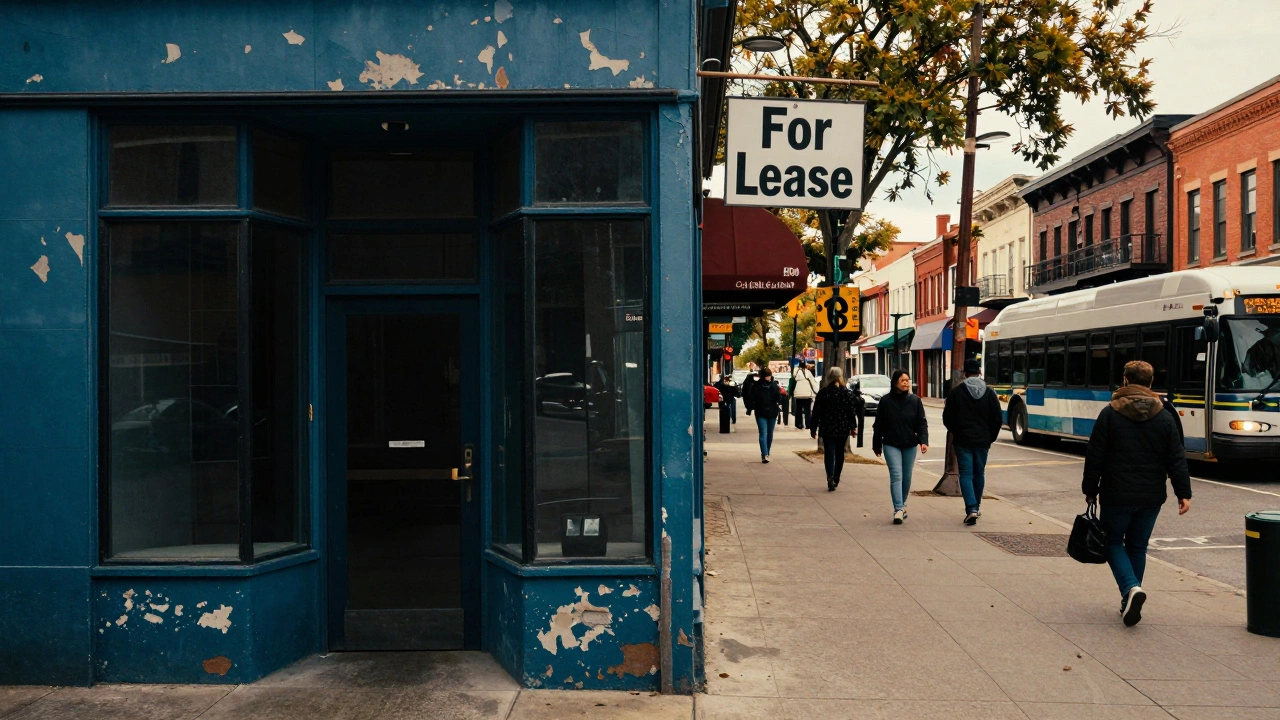
That’s a sign you’re on the right track. High demand for space means the area is culturally active. Look for underused storefronts: old banks, shuttered bookstores, or vacant retail units. Many landlords in arts districts are open to short-term, pop-up leases for galleries. Start small. Use a 3-month trial. If foot traffic is strong, you can negotiate a longer lease.
Next Steps: What to Do Today
Don’t wait for the perfect location. Start gathering data now. Pick three addresses you’re considering. Pull the seven demographic metrics for each. Walk each block for 20 minutes-morning, afternoon, and evening. Talk to the barista, the bookstore clerk, the guy fixing bikes on the corner. Ask them: ‘Do you know any artists here?’ ‘Have you ever been to a gallery?’ ‘What would make you come to one?’
The answers will surprise you. And they’ll tell you more than any real estate agent ever could.