Contemporary Painting: New Approaches to an Ancient Medium
Painting isn’t dead. It’s not even old. It’s just changing shape. You walk into a gallery today and see canvases that don’t look like paintings at all-some are made of fabric, others are layered with sand, data prints, or even dried coffee. Some don’t even have brushes. And yet, they’re called paintings. Why? Because the act of putting pigment on a surface-any surface-is still the core. But what that means has exploded.
Painting Is No Longer Just Paint
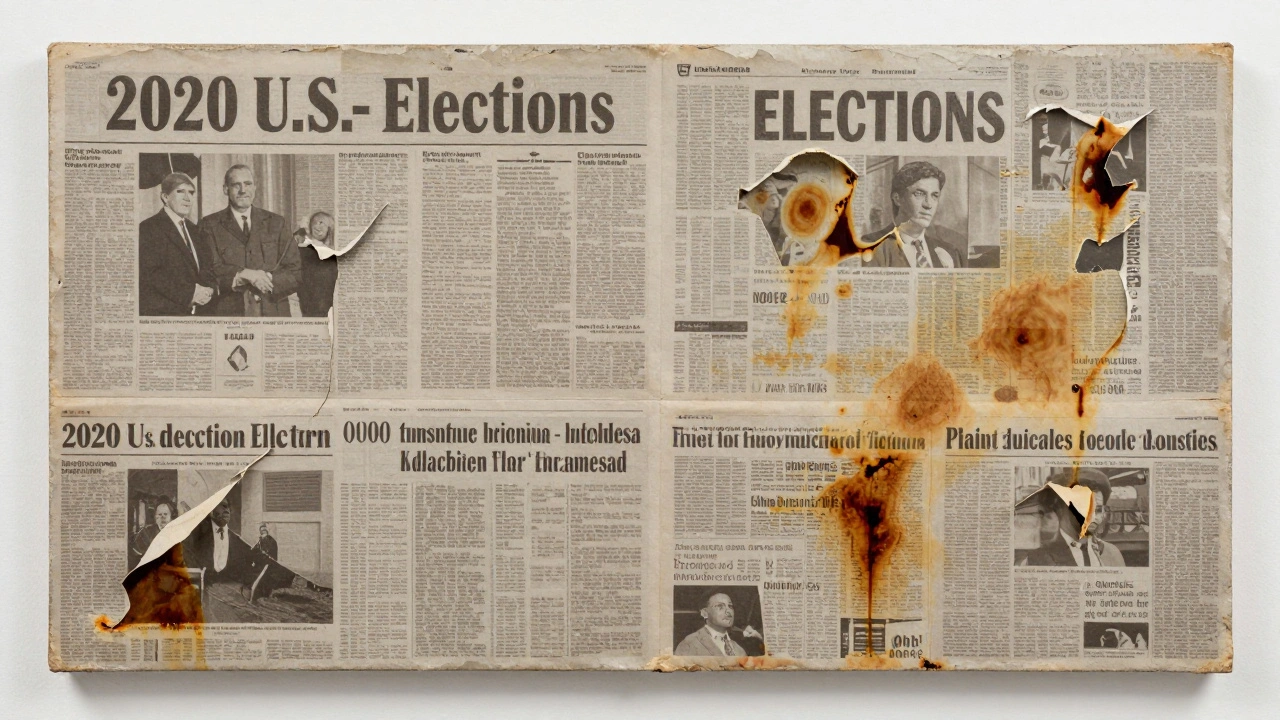
For centuries, oil on canvas was the gold standard. Today, artists are asking: Why limit yourself? Mixed media is now the norm, not the exception. In 2024, the Whitney Biennial featured over 60 works labeled as painting, and more than half included non-traditional materials: recycled plastic, embroidery thread, LED strips, and even soil from protest sites. One artist from Brooklyn, Lena Ruiz, embedded real newspaper clippings from the 2020 U.S. elections into thick acrylic layers. Viewers can peel back sections to reveal hidden headlines. It’s not collage. It’s not sculpture. It’s painting that breathes history.
Even the surface has changed. Artists are painting on aluminum, Mylar, wood panels, and even stretched surgical mesh. The texture isn’t just visual-it’s tactile. You don’t just look at these works; you want to touch them. That physical pull is intentional. It breaks the distance between viewer and artwork.
The Rise of Process Over Product
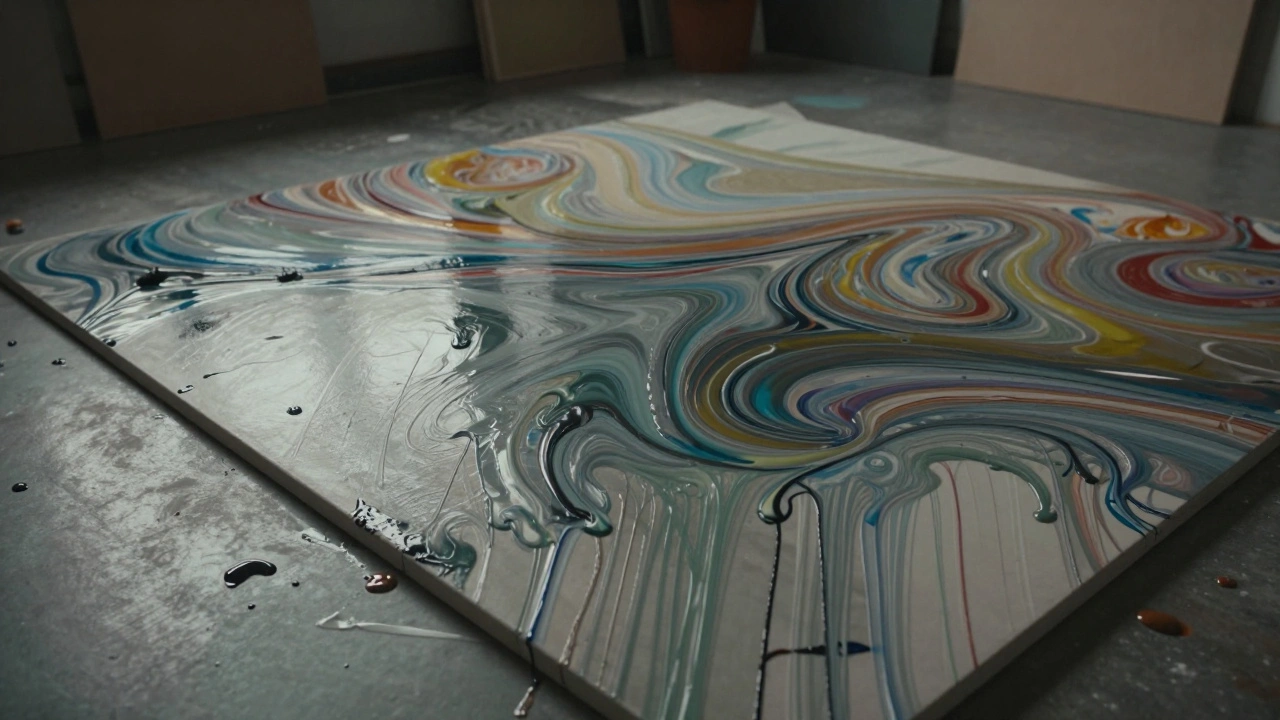
Traditional painting was about the final image: a perfect landscape, a flawless portrait. Now, the process is the point. Take Process Art. It’s not about what you end up with-it’s about how you got there. One Los Angeles-based painter, Marcus Tran, spends weeks pouring, tilting, and letting paint drip across giant canvases laid on the floor. He doesn’t control the outcome. He sets conditions: viscosity, temperature, drying time. The result? A map of forces-gravity, chemistry, chance. No brush. No plan. Just physics and patience.
This shift echoes a larger cultural move: we’re tired of perfection. We want honesty. We want to see the struggle. The smudges, the drips, the failed layers-they’re not mistakes anymore. They’re evidence.
Digital Tools, Physical Results
Yes, you read that right. Digital tools are being used to make physical paintings. Digital painting isn’t just for screen-based art anymore. Artists are using tablets to sketch compositions, then translating them onto canvas with robotic arms or hand-stenciled projections. In Portland, a collective called Grid & Grain uses AI-generated patterns as underpainting. The AI doesn’t create the final piece-it suggests color palettes, brushstroke densities, and compositional rhythms based on historical data from 19th-century Impressionists. The artist then responds by hand, layering over the machine’s output. It’s a conversation between algorithm and hand.
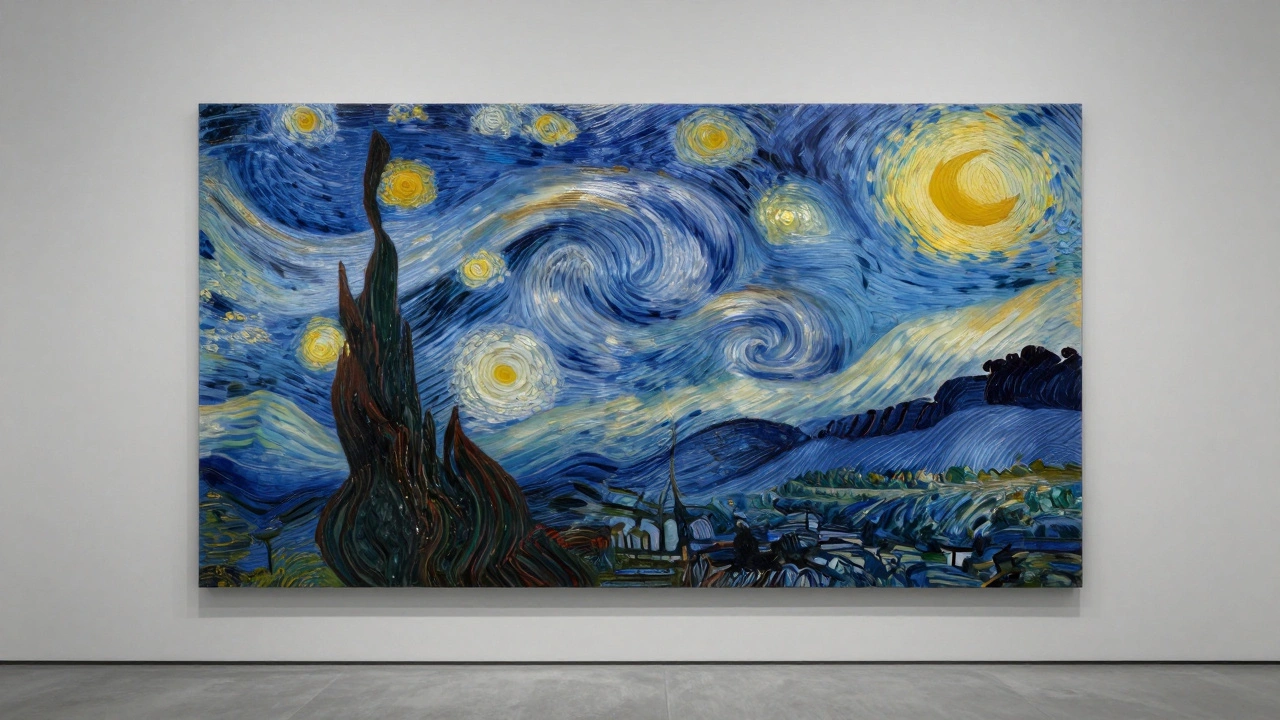
One piece, titled “Echoes of Van Gogh,” used machine learning trained on 12,000 of Van Gogh’s brushstrokes. The result? A painting that looks like it could’ve been painted in 1889-but the canvas is 10 feet wide and embedded with thermochromic pigment that shifts color with body heat. When someone stands in front of it, the sky changes.
Painting as Social Archive
Contemporary painting is no longer just about beauty or emotion. It’s becoming a way to preserve memory. Artists are using paint to document what’s happening now. In 2023, a group in Detroit painted a 30-foot mural using paint made from crushed fire hydrants, rusted metal, and local soil. Each color came from a different neighborhood affected by urban decay. The mural wasn’t meant to be hung in a museum-it was meant to be walked through, touched, and eventually weathered away.
Another artist, Amara Chen, collects personal items from people who’ve experienced displacement-keys, photographs, bus tickets-and grinds them into pigment. She then paints portraits of those people, using the materials they left behind. The paint literally contains their stories. You’re not just looking at a face-you’re looking at the residue of a life.
Why This Matters Now
We live in a world where everything is fast. Images disappear in seconds. But painting, even in its most experimental form, demands time. Time to dry. Time to layer. Time to sit with. That slowness is radical. It’s a quiet rebellion against the scroll.
And it’s working. Sales of contemporary painting have grown 37% since 2020, according to the Art Basel and UBS Global Art Market Report. But it’s not just collectors buying it. Younger audiences-people under 35-are driving the demand. They’re not looking for investment pieces. They’re looking for connection. For authenticity. For something that feels human.
What’s Next?
Look around. The next breakthrough isn’t coming from a new brush. It’s coming from a new material. A new tool. A new way of thinking about what a surface can hold. We’re seeing more artists using bio-pigments made from algae, or paint that reacts to air pollution. One team in Berlin is experimenting with paint that changes opacity based on carbon dioxide levels. The painting doesn’t just hang on the wall-it becomes a living sensor.
And the boundaries? They’re gone. Painting isn’t confined to galleries. It’s on sidewalks, on clothing, on the sides of buses. It’s no longer a thing you buy. It’s a thing you experience.
Is contemporary painting still considered "real" art?
Yes-and the definition of "real" has expanded. Art institutions like MoMA and Tate Modern now classify works made with digital tools, found objects, and even organic matter as painting if they engage with the core principles of surface, pigment, and mark-making. The medium isn’t defined by materials anymore, but by intent. If the artist is responding to the history of painting while pushing its limits, it’s contemporary painting.
Can anyone call their work "painting" if they use non-traditional materials?
Technically, yes-but context matters. Calling something painting doesn’t make it art. What matters is whether the work engages with the traditions, questions, or innovations of painting. A child smearing paint on paper is making a mark. An artist using that same gesture to comment on emotional trauma or systemic neglect is making a statement. The difference isn’t in the materials-it’s in the meaning.
Are traditional techniques like oil painting still relevant?
Absolutely. But they’re no longer the default. Many artists today train in classical techniques before subverting them. A painter might master brushwork in a university program, then spend years experimenting with how to make oil behave like water or how to make it crack like dried earth. Tradition isn’t being replaced-it’s being questioned, stretched, and sometimes shattered. The best contemporary painters know history so they can rewrite it.
How do I tell if a contemporary painting is valuable?
Value now depends less on technique and more on concept. Look for: Does it respond to a current cultural moment? Does it use materials in a meaningful way? Is the artist known for consistent innovation? Many works under $5,000 by emerging artists have sold for 10x their price within two years because they captured a feeling people didn’t know they were searching for. Don’t buy what you think will rise-buy what moves you.
Where can I see the most exciting contemporary painting today?
Major museums still showcase it, but the real energy is in independent galleries, artist-run spaces, and even pop-up installations in warehouses or subway stations. Cities like Berlin, Mexico City, and Lagos are producing some of the most urgent work. In the U.S., keep an eye on spaces in Detroit, Atlanta, and Portland-places where artists aren’t waiting for permission to create.