How Digital Platforms Are Driving the Growth of the Online Art Market
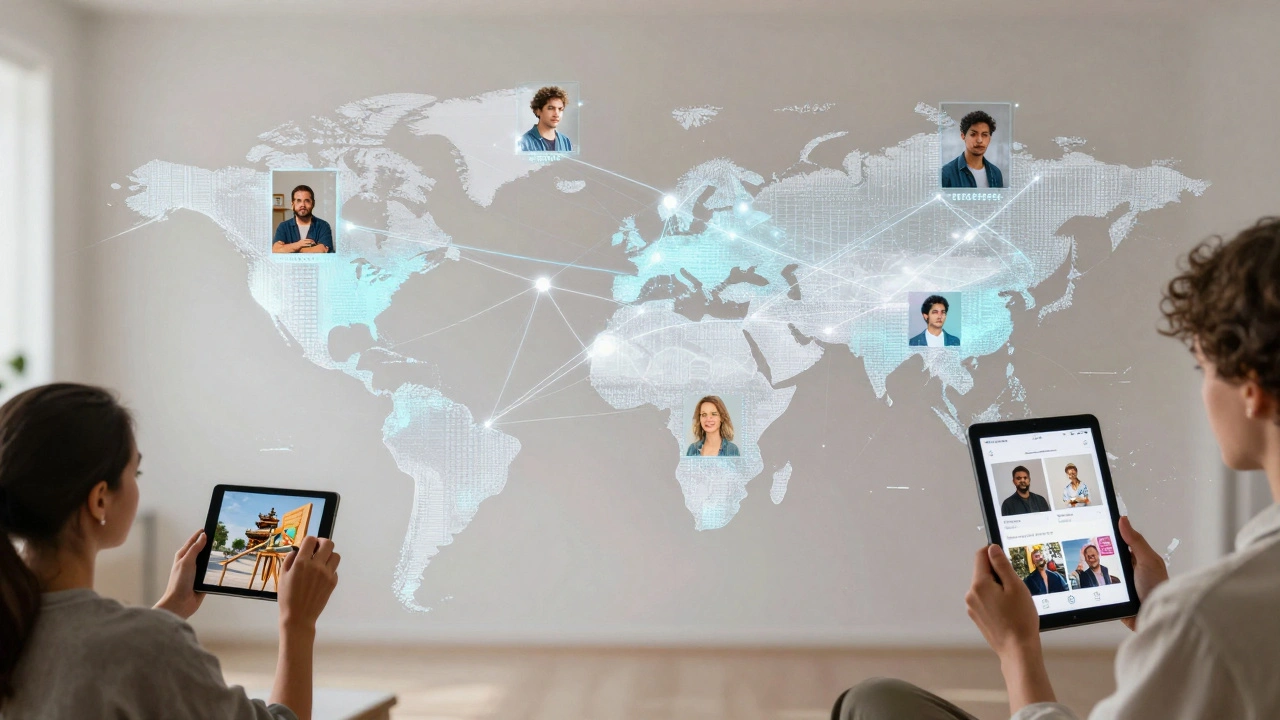
Five years ago, buying art online meant scrolling through blurry photos of paintings in dusty auction house catalogs. Today, it’s a $7 billion global industry - and it’s growing faster than ever. The shift isn’t just about convenience. It’s about how digital platforms have completely rewritten the rules of how art is discovered, bought, sold, and even valued.
Platforms Are the New Galleries
Traditional galleries used to control access. You had to know the right people, show up in person, and wait for an invitation. Now, platforms like Artsy, Saatchi Art, and Artspace put thousands of artists directly in front of buyers - no middleman needed. A painter in Bali can sell to a collector in Berlin before breakfast. The barrier to entry? A good camera and a website.
These platforms don’t just host listings. They use algorithms to recommend art based on what you’ve liked before. If you’ve bought a minimalist black-and-white photograph, you’ll see more like it. If you’ve clicked on abstract watercolors, the system learns. It’s not magic - it’s data. And it works. According to the 2025 Art Basel and UBS Global Art Market Report, 68% of buyers under 40 discovered their last purchase through an online platform. That’s up from 32% in 2020.
The Rise of NFTs Changed Everything
Let’s talk about NFTs. Yes, they had their wild phase. But dismissing them as a bubble misses the real shift they caused. NFTs didn’t just make digital art sellable - they made it verifiable. Before NFTs, anyone could screenshot a digital artwork and claim it as their own. Now, ownership is recorded on the blockchain. A unique digital file comes with a public, tamper-proof certificate of authenticity.
Artists like Beeple and Refik Anadol made headlines, but the bigger story is the thousands of unknown creators who now earn steady income. Platforms like SuperRare and Foundation let artists set royalties - so they earn a cut every time their work is resold. That’s something physical art can’t do. A painting sold at auction? The original artist gets nothing. A digital piece sold as an NFT? The artist gets 10%, 15%, even 20% on future sales. That changes how artists think about their careers.
Lower Costs, Broader Access
Buying art used to mean big money. A single piece could cost tens of thousands. Now, you can buy a limited-edition digital print for $25. Or a small original watercolor shipped from a studio in Lisbon for under $200. Platforms have broken down price barriers. They’ve also broken down geographic ones.
In Portland, where I live, you’ll find local artists selling through online galleries because their local market is too small. Meanwhile, collectors in Tokyo, Lagos, or São Paulo are discovering work they’d never have seen in a brick-and-mortar gallery. The global art market isn’t just online - it’s borderless.
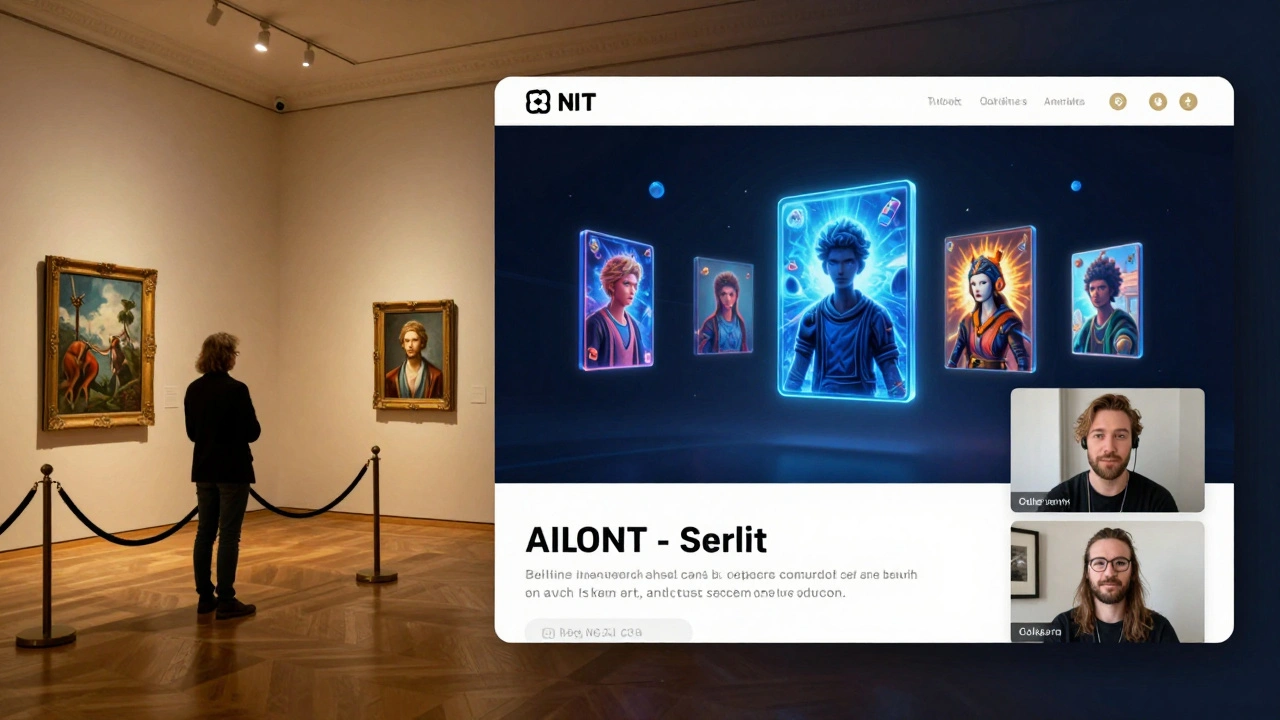
Trust Is Built Through Transparency
One of the biggest fears in art buying? Getting ripped off. Fake provenance. Overpriced pieces. Misleading descriptions. Digital platforms have responded with real solutions.
- Many now offer third-party authentication - like Artory or Verisart - that verifies an artwork’s history.
- High-resolution zoom tools let buyers examine brushstrokes, texture, even brush hairs.
- Clear return policies: 14-day windows for returns, no questions asked.
- Live video walkthroughs where you can ask the artist questions in real time.
In 2024, a study by the European Art Market Association found that 83% of buyers who purchased art online for the first time returned within six months - not because they were unhappy, but because they trusted the process enough to buy again. That kind of loyalty didn’t exist five years ago.
Physical and Digital Are Blending
It’s not just about buying digital files. Many platforms now offer hybrid models. You buy an NFT - and get a physical print shipped to you. Or you buy a painting - and receive a digital twin that you can display in a virtual gallery app.
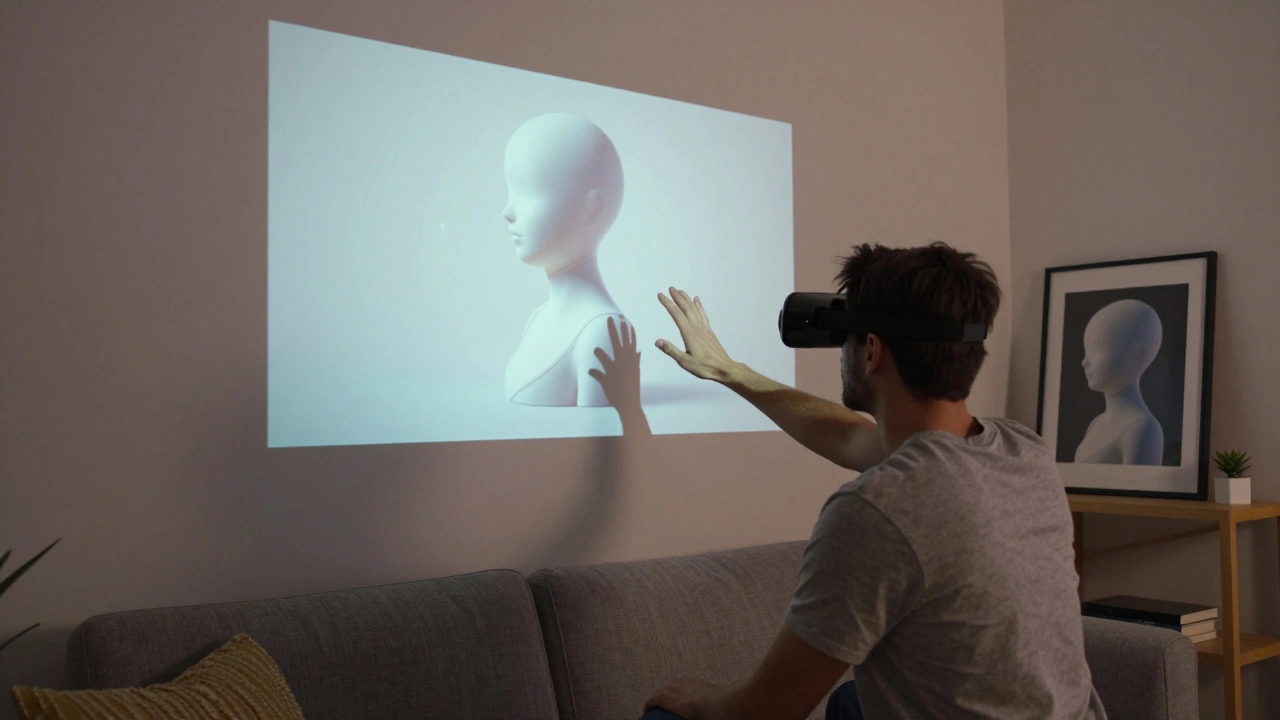
Artists are experimenting. One painter in Berlin sells original oil paintings, but each one comes with an NFT that unlocks exclusive behind-the-scenes videos of the creation process. A collector in New York bought a sculpture and now uses AR to project it onto their living room wall - changing its position, lighting, even the room’s color scheme to see how it looks.
These aren’t gimmicks. They’re new ways of experiencing art. The physical object is no longer the only way to own it.
What’s Next? AI, VR, and the Democratization of Taste
Art market platforms are starting to use AI in smart ways. Not to replace artists - but to help buyers find what they love. Some platforms now let you upload a photo of a room and suggest artworks that match the lighting, color palette, and mood. Others use AI to analyze your social media likes and suggest artists with similar aesthetics.
Virtual reality galleries are still niche, but growing. You can walk through a 3D replica of a gallery in Venice, pause in front of a painting, and hear the artist explain their inspiration - all from your living room. In 2025, over 120 galleries launched VR exhibitions. That number will double by 2027.
The biggest change? Taste is no longer dictated by critics or auction houses. It’s shaped by communities. Reddit threads. Instagram tags. TikTok trends. A painting that went viral on a niche art account can sell out in hours - not because a curator said it was important, but because real people connected with it.
Why This Matters
This isn’t just about sales numbers. It’s about who gets to be an artist - and who gets to own art.
Before, art collecting was a club. Now, it’s a public square. A single mom in Detroit can sell her illustrations to a teacher in Oslo. A retired mechanic in Mexico City can collect digital prints from artists half his age. The art market used to be about exclusivity. Now, it’s about connection.
The growth of the online art market isn’t just a trend. It’s a reset. And it’s still just getting started.
Is buying art online safe?
Yes - if you use reputable platforms. Top sites like Artsy, Saatchi Art, and Artspace offer authentication, secure payments, and return policies. Always check for third-party verification (like Artory or Verisart), read reviews, and look for clear return windows. Avoid private sellers on social media unless you can verify the artwork’s history.
Can I make money selling art online?
Absolutely. Thousands of artists now earn full-time income through online platforms. The key is consistency, high-quality photos, and engaging your audience. Platforms like Etsy, Instagram, and dedicated art sites let you set your own prices and keep most of the profit. NFT platforms also let you earn royalties on resales - something impossible with traditional art.
Do I need cryptocurrency to buy digital art?
No. Most major art platforms now accept credit cards, PayPal, and bank transfers. You only need crypto if you’re buying NFTs on decentralized marketplaces like OpenSea. But even there, many platforms now offer fiat payment options. You don’t need to understand blockchain to buy digital art.
What’s the difference between NFT art and digital prints?
NFT art is a unique digital file tied to a blockchain certificate of ownership - even if the image can be copied, the ownership record can’t. Digital prints are physical reproductions of a digital artwork, often sold in limited editions. You own the print, not the file. NFTs are about digital ownership; prints are about physical possession.
Are online art platforms better for emerging artists?
Yes. Traditional galleries often pick artists based on connections, pedigree, or trends. Online platforms give artists with no connections a real shot. A strong portfolio, consistent posting, and authentic storytelling can get you discovered - no gallery rep needed. Many artists now build audiences online first, then get picked up by physical galleries.