How Abstract Expressionism Shaped Modern Art Today
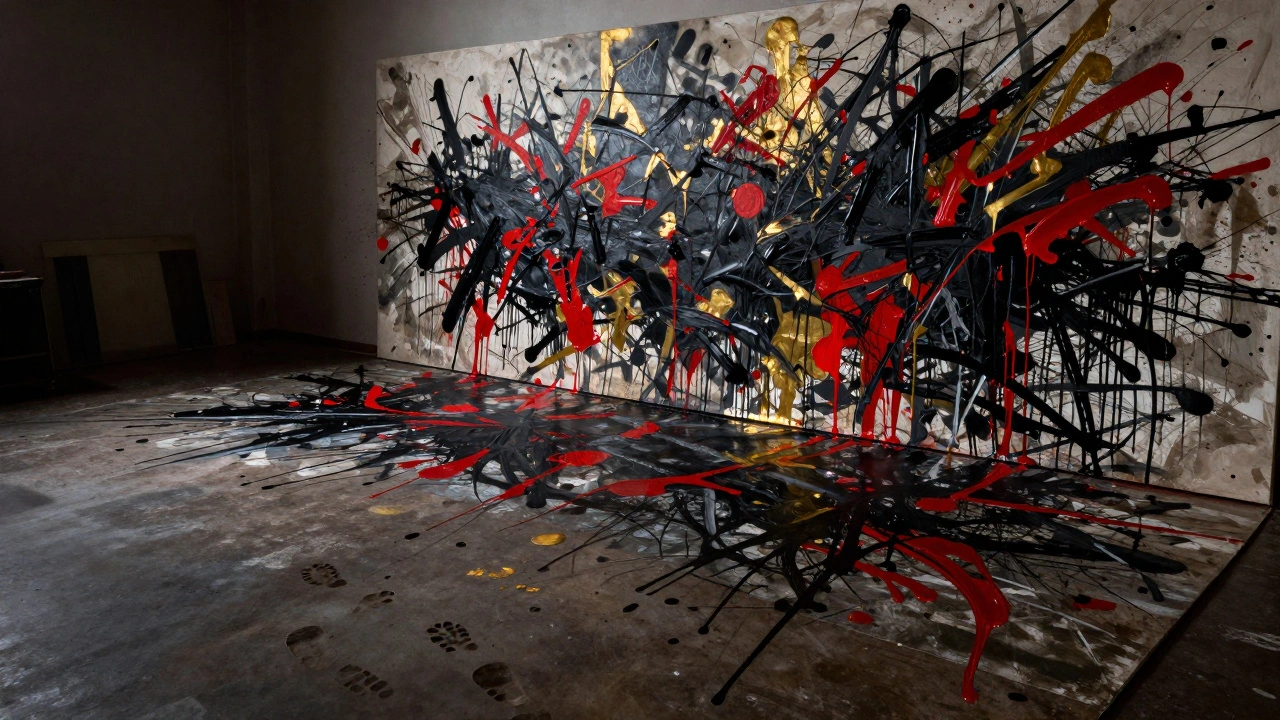
When you walk into a modern gallery and see a giant canvas splattered with paint or a field of deep red that seems to hum with emotion, you’re seeing the legacy of Abstract Expressionism. It wasn’t just a style-it was a revolution. Born in New York in the 1940s, this movement didn’t just change how art looked. It changed how we think about art itself. Today, its fingerprints are all over contemporary art, from street murals to digital installations. You don’t need to know the history to feel its power. But understanding it helps you see why so much of today’s art feels raw, personal, and unafraid.
What Abstract Expressionism Really Was
Abstract Expressionism didn’t follow rules. It broke them. Artists like Jackson Pollock, Mark Rothko, and Willem de Kooning rejected traditional subjects-landscapes, portraits, still lifes. Instead, they painted emotions. Pollock flung paint onto canvases laid on the floor, letting his body move with the rhythm of the moment. Rothko stacked layers of color to create glowing fields that made viewers feel something deep, almost spiritual. De Kooning slashed and scraped paint, blending chaos with control. Their work wasn’t about depicting something. It was about being something.
This wasn’t just technique. It was philosophy. These artists were shaped by post-war trauma, existential philosophy, and a hunger for authenticity. They didn’t paint for galleries or collectors. They painted because they had to. And that energy-unfiltered, urgent, alive-is what still echoes in today’s studios.
The Shift From Representation to Experience
Before Abstract Expressionism, art was often about telling a story. A painting showed you a scene: a battle, a wedding, a landscape. Abstract Expressionists said: stop showing. Start feeling. This was a radical idea. It meant the viewer had to bring their own meaning. There was no right or wrong interpretation. That opened the door for everything that came after.
Look at today’s immersive installations. Think of Olafur Eliasson’s fog rooms or Yayoi Kusama’s infinity mirrors. They don’t show you a picture. They drop you into a feeling. That’s pure Abstract Expressionism. It’s not about what’s on the wall-it’s about what happens inside you. Even artists who don’t use paint are following this path. A digital artist coding a generative piece that shifts with viewer movement? That’s Rothko’s glowing field, now in code.
From Canvas to Street: The Rise of Gesture and Spontaneity
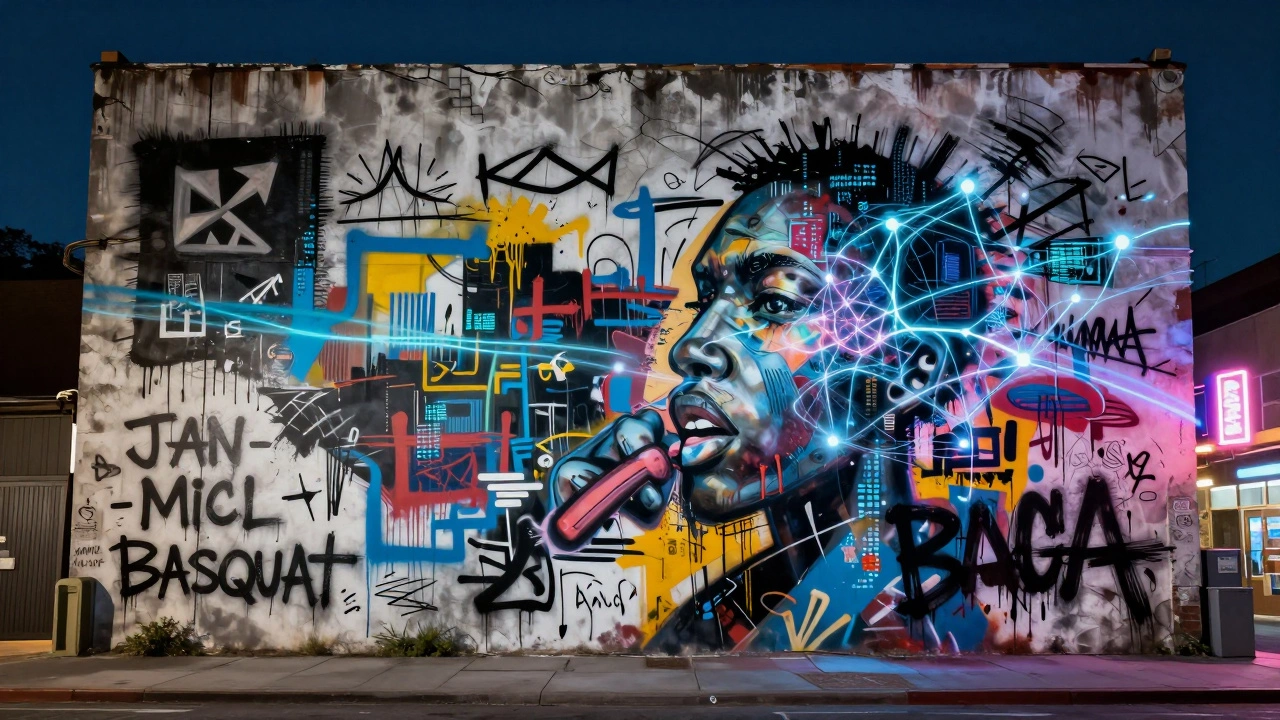
One of the biggest gifts Abstract Expressionism gave to contemporary art was permission to be messy. To be physical. To let the hand show. Street artists like Jean-Michel Basquiat didn’t just borrow from Pollock-they took his energy and ran with it. Basquiat’s scrawled symbols, layered text, and violent brushwork? That’s Pollock’s drip, screaming through a New York subway tunnel.
Today, you see this everywhere. In murals that look like emotional explosions. In graffiti that layers rage, poetry, and color without planning. Even in performance art, where the body becomes the brush. Artists like Marina Abramović don’t paint on canvas-they paint with time, sweat, and silence. The canvas is the space. The paint is the presence. That’s the legacy of Abstract Expressionism: art as action, not object.
The Color Field Legacy: Emotion Without Form
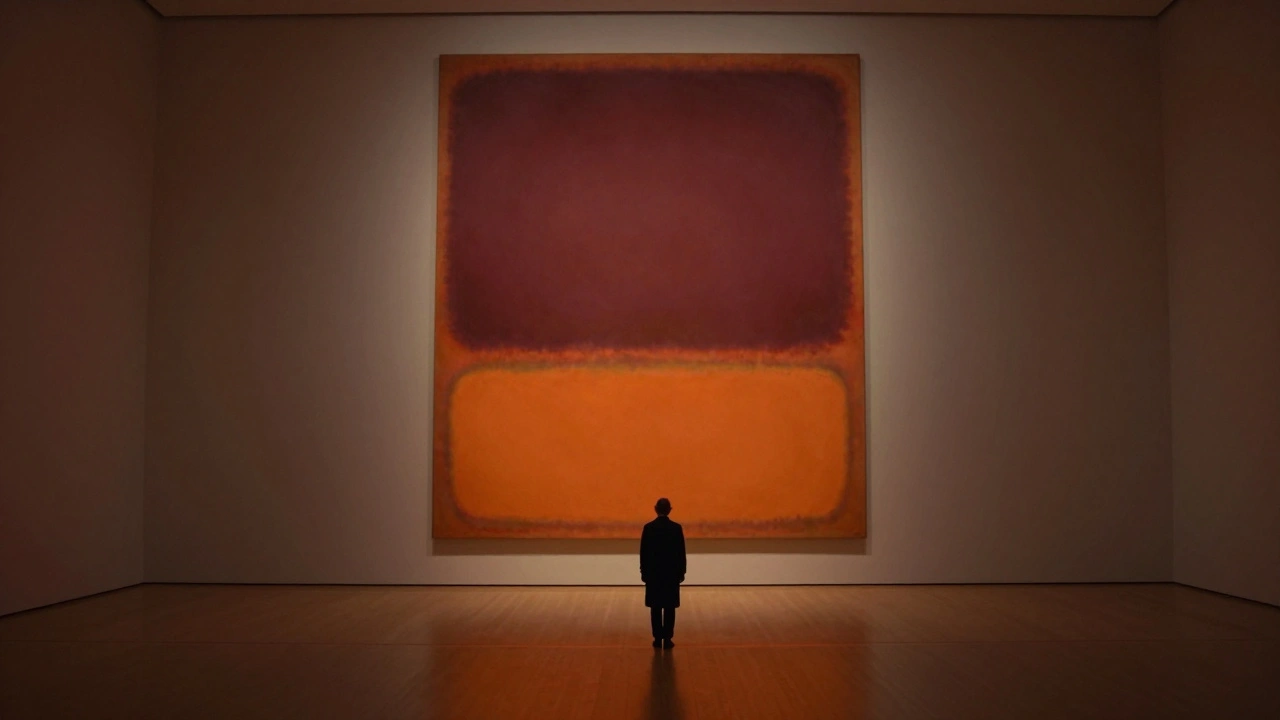
Rothko didn’t paint shapes. He painted moods. His rectangles of color-deep maroons, burnt oranges, dark blues-weren’t meant to be analyzed. They were meant to be absorbed. People have stood in front of his paintings for hours, crying without knowing why. That’s the power of color as emotion.
Modern artists still use this language. Think of James Turrell’s light rooms. Or Anish Kapoor’s void-like sculptures that seem to swallow light. They don’t tell stories. They create atmospheres. A contemporary painter might use a single wash of indigo across a 10-foot canvas and call it a day. No trees. No faces. Just feeling. That’s Rothko’s quiet revolution: color as a language deeper than words.
Technology Meets the Unconscious
Abstract Expressionism was about tapping into the unconscious. Pollock said he painted from within. Today, artists use algorithms, AI, and motion sensors to do the same thing-but differently.
Artists like Refik Anadol use machine learning to turn data streams into swirling, glowing visual poems. His work isn’t painted by hand, but it’s still about intuition, chaos, and emotional resonance. It’s Abstract Expressionism with a neural network. The hand is gone, but the soul remains. The goal is still the same: bypass logic and speak directly to the viewer’s gut.
Even NFT artists who create generative art are following this path. Each piece is unique, born from code, but shaped by randomness and emotion. No two are alike. No one can fully predict them. That unpredictability? That’s pure Abstract Expressionism, now running on blockchain.
Why It Still Matters
Some people dismiss Abstract Expressionism as “my kid could do that.” But that’s missing the point. It’s not about skill. It’s about honesty. It’s about giving space to emotion in a world that often demands control.
Today, artists face pressure to be marketable, viral, or branded. Abstract Expressionism reminds us that art doesn’t need to sell. It just needs to be real. That’s why you still see young painters in Brooklyn studios, smearing paint with their hands, or standing back from a canvas for hours, waiting for the right moment to strike.
It’s why galleries still hang giant, color-saturated canvases in quiet rooms. Why people pause before them. Why they feel something they can’t explain. Abstract Expressionism didn’t just influence contemporary art. It gave it permission to be human.
Is Abstract Expressionism still relevant today?
Yes, absolutely. While the original movement faded in the 1960s, its core ideas-emotional authenticity, gesture over representation, color as feeling-live on in nearly every major contemporary art form. From digital installations to street murals, artists today still rely on the freedom Abstract Expressionism gave them to create without rules.
Who are the key artists of Abstract Expressionism?
The most influential figures include Jackson Pollock, known for his drip paintings; Mark Rothko, famous for his color field compositions; Willem de Kooning, who blended abstraction with figuration; and Barnett Newman, whose minimalist vertical lines created spiritual tension. Clyfford Still and Franz Kline also played major roles in shaping the movement’s energy and scale.
How did Abstract Expressionism change the art world’s center?
Before Abstract Expressionism, Paris was the undisputed capital of modern art. After World War II, New York took over. Artists like Pollock and Rothko, backed by American collectors and critics like Clement Greenberg, shifted the global focus from Europe to the U.S. This wasn’t just about geography-it was about declaring that art could be bold, personal, and American.
Why do some people say Abstract Expressionism is easy to fake?
It’s a common misunderstanding. The paint splatters look simple, but the control behind them is intense. Pollock didn’t just fling paint-he moved his whole body in rhythmic, practiced motions. Rothko spent months layering thin glazes of pigment to get just the right glow. These weren’t accidents. They were the result of years of discipline, experimentation, and emotional focus. What looks chaotic is actually deeply intentional.
Can digital art be considered Abstract Expressionist?
Yes, if it carries the same spirit. Digital artists using generative algorithms, motion sensors, or real-time data to create emotionally charged visuals are following the same path. The medium changed, but the goal didn’t: to bypass intellectual analysis and connect directly with the viewer’s inner state. Refik Anadol’s AI-driven installations are a perfect example-digital, but deeply human.