Hospitality at Art Fairs: Snacks, Seating, and Access
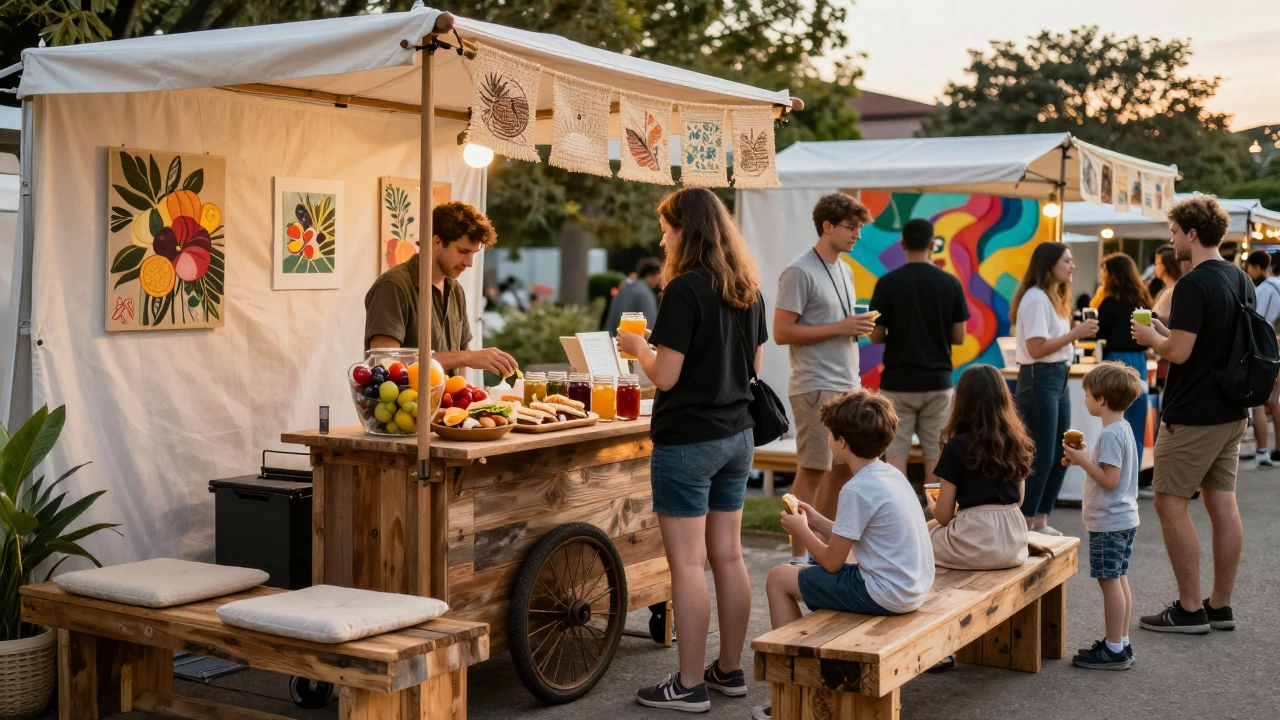
Art fairs used to be about the art - and nothing else. You walked in, stared at a painting, maybe talked to a gallery rep, and left. But today? If you don’t offer snacks, seating, and clear access, you’re losing visitors before they even see the work.
Why Hospitality Matters More Than Ever
Art fairs in 2026 aren’t just for collectors. They’re for students, tourists, families, and people who’ve never set foot in a gallery. A 2025 survey from the Art Dealers Association found that 68% of visitors said they’d leave an art fair early if they were tired, hungry, or confused about where to go. That’s not just a loss of foot traffic - it’s a loss of connection. Art isn’t just seen; it’s experienced. And experience starts the moment someone walks in.
Think about it: if you’re standing for two hours in a crowded hall with no place to sit, you’re not absorbing art. You’re surviving the environment. That’s why the best art fairs now treat hospitality like a core part of the exhibition - not an afterthought.
Snacks: More Than Just a Bite
Forget overpriced coffee and stale pastries. Today’s top art fairs serve food that matches the vibe of the art. In Miami, the Art Basel fair partners with local chefs to offer small plates inspired by the artists on display - think ceviche next to a coastal photography exhibit, or handmade tamales near a mural series about Latinx identity.
It’s not about luxury. It’s about relevance. A 2024 study from the Museum of Contemporary Art in Los Angeles showed that visitors who ate a snack tied to the theme of the exhibit stayed 47% longer and were 32% more likely to remember the artwork. Simple things work best: fresh fruit, artisanal sandwiches, cold brew on tap. Offer vegan and gluten-free options. Label everything clearly. No one wants to guess if their almond milk latte is gluten-free while standing in line.
And don’t just put food stations at the edges. Scatter them. Place a small cart near a heavy installation. Set up a drink station right before a dark, immersive room. Let refreshment be part of the journey.
Seating: Let People Breathe
Seating isn’t optional anymore. It’s essential. A 2025 report from the International Art Fair Association found that fairs with dedicated seating areas saw a 51% increase in repeat visits from the same guests.
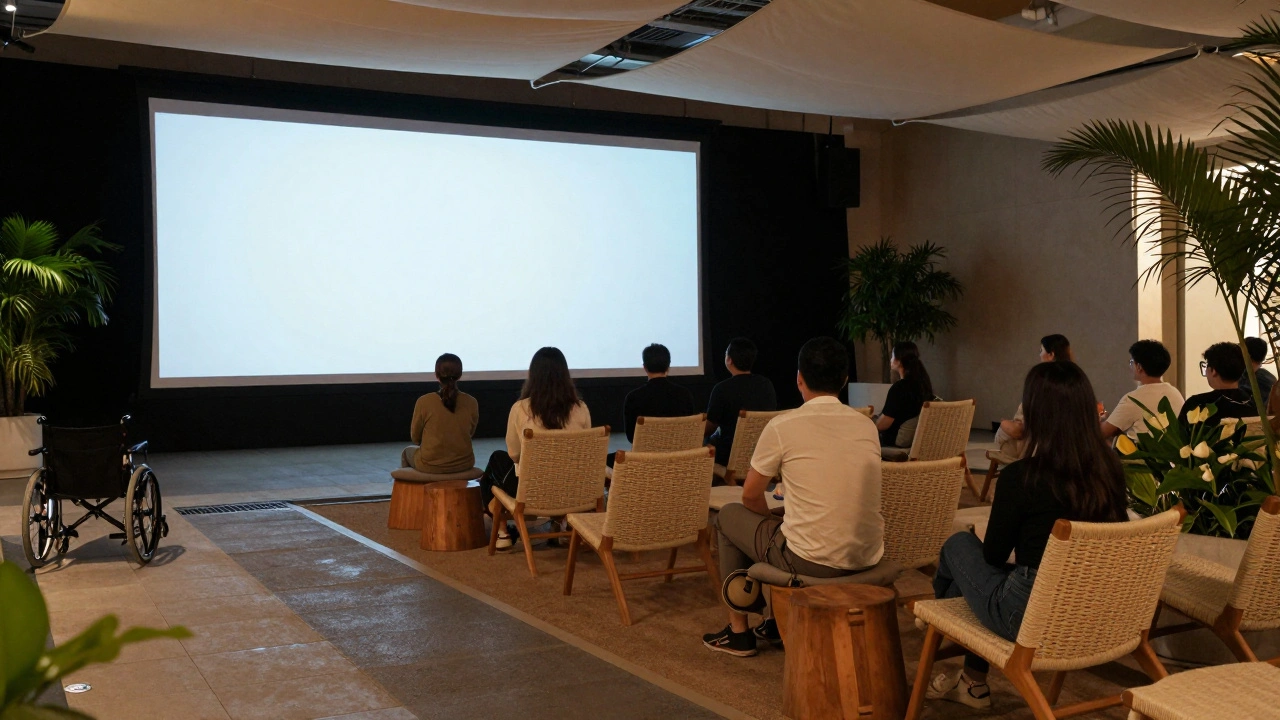
What does good seating look like? Not just benches. It’s varied. Low tables with stools for quick breaks. Couches near video installations so people can sit and watch. Private nooks with shade and quiet for those overwhelmed by noise. Even a few folding chairs near the restrooms help. People don’t ask for chairs - they just disappear if they can’t find them.
Design matters too. Avoid plastic folding chairs that rattle. Use wood, woven fabric, or recycled materials that echo the art’s aesthetic. In Portland’s annual Art Fair on the Plaza, organizers use reclaimed timber benches with cushions made from fabric donated by local textile artists. It’s not just comfortable - it tells a story.
And here’s the quiet win: seating gives people permission to linger. They don’t feel guilty for sitting. They start conversations. They take photos. They come back next year.
Access: No One Should Feel Locked Out
Access isn’t just about ramps and elevators. It’s about every detail that makes someone feel welcome - or unwelcome.
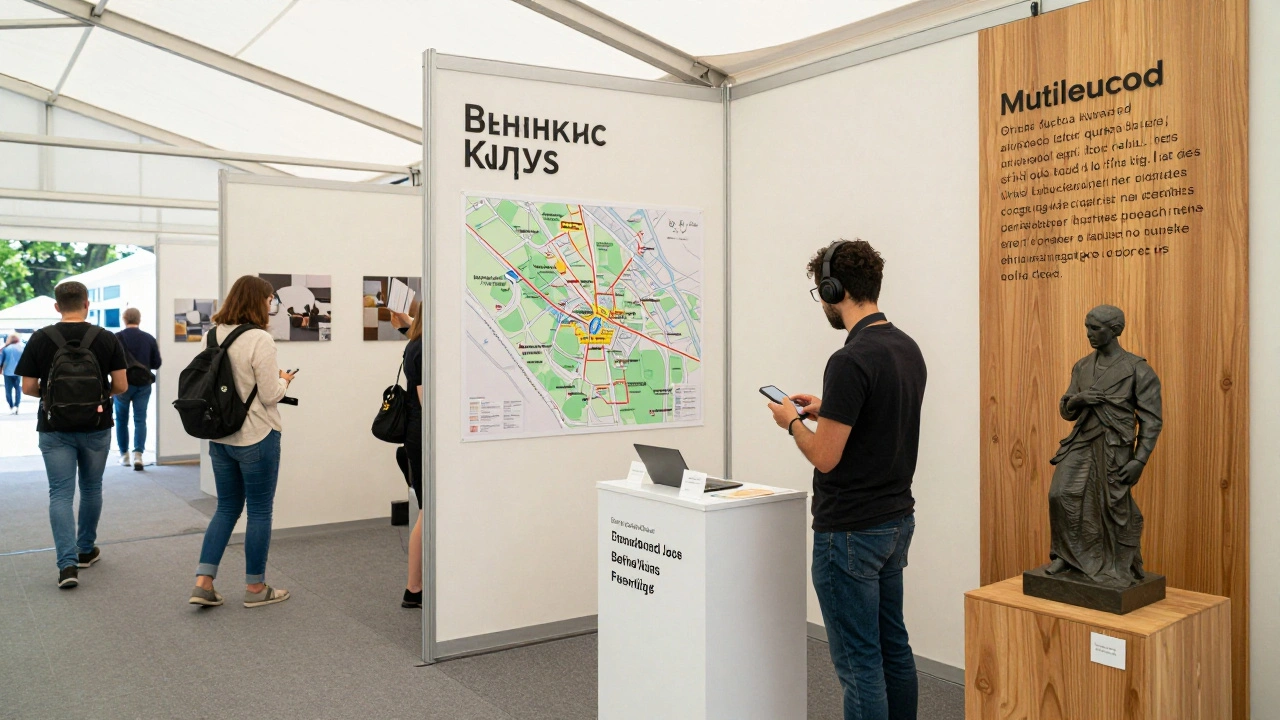
Start with wayfinding. Clear signs. Color-coded zones. Maps you can grab at the door - not just a QR code that requires a phone and data. Many visitors, especially older ones or tourists, don’t want to fumble with their phones in a crowded space.
Then there’s physical access. Every entrance must be step-free. Pathways need to be at least 48 inches wide - no exceptions. If you’re using tight corridors to create a sense of intimacy, you’re creating barriers. A 2023 audit of 12 major art fairs found that 40% had narrow walkways that blocked wheelchairs and strollers. That’s not a design choice - it’s exclusion.
Don’t forget sensory access either. Some installations are too loud. Some lights flash too fast. Offer quiet rooms. Provide noise-canceling headphones at the info desk. Include visual descriptions of artworks near the pieces themselves. A visitor who’s blind shouldn’t have to ask five people what a sculpture looks like.
And language? If you’re hosting an international crowd, have bilingual staff. Not just English and Spanish - Mandarin, Arabic, French. At the 2025 Berlin Art Fair, volunteers spoke seven languages. Attendance from non-European visitors jumped 29%.
The Ripple Effect of Good Hospitality
When you get hospitality right, everything else improves. Artists get more attention. Galleries sell more work. Visitors become patrons. One gallery owner in Chicago told me her sales increased by 35% after adding a tea station and two cushioned benches near her most expensive pieces. “People didn’t just look at the art,” she said. “They sat with it.”
It’s not about spending more. It’s about thinking differently. A $500 investment in a few durable benches and a local food vendor can bring back more visitors than a $20,000 light installation.
Art fairs that treat hospitality as an afterthought are stuck in the 1990s. The ones thriving now understand: art doesn’t live in a vacuum. It lives between people - and between snacks, seats, and signs.
Quick Checklist for Art Fair Organizers
- Offer at least three snack options: one hot, one cold, one drink - all labeled with dietary info
- Place seating every 100 feet - mix of benches, stools, and quiet nooks
- Ensure all walkways are 48+ inches wide and free of obstacles
- Provide printed maps at every entrance - no QR codes required
- Train staff to speak at least two languages common in your region
- Create a quiet room with dim lighting and noise-canceling headphones
- Include tactile or verbal descriptions of key artworks
Frequently Asked Questions
Do art fairs really need to serve food?
Yes - not because it’s fancy, but because hunger and fatigue cut visit times in half. A 2025 study found that visitors who ate a snack tied to the art stayed 47% longer. Even simple options like fresh fruit, sandwiches, or cold brew make a difference. The goal isn’t to feed everyone gourmet meals - it’s to keep people present.
Is seating really that important?
Extremely. Visitors who sit down spend an average of 12 minutes longer at an art fair. That’s not just comfort - it’s engagement. People don’t just look at art while standing. They pause, reflect, talk, and return. Fairs with thoughtful seating saw 51% more repeat visitors in 2025. Simple, durable seating made from natural materials works best.
What counts as good access?
Good access means physical, sensory, and informational ease. Walkways must be wide enough for wheelchairs and strollers. Signs must be clear without phones. Quiet rooms and noise-canceling headphones help those with sensory sensitivities. Visual descriptions and multilingual staff open doors for non-English speakers and blind visitors. Access isn’t a legal box to check - it’s how you invite everyone in.
Can small art fairs afford these upgrades?
Absolutely. You don’t need a big budget - just smart choices. Partner with local cafes for discounted snacks. Use donated or reclaimed wood for benches. Recruit volunteers who speak multiple languages. A $500 investment in a few sturdy chairs, printed maps, and a snack cart can dramatically improve visitor retention. Many small fairs now track how long people stay - and they see returns fast.
Why does hospitality affect sales?
Because people buy what they feel connected to. If someone is tired, hungry, or confused, they won’t engage deeply with the art. But if they’ve sat down, had a snack, and felt welcomed, they’re more likely to ask questions, take photos, and remember the artist’s name. Sales follow attention. Hospitality builds attention.