First-Time Art Buyer Experience: How to Convert New Customers in the Art Market
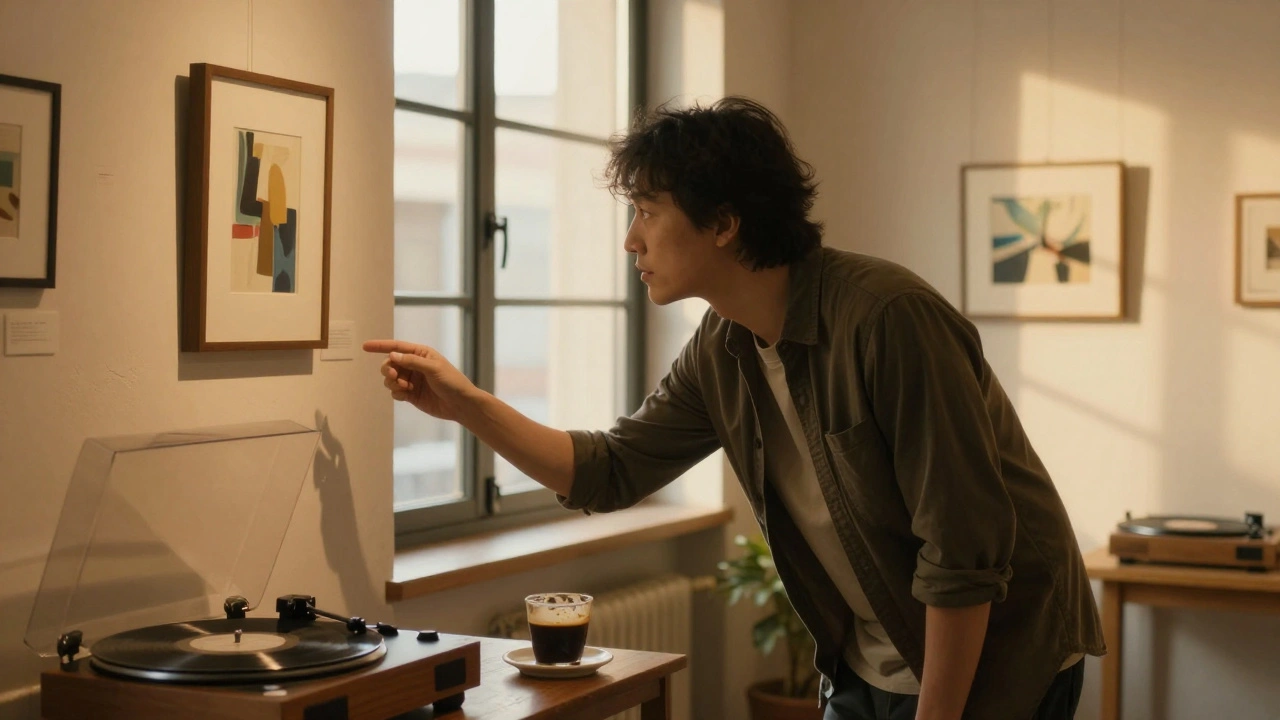
Buying art for the first time feels overwhelming. You’re not sure what to look for, how much to pay, or if you’re being taken advantage of. Galleries seem intimidating. Online platforms feel anonymous. And that $5,000 painting? Is it worth it-or just a fancy decoration? Most galleries lose first-time buyers after one visit because they treat them like transactions, not people. But here’s the truth: converting a new art buyer isn’t about closing a sale. It’s about building trust before you ever mention the price tag.
They Don’t Want to Buy Art. They Want to Feel Something.
A woman in Portland bought her first piece last year-not because she knew about brushstrokes or provenance, but because the gallery owner asked her what music she listened to while working. She mentioned jazz. He pulled out a small abstract painting by a local artist who played saxophone in the same clubs. "This one," he said, "reminds me of her." She didn’t know anything about modern art. But she knew that moment felt real. She paid $1,200. And she came back six months later with her sister.
That’s not luck. That’s empathy-driven sales. First-time buyers aren’t shopping for objects. They’re searching for connection. They want to feel understood. They want to believe the art has meaning beyond its price. If your sales process starts with a price list, you’ve already lost them.
Start With Questions, Not Catalogs
Most art galleries show you 20 pieces and say, "What do you like?" That’s the wrong question. It puts pressure on someone who doesn’t know how to answer. Instead, try these:
- "What kind of spaces do you spend the most time in?"
- "Is there a color or mood you keep coming back to in your home?"
- "Have you ever seen a piece of art that made you stop and stare? What was it about?"
These questions uncover emotional anchors. They reveal whether someone is drawn to calm, chaotic, nostalgic, or bold energy. A client who says "I love the way morning light hits my kitchen" might connect with a muted watercolor of dawn. Someone who talks about "the noise of the city" might respond to a layered, textured mixed-media piece.
Write down their answers. Not just for notes-use them to personalize your follow-up. Send them one image, not ten. "You mentioned the quiet of your morning routine. I thought of this piece by Lena Ruiz. It’s not for sale yet, but I can show you the artist’s process video if you’re curious." That’s not a pitch. That’s a gift.
Don’t Sell the Painting. Sell the Story Behind It.
Art isn’t a product. It’s a bridge between someone’s life and someone else’s creativity. A first-time buyer doesn’t care about the canvas size or the medium. They care about the person who made it.
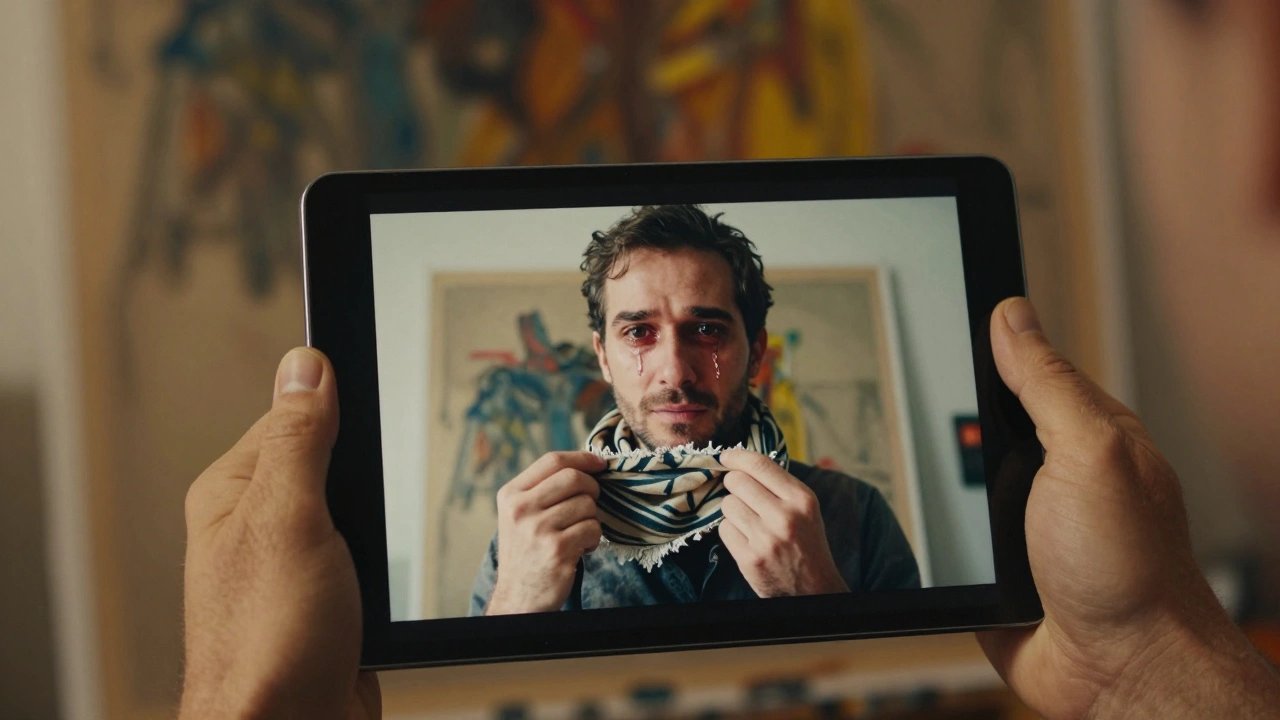
One gallery in Seattle started including 90-second video interviews with every artist they feature. Not glossy promo reels. Real moments: "I painted this after my mom passed. I used her old scarf as a palette cloth." Viewers didn’t just remember the art-they remembered the feeling. Sales jumped 42% in six months.
When you introduce a piece, don’t say, "This is a limited edition lithograph." Say, "This was painted during three sleepless nights after the artist’s daughter was born. He didn’t sleep, so he painted. Every stroke is a heartbeat."
People don’t buy art because it’s beautiful. They buy it because it mirrors something they feel but can’t name.
Make the Price Feel Fair, Not Frightening
Price shock is the #1 reason first-time buyers walk away. But the problem isn’t the number. It’s the silence around it.
Instead of slapping a $4,500 tag on a painting and hoping they’ll decide, say: "This piece took 140 hours to complete. The artist sources all pigments from recycled minerals-so each one is unique. Most collectors who buy this spend about $1,800 to $2,200 on smaller pieces first. If you’re curious, we can show you three works under $1,000 that use the same color palette."
You’re not lowering the price. You’re reframing it. You’re showing value, not just cost. You’re giving them a ladder, not a wall.
Also, offer payment plans. Not as a sales tactic, but as a kindness. One gallery in Portland started letting buyers pay in three installments with zero interest. No credit check. Just a handshake. Within a year, 68% of first-time buyers returned. Why? Because they felt respected, not pressured.
Follow Up Like a Friend, Not a Sales Rep
Most CRM systems track clicks, opens, and conversions. But art buyers need something different. They need to feel seen over time.
After a first visit, don’t send a generic email: "Thanks for stopping by!"
Instead, send a personal note: "I remembered you said you’ve been thinking about putting art in your hallway. I found a small piece by a local photographer who captures light in empty rooms. I’ll send you one image. No pressure. Just thought you might like it."
Three weeks later, send a photo of the artist’s studio. Two weeks after that, invite them to a free artist talk. Not as a sales pitch. As an invitation.
That’s how relationships form. Not with discounts. Not with pushy follow-ups. With consistency, curiosity, and care.
Track What Actually Matters
Forget open rates and click-throughs. If you want to convert new art buyers, track these three things:
- How many first-time buyers return within 90 days? (Not how many bought.)
- How many mention a personal story you shared? (Ask them: "What made you come back?")
- How many refer someone else? (Art buyers become evangelists when they feel understood.)
One gallery in Portland started logging these in a simple notebook. Within eight months, their repeat customer rate went from 18% to 56%. Their average sale value increased by 31%. And 40% of new buyers came from referrals.
You don’t need fancy software. You need a system that remembers names, stories, and quiet moments.
It’s Not About Selling More Art. It’s About Making Art Feel Like Home.
The art market doesn’t need more buyers. It needs more belongers.
When someone buys their first piece, they’re not just adding a decoration. They’re saying, "This matters to me." And if you treat that moment like a transaction, you’ll lose them. But if you treat it like a milestone-their first step into a world of meaning-you’ll earn a customer for life.
The best art salespeople aren’t the ones who talk the most. They’re the ones who listen deeply. Who remember the coffee order. Who send a photo of a rainy day that matches the mood of the painting they thought the buyer might like. Who don’t push, but wait.
That’s how you convert a first-time buyer.
Not with a pitch.
With presence.