Content Marketing for Online Art Stores: Blogs and Guides
Running an online art store isn’t just about uploading images and waiting for sales. If you’re not telling stories, you’re just another website with pretty pictures. The difference between a store that fades into the background and one that builds a loyal following? Content marketing. Specifically, blogs and guides that speak directly to the people who love art-not just buy it.
Why Art Buyers Don’t Just Click ‘Buy’
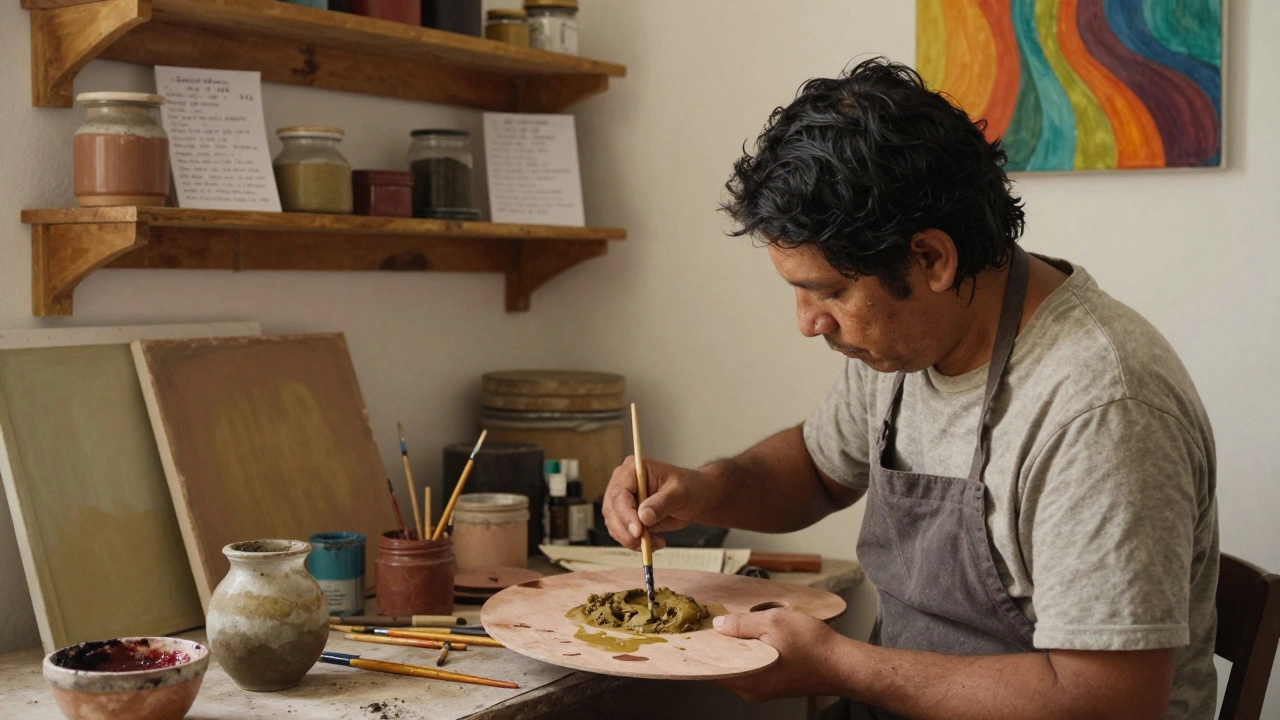
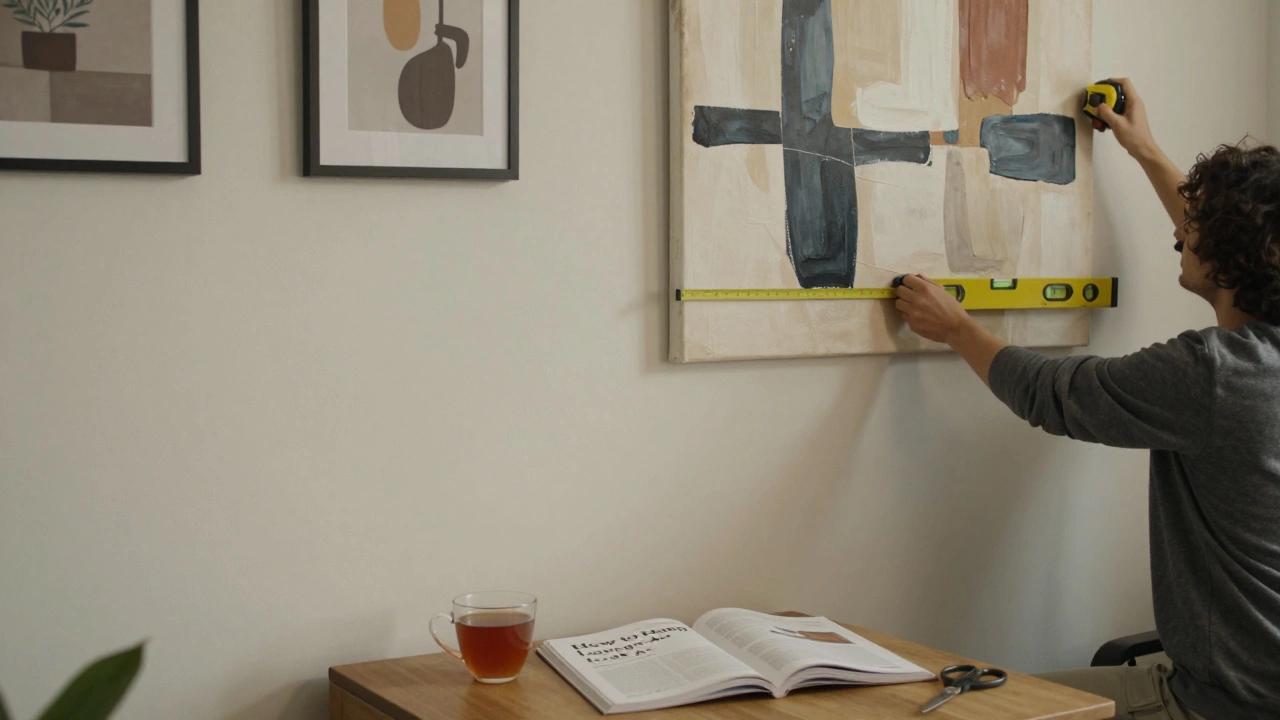
Most online art stores treat their customers like shoppers at a supermarket. They see a painting, they check the price, they click. But art isn’t a pair of socks. People don’t buy a $1,200 abstract piece because it matches their couch. They buy because it moves them. They buy because they understand the artist’s process, the history behind the style, or the emotion locked in the brushstrokes.That’s where content comes in. A blog post about how a painter in Oaxaca uses natural pigments from local clay doesn’t just inform-it connects. A guide on how to hang large-scale art in a small apartment doesn’t just solve a problem-it builds trust. When you give people something real, they start to see your store as a source of value, not just inventory.
What Kind of Blogs Actually Work for Art Stores
Not every blog post about art is useful. Here’s what gets results:- Artist deep dives - Not just a bio. Show their studio, their sketchbooks, their failed pieces. One store in Portland started a series called “The 17th Draft,” where they shared early versions of paintings alongside the final work. Sales of those artists’ pieces jumped 40% in three months.
- How-to guides for buyers - “How to Frame an Oil Painting Without Damaging It,” “What to Look for in a Limited Edition Print,” “How to Clean Acrylics Without Ruining the Surface.” These aren’t fancy. They’re practical. And people save them.
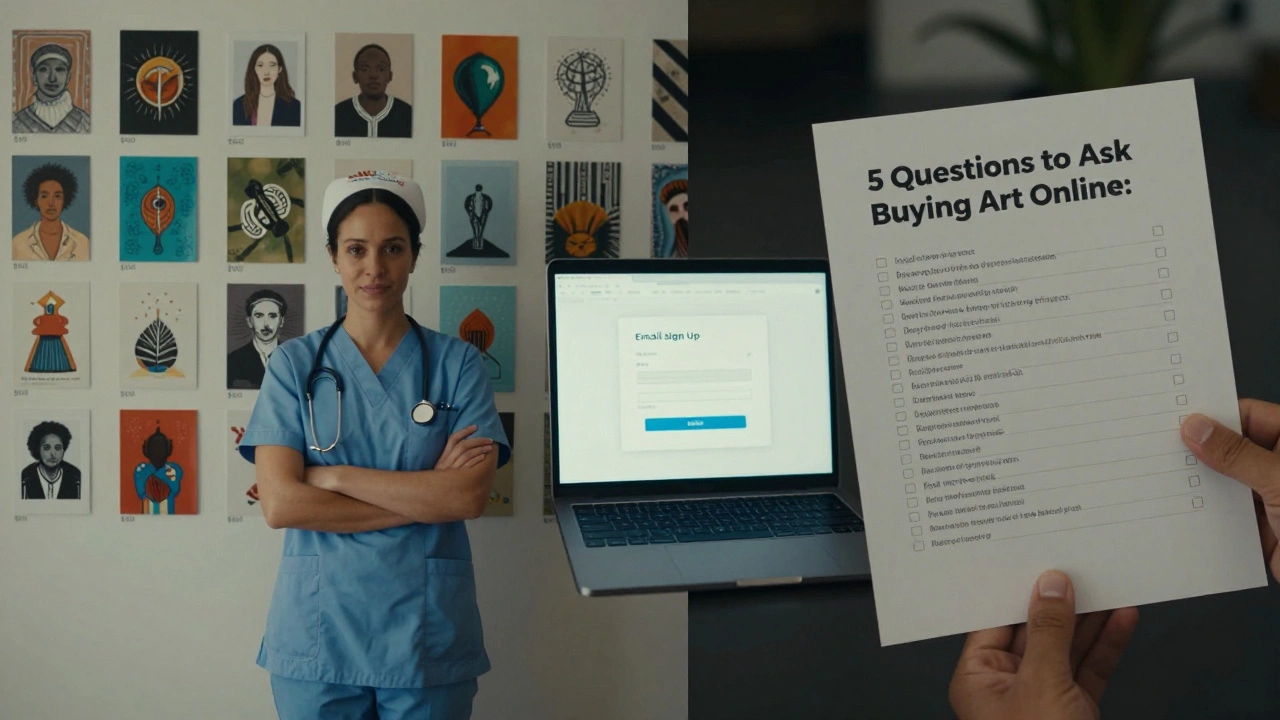
- Collection stories - “How a Nurse in Chicago Built a 20-Piece Art Collection on a $500/month Budget.” Real people. Real budgets. Real passion. These stories make buyers think, ‘I could do that too.’
- Regional art scenes - If you sell work from the Pacific Northwest, write about the underground galleries in Portland, the mural projects in Seattle, or how coastal light affects watercolor in Oregon. Local relevance builds community.
These aren’t filler. They’re anchors. They pull people into your world. And once they’re in, they stay longer. They open emails. They share posts. They come back.
Guides That Turn Browsers Into Buyers
Blogs get attention. Guides get conversions.Think of guides as your silent sales team. They answer objections before they’re even voiced. Here’s what a top-performing guide looks like:
- Start with a question - “Are you nervous about buying art online?” That’s the first thing most people think.
- Break it into steps - “Step 1: Know your space. Step 2: Define your vibe. Step 3: Choose a budget range.” Simple. Visual. No fluff.
- Include real examples - Show three different living rooms, each with a different style of art, labeled with price points and artist names from your store. People don’t want theory-they want to see themselves in it.
- Add a downloadable checklist - “5 Questions to Ask Before Buying Art Online.” People love free tools they can print or save. You get their email. They get value.
One online gallery saw a 62% increase in email sign-ups after launching a guide called “The First-Time Art Buyer’s Toolkit.” It wasn’t a sales pitch. It was a roadmap. And that’s what made the difference.
How to Repurpose Content Without Being Repetitive
You don’t need to write a new blog every week. You need to stretch what you’ve got.Turn one artist interview into:
- A blog post
- A 3-part Instagram carousel
- A short YouTube video showing their process
- A downloadable PDF guide: “What I Learned from 10 Years of Painting Every Day”
- A newsletter series: “The Artist’s Desk” - weekly photos of their workspace
Each piece serves a different audience. Someone sees the Instagram post, clicks to the blog, signs up for the PDF, then gets the newsletter. That’s how you build a relationship-not with one post, but with a chain of touchpoints.
What Not to Do
Avoid these traps:- Overly academic language - “The chromatic resonance of the impasto technique evokes postmodern existentialism.” No one cares. Say: “The thick paint makes you feel like you’re standing right in the middle of the storm.”
- Only talking about prices - “This painting is $895.” That’s not content. That’s a price tag. Tell them why it’s worth it.
- Ignoring comments - If someone asks, “Where did the artist get the inspiration for this?” reply. Not just to them-to everyone reading. That’s how you turn readers into fans.
- Posting inconsistently - One post a month? You disappear. Try one solid piece every 10 days. Even if it’s short. Consistency builds habit.
Measuring What Matters
Don’t track page views alone. Track this:- Email sign-ups from guides - If your “Art Buying Starter Kit” gets 300 sign-ups, you’ve got 300 warm leads.
- Time on page - If people are spending 4+ minutes on a blog about brushstroke techniques, they’re engaged. That’s gold.
- Return visits - Are people coming back to read more? That’s loyalty.
- Conversion from blog traffic - Use UTM tags. See which blog posts lead to actual sales. Double down on those topics.
One store noticed that readers who spent more than 5 minutes on their “How to Choose Abstract Art” guide were 3x more likely to buy than those who just browsed the homepage. That’s not luck. That’s strategy.
Start Small. Stay Real.
You don’t need a team of writers. You just need to start talking like a human.Take a photo of your best-selling piece. Write a 300-word post about why it keeps selling. Tell the story of the customer who bought it. Mention how the artist felt when they finished it. Post it. That’s it.
Content marketing for art stores isn’t about being perfect. It’s about being present. It’s about showing up with honesty, curiosity, and care. The art speaks for itself. Your job? Help people hear it.
Do I need to write long blog posts to make content marketing work for my art store?
No. Length doesn’t equal impact. One 400-word post that answers a real question-like how to clean a canvas without damaging it-can outperform a 2,000-word essay that feels like a lecture. Focus on clarity and usefulness, not word count. People are looking for answers, not novels.
Should I write about artists I don’t sell?
Yes-if it helps your audience understand what they’re looking for. Writing about the history of abstract expressionism, even if you only sell contemporary pieces, builds your credibility. People trust experts who know the bigger picture. Just make sure you tie it back to your own artists. Example: “This movement shaped how today’s artists like Maria Chen use color.”
How often should I post new content?
Once every 10 to 14 days is sustainable and effective. More than that, and you burn out. Less than that, and you fade from view. Consistency matters more than volume. A well-researched guide every two weeks builds momentum. A rushed post every day doesn’t.
Can I use customer stories instead of artist stories?
Absolutely. In fact, customer stories often convert better. A mother who hung her first art piece above her child’s crib, a retired teacher who started collecting local artists after moving to the coast-these stories make art feel personal. Ask buyers: “What made you choose this piece?” and share their answers (with permission). Real emotion beats polished artist bios every time.
Is it worth investing in video content for an art store?
Yes, but keep it simple. You don’t need a film crew. A 90-second clip of an artist mixing paint, or a 60-second tour of how a piece is packaged and shipped, adds huge value. People want to see the human side. Video builds trust faster than text. Start with one short video per month. Use your phone. Natural lighting. No script. Just truth.