Art Gallery Market Research: Evaluate Your Local Landscape
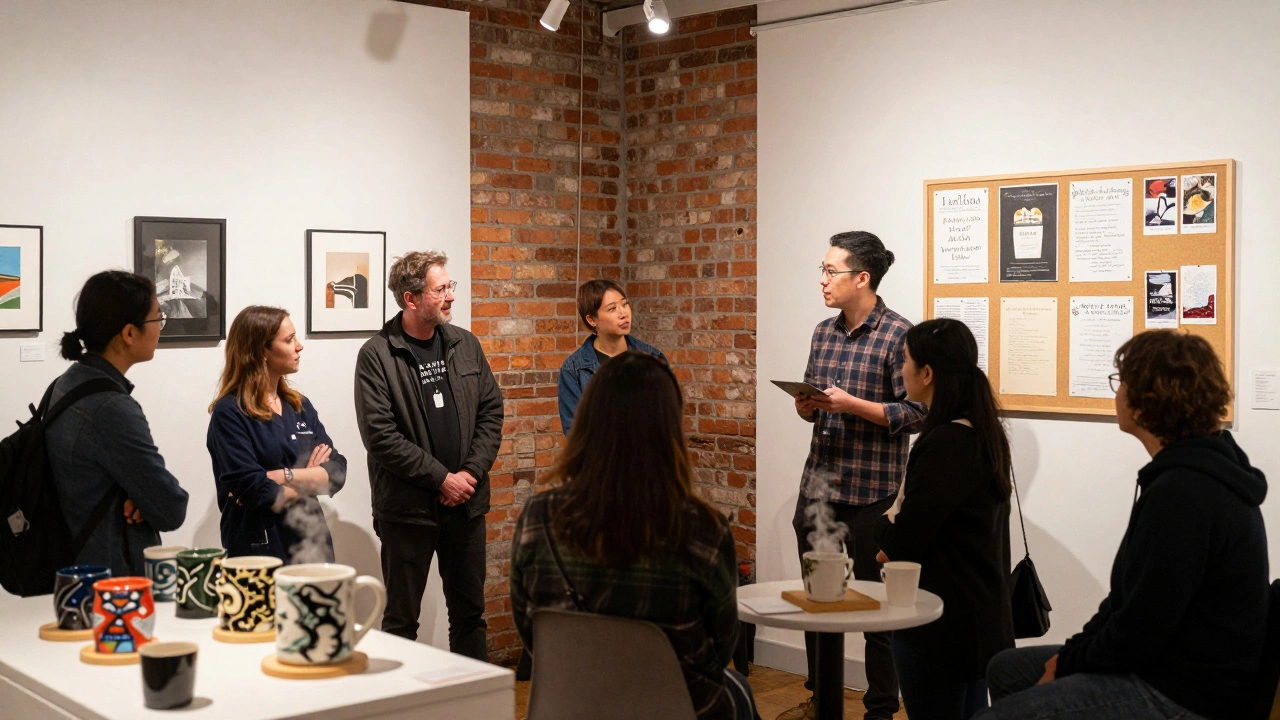
Starting an art gallery isn’t just about hanging paintings on white walls. It’s about understanding who your neighbors are, what they care about, and whether they’ll walk through your door. Too many gallery owners assume that if they love art, others will too. That’s not how it works. The truth is, a gallery thrives when it fits snugly into the cultural rhythm of its neighborhood. If you’re thinking about opening one, you need to do real market research-not just guesswork.
Know Your City’s Art DNA
Portland isn’t New York. It’s not even Seattle. The city has a quiet, DIY energy. People here value handmade things, local stories, and spaces that feel human, not corporate. You won’t find a ton of billionaire collectors here, but you will find teachers, carpenters, nurses, and writers who buy art because it speaks to them-not because it’s an investment. Look at the galleries that have lasted: Cooley Gallery, Blue Sky Gallery, and the Portland Art Museum’s satellite spaces. They don’t sell million-dollar pieces. They sell connection.Start by walking around. Visit every gallery, pop-up, and artist-run space within a 10-mile radius. Take notes. What kind of art do they show? Who’s buying? Are people lingering, or just glancing? Are there events? Coffee? Music? A community board? These aren’t just nice extras-they’re the glue that holds local art scenes together.
Who’s Already Buying Art Here?
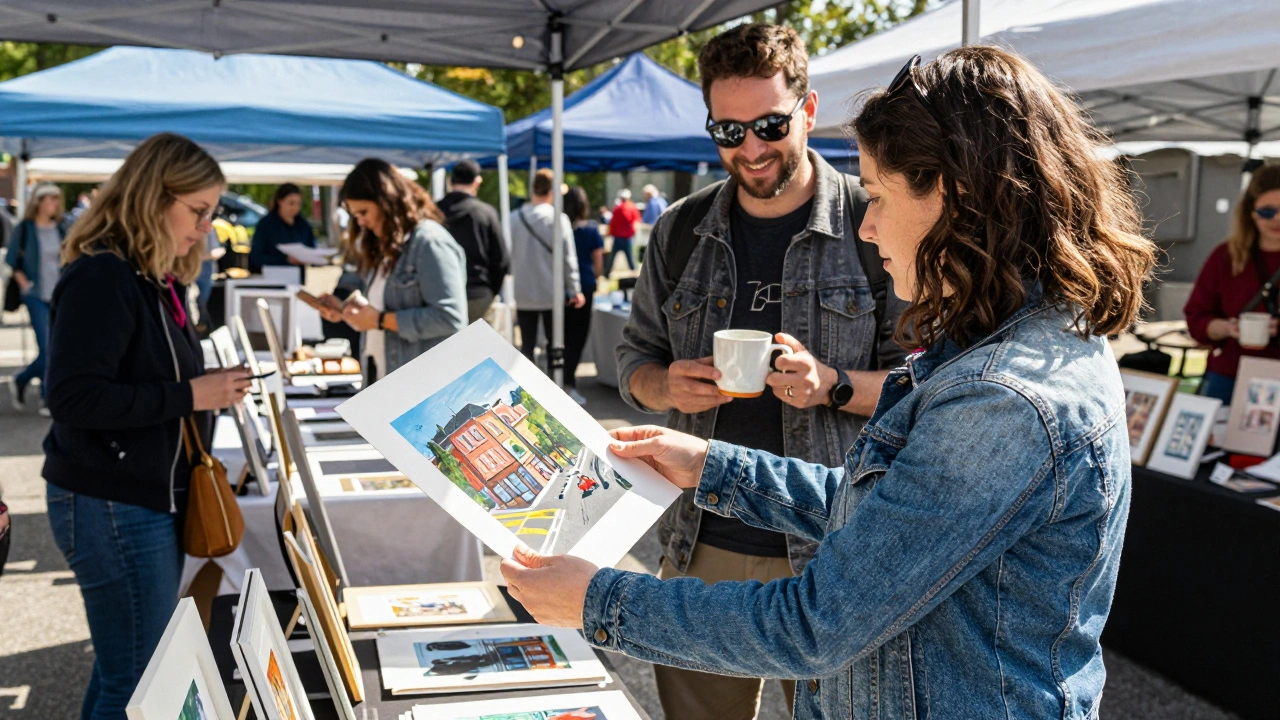
You can’t guess your audience. You have to find them. Start with public data. The U.S. Census Bureau’s American Community Survey shows that in Portland, 22% of adults over 25 have a bachelor’s degree or higher. That’s above the national average. More importantly, 14% of households earn between $75,000 and $125,000 a year. These aren’t rich people. But they’re stable. And they spend on experiences.Look at local art fairs. The Portland Art Fair draws over 12,000 people every year. Who’s there? Mostly locals. Most buy prints, small sculptures, or ceramics under $500. That’s your market. Not the $20,000 oil painting. The $120 ceramic mug with a hand-glazed dragon. The $85 limited-edition screen print of a neighborhood street corner. These are the items that move. And they’re the ones that build loyalty.
Check out Instagram hashtags like #portlandartist or #oregonart. See who’s posting. Who’s tagging local businesses? Who’s getting likes from teachers, librarians, or small shop owners? That’s your tribe. They’re not on Forbes lists. But they’re the ones who’ll tell their friends about you.
What’s Missing in the Local Scene?
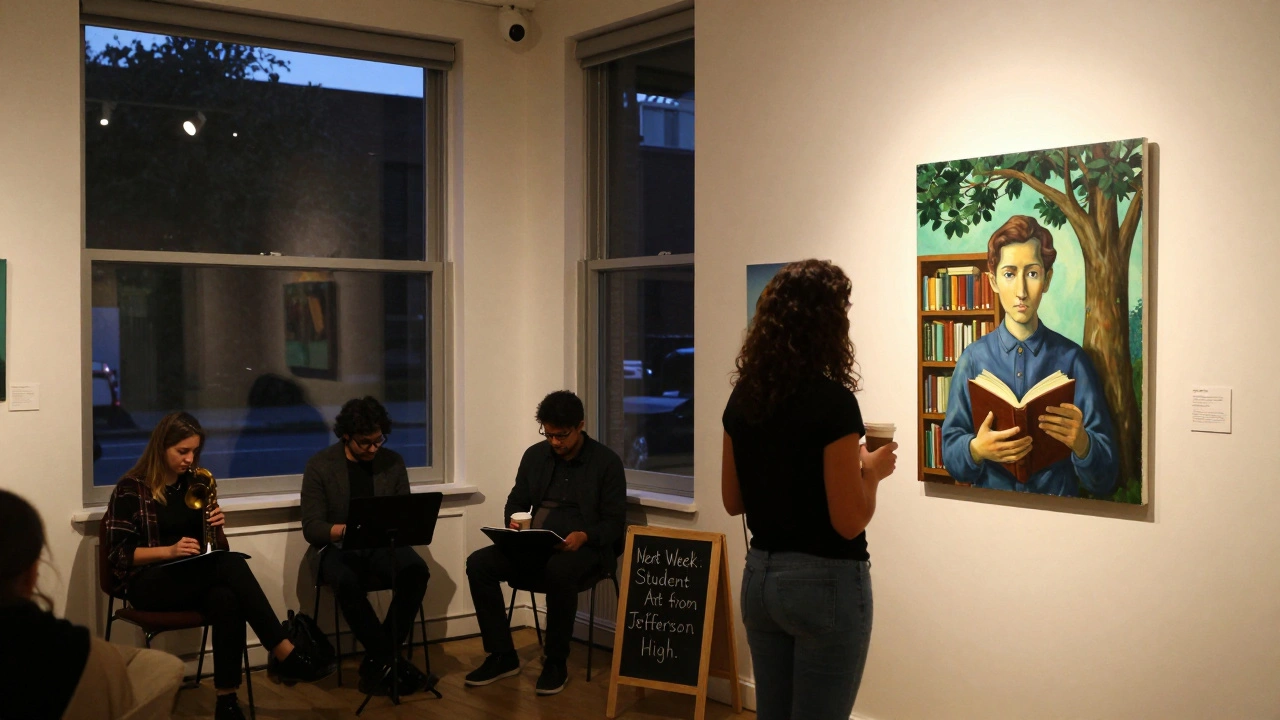
Every city has gaps. In Portland, there’s a noticeable lack of galleries focused on emerging artists under 30. Most spaces either show established names or host group shows with 15 artists. There’s little room for deep dives into one voice. That’s an opening. If you can create a space that features one emerging artist per month-with interviews, artist talks, and workshops-you’ll fill a real need.Also, look at accessibility. Most galleries are open 11-5, Tuesday through Saturday. But Portlanders work odd hours. Nurses, bartenders, and shift workers don’t get off at 4 p.m. A gallery open until 8 p.m. on Thursdays and Fridays? That’s a game-changer. Add free coffee and local music on those nights? You’ve got a destination.
Another gap? No gallery in Portland regularly partners with local schools. Not just for field trips. For co-curated shows. Imagine a gallery show made entirely of student work from Jefferson High, with a reception where students speak about their pieces. That’s not charity. It’s community building. And it creates lifelong art lovers.
Competition Isn’t Just Other Galleries
You’re not just competing with other galleries. You’re competing with Netflix, TikTok, and the local bookstore. People have a million ways to spend their time and money. So ask: Why would someone choose your gallery over a $12 latte and a podcast?Answer: Because it feels alive. Because it’s not just a room with art. It’s a place where you meet the maker. Where you hear a story. Where you leave with a conversation, not just a receipt. That’s the edge.
Look at the success of the Portland Art Museum’s Art After Hours events. They draw crowds because they mix art with live jazz, food trucks, and free workshops. You don’t need a museum budget. But you do need to think like one. What if your gallery hosted a monthly Artist + Poet Night? Or a Local Zine Swap? These aren’t gimmicks. They’re hooks.
Test Before You Lease
Don’t sign a 3-year lease before you know if this will work. Run a pop-up. Rent a kiosk at the Portland Saturday Market for a weekend. Or partner with a coffee shop for a 2-week rotating exhibit. Track everything: foot traffic, sales, questions asked, who bought what, and why.One gallery owner in Eugene did this. She set up a table in a bookstore with 12 small pieces under $75. She asked every buyer: “What made you pick this one?” Over three weekends, she got 87 responses. The top three reasons? “It reminded me of my grandma’s garden.” “The colors made me happy.” “I saw the artist’s Instagram and liked their story.”
That’s gold. That’s your marketing strategy right there. You don’t need fancy ads. You need stories. And stories come from listening.
Build Relationships, Not Just Inventory
Your biggest asset isn’t the art on your walls. It’s the people who walk in. Start a simple email list. Offer a free art postcard to anyone who signs up. Send a monthly note: “This week’s artist, Maria Lin, grew up in Beaverton. Here’s her story.”Partner with local businesses. A bakery can offer 10% off to gallery visitors. You can display their pastries in your space. A bookstore can host your artist talk. A bike shop can sponsor a “Ride to the Gallery” event. These aren’t ads. They’re alliances.
And don’t forget the artists. Don’t treat them like vendors. Invite them to coffee. Ask what they need. Most want exposure, not just a cut. Offer to write a short bio for your website. Film a 2-minute video of them in their studio. Share it. That’s value they can’t get from a big-name gallery.
What Works in Portland-And Why
The most successful galleries here have three things in common:- They’re hyper-local. They show artists who live within 50 miles.
- They’re affordable. Most pieces are under $300.
- They’re social. Events happen. People stay. They talk.
Take Cooley Gallery. They don’t have a website with a shopping cart. They have a newsletter. And a calendar of events. And a wall of postcards from visitors. They sell maybe 30 pieces a month. But they’ve been open 18 years. Why? Because they didn’t chase trends. They built trust.
Your gallery doesn’t need to be big. It just needs to be real.
Start Small. Stay True.
You don’t need a 2,000-square-foot space. You need 300 square feet and a clear purpose. Start with one artist. One theme. One night a week. If people show up, you’ll know. If they don’t, you’ll know why.The art market isn’t about prestige. It’s about presence. The right gallery doesn’t just display art. It becomes part of the neighborhood’s heartbeat. And that’s not something you can buy. It’s something you build-piece by piece, person by person.
How do I find out who’s buying art in my city?
Go to local art fairs, check social media hashtags like #[YourCity]Artist, and talk to artists directly. Ask them who buys their work. Most buyers are local professionals-teachers, nurses, small business owners-not collectors. Track what they buy, why, and how much they spend. You’ll find your real market.
Should I focus on expensive or affordable art?
Start with affordable. Pieces under $300 sell faster, attract more people, and build trust. Expensive art requires a different kind of buyer-one you likely won’t find in most cities unless you’re in a major metro. Affordable art creates foot traffic, word-of-mouth, and repeat visitors. Once you’ve built a loyal base, you can slowly add higher-priced pieces.
Is it better to show local artists or national ones?
Show local artists first. People connect with art made by someone they might pass on the street. Local artists bring their own audience. They’ll share your show. They’ll help with events. And they’ll keep coming back. National artists can come later-once you’ve proven you can draw a crowd.
How do I compete with online art sales?
You don’t compete. You complement. Online art is impersonal. Your gallery is human. Offer experiences: artist meetups, live painting nights, workshops, or free coffee with your show. People don’t just buy art-they buy belonging. That’s something a website can’t give them.
Do I need a website to start a gallery?
Not right away. Start with Instagram and a simple email list. Post photos of your shows, artist stories, and event dates. People will find you. A website is nice, but not essential. What matters is showing up in person, consistently, and making people feel welcome.