Art Gallery Licenses and Permits by State: Complete Checklist
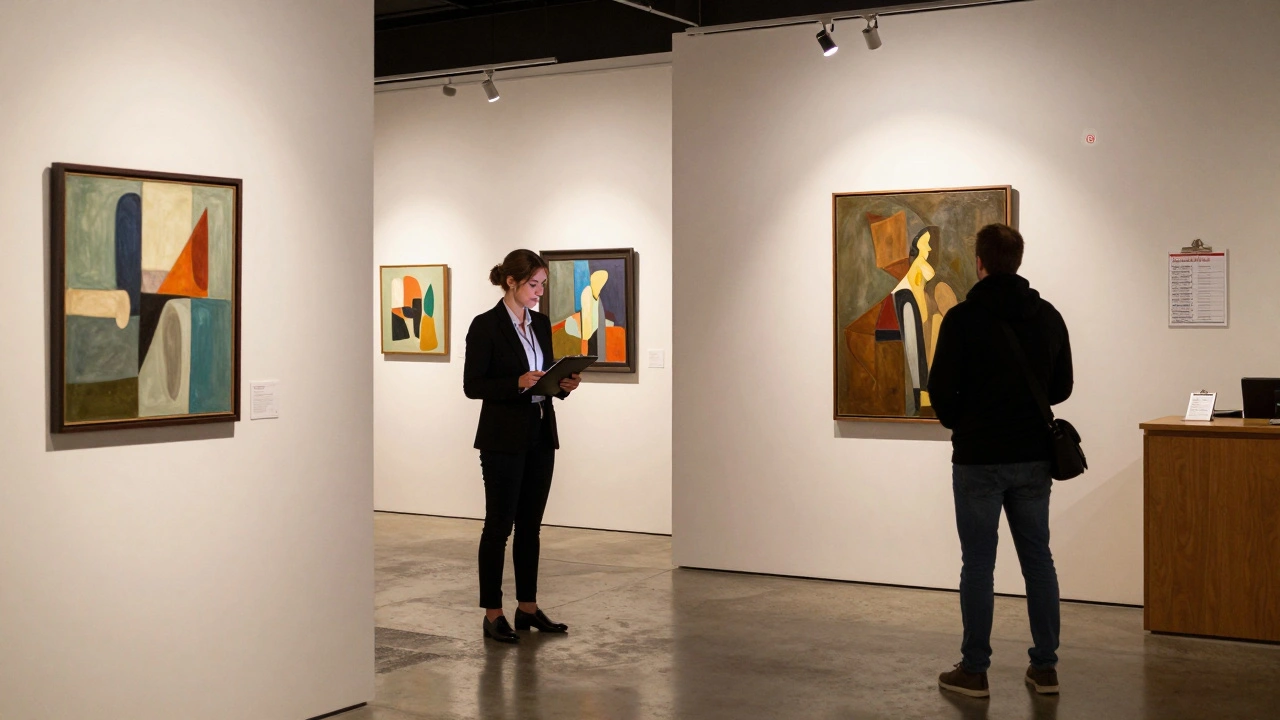
Starting an art gallery isn’t just about hanging paintings on walls. It’s a business-and like any business, it needs to follow the rules. Every state has its own set of licenses and permits you must get before you open your doors. Skip even one, and you could face fines, shutdowns, or legal trouble. This checklist breaks down exactly what you need, state by state, so you don’t waste time or money chasing the wrong paperwork.
What You Need Before You Even Lease a Space
Before you sign a lease, you need to know if your chosen location allows commercial art galleries. Many cities classify galleries as "retail" or "cultural use," and zoning laws vary wildly. In New York City, for example, you can operate a gallery in a mixed-use building if it’s under 5,000 square feet. In Los Angeles, you need a special conditional use permit if you’re in a residential zone. Always check with your city’s planning department. Don’t assume a space that used to be a bookstore or coffee shop is automatically approved for art sales.
Some states require a business license just to operate. That’s not the same as registering your LLC. A business license is issued by your city or county and often requires a fee ranging from $50 to $500. In Texas, you apply through your county clerk’s office. In Florida, it’s handled by the city’s revenue department. You’ll need your EIN, business address, and a description of your activities.
Sales Tax Permit: Non-Negotiable
If you sell art-even one painting a year-you need a sales tax permit. This is mandatory in all 50 states. But here’s the catch: not every state treats art the same. In California, original artwork is exempt from sales tax. In New York, original art is exempt, but prints, posters, and reproductions are taxed at 8.875%. In Washington, all art sales are taxable, no exceptions.
You apply for this permit through your state’s department of revenue. In most cases, you can do it online. You’ll need your federal EIN, business structure, and estimated annual sales. Once approved, you collect tax from buyers and file returns monthly or quarterly. Miss a filing, and penalties pile up fast. Some states charge $100 per late return. Others shut you down.
Art Dealer Registration: Required in 17 States
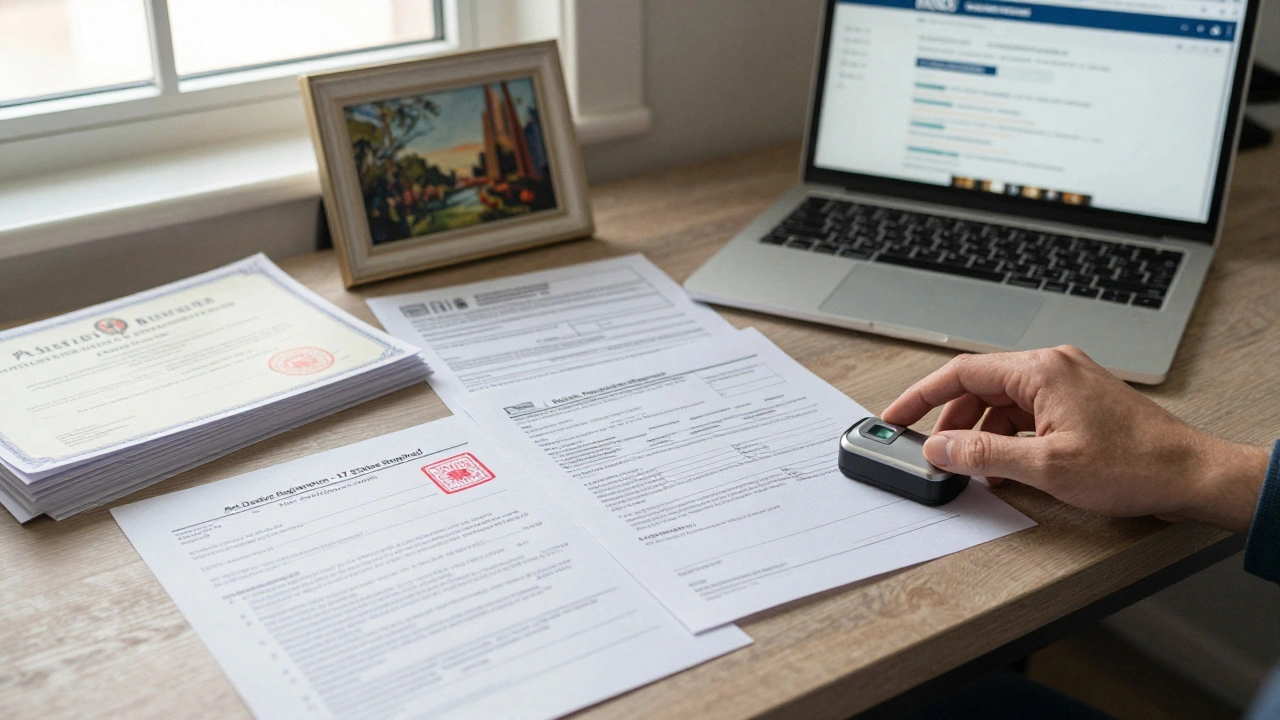
Thirteen states require you to register as an art dealer. That’s different from a business license. It’s a specific credential for people who buy and sell fine art. States like New York, California, Illinois, and Pennsylvania have strict rules. You must register with the state attorney general’s office. You’ll need to submit fingerprints, a background check, and proof of liability insurance.
In New York, under the Art and Cultural Affairs Law, you must register if you sell more than $10,000 worth of art per year. You also have to keep records for seven years and provide buyers with a written statement of authenticity. Violations can lead to fines up to $10,000 per offense. California’s Department of Justice requires the same, plus a $200 registration fee and renewal every two years.
These rules exist to protect buyers from fraud. If you’re selling a $50,000 painting and can’t prove it’s real, you’re at risk. Even if you’re not a dealer-just selling a few pieces from your own collection-you might still trigger this requirement if your annual sales exceed the threshold.
Fire and Building Safety Permits
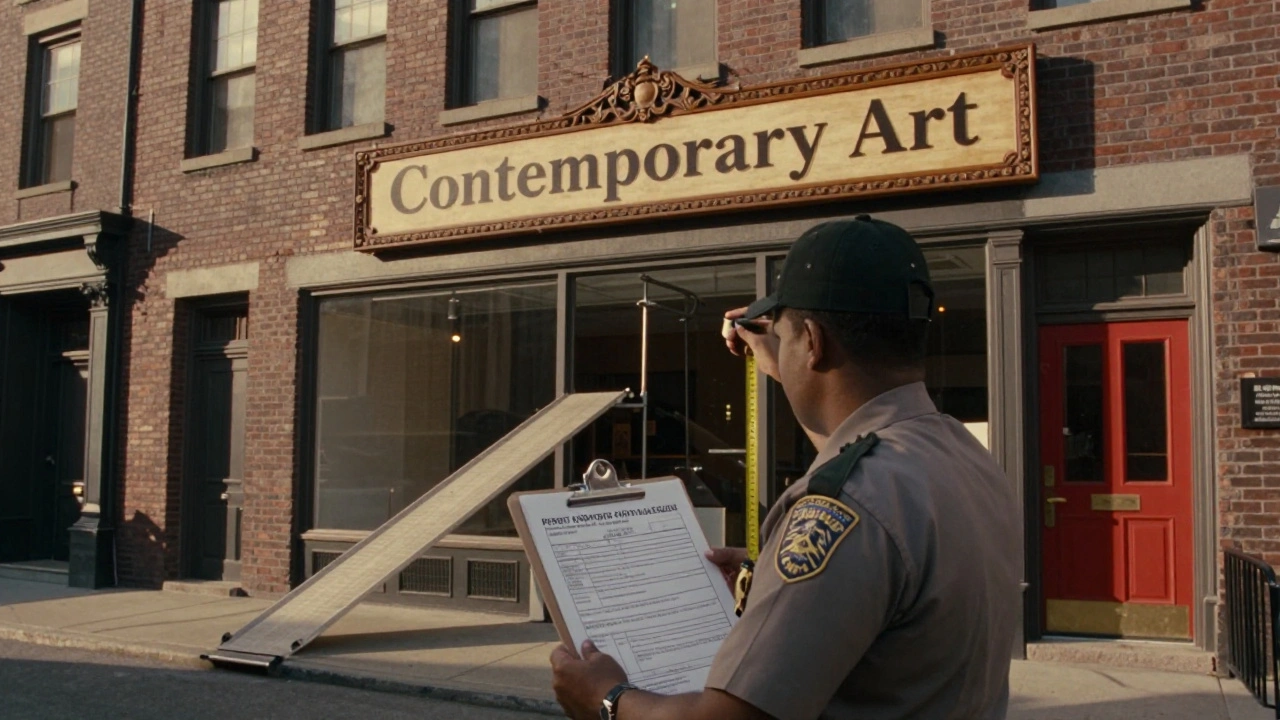
Your gallery is a public space. That means fire codes apply. In most states, you need a fire safety inspection before opening. This includes:
- Number of exits and their clear width
- Fire extinguishers (type and placement)
- Emergency lighting and exit signs
- Electrical load limits (especially for display lighting)
- Non-combustible display cases if you’re storing valuable pieces
In Chicago, the fire department requires a Certificate of Occupancy for any commercial space over 1,000 square feet. In Boston, you must submit a floor plan and get approval before installing any wall-mounted art. In Georgia, galleries must have a sprinkler system if they’re in a building over two stories.
Don’t wait until opening day to schedule this. Inspections can take 2-6 weeks. Some cities require a licensed contractor to sign off on electrical or structural changes. If you’re renovating, get permits for that too. Working without them can void your insurance.
Signage Permits: Don’t Get Fined for Your Window Display
That big sign saying "New Exhibition Opening"? You need a permit for it. Most cities regulate sign size, lighting, placement, and materials. In San Francisco, freestanding signs over 3 square feet require a permit. In Atlanta, illuminated signs need approval from both planning and fire departments.
Some cities ban animated or blinking signs for galleries. Others require you to use only neutral colors. In historic districts, like Charleston or Savannah, you can’t change the facade at all without approval from a historic preservation board. That includes window decals, awnings, and even the color of your door.
Insurance: Not Optional, Even If It Feels Like Overkill
You need two types of insurance: general liability and fine art insurance. General liability covers accidents-someone slips on a rug and breaks their arm. Fine art insurance covers damage or theft of the artwork you’re selling or displaying.
Most galleries carry $1 million in liability coverage. Fine art insurance is trickier. You can’t just use a standard homeowner’s policy. You need a policy specifically written for art dealers. Companies like Chubb, Hiscox, and AIG offer gallery-specific policies. They require an inventory list with photos and appraisals for each piece. If you’re storing art off-site, you need separate coverage for those locations.
In New Jersey, state law requires galleries to carry at least $500,000 in liability insurance. In Oregon, it’s not required by law, but banks won’t approve a business loan without it. If you’re leasing space, your landlord will likely require proof of insurance before you move in.
State-by-State Quick Reference
Here’s what you absolutely need in the top 10 states for art galleries:
| State | Business License | Sales Tax Permit | Art Dealer Registration | Fire Safety | Signage Permit |
|---|---|---|---|---|---|
| California | Yes | Yes (exempt for original art) | Yes (if sales > $10,000/year) | Yes | Yes |
| New York | Yes | Yes (exempt for original art) | Yes (mandatory) | Yes | Yes |
| Texas | Yes (county-based) | Yes | No | Yes | Yes |
| Florida | Yes | Yes | No | Yes | Yes |
| Illinois | Yes | Yes | Yes (Chicago & Cook County) | Yes | Yes |
| Pennsylvania | Yes | Yes | Yes (Philadelphia) | Yes | Yes |
| Washington | Yes | Yes (all art taxed) | No | Yes | Yes |
| Georgia | Yes | Yes | No | Yes (sprinklers if >2 stories) | Yes |
| Massachusetts | Yes | Yes | No | Yes | Yes |
| Ohio | Yes | Yes | No | Yes | Yes |
States like Arizona, Nevada, and Utah have no art dealer registration law. But they still require business licenses, sales tax permits, and fire safety checks. Don’t assume no registration means no rules.
What You Might Forget (But Shouldn’t)
There are hidden requirements most new gallery owners miss:
- ADA compliance: If your gallery has steps, you need a ramp or lift. Doorways must be 32 inches wide. Restrooms must be accessible. This isn’t optional-it’s federal law under the Americans with Disabilities Act.
- Employer identification number (EIN): Even if you’re a sole proprietor, you need one to open a business bank account and file taxes. Get it free from the IRS website.
- Copyright clearance: If you’re reproducing images for promotional materials, you need written permission from the artist or estate. Using a photo of a painting without permission can lead to a lawsuit.
- Waste disposal permits: If you’re storing packing materials, crates, or damaged frames, some cities require you to register for commercial waste pickup.
Next Steps: How to Start
Here’s your action plan:
- Check your city’s zoning code for "art gallery" or "retail art sales" use.
- Apply for your business license and EIN.
- Register for your state’s sales tax permit.
- Find out if your state requires art dealer registration-contact the attorney general’s office.
- Schedule a fire safety inspection with your local fire marshal.
- Apply for signage permits before you order any displays.
- Buy liability and fine art insurance.
- Review ADA requirements and make necessary modifications.
Start early. Some permits take 8-12 weeks. Don’t wait until your walls are painted. Get the paperwork done before you hang your first piece. It’s the difference between opening on time and getting shut down before you even have a grand opening party.
Do I need a license if I only sell art online?
Yes. Even if you sell online, you still need a business license and sales tax permit if you’re operating from a physical location. If you’re based in a state that requires art dealer registration, you must register regardless of where your customers are. Online sales don’t exempt you from local laws.
Can I operate a gallery from my home?
In most cases, no. Residential zones don’t allow commercial art sales. Some cities allow home-based studios, but not public galleries. You’d need to apply for a home occupation permit, and even then, you can’t have customers coming and going regularly. Most galleries require a commercial zoning designation.
What if I’m just helping friends sell their art?
If you’re taking a commission or handling payments, most states consider that a commercial sale. Even if you’re not charging a fee, if you’re facilitating transactions regularly, you may trigger art dealer registration rules. It’s not about intent-it’s about volume and activity. Keep records of all sales, and if you exceed $10,000 annually, assume you’re regulated.
Do I need a permit for temporary pop-up galleries?
Yes. Temporary galleries still need permits for occupancy, fire safety, and signage. Some cities offer short-term permits for events, but you’ll need to apply at least 30 days in advance. Pop-ups aren’t exempt from the rules-they’re just harder to catch.
What happens if I open without a permit?
You could be fined, shut down, or barred from reopening. In New York, fines start at $500 per day for unlicensed art dealing. In California, you could be sued by buyers who claim fraud. Insurance won’t cover you if you’re operating illegally. The cost of getting caught far exceeds the cost of getting it right.