Art as an Investment: How Masterpieces Appreciate Over Time
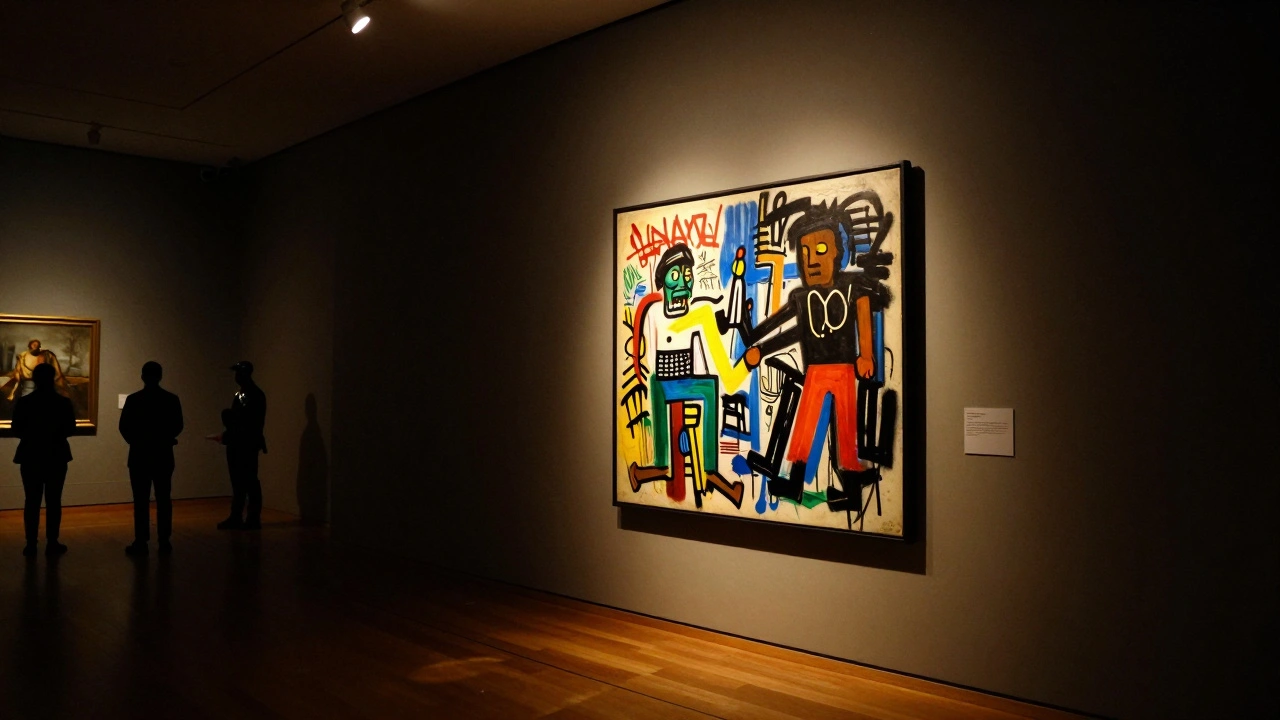
Buying art isn’t just about hanging something beautiful on your wall. For many, it’s a long-term bet-one that can outperform stocks, bonds, or even real estate over decades. But not all art grows in value. Some pieces sit untouched for years while others explode in price. So what actually makes art a smart investment? And how do you tell the difference between a wall decoration and a future million-dollar asset?
The art market doesn’t move like the stock market. There’s no hourly ticker, no news alerts, no analyst reports screaming buy or sell. Instead, value builds slowly-through reputation, scarcity, and timing. A painting by a young artist today might be worth $5,000. Ten years later, if that artist becomes a household name in museums, it could be worth $500,000. But if they fade into obscurity? It might still be $5,000. Or less.
What Drives Art Appreciation?
Three things control long-term value: artist significance, provenance, and market demand.
Artist significance means more than talent. It’s about how deeply an artist shaped their era. Think Picasso, Warhol, or Kusama. Their work didn’t just sell-it changed how people saw art. When an artist’s work enters major museum collections, their market value climbs. The Tate Modern, MoMA, and the Centre Pompidou don’t just display art-they validate it. A piece that ends up in one of these institutions often sees its price double within a decade.
Provenance is the paper trail. Who owned it? Where was it shown? Was it in a famous auction? A painting once owned by a collector like Steve Wynn or Yoko Ono carries more weight than one bought at a flea market. A 2018 Christie’s sale of a Francis Bacon triptych sold for $142 million, partly because it had been in the same private collection since 1962. That continuity mattered.
Market demand is trickier. It’s not just about how many people want it-it’s about who wants it. The biggest buyers today aren’t just Western collectors. China, the Middle East, and Southeast Asia now account for over 40% of global art sales, according to the 2025 Art Basel and UBS Global Art Market Report. When demand shifts, prices shift too. A Japanese ink painting that barely sold for $20,000 in 2010 might now fetch $200,000 because new collectors in Seoul and Singapore are rediscovering traditional Asian aesthetics.
Historical Performance: How Art Compares to Other Assets
Between 1995 and 2025, the median annual return on fine art was 6.8%, according to the Mei Moses Art Index. That’s slightly higher than the S&P 500’s 6.1% over the same period, but with far less liquidity. Art doesn’t pay dividends. You can’t sell it in five minutes if you need cash. And unlike stocks, you can’t easily compare one piece to another. Two Picassos from the same year can have wildly different values based on color, condition, or even the name on the certificate.
Still, the long-term trend is clear. The top 1% of artworks-those sold for over $1 million-have appreciated at an average of 9.4% per year since 2000. The bottom 99%? They barely moved. This isn’t a market for casual buyers. It’s a market for patience.
Which Artists Have the Strongest Track Record?
Some names consistently outperform. Here’s what the data shows:
| Artist | Average Annual Return | Key Work Example | Price Increase (1995-2025) |
|---|---|---|---|
| Jean-Michel Basquiat | 14.2% | “Untitled” (1982) | $50,000 → $110 million |
| Yayoi Kusama | 12.8% | “Infinity Net” series | $8,000 → $7.6 million |
| Mark Rothko | 11.5% | “No. 61 (Rust and Blue)” | $120,000 → $86.8 million |
| Gerhard Richter | 10.7% | “Abstraktes Bild” (1990) | $300,000 → $46 million |
| Georgia O’Keeffe | 9.9% | “Jimson Weed/White Flower No. 1” | $100,000 → $44.4 million |
Notice something? Most of these artists weren’t household names when they started. Basquiat died at 27. Kusama was dismissed as eccentric in the 1960s. Rothko struggled to sell his work in his lifetime. Their value didn’t come from fame-it came from consistency, innovation, and institutional recognition over time.
How to Start Investing in Art (Without Going Broke)
You don’t need a $10 million budget. Here’s how real collectors begin:
- Start small, but think long-term. Buy under $10,000 pieces from emerging artists with gallery representation. Look for those showing at credible art fairs like Art Basel Miami, Frieze London, or TEFAF Maastricht.
- Follow the institutions. If a museum is hosting a solo show for a living artist, that’s a strong signal. Museums don’t take risks on unknowns-they wait for proof.
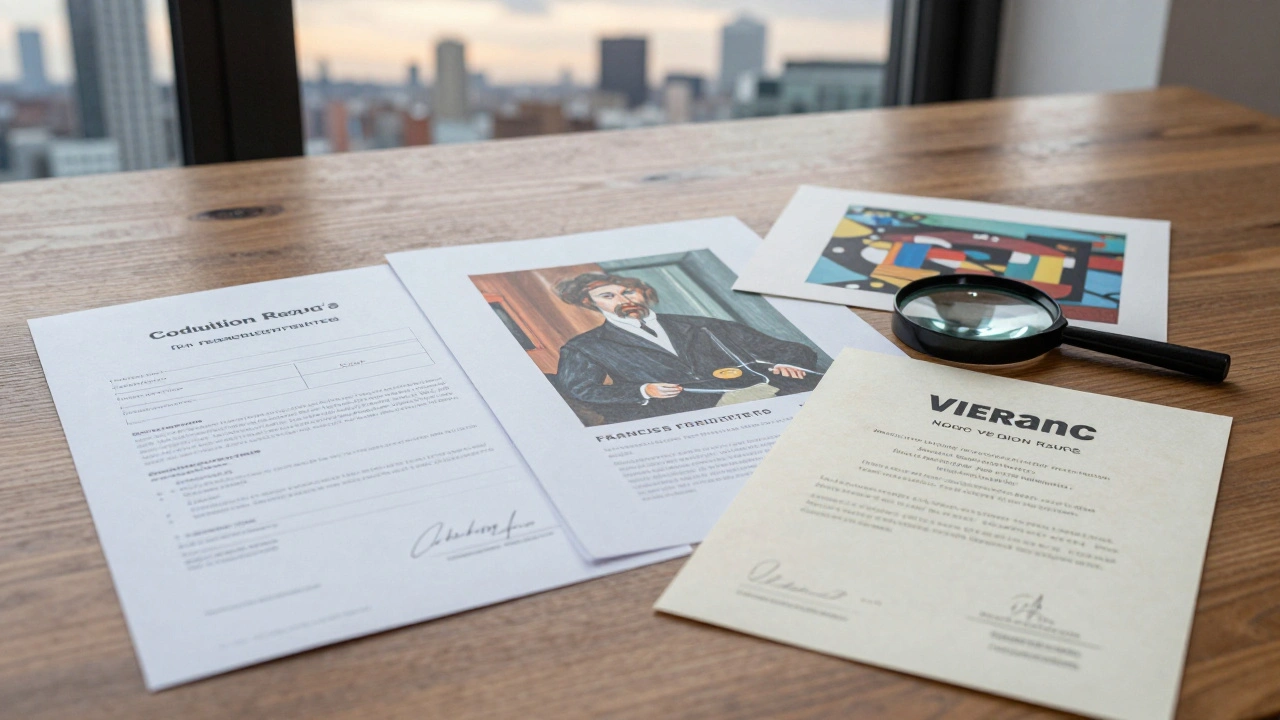
- Buy condition matters. A cracked canvas or faded pigment can cut value by 50%. Always ask for condition reports. If the seller won’t provide one, walk away.
- Use auction houses for transparency. Sotheby’s, Christie’s, and Phillips publish past sale records online. Check if a piece has sold before, and at what price. A recent sale at $85,000 means you shouldn’t pay $120,000 for the same work unless it’s better preserved.
One collector in Portland bought three prints by a local artist in 2018 for $3,000 total. That artist was later featured in the Portland Art Museum’s “Pacific Northwest Voices” exhibit. By 2024, those same prints sold for $28,000. The collector didn’t guess-they watched.
The Hidden Costs of Owning Art
Most people forget the upkeep. Art isn’t like a stock-it needs care.
- Insurance. High-value pieces require specialized policies. Expect to pay 1% of value annually. A $500,000 painting? That’s $5,000 a year.
- Storage. Climate control matters. Humidity above 50% can warp canvas. Temperature below 60°F can crack paint. Proper storage costs $500-$2,000 a year, depending on size.
- Transport. Moving art across state lines or countries requires certified handlers. A single move can cost $1,500-$10,000.
- Taxes. In the U.S., you pay capital gains tax when you sell. If you hold for over a year, it’s 20% for high earners. But if you donate to a museum, you can deduct the full market value-sometimes even more.
One collector bought a 1970s Helen Frankenthaler for $220,000 in 2019. Five years later, she sold it for $380,000. After insurance, storage, and taxes, her net profit was $112,000. Not bad-but it took patience and $45,000 in upkeep.
When Art Doesn’t Appreciate
Not every purchase pays off. Here’s what usually goes wrong:
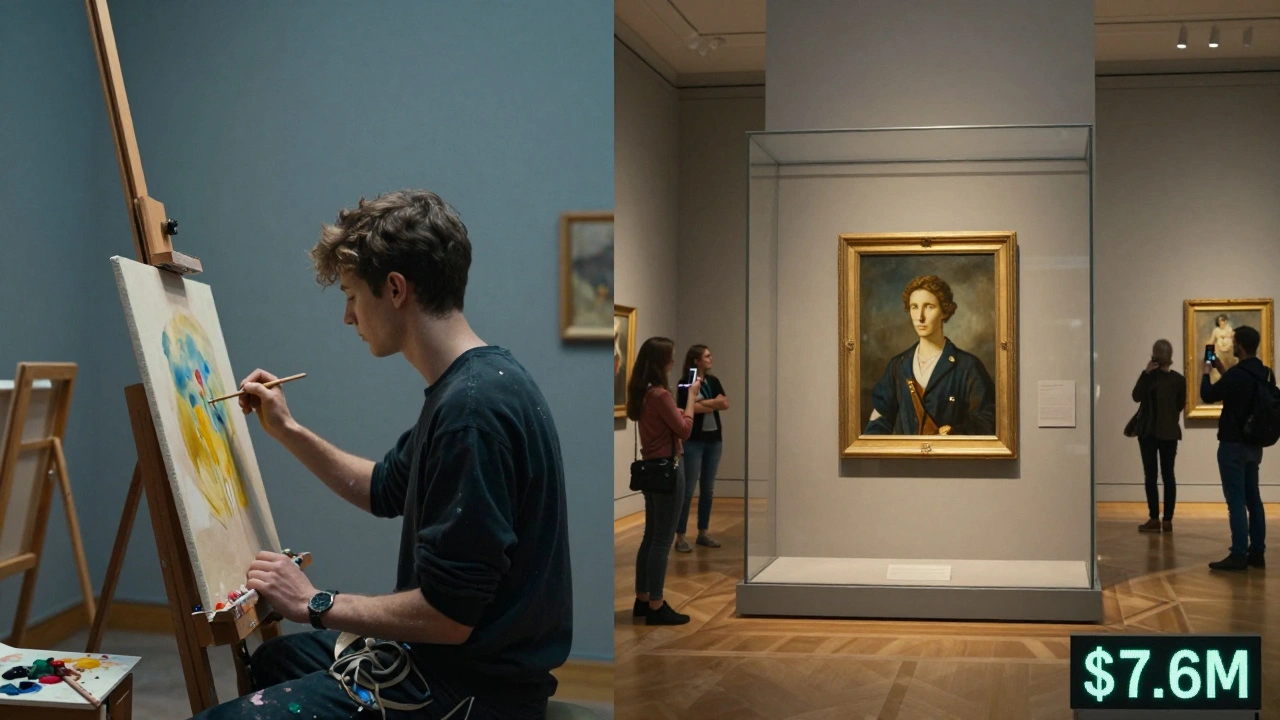
- Buying hype. Artists who trend on Instagram for a year rarely last. Their work often crashes when the buzz fades.
- Ignoring provenance. A painting with no history or documentation is a gamble. Many fakes enter the market through private sales.
- Overpaying at auction. Bidding wars inflate prices. The highest bid isn’t always the smartest buy.
- Buying for decoration, not investment. If you love a piece but don’t care about its artist’s legacy, treat it as decor-not an asset.
There’s a reason museums don’t display most contemporary art. The art world churns out thousands of new artists every year. Only a few hundred ever make the cut. If you’re investing, you’re not collecting-you’re betting on history.
Final Thoughts: Is Art a Real Investment?
Yes-but only if you treat it like one. Art isn’t a get-rich-quick scheme. It’s a slow, quiet game played over decades. The winners aren’t the ones with the biggest budgets. They’re the ones who pay attention: who read the catalogs, who visit the museums, who track auction records, and who wait.
If you’re thinking about art as an investment, start by asking: Will this piece still matter in 20 years? If the answer is uncertain, it’s not an investment. It’s a purchase.
Can you make money buying art online?
Yes, but with caution. Reputable platforms like Artsy, Artnet, and Christie’s Online offer verified provenance and condition reports. Avoid Etsy, eBay, or Instagram sellers without documentation. Many online sales are overpriced or fake. Stick to galleries with 10+ years of history and transparent records.
Is contemporary art a good investment?
It can be-but it’s risky. Contemporary art has the highest volatility. Prices can spike overnight due to a museum show or celebrity ownership, then crash just as fast. Only invest if you’re willing to hold for 15+ years. Look for artists with gallery representation, museum exhibitions, and consistent auction history. Avoid ones who only sell through Instagram.
Do I need to be rich to invest in art?
No. You can start with under $5,000. Many emerging artists sell prints, drawings, or small works for $1,000-$5,000. The key is not how much you spend, but how well you research. A $3,000 piece by an artist later shown at the Venice Biennale can outperform a $50,000 piece by someone with no institutional backing.
How do I know if a piece is authentic?
Always ask for a certificate of authenticity (COA) from the artist, gallery, or estate. For older works, check the artist’s foundation or estate website-they often list verified works. For high-value pieces, get a forensic report from a lab like the Art Institute of Chicago or the Getty Conservation Institute. Never rely on a seller’s word alone.
Should I buy art for emotional reasons?
If your goal is investment, avoid buying art solely because you love it. Emotion clouds judgment. That said, if you love a piece and it has strong provenance and institutional recognition, you can have both. But never assume emotional attachment equals financial return. The best collectors love their art-but they value it like a business.