Western vs Global Art Markets: Key Differences and Trends
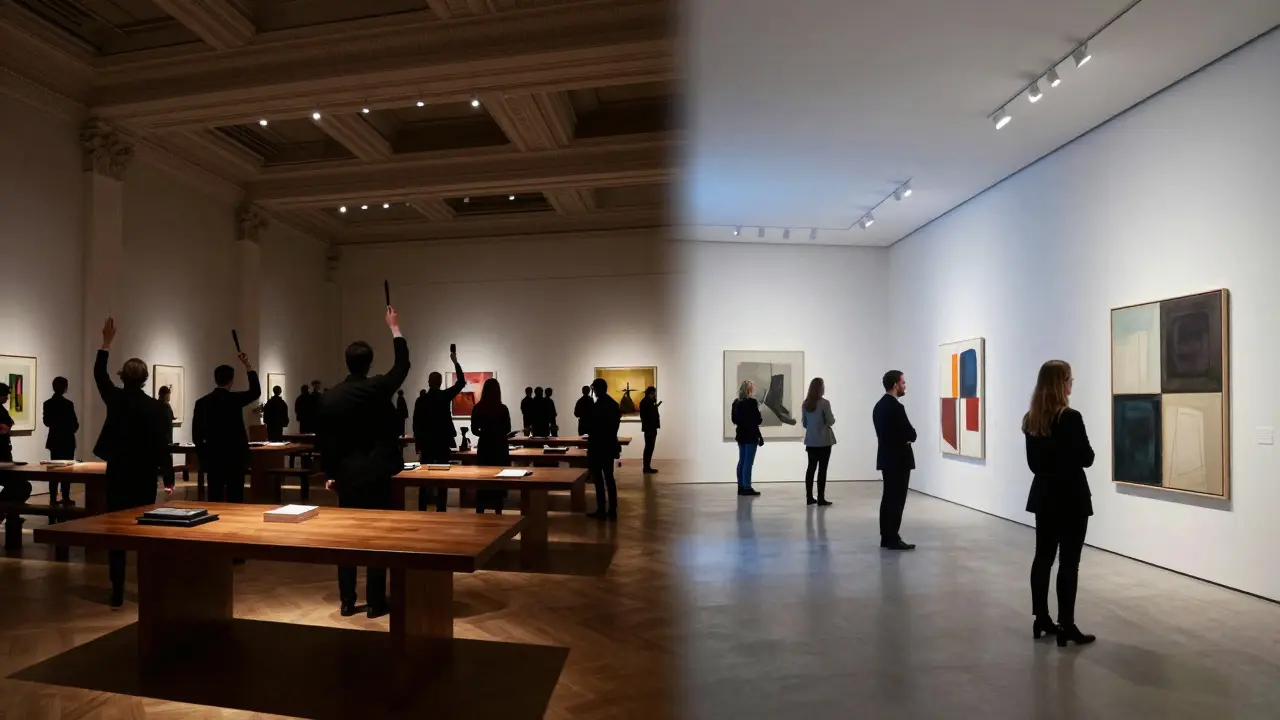
The gap between the Western art market is a region dominated by North America and Europe that accounts for roughly 70% of global auction sales and the rest of the world has never been wider. While New York and London still set the pace for record-breaking hammer prices, the center of gravity is shifting. Collectors in Asia, the Middle East, and Africa are no longer just buying what Western institutions approve; they are building their own ecosystems, valuing different aesthetics, and driving liquidity into markets that were previously overlooked.
If you are an investor, a collector, or just someone watching the cultural landscape, understanding this split is critical. The "global" market isn't just a bigger version of the Western one. It operates on different timelines, values different mediums, and responds to local economic signals rather than Wall Street indices. Here is how these two distinct spheres interact, compete, and evolve in 2026.
Key Takeaways
- Western dominance persists but is eroding: North America and Europe still hold ~70% of auction revenue, but growth rates are slowing compared to Asia-Pacific.
- Different assets, different risks: The West favors Old Masters and Blue Chip Moderns; the East favors Contemporary Asian Art and digital-native works.
- Liquidity gaps exist: Selling a piece in Seoul or Dubai can take 3-5x longer than in New York due to thinner buyer pools.
- Currency volatility matters: Fluctuations in the Yen, Yuan, and Dirham directly impact cross-border purchasing power.
- Hybrid strategies win: The most successful modern collectors diversify across both hemispheres to hedge against regional economic shocks.
The Structural Divide: Who Buys What?
At its core, the difference lies in institutional maturity versus organic growth. The Western art market is characterized by established auction houses, robust legal frameworks, and high transaction volumes. In New York alone, over $15 billion in art was traded in 2025, driven by a dense network of galleries, advisors, and tax-advantaged holding structures like GRITH (Grantor Retained Interest Trusts) in the US.
In contrast, the Global South and Asia-Pacific markets are rapidly growing regions with lower barriers to entry but less standardized valuation metrics. In cities like Shanghai, Seoul, and Singapore, private sales often outpace public auctions. This means data transparency is lower, making price discovery harder. A painting that sells for $2 million in Paris might fetch $1.5 million in Tokyo, not because it’s worth less, but because the local buyer pool is smaller and more risk-averse regarding foreign currency exposure.
| Feature | Western Markets (US/EU) | Non-Western Markets (Asia/Middle East/Africa) |
|---|---|---|
| Primary Mediums | Old Masters, Modernism, Post-War Abstract | Contemporary Asian Art, Islamic Art, Digital/NFT, African Contemporary |
| Auction Volume Share | ~70% | ~30% |
| Liquidity | High (weeks to sell) | Moderate to Low (months to sell) |
| Regulatory Environment | Strict provenance laws, high taxes | Varying levels of export controls, lower capital gains tax in some hubs |
| Buyer Profile | Institutional, High-Net-Worth Individuals (HNWIs), Family Offices | New Money, Corporate Collections, State Museums, Emerging HNWIs |
Economic Drivers: Why the Shift is Happening
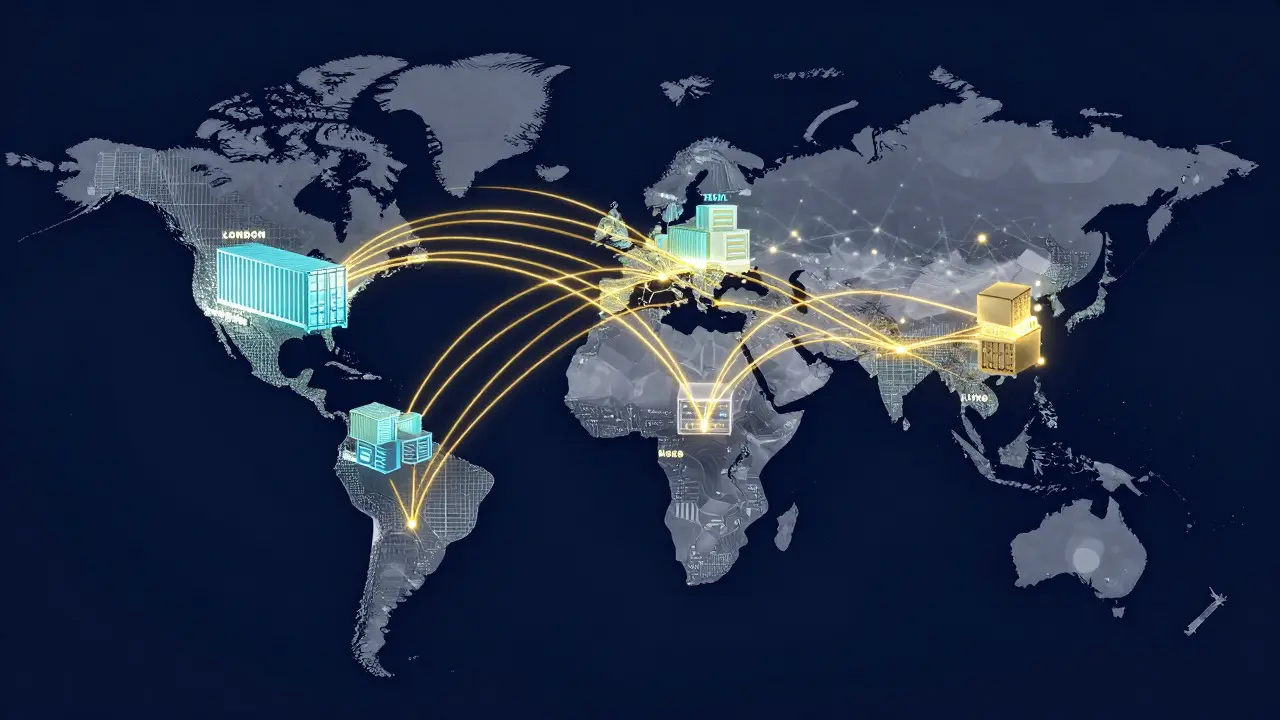
You can’t understand the global market without looking at GDP growth. For decades, the US and EU economies grew faster than emerging markets. That trend reversed around 2015. Today, countries in Southeast Asia and parts of the Gulf Cooperation Council (GCC) are seeing double-digit income growth among their top percentiles. This creates a new class of buyers who have money to spend but haven’t yet built long-term relationships with Western galleries.
These buyers often start with accessible contemporary pieces from their own regions. An entrepreneur in Riyadh might buy a work by a Saudi contemporary artist before ever considering a Picasso. This local-first approach builds a deep, loyal domestic market. Once those collectors gain confidence, they expand globally. This funnel effect is why we see rising demand for non-Western artists in Western auctions. The audience is being cultivated locally first.
Currency plays a massive role here too. When the US Dollar strengthens, art becomes cheaper for foreign buyers, boosting Western exports. Conversely, when the Euro or Yen weakens, European and Japanese buyers pull back, forcing sellers to discount. In 2024, a strong Dollar led to a 12% increase in cross-border purchases of American contemporary art by Asian buyers. Keep an eye on forex trends; they are leading indicators for art market flows.
Risks and Pitfalls in Cross-Border Collecting
Expanding your collection beyond your home market offers diversification, but it introduces specific headaches. Provenance is the biggest one. In the West, chain of title is well-documented. In other regions, records may be sparse, oral, or lost during political upheavals. Buying a pre-war Chinese ink painting without a clear export license can result in seizure by customs. Always verify export permits through local specialists.
Then there’s the issue of storage and insurance. Shipping a large sculpture from Lagos to Portland involves complex logistics, climate control, and high premiums. Insurance costs for high-value items in transit can range from 1% to 3% of the value. If you’re not accounting for these hidden costs, your ROI calculations will be off. I’ve seen collectors lose 15% of their expected return just to shipping and duty fees because they didn’t factor them in upfront.
Tax implications vary wildly. The US has no VAT on art sales but imposes estate taxes. France and Italy have significant VAT and wealth taxes. Some Gulf states have zero income tax, which makes them attractive holding jurisdictions. Consult with a cross-border tax advisor before moving assets internationally. The savings from avoiding a 20% capital gains tax in one country can easily be wiped out by a 19% VAT in another if structured poorly.
Strategic Approaches for Investors
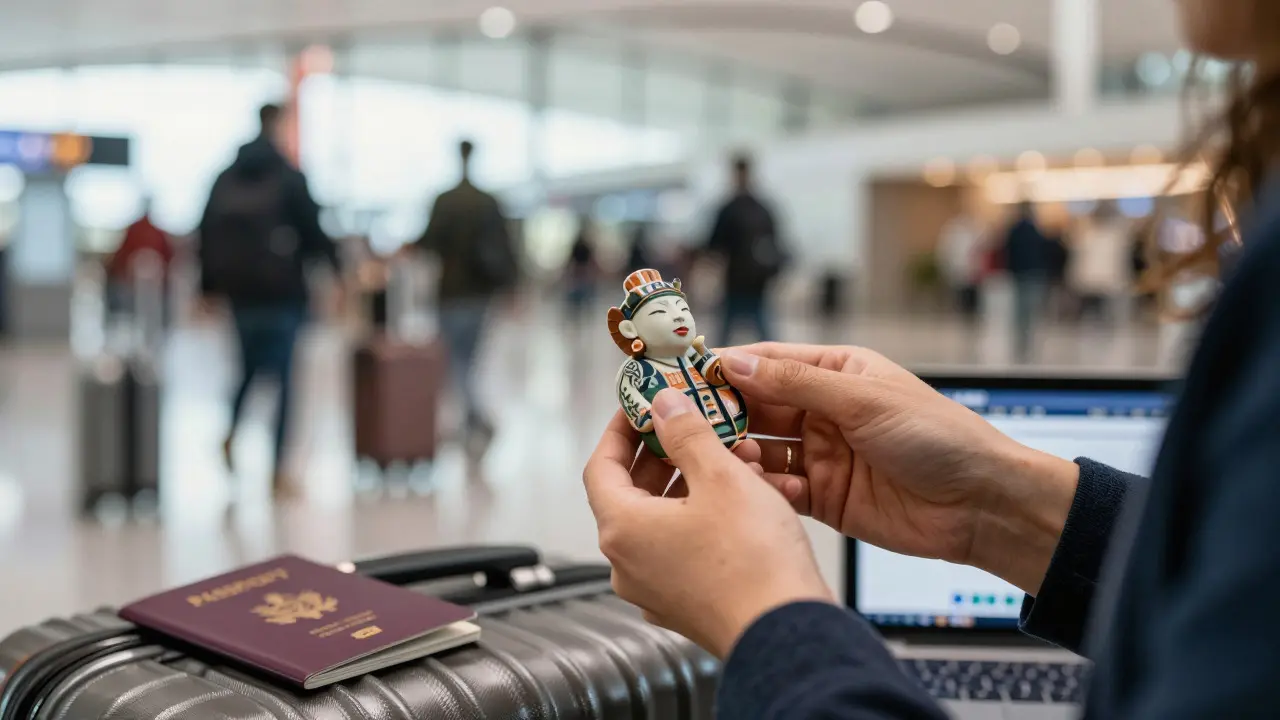
How do you position yourself? If you’re a traditional Western investor, don’t ignore the shift. Allocate 10-20% of your art portfolio to non-Western contemporary art. This isn’t about chasing trends; it’s about accessing growth markets before they saturate. Focus on artists who have shown at major biennials like the Venice Biennale or the Sharjah Biennial. These events serve as quality filters, signaling that an artist has international relevance.
For newer collectors in Asia or the Middle East, consider using Western auction houses as entry points. They offer consignment services and authentication that reduce risk. Start with mid-tier works ($50k-$200k) where the margin for error is higher. As your knowledge grows, move up the value ladder. Avoid jumping straight into blue-chip Old Masters unless you have deep local expertise, as the competition from established Western collections is fierce.
Diversify by medium, not just geography. The rise of digital art and NFTs has created a borderless market. Unlike physical art, digital works don’t face shipping or customs issues. This makes them ideal for testing global demand without logistical friction. While the hype cycle has cooled, the underlying technology allows for instant global liquidity, something physical art still struggles with.
Future Outlook: Convergence or Divergence?
We are likely heading toward convergence, not divergence. Physical borders matter less as online platforms allow a buyer in Mumbai to bid on a lot in London in real-time. However, cultural preferences will remain distinct. The West will continue to value historical significance and institutional validation. The East and Global South will prioritize narrative, local identity, and contemporary relevance.
By 2030, expect the share of non-Western markets to grow from 30% to potentially 40%. This won’t dethrone New York, but it will make the art market truly multipolar. For collectors, this means more choice, more competition, and more opportunity. The key is to stay informed, respect local contexts, and build relationships with trusted intermediaries in each region you operate in.
Is it safer to invest in Western or Global art markets?
Western markets are generally considered safer due to higher liquidity, stricter regulations, and better documentation. However, they offer lower growth potential compared to emerging global markets. A balanced portfolio usually includes 70-80% Western holdings for stability and 20-30% global holdings for growth.
What are the main challenges of selling art outside my home country?
The primary challenges include lower liquidity (longer time to sell), higher transaction costs (shipping, insurance, duties), and potential regulatory hurdles (export licenses). You also face currency risk if the local currency depreciates while you are holding the asset.
Which regions are currently the fastest-growing for art sales?
As of 2026, the fastest-growing regions are Southeast Asia (particularly Singapore and Vietnam) and the Middle East (Saudi Arabia and UAE). These areas are seeing double-digit annual growth in auction revenues, driven by rising disposable incomes and government cultural initiatives.
Do I need a local agent to buy art in Asia or the Middle East?
While not strictly required for online auctions, having a local agent or specialist is highly recommended for private sales. They help navigate language barriers, verify provenance, negotiate terms, and handle logistics. Their fee (usually 5-10%) is often worth the reduced risk and access to off-market deals.
How does currency fluctuation affect my art investment returns?
If you buy art denominated in a foreign currency, your returns depend on both the asset’s appreciation and the exchange rate movement. If the foreign currency strengthens against your home currency, your total return increases. If it weakens, it can erase gains. Hedging strategies or holding cash in the target currency can mitigate this risk.