Visiting Blockbuster Exhibitions: Timed Entry and Strategy
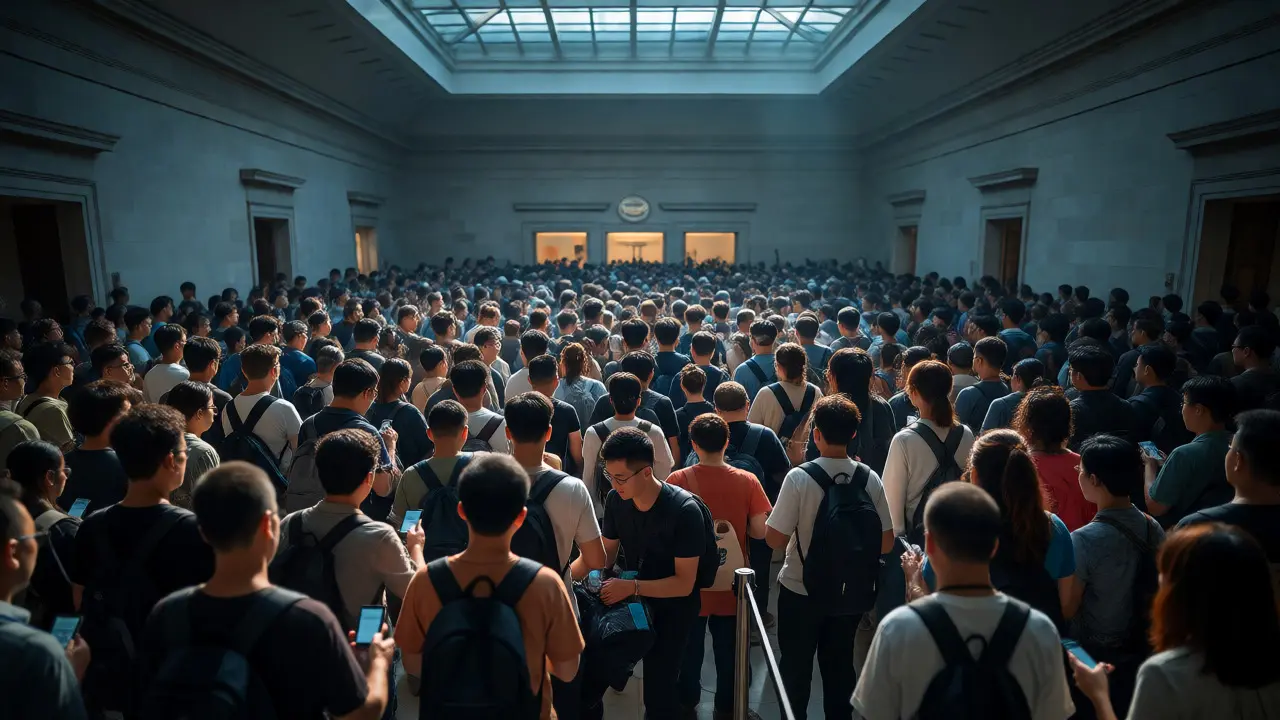
You’ve booked the ticket. You’ve checked your calendar. But have you actually planned how to survive the chaos of a Blockbuster Exhibition? These aren’t just regular museum days; they are high-pressure events where thousands of people compete for a glimpse of the same famous artwork. If you walk in without a plan, you’ll spend more time standing in line than looking at the art. The secret isn’t just buying a ticket-it’s mastering the timed entry system and deploying a strategic approach to navigate the crowds.
Why Timed Entry Changes Everything
Museums introduced Timed Entry Tickets to control capacity, but they also changed the visitor experience entirely. Unlike open admission, where you can wander in and out, timed entry locks you into a specific window-usually 30 to 60 minutes. This creates a bottleneck. Everyone arrives at the start of their slot, creating an immediate surge at the entrance and the first few galleries. Understanding this flow is critical. You need to know that the first 15 minutes after your slot opens are often the most congested. If you arrive exactly at the minute on your ticket, you’re joining the back of the queue inside the building, not outside it.
The Pre-Visit Checklist
Success starts before you leave home. Most major museums, from the Louvre to the Metropolitan Museum of Art, now require digital tickets. Print them or save them to your phone wallet beforehand. Don’t rely on spotty Wi-Fi in the lobby. Here is what you need to do 48 hours prior:
- Confirm Your Slot: Check if your ticket allows flexibility. Some allow late arrival within the hour; others lock you out completely.
- Map the Floor Plan: Download the museum map. Identify the star pieces of the exhibition and note which way traffic flows. Is it a one-way loop? Can you backtrack?
- Check Cloakroom Rules: Large bags are often banned in blockbuster rooms. Know the size limits so you don’t waste time arguing with security.
- Plan Your Exit: Book your next activity (lunch, transport) for at least an hour after your exit time. Rushing out means missing the gift shop discounts or getting stuck in elevator queues.
Navigating the Entrance Bottleneck
The biggest mistake visitors make is arriving too early. Arriving 30 minutes before your slot might seem prudent, but it often leads to a long wait in a holding pen. Conversely, arriving five minutes late risks losing your spot. The sweet spot is usually 10-15 minutes before your entry time. This gives you enough buffer to get through security checks, which are notoriously slow during peak times. Security lines move based on bag inspection speed, not ticket scanning. Have your ID and ticket ready. Keep liquids accessible if allowed, or toss them. Efficiency here saves you twenty minutes of frustration.
Strategic Flow: Working Against the Crowd
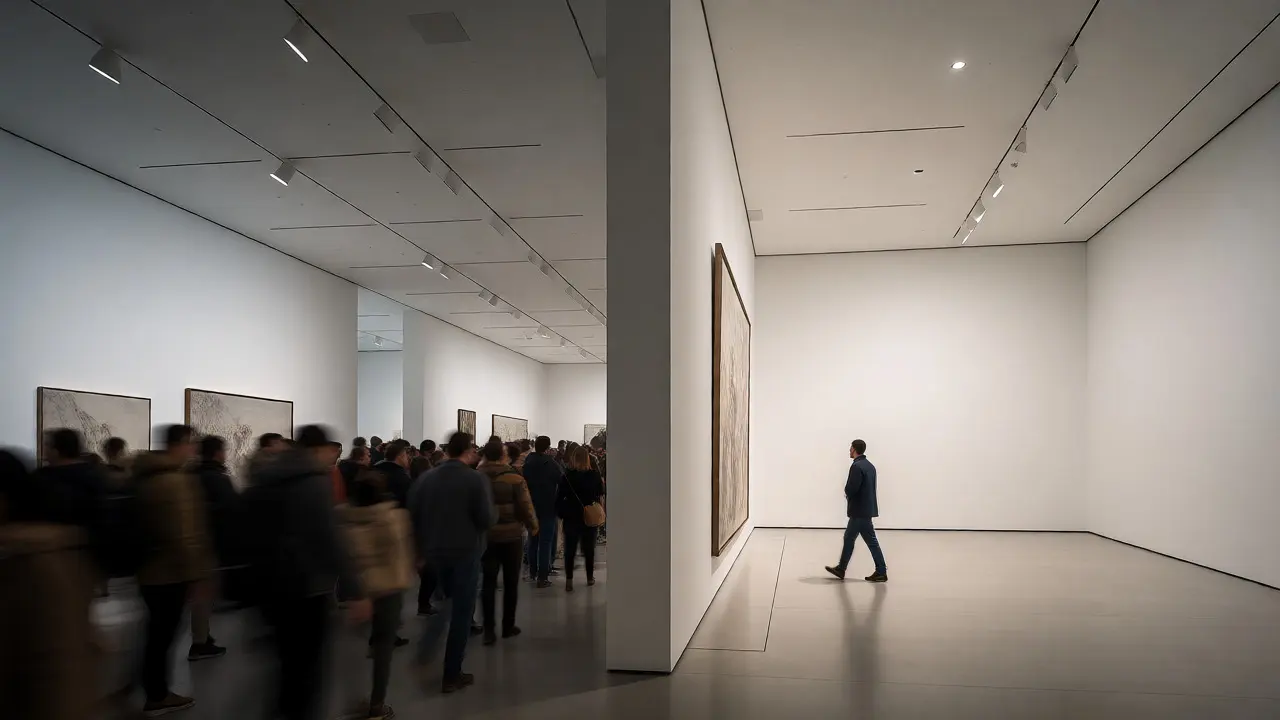
Once inside, resist the urge to follow the herd. Most visitors follow the main path, moving chronologically or toward the loudest room. This is where you lose. Instead, look for the "reverse flow." If the exhibition is designed as a timeline, start at the end. By the time the main wave reaches the final rooms, they will be empty. This technique works exceptionally well in linear exhibitions like historical retrospectives or artist career surveys.
| Exhibition Type | Best Entry Strategy | Crowd Hotspots | Recommended Duration |
|---|---|---|---|
| Linear Historical | Start at the last room, work backward | Introductory halls, famous artifacts | 60-90 mins |
| Immersive/Digital | Enter immediately, stay in dark zones | Photo ops, interactive screens | 45-60 mins |
| Single Artist Retrospective | Skip the 'Masterpiece' room initially | The single most famous painting | 90+ mins |
Dealing with the "Selfie Stick" Effect
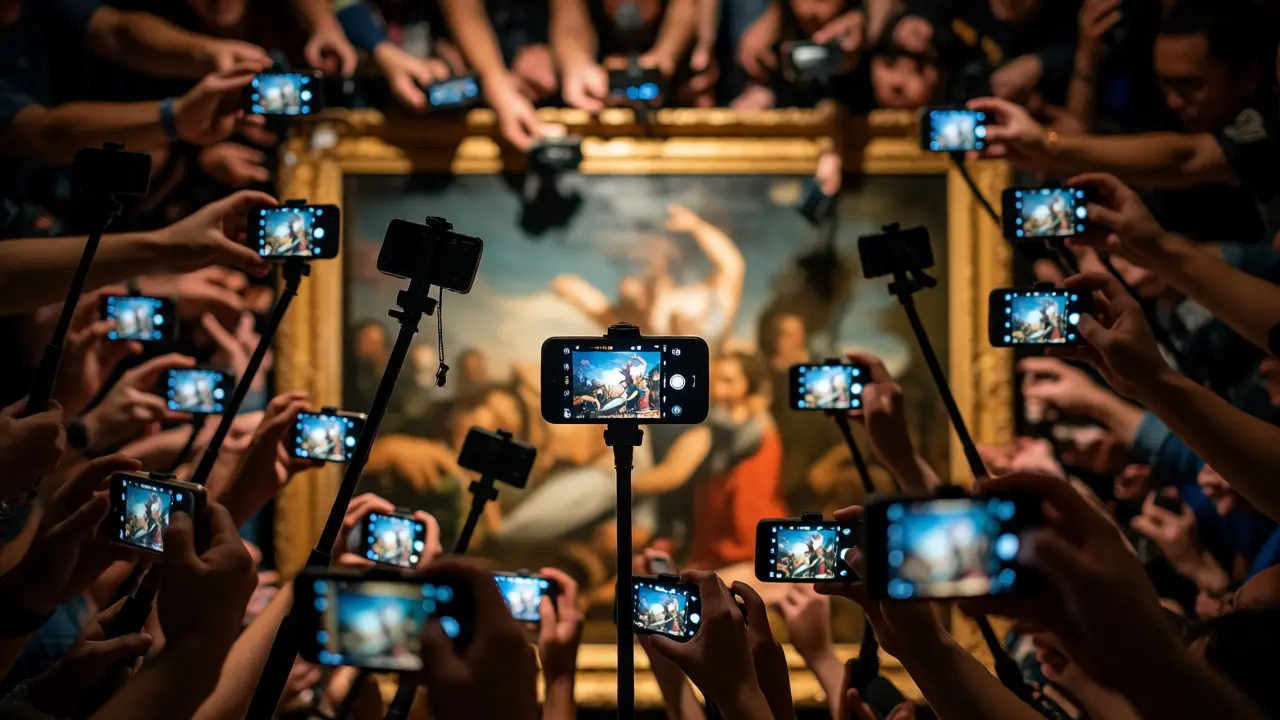
In modern blockbuster shows, the artwork is often secondary to the Instagram post. People stop in front of key pieces for ten minutes taking photos, blocking the view for everyone else. You can’t control them, but you can control your reaction. Do not try to squeeze past someone mid-photo shoot. Wait. It feels painful, but pushing causes friction and slows everyone down. Alternatively, find angles that capture the art without the crowd. Use wide-angle lenses or step back further. Often, the best photo of a crowded room is the crowd itself, framing the art.
Timing Your Breaks and Food
Museum cafes during blockbuster weekends are war zones. Lines for coffee can stretch across lobbies. If you’re hungry, eat before you enter. If you must buy water or snacks inside, go to smaller kiosks rather than the main cafeteria. Hydration is crucial because climate-controlled galleries can be dry, and walking fast increases thirst. Avoid carrying large bottles unless necessary, as they slow you down. A small reusable bottle is ideal.
Leaving Without Regret
Your timed ticket ends when you leave, not when you finish looking. Many people linger until the very last second, only to realize the exit doors are locked or the elevators are full. Aim to leave 10 minutes before your slot expires. This gives you time to use the restroom (which is always crowded near exits) and browse the gift shop without being rushed. Remember, the gift shop is part of the revenue model. They expect you to spend money there, but you don’t have to spend time there if you’re tired. Buy online later if needed.
When Things Go Wrong
What if you miss your slot? What if the exhibition closes early due to overcrowding? Always check the museum’s real-time updates on social media. Sometimes, special exhibitions close temporarily if fire codes are breached. Having a backup plan-a nearby park, a different gallery wing, or a café-is essential. Flexibility is your best tool. Don’t let a missed moment ruin the day.
Frequently Asked Questions
Can I change my timed entry ticket time?
It depends on the museum's policy. Major institutions like the British Museum or MoMA often allow changes up to 24 hours in advance via email or app. However, once you've scanned your ticket, you usually cannot re-enter or switch slots. Always check the specific terms on your confirmation email.
Is timed entry really necessary for all museums?
No. Timed entry is primarily used for special blockbusters or during peak seasons (summer/holidays). Regular permanent collections often remain open-access. However, even general admission museums may require booking slots on weekends to manage overall capacity.
What happens if I arrive late to my timed entry slot?
Policies vary. Some museums have a grace period of 15-30 minutes. Others strictly deny entry. If you are significantly late, you might be offered a later slot if available, but this is rare during sold-out events. Contact the box office immediately if you anticipate being late.
How early should I book blockbuster tickets?
For highly anticipated exhibitions, book as soon as tickets go on sale, often 2-3 months in advance. For moderately popular shows, 2-4 weeks is usually sufficient. Last-minute tickets are rarely available for top-tier blockbusters on weekends.
Are audio guides included in timed entry tickets?
Usually no. Audio guides or app-based commentary often cost extra. In crowded blockbusters, using headphones is mandatory to avoid noise pollution. Bring your own compatible headphones if the museum doesn't provide them, or download the museum's free app in advance.