Video Presentations of Artwork: Showcase With Motion
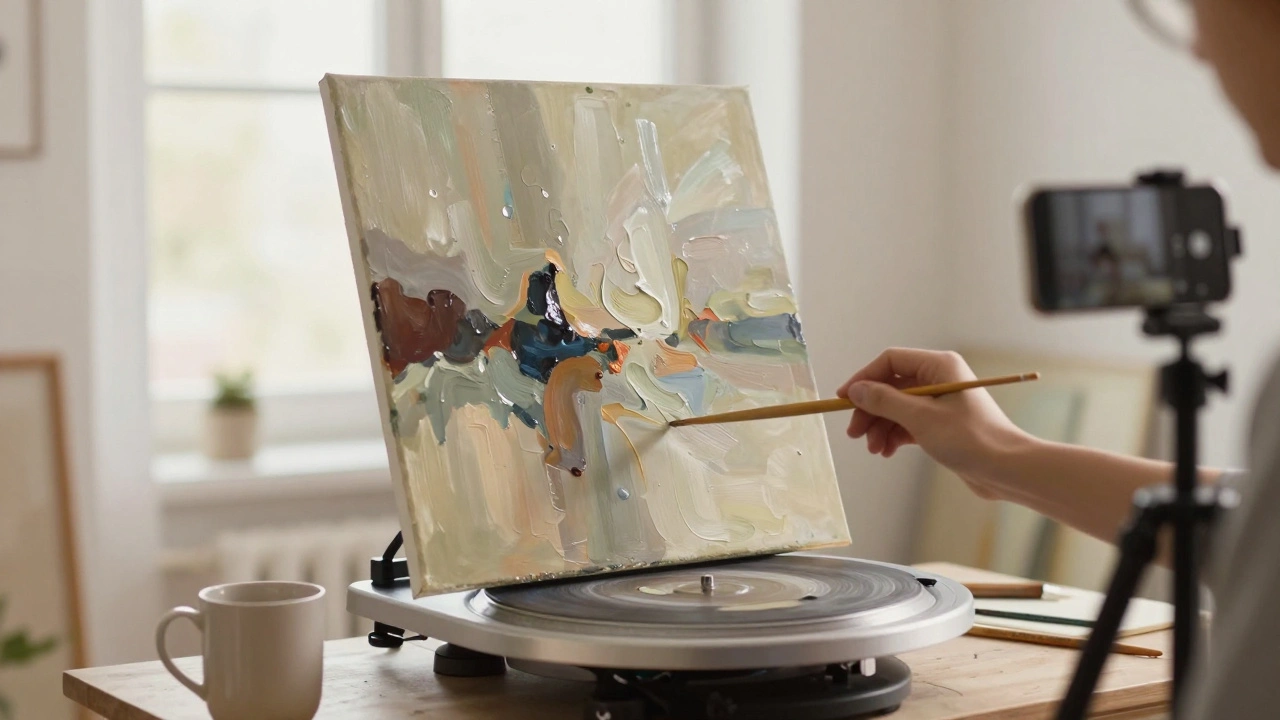
When you’re selling art online, a static photo just doesn’t cut it anymore. Buyers aren’t just looking at a painting-they’re trying to imagine it on their wall, feel its texture, understand its scale, and sense the energy behind the brushstrokes. That’s where video presentations of artwork come in. They turn a flat image into an experience. And in 2026, galleries, independent artists, and collectors who use video are seeing 3x higher conversion rates than those sticking with photos alone.
Why Static Images Fail for Art Sales
Think about the last time you bought something online. If it was a phone, you watched a video demo. If it was a couch, you saw it in a room. But when it comes to art, most sellers still upload one JPEG and hope for the best. That’s a problem.
Art isn’t just color and shape. It’s depth. It’s layering. It’s the way light catches a ridge of impasto paint, or how a charcoal sketch bleeds slightly at the edge. A photo flattens all that. Buyers can’t tell if a piece is 18 inches or 36 inches tall. They can’t see if the surface is glossy or matte. They don’t know if the brushwork is tight or loose until they’re already halfway through the checkout process-and then they return it.
According to a 2025 survey by ArtMarket Analytics, 68% of high-value art buyers (pieces over $5,000) said they would not purchase without a video walkthrough. That’s not a preference. It’s a requirement.
What Makes a Great Art Video Presentation
A good art video isn’t a fancy commercial. It’s a clear, calm, focused look at the piece-designed to answer every question a buyer might have before they even ask it.
Here’s what works:
- Slow, steady movement-no quick zooms or spins. Let the viewer’s eye follow the brushstrokes naturally.
- Real lighting-use natural daylight or soft studio lights. Avoid harsh LED panels that wash out color.
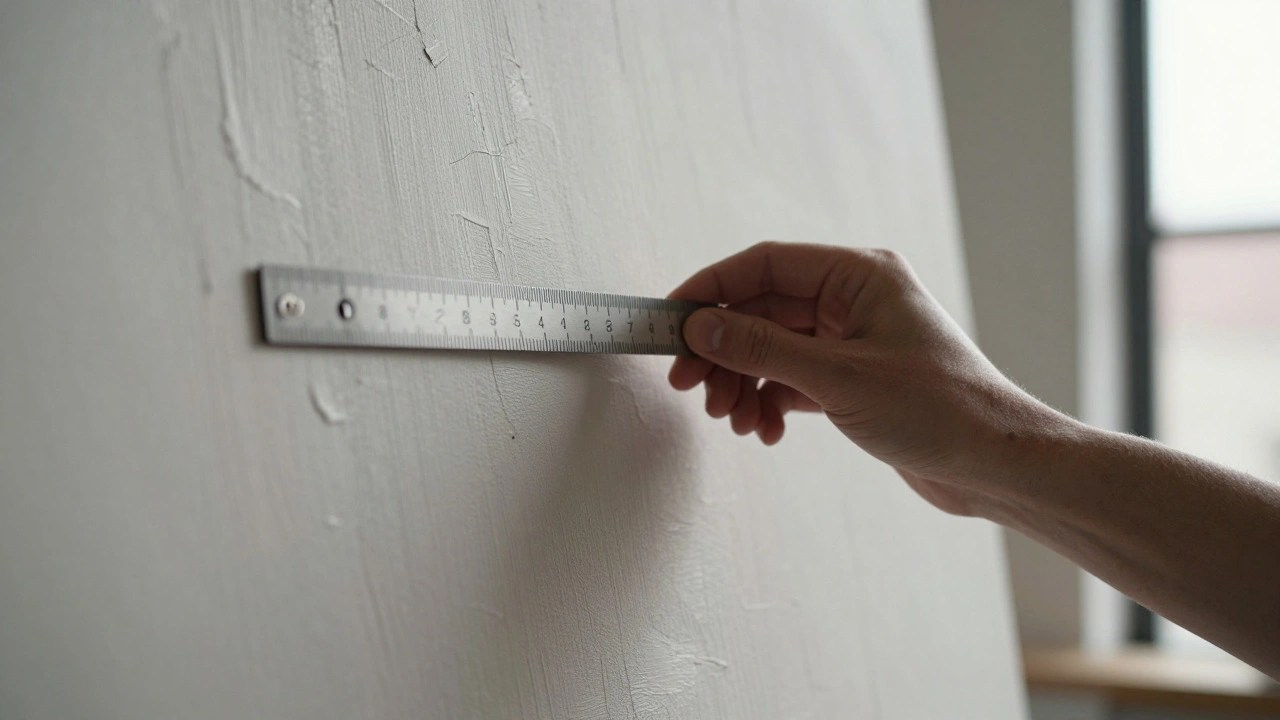
- Scale reference-hold a ruler, a coffee mug, or your hand next to the piece so viewers understand size.
- Close-up details-show texture, cracks, signature, or embedded materials like sand or fabric.
- Background silence-no music, no voiceover unless it’s a short artist statement. Let the art speak.
One artist in Portland, Sarah Lin, started using 45-second videos for her abstract oil paintings. She placed the canvas on a rotating turntable under soft window light. Her sales jumped 140% in three months. Why? Buyers could see the way the paint pooled in the crevices-something no photo could capture.
Tools You Can Use Right Now
You don’t need a film crew. Most of what you need is already on your phone.
- iPhone or Android-use the native camera app in 4K mode. Set it on a tripod or stack books to stabilize.
- Turntable-a $15 plastic lazy Susan from Amazon works perfectly for circular or square pieces.
- Lighting-two softbox lamps from IKEA ($30 each) or even a white sheet stretched over a window frame to diffuse sunlight.
- Editing-use CapCut or Canva. Trim the video to 30-60 seconds. Add a subtle fade-in at the start and end.
Pro tip: Record in landscape mode. Most buyers view art listings on desktop or tablet, not phone. Vertical videos look amateurish.
Where to Show Your Art Videos
Putting your video on Instagram isn’t enough. You need to embed it where buyers are making decisions.
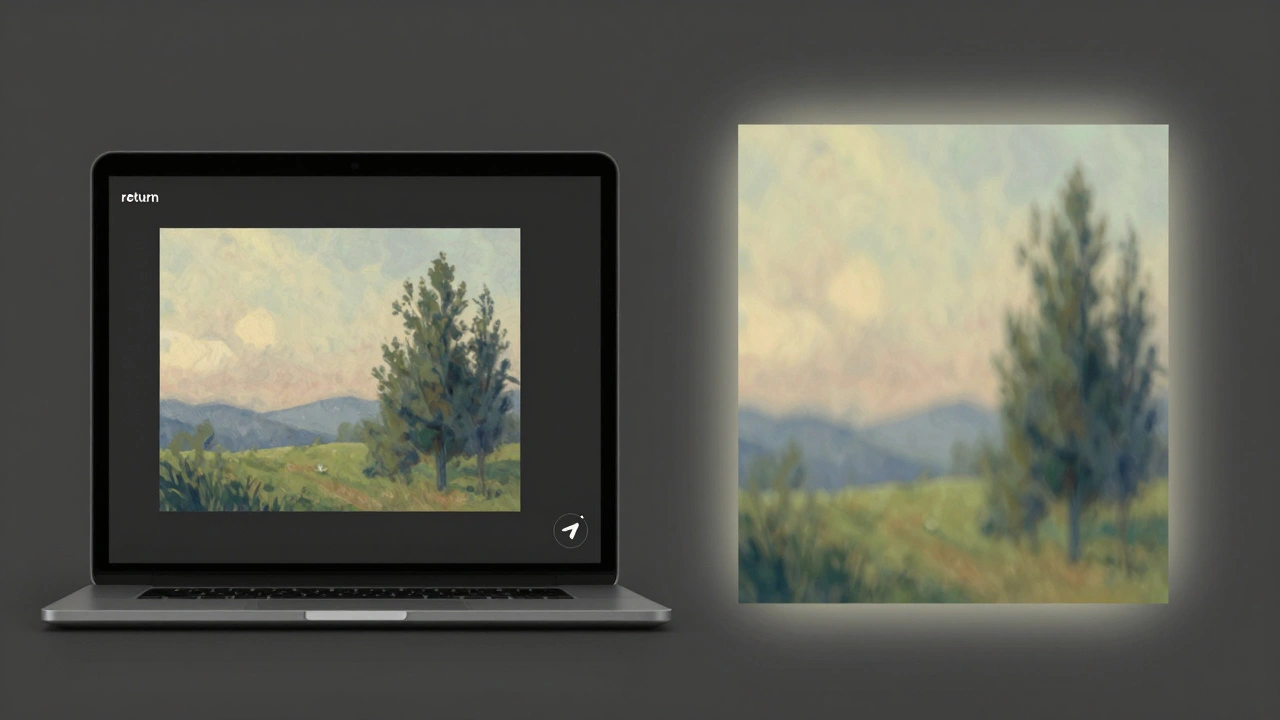
- Your own website-place the video right under the main image on your product page. No scrolling needed.
- Etsy listings-upload the video as the first media file. Etsy allows up to five video clips per listing.
- Art platform profiles-Saatchi Art, Artsy, and Artfinder all support video uploads. Use them.
- Email campaigns-embed a 15-second highlight in your newsletter. Link to the full video on your site.
Don’t rely on social media algorithms. Instagram might bury your post. Your own website? You own the traffic.
Common Mistakes to Avoid
Even artists who try video often mess it up. Here’s what not to do:
- Adding music-it distracts from the art. Silence lets the viewer focus.
- Using filters-no VSCO, no Instagram presets. Your colors must be accurate.
- Shaky hands-if you’re holding the camera, it’ll look unprofessional. Use a tripod.
- Too long-over 90 seconds loses attention. Stick to 30-60 seconds.
- Ignoring the frame-if the piece is framed, show the frame from multiple angles. Buyers care about how it’ll look on their wall.
One gallery in Chicago stopped using video because they thought it was "too much work." They lost 40% of their online sales in six months. The artists who switched to video? Their commissions doubled.
How Buyers Really Use These Videos
It’s not just about selling. It’s about trust.
Buyers watch your video three times:
- First pass-"Does this fit my space?" They’re checking size and color.
- Second pass-"Is this real?" They’re looking for brushwork, texture, authenticity.
- Third pass-"Do I love it enough to pay?" That’s when emotion kicks in.
That third pass is where sales happen. And it only happens if the video lets them feel the piece.
Start Small. Start Today.
You don’t need to film all your pieces at once. Pick one. The one you’re most proud of. Set up your phone. Use natural light. Rotate it slowly. Record for 45 seconds. Upload it. That’s it.
Art isn’t just something you hang on a wall. It’s something you live with. A video lets buyers feel that before they buy. And in a crowded online market, that’s the edge you can’t afford to ignore.
How long should an art video be for online sales?
The sweet spot is 30 to 60 seconds. Shorter than 30 seconds doesn’t give buyers enough detail. Longer than 90 seconds loses attention. Focus on showing scale, texture, and one close-up detail. Most buyers watch only once or twice, so make every second count.
Do I need professional lighting to film my artwork?
No, but you need good lighting. Natural daylight from a window works best. Avoid direct sunlight-it creates harsh shadows. If you’re indoors, use two softbox lamps placed at 45-degree angles to the artwork. Don’t use overhead LEDs or phone flash-they wash out color and create glare. Accuracy matters more than brightness.
Can I use music in my art video?
Avoid it. Music distracts from the artwork itself. Buyers are trying to imagine the piece in their home, not listen to a soundtrack. Silence lets them focus on texture, color, and movement. If you want to add emotion, record a 10-second voiceover from the artist saying why they made it-but keep it quiet and natural.
Should I film the frame or just the canvas?
Film both. Buyers care about how the artwork will look in their space. Show the frame from the front, side, and back. If it’s a floating frame, show the depth. If it’s a traditional wood frame, show the finish. A frame isn’t just decoration-it’s part of the piece’s presentation and value.
What’s the best way to show scale in the video?
Place a common object next to the artwork. A coffee mug, a standard ruler, or even your hand (if it’s clearly visible) works. Don’t just say "36 inches wide"-show it. Viewers don’t trust numbers. They trust visuals. A mug next to the painting tells them instantly whether it’ll fit above their sofa.
Is it worth making videos for low-priced art?
Yes. Even pieces under $500 benefit. Buyers of affordable art are often first-time collectors. They’re nervous about online purchases. A video builds confidence. It also makes your shop look more professional than others. In 2026, video is no longer a luxury-it’s the baseline expectation for any serious art seller.