Video Marketing for Art Galleries: Tours, Interviews, and Walkthroughs
Quick Wins for Your Gallery:
- Use short-form video for reach (TikTok/Reels) and long-form for trust (YouTube).
- Focus on the 'human' side: the artist's voice and the curator's eye.
- Prioritize lighting and sound over expensive gear; a noisy room ruins a high-end vibe.
- Create 'shoppable' videos where viewers can jump straight to a price list.
The Power of the Virtual Walkthrough
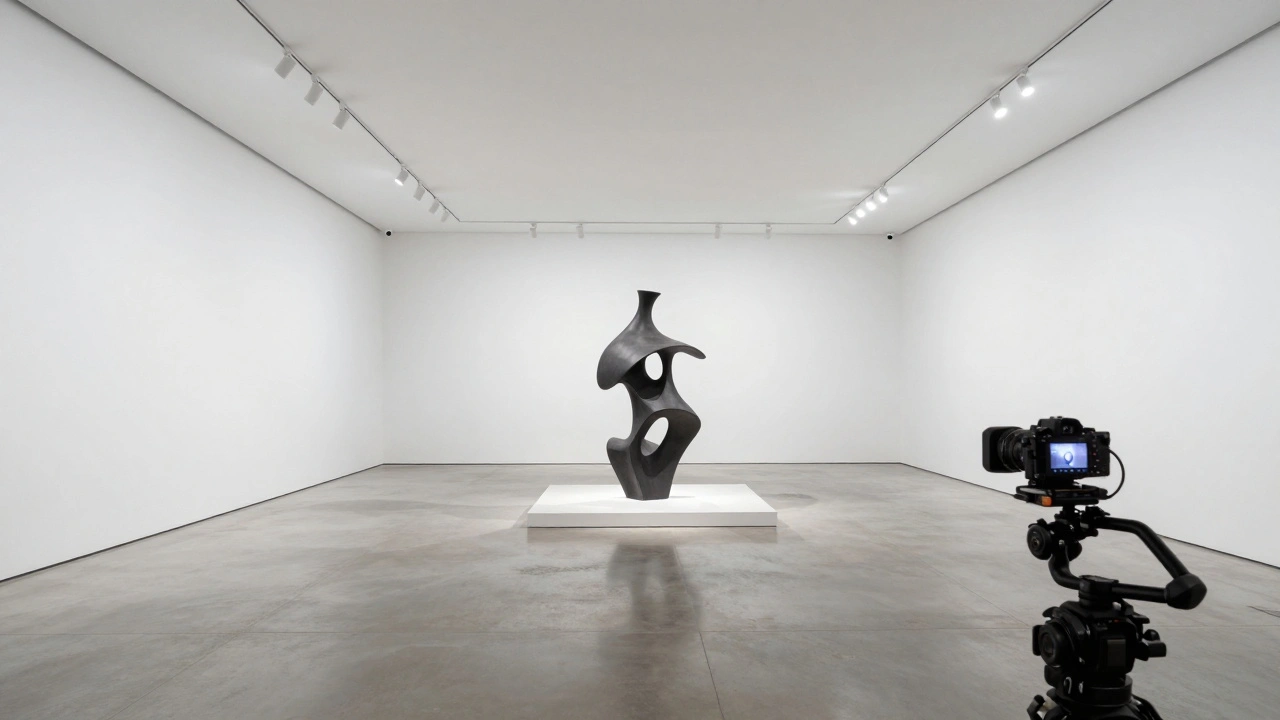
A walkthrough isn't just a camera panning across a room. It's a curated experience. When you create a walkthrough, you're essentially acting as a digital docent. A great walkthrough focuses on the flow of the exhibition, showing how one piece speaks to another. Instead of a wide shot that shows everything and nothing, use a mix of wide establishing shots and tight, detailed close-ups of the brushwork or the material.
Virtual Tours is a digital simulation of the physical gallery space that allows remote users to explore art exhibitions through a browser or VR headset. By integrating these into your strategy, you remove the geographical barrier to entry. For instance, a gallery in Portland might see a 20% increase in international inquiries simply by hosting a 360-degree walkthrough on their landing page.
To make these effective, don't just let the camera drift. Use a gimbal for stability-shaky footage looks amateur and cheapens the art. If you're doing a live walkthrough, interact with the audience. Answer questions in real-time about the provenance of a piece or the inspiration behind a series. This builds an immediate emotional connection that a static PDF catalog simply cannot achieve.
Turning Artist Interviews into Sales Tools
People don't just buy art; they buy the story and the person behind it. An interview is your best tool for establishing the "value" of a piece. When a collector hears an artist explain why they chose a specific shade of blue or how a personal tragedy influenced a series, the piece ceases to be an object and becomes a narrative. This emotional investment is what drives higher price points.
Artist Interviews are structured conversations where creators discuss their technique, philosophy, and the conceptual framework of their work. These videos serve as social proof, validating the artist's expertise and passion to the potential buyer.
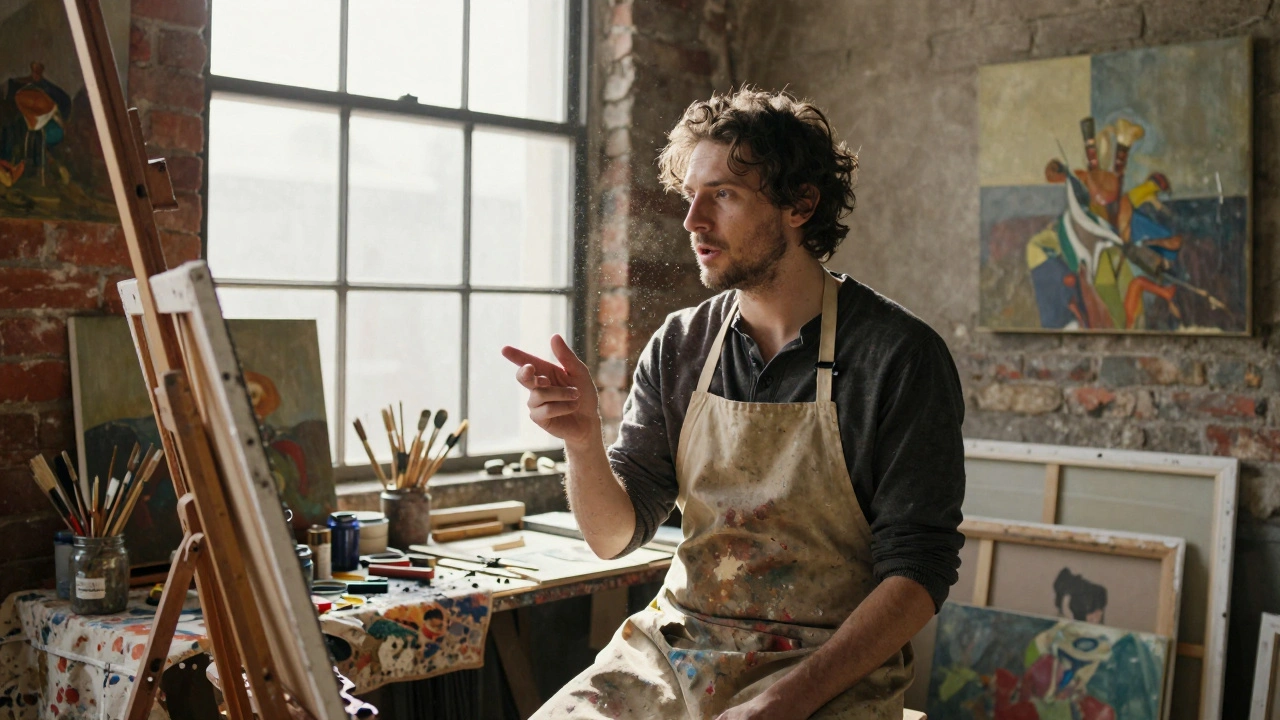
Avoid the "stiff" interview style. Don't sit the artist in a chair against a white wall. Instead, film them in their studio-surrounded by paint splatters, half-finished canvases, and sketches. This raw environment adds authenticity. Ask open-ended questions. Instead of "Do you like this piece?", ask "What was the most frustrating part of creating this sculpture?" The struggle is often more interesting to a collector than the success.
Short-Form Content for Maximum Reach
While long-form tours build trust, short-form video (15-60 seconds) is how you get discovered. Platforms like Instagram Reels and TikTok are essentially visual search engines. The goal here isn't to sell a $50,000 painting in 15 seconds; it's to stop the scroll and get the viewer to click the link in your bio.
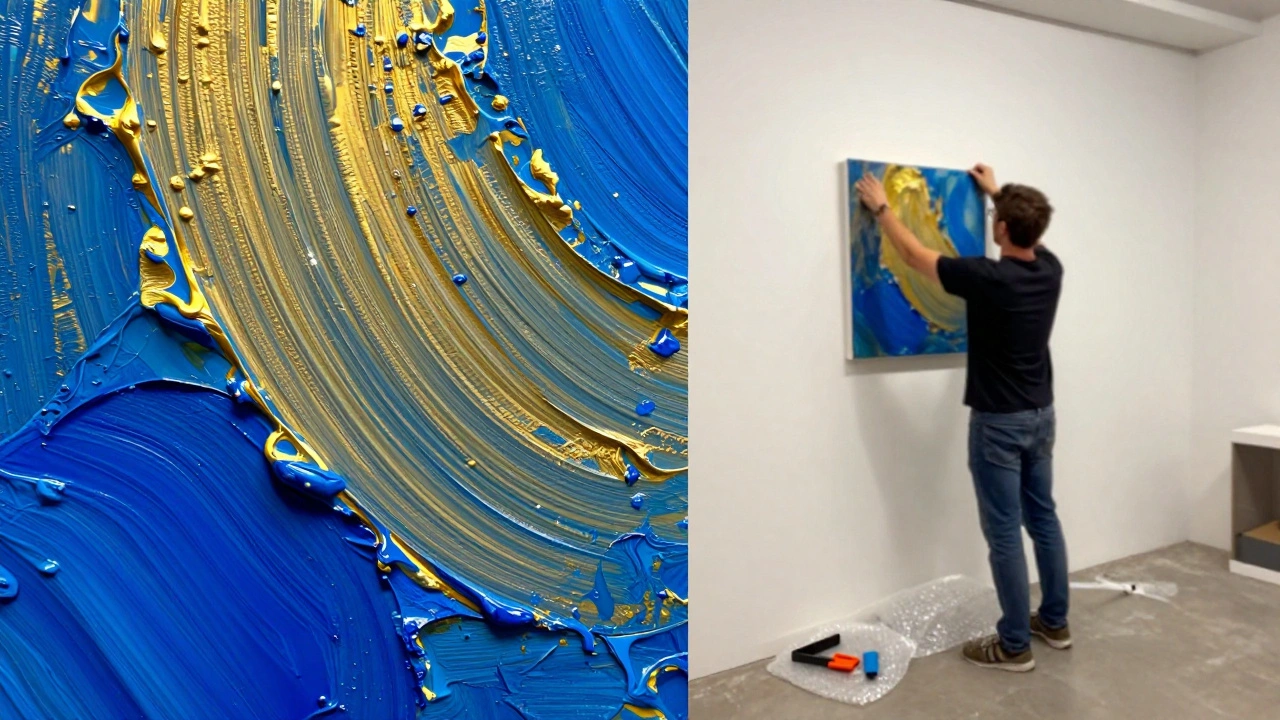
Try the "Detail-to-Whole" technique. Start with a 2-second extreme close-up of a fascinating texture, then quickly cut to the full piece, then to the artist smiling. This creates a visual hook. You can also use "Behind the Scenes" (BTS) content. Show the chaos of hanging a show-the bubble wrap, the hammering of nails, the frantic cleaning. This humanizes the gallery and makes it feel accessible rather than intimidating.
| Format | Primary Goal | Ideal Platform | Production Effort |
|---|---|---|---|
| Walkthrough | Immersion & Context | YouTube / Website | High |
| Artist Interview | Emotional Connection | YouTube / Vimeo | Medium |
| Short-form Clips | Discovery & Awareness | TikTok / Instagram | Low |
| Live Stream | Urgency & Interaction | Instagram Live | Low |
Technical Basics: Lighting and Sound
You don't need a Hollywood budget, but you do need to respect the basics. Bad audio will make a viewer close a video faster than bad video. If you're interviewing an artist in a noisy studio, use a lapel microphone. A $50 clip-on mic is better than the built-in microphone on a camera standing five feet away. Sound is 50% of the experience, especially in interviews.
Lighting is the controlled manipulation of light to highlight the form, color, and texture of artwork without creating glare. In a gallery, you're dealing with spotlights that can cause "hot spots" or glare on glass frames. To fix this, use a polarizing filter on your lens. This cuts the reflection and allows the camera to see the actual colors of the paint rather than the reflection of the gallery lights.
For lighting interviews, use the "three-point lighting" setup: a key light for the face, a fill light to soften shadows, and a back light to separate the artist from the background. Even a simple window with natural light can work, provided the artist isn't backlit (which turns them into a silhouette).
The Distribution Strategy: Where to Put Your Videos
Creating the video is only half the battle. If it just sits on your hard drive, it's useless. You need a tiered distribution system. Your high-production virtual tour should live on your website as a primary feature. This helps with your site's dwell time, which tells search engines your content is valuable.
Then, slice that long tour into ten smaller pieces. One clip focusing on the "star" piece, one on the layout, and one on a surprising detail. Post these on social media with clear calls to action (CTAs). Instead of saying "Check out our new show," say "See how the light hits this sculpture in our full virtual tour-link in bio." Give them a specific reason to leave the social app and visit your site.
Call to Action (CTA) is a prompt that encourages the viewer to take a specific next step, such as booking a viewing or joining a mailing list. Effective CTAs in art marketing are subtle but direct, guiding the collector toward the final purchase.
Common Pitfalls to Avoid
The biggest mistake galleries make is being too "corporate." If your video feels like a commercial for a luxury car, you've failed. Art is about passion, eccentricity, and vision. Avoid using stock music that sounds like a corporate presentation. Instead, look for atmospheric tracks or, better yet, let the natural sounds of the studio (the scratch of a pencil, the sound of a palette knife) provide the audio texture.
Another error is the "marathon tour." Nobody wants to watch a 20-minute uninterrupted video of someone walking through a room. Keep your segments tight. If a tour is long, break it into chapters. Use timestamps in the description so a collector can jump straight to the "Abstract Expressionism Section" without scrubbing through the whole video. Respect the viewer's time, and they'll respect your art.
Do I need professional equipment to start?
No. Most modern smartphones shoot in 4K, which is more than enough for social media. The most important investments are a tripod or gimbal for steady shots and a basic lapel microphone for clear audio. Lighting is more important than the camera; use natural light or simple LED panels to ensure the art is visible.
How long should a gallery walkthrough video be?
For social media, keep it under 60 seconds. For a featured website tour, 3 to 5 minutes is the sweet spot. If you have a massive exhibition, break it into a series of shorter videos categorized by theme or artist. Anything over 10 minutes usually sees a massive drop in viewership unless it's a highly engaging interview.
How do I handle glare on paintings and sculptures?
Use a circular polarizer filter on your camera lens to cut reflections. Additionally, adjust the angle of your camera. Instead of filming head-on, move slightly to the side to shift the reflection of the lights away from the lens. If you have control over the gallery lighting, dim the overheads and use targeted spot lighting.
Should I use music in my artist interviews?
Yes, but keep it very low in the mix. Music should act as a background layer that sets the mood-ambient, lo-fi, or minimal tracks usually work best. Avoid anything with lyrics, as they compete with the artist's voice and distract the viewer from the conversation.
What is the best way to promote a video tour?
Use a "teaser" strategy. Post a 15-second high-energy clip on Instagram and TikTok that highlights the most impressive pieces. Direct viewers to the full experience on your website or YouTube via a link. Send the link directly to your top collectors via a personalized email, explaining why this specific exhibition fits their tastes.
Next Steps for Implementation
If you're feeling overwhelmed, start small. This week, record one 30-second clip of a single piece of art. Move the camera slowly from the edge of the canvas toward the center. Post it as a Reel with a caption asking a question about the piece. Once you're comfortable with that, move to a short interview with one of your artists. The goal isn't perfection; it's presence. In the digital art market, the gallery that is seen is the gallery that sells.