Video and Media Art: How Technology Shapes Contemporary Practice
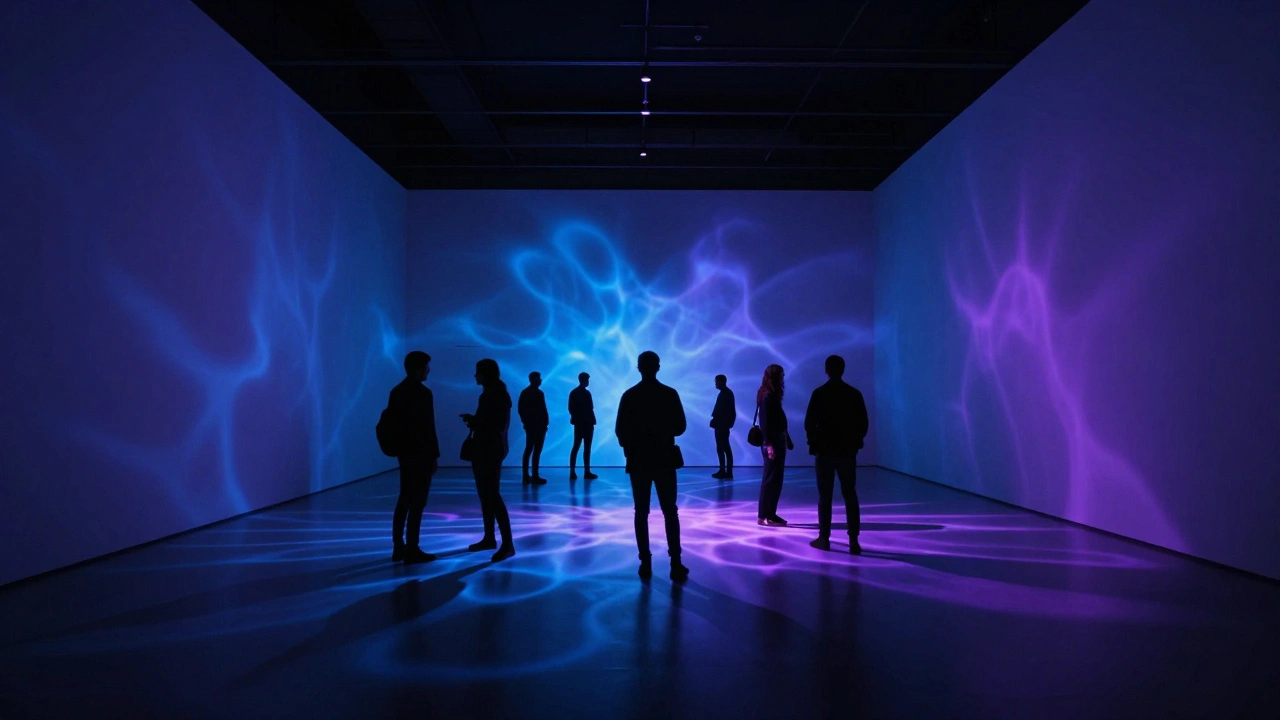
Walk into a gallery today and you might not see a single canvas. Instead, you could be standing in a room where walls breathe, data flows like water, or a screen reacts to your heartbeat. This shift isn't just a trend; it defines the current landscape of creative expression. We are living in an era where the tool is as important as the message. Video and Media Art is a contemporary art form that uses video, digital media, and technology as primary mediums for expression. It has moved from the fringe to the center stage of modern museums.
Understanding this movement requires looking past the screens themselves. It is about how technology changes the relationship between the viewer and the work. When you watch a painting, you observe it from a distance. When you step into a media installation, you often become part of the piece. This interaction changes everything about how art is made, sold, and preserved.
Defining the Medium in the Digital Age
Back in the 1960s, the term media art was almost synonymous with television sets. Nam June Paik is a pioneering figure in video art who first used television sets as sculptural elements in the 1960s. His work laid the groundwork for what we see today. He stacked televisions and manipulated the signals to create visual rhythms. Fast forward to 2026, and the concept has exploded. It now includes projection mapping, generative code, and virtual environments.
Video art specifically refers to works where moving images are the core component. However, Media Art is a broader category encompassing video, sound, internet, and interactive technologies. The distinction matters because media art often demands hardware that video art does not. A video piece might just need a monitor and a player. A media installation might need sensors, projectors, and custom software running in real-time.
This distinction creates different challenges for artists. A painter buys paint and canvas once. A media artist often needs to update software, replace hard drives, and manage server costs. The medium is alive, which means it requires constant maintenance to stay alive.
The Role of Emerging Technologies
Technology drives the evolution of this field. In the last few years, Artificial Intelligence is a set of technologies that enable computers to perform tasks requiring human intelligence, now widely used in generative art. Artists use AI to generate textures, compose music, or even write the code that runs their installations. It is no longer just about capturing reality; it is about creating new realities that never existed.
Consider the rise of generative video. An artist writes a set of rules, and the computer creates the visual output. Every time you watch the piece, it looks slightly different. This introduces the concept of non-determinism. Traditional art is static. A sculpture looks the same today as it did yesterday. Generative media art changes based on time, data inputs, or viewer presence.
Another major player is Virtual Reality is a simulated experience that can be similar to or completely different from the real world, often used for immersive art. VR headsets allow artists to build worlds without physical constraints. You can walk through a landscape made of sound or float through a galaxy of data points. This shifts the art from a visual object to an embodied experience. The viewer uses their body to navigate the narrative.
Immersive Installations and Interaction
Interaction is the heartbeat of contemporary media practice. Interactive Installations is artworks that respond to the actions of the audience, creating a dynamic feedback loop. Sensors detect movement, sound, or touch. When you move your hand, the light changes. When you speak, the projection shifts. This breaks the fourth wall that has existed in art for centuries.
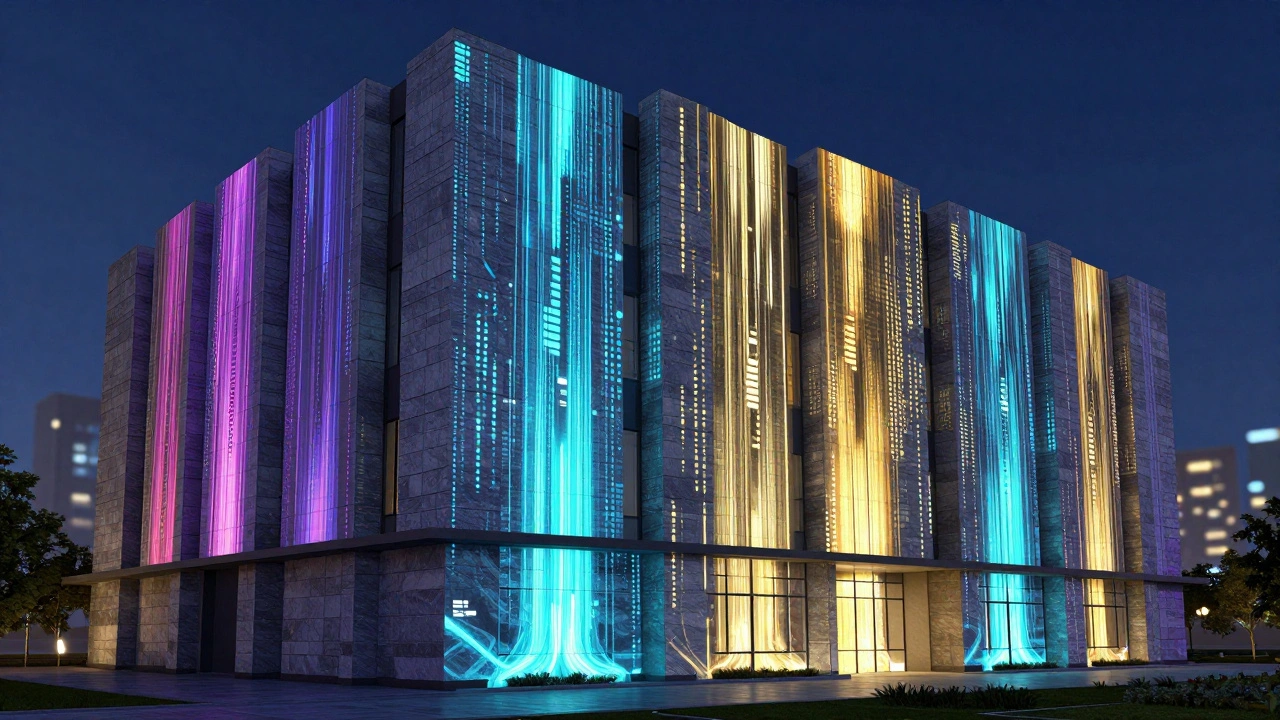
One prominent example of this is Refik Anadol is a media artist known for using machine learning and big data to create immersive architectural installations. He often turns entire buildings into screens. Data from the museum's archives flows across the facade. The building becomes a living organism. Visitors stand outside and watch their own history reflected back at them through algorithms. This is not just decoration; it is a commentary on how we store and remember information.
Projection mapping also plays a huge role. This technique involves projecting video onto irregular surfaces like statues or buildings. It warps the video to fit the contours of the object. Suddenly, a stone statue appears to cry or a building seems to melt. It transforms the physical space without touching it. This is temporary, yet it leaves a lasting impression on the viewer.
Preservation and Obsolescence
There is a dark side to this technological embrace. Art is supposed to last. Video and media art faces a unique enemy: obsolescence. Digital Preservation is the practice of managing and maintaining digital assets to ensure they remain accessible over time. A painting from 1920 looks the same today. A video file from 1990 might not play on a computer in 2026 because the software is gone.
Museums face a constant battle. They must migrate files to new formats every few years. They need to replace projectors that burn out. They need to emulate old operating systems so the code still runs. This costs money and expertise. Many galleries choose not to exhibit older media works because they are too difficult to maintain. This creates a gap in art history. We risk losing the early experiments of the digital age because the hardware rotted away.
Artists are now writing preservation plans into their contracts. They specify how the work should be displayed in ten years. Some use open-source code to avoid being locked into proprietary software. Others create physical backups of the digital data. It is a new discipline within conservation. You need a technician and a curator working together.
Key Artists and Movements
To understand the field, you need to know the voices shaping it. Nam June Paik started the conversation with television. Pipilotti Rist is a Swiss video artist known for immersive, colorful, and sensory-rich installations. Her work often uses lush colors and slow-motion video to create a dreamlike state. She fills rooms with light and sound, making the viewer feel small and safe. Her approach shows that technology can be soft and emotional, not just cold and mechanical.
Then there is the collective approach. Groups like TeamLab is a Japanese art collective that creates digital art installations that blend boundaries between people and objects. They create boundless worlds where flowers bloom when you touch them and water flows around your feet. Their work is highly commercial but also deeply philosophical about the connection between humans and nature. They use technology to make us feel more connected to the environment.
Another significant name is Rafael Lozano-Hemmer is a Mexican-Canadian media artist who creates interactive public installations using biometric data. He uses heartbeats to control lights. He uses shadows to control projectors. His work often deals with surveillance and privacy. It asks you to think about what you give up to technology. He turns the viewer into the data source.
| Technology | Primary Use | Preservation Difficulty |
|---|---|---|
| Video Projection | Visual display on surfaces | Medium (Hardware replacement) |
| Virtual Reality | Immersive environments | High (Software compatibility) |
| Generative AI | Content creation and variation | Very High (Model drift) |
| Interactive Sensors | Audience interaction | Medium (Component failure) |
Where to Experience Media Art
You don't need to travel to a tech hub to see this work. Major institutions are integrating these pieces into their permanent collections. The Museum of Modern Art is a prominent museum in New York that holds a significant collection of video and media art. They have dedicated spaces for time-based media. They also provide documentation so you can view the work online if you cannot visit.
Beyond museums, festivals play a huge role. Events like Ars Electronica in Austria focus entirely on the intersection of art, technology, and society. They showcase experimental works that might not fit in a traditional gallery. These festivals are where you see the bleeding edge of what is possible.
Public spaces are also becoming galleries. City squares host projection shows. Parks feature sound installations. Art is moving out of the white cube and into the street. This makes it accessible to people who might not buy a ticket to a museum. It democratizes the experience.
The Future of Creative Practice
Looking ahead, the line between the artist and the machine will blur further. Tools will become more intuitive. You might speak to a program to create a sculpture. The physical materials will become digital files. This raises questions about ownership. If an AI helps create the work, who owns the copyright? These legal and ethical questions are just as important as the aesthetic ones.
Education is also shifting. Art schools now teach coding alongside painting. Students learn Python and C++ to build their installations. They learn how to manage servers. The modern artist is part technician. This skill set ensures they can control their own work without relying on external developers.
Despite the tech, the core goal remains the same. It is about communication. It is about making the viewer feel something. Whether it is a brush on canvas or a sensor in a wall, the medium is just a vehicle. The destination is the human experience.
What is the difference between video art and media art?
Video art focuses specifically on moving images recorded on tape or digital files, often displayed on screens. Media art is a broader term that includes video but also encompasses sound, internet, interactive sensors, virtual reality, and other digital technologies.
Why is preservation difficult for media art?
Technology becomes obsolete quickly. Hardware breaks, software updates break compatibility, and file formats change. Museums must constantly migrate data and replace equipment to keep the artwork functioning as the artist intended.
Who are the pioneers of video art?
Nam June Paik is widely considered the father of video art. Other key figures include Bill Viola, who explores time and emotion, and Pipilotti Rist, known for immersive sensory environments.
How does AI influence contemporary art practice?
Artists use AI to generate images, compose music, and create generative systems that change over time. It allows for the creation of complex patterns and data visualizations that would be impossible to create by hand.
Where can I see media art installations?
You can find media art in major museums like the Museum of Modern Art, specialized festivals like Ars Electronica, and increasingly in public spaces through projection mapping and interactive street art.