Versatile Gallery Event Spaces: Design for Multiple Uses
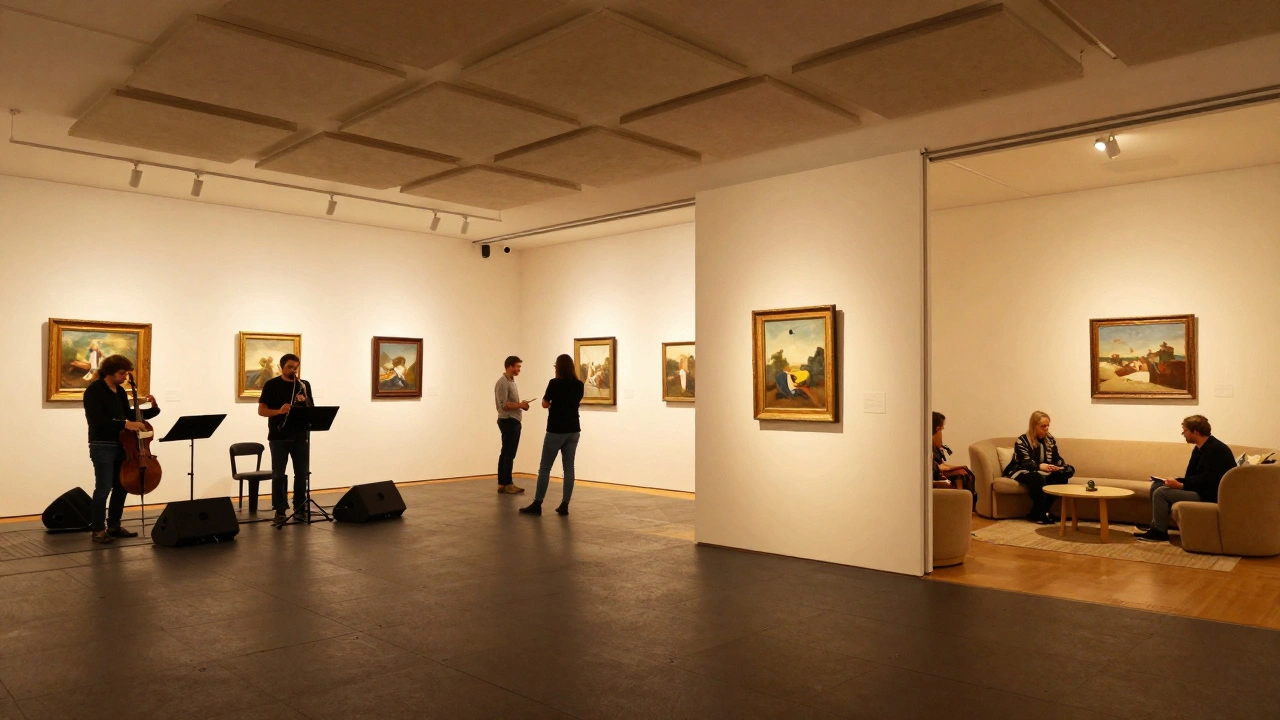
When you walk into a gallery that feels like it was built for one thing only-displaying paintings on white walls-you quickly realize how much potential is being wasted. The best gallery spaces today don’t just show art. They host live music, pop-up markets, poetry readings, film screenings, and even corporate dinners. The secret? They were designed from the start to do more than one thing. A versatile gallery event space isn’t a luxury anymore. It’s a necessity.
Why One-Use Spaces Don’t Work Anymore
Think back to the last time you visited a gallery that felt cold, silent, and rigid. The floors were hardwood, the lighting was fixed, and the walls were painted white because that’s what galleries have always done. That space probably didn’t host a single event outside of its regular exhibition cycle. And if it did, it was a struggle. Chairs scratched the floor. Sound echoed off bare walls. People couldn’t move around because the layout was locked in.
Those spaces are relics. Today’s audiences expect to experience art differently. They want to sit with it, hear it, touch it, and even eat near it. A gallery that only shows art is missing out on revenue, community engagement, and cultural relevance. The most successful venues now operate like living rooms for creativity-flexible, welcoming, and ready to shift gears.
Key Design Elements That Make a Space Multi-Use
Designing a gallery for multiple uses isn’t about adding more furniture. It’s about removing limits. Here’s what actually works:
- Modular flooring-Hardwood is great for art shows, but it’s terrible for dance performances or loud events. Rubber tiles, interlocking vinyl, or raised platform systems let you swap out surface types in hours. Some venues even use magnetic floor panels that can hold art or speakers in place.
- Adjustable lighting-Fixed track lighting might highlight a Monet perfectly, but it’s useless for a live band or a film screening. LED systems with dimming zones and color temperature control let you shift from museum glow to concert vibe in minutes.
- Retractable walls and partitions-A wall that can slide or fold away turns one large space into two smaller ones. This is crucial for hosting simultaneous events, like a quiet reading in one room and a DJ set in another.
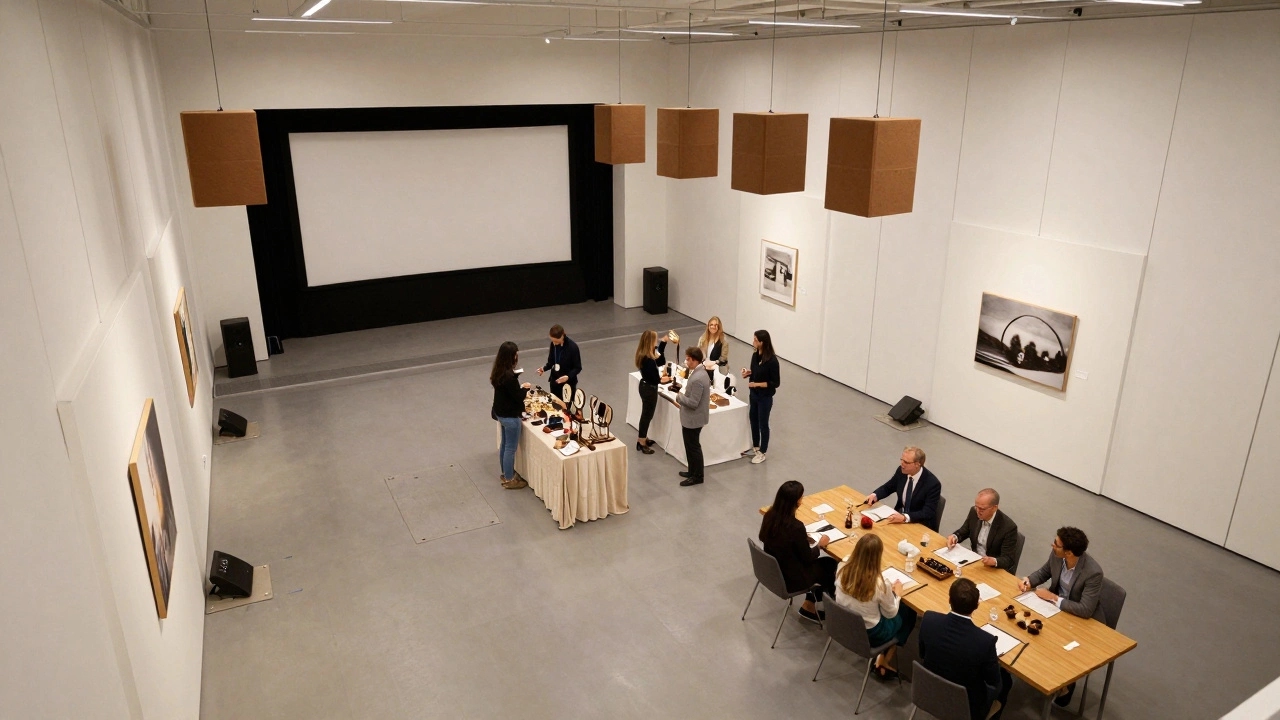
- Hidden storage and built-in tech-Cables, chairs, projectors, and sound systems need to disappear when not in use. Built-in cabinets under benches, ceiling-mounted projectors, and floor-access power outlets keep the space clean and ready to transform.
- Acoustic control without sacrifice-You don’t need to cover every surface in foam. Strategic use of fabric panels, movable acoustic baffles, and ceiling clouds absorb sound without killing the aesthetic. A gallery should feel alive, not like a sound booth.
Real-World Examples That Get It Right
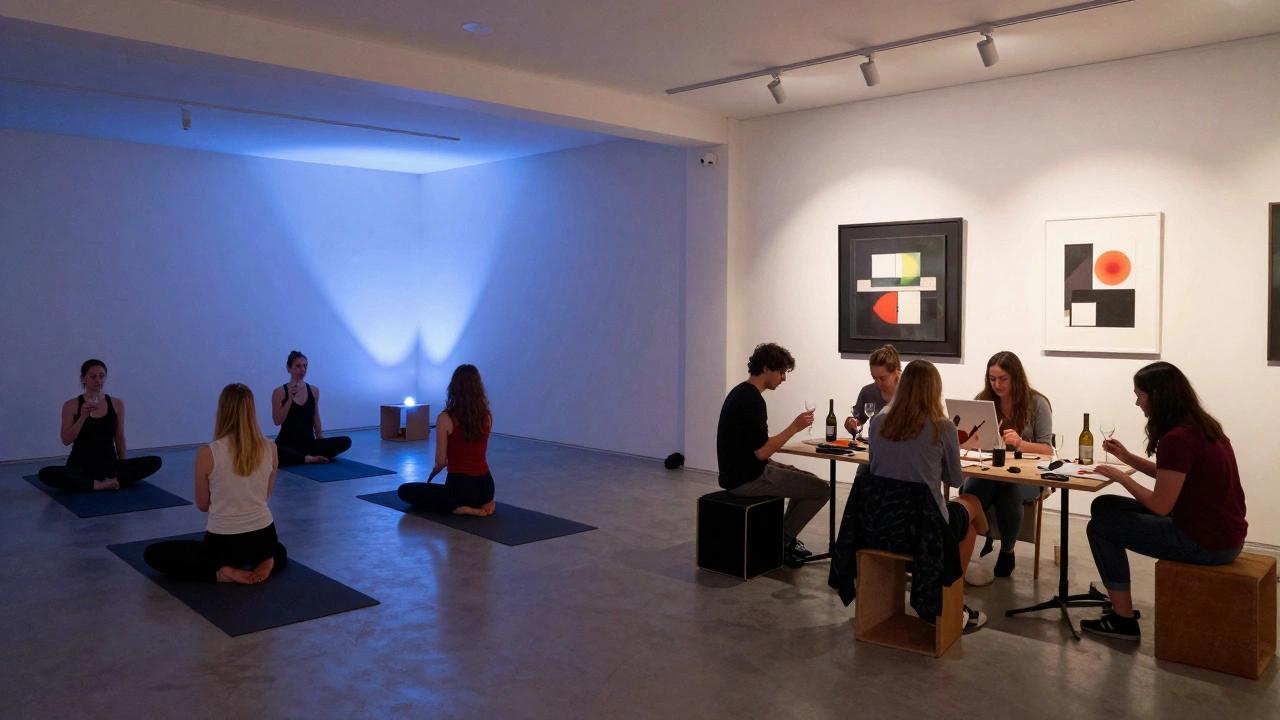
At the Portland Art Lab, the main gallery space used to sit empty 70% of the time. Then they redesigned it. They installed a floating floor system that could be raised or lowered to change ceiling height. They added motorized wall panels that could turn the 3,000-square-foot room into three zones. Now, on a single Saturday, they host a local artist’s opening, a poetry slam, and a wine-and-paint night-all without moving a single permanent fixture.
In Chicago, the Loop Gallery Collective started renting out their space for yoga classes on Sundays. They painted the floor with removable, non-slip paint and hung temporary fabric dividers for privacy. Within a year, those Sunday sessions brought in more revenue than their monthly art shows. They now run a full calendar of non-art events-yoga, meditation, even small weddings.
These aren’t outliers. They’re the new standard. The most successful venues now measure success not just by how many people view the art, but by how many different kinds of people they can welcome.
How to Start Transforming Your Space
You don’t need a million-dollar renovation. Start small, but start now.
- Map your current usage-Track what happens in your space over a month. How often is it empty? What kind of events do people ask for? What’s the biggest bottleneck?
- Identify one low-cost change-Swap out fixed lighting for dimmable LEDs. Install a single retractable partition. Add a few modular floor tiles. These cost under $5,000 and can unlock new uses immediately.
- Test one new event type-Invite a local musician to play for an hour during an opening. Host a potluck. Try a silent disco night. See what sticks.
- Build partnerships-Work with local dance troupes, food trucks, or podcasters. They bring audiences. You bring space. Everyone wins.
- Document the results-Track attendance, revenue, and feedback. Use this data to justify bigger changes later.
The Hidden Benefit: Community Trust
Beyond revenue, the real win is trust. When a gallery becomes a place where people can gather for music, food, and conversation-not just quiet staring-it stops feeling like a temple and starts feeling like a home. That’s when people come back. Not just to see art, but to be part of something.
A gallery that hosts a single event once a month feels like a museum. A gallery that hosts five different kinds of events every week feels like a heartbeat. And in a world where people are hungry for real connection, that’s the most valuable thing you can offer.
What to Avoid
Not every change works. Here are the biggest mistakes people make:
- Over-designing-Adding too many permanent features makes the space rigid again. Keep things movable.
- Ignoring maintenance-Modular floors need cleaning. Sound panels collect dust. Plan for upkeep.
- Forgetting accessibility-Every change must work for wheelchairs, strollers, and mobility aids. Ramps, wide pathways, and height-adjustable displays aren’t optional.
- Trying to please everyone-You can’t host a heavy metal concert and a silent meditation at the same time. Pick your core audience and build around them.
Future-Proofing Your Space
By 2026, the most successful galleries won’t just be places to view art. They’ll be cultural hubs-spaces that adapt, evolve, and respond. The ones that survive will be those that ask: What else can this space do? not What’s the right way to hang this painting?
Start by asking your community what they want. Listen. Then build something that moves. Not just with art-but with life.
Can a small gallery really become multi-use without major renovations?
Absolutely. Many small galleries start with just one change-like replacing fixed lighting with dimmable LEDs or adding removable floor tiles. These cost under $2,000 and can open the door to hosting poetry nights, yoga sessions, or small concerts. The key isn’t scale-it’s intention. Start with one new use case, test it, and expand from there.
How do you handle noise between events in the same space?
Sound control doesn’t mean covering walls in foam. Use movable acoustic panels, fabric drapes, or ceiling baffles that can be adjusted based on the event. Some venues use temporary sound barriers on wheels. For louder events, schedule them during off-hours or in separate zones if you have partitions. Always test sound levels before launching a new event type.
Is it worth renting out gallery space to non-art groups?
Yes-if done right. Non-art events like workshops, fitness classes, or small weddings often bring in 2-3 times more revenue than traditional art shows. They also bring in new audiences who might later become art buyers. The trick is to keep the art visible during events. Use rotating displays, digital screens, or designated art zones so the gallery’s identity stays intact.
What’s the biggest risk in making a gallery more flexible?
Losing your artistic identity. If you host too many unrelated events, visitors may stop seeing your space as a gallery. Keep art central. Use flexible design to enhance, not replace, the art experience. For example, a live performance can be framed as a response to a current exhibit-not a distraction from it.
How do you get funding for upgrades like modular flooring or lighting?
Many local arts councils offer grants for adaptive reuse. Look for programs that support community engagement or economic sustainability. Also, partner with local businesses-lighting companies might donate equipment in exchange for branding. Start with a pilot project, document its success, and use that to attract sponsors.