Valuation Updates: When to Reappraise Your Art Collection

Most collectors don’t think about revaluing their art until something happens-a sale, an insurance claim, or a family member asking, "How much is this worth?" But waiting for a crisis to check your collection’s value is like checking your car’s oil only after it breaks down. Art doesn’t sit still. Markets shift. Artists rise and fade. Trends flip. If you’re holding onto pieces without knowing their current worth, you’re flying blind.
Why Your Art Collection’s Value Changes Over Time
Art isn’t like gold or stocks with constant price feeds. Its value lives in perception, demand, and context. A painting by a mid-career artist might double in value after a major museum exhibit. A sculpture you bought for $15,000 in 2020 could drop to $8,000 if the artist’s reputation stalls or a scandal emerges. Conversely, a piece you thought was "just decorative" might explode in value if it surfaces in a retrospective or gets mentioned in a high-profile auction.
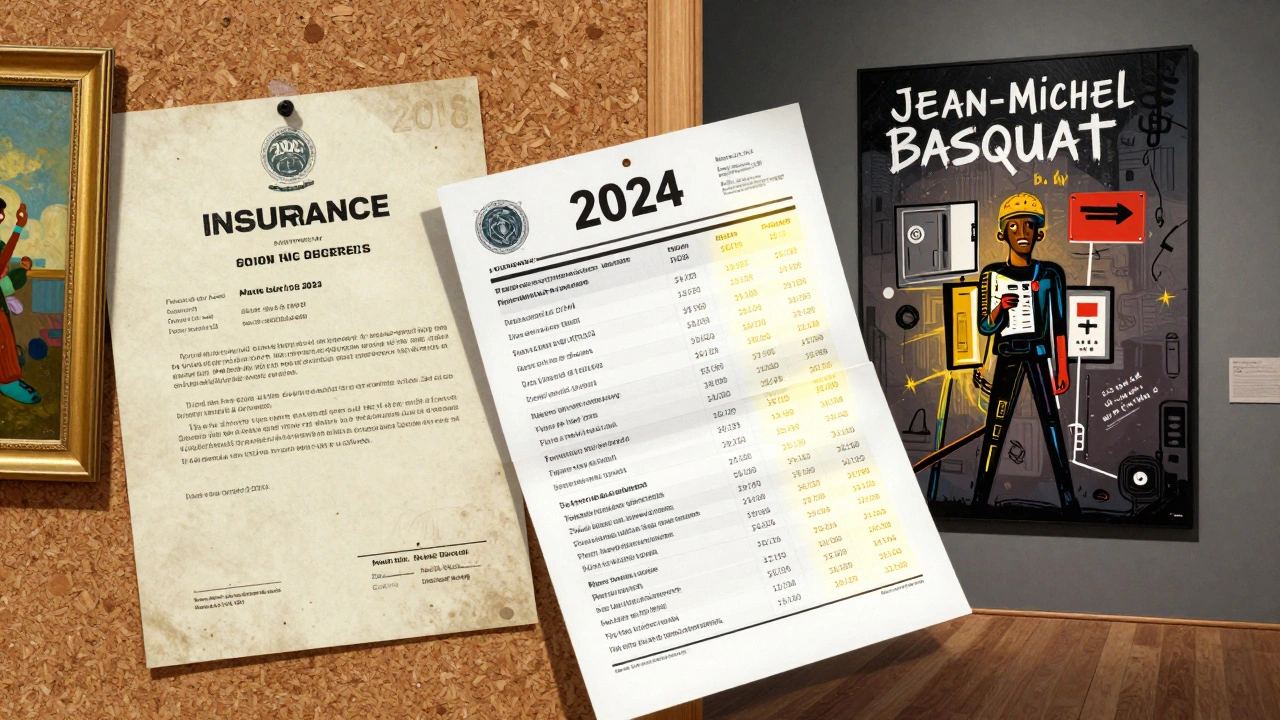
Think about the work of Jean-Michel Basquiat an American artist known for his raw, graffiti-inspired paintings that became icons of 1980s Neo-Expressionism. In 1984, a small Basquiat sketch sold for $5,000. In 2024, one of his larger works sold for $110.5 million. That’s not just inflation. That’s a seismic shift in cultural recognition. Your collection could be sitting on similar hidden potential-or quietly losing value without you noticing.
When You Should Reappraise Your Collection
You don’t need to get every piece appraised every year. But there are clear triggers that demand a fresh valuation:
- After five years-even if nothing seems to have changed, art markets move faster than most people realize. Five years is the sweet spot for a routine check.
- Before insurance renewal-if your policy says "up to $200,000" for your collection, but your pieces are now worth $320,000, you’re underinsured. Many collectors get burned here.
- Before selling or gifting-knowing the current value prevents underpricing or awkward family conversations.
- After a major exhibition or auction result-if a peer artist’s work just sold for 3x its last appraisal, your similar piece likely moved too.
- After a major life event-divorce, inheritance, estate planning, or moving abroad all require accurate valuations for legal and tax reasons.
One collector in Portland bought three works from a local gallery in 2019. He never reappraised them. In 2025, he decided to donate one piece to a university museum. The appraiser found it had tripled in value since 2020. He ended up claiming a tax deduction 200% higher than he expected-and realized he’d been underestimating the rest of his collection.
What Happens If You Don’t Reappraise
Ignoring updates doesn’t mean your art stays the same. It means you’re operating on outdated data. Here’s what can go wrong:
- Underinsurance-if a fire, flood, or theft occurs and your policy is based on a 2018 appraisal, you might only recover half what you need to replace the pieces.
- Tax underpayment-donating art? The IRS requires a qualified appraisal for deductions over $5,000. If your appraisal is outdated, they can disallow the deduction entirely.
- Missed selling opportunities-you might hold onto a piece thinking it’s "not worth much," when it’s actually at its peak value.
- Family disputes-if you pass away without clear valuations, heirs may fight over distribution, sell pieces for pennies, or even liquidate the whole collection out of confusion.
A 2023 survey by the Art & Antiques Appraisers Association a professional organization that certifies art appraisers and sets industry standards for valuation found that 68% of collectors who experienced a loss from uninsured damage had appraisals older than five years. The average gap between actual value and insured value? 47%.
How to Get a Reliable Appraisal
Not all appraisers are created equal. You need someone who:
- Is certified by a recognized body like the Appraisers Association of America a national organization that trains and certifies fine art appraisers or the International Society of Appraisers a global organization that provides certification and standards for appraisers across categories
- Specializes in your type of art-don’t hire someone who only does antiques if your collection is contemporary prints.
- Uses current auction records, gallery sales, and market comparables-not just gut feeling.
- Provides a written report with photos, condition notes, and methodology.
A good appraisal costs $150-$500 per piece, depending on complexity. It’s not cheap, but it’s cheaper than losing $50,000 because you didn’t update your insurance.
What to Do With the New Valuation
Once you have the numbers, don’t just file them away. Do three things:
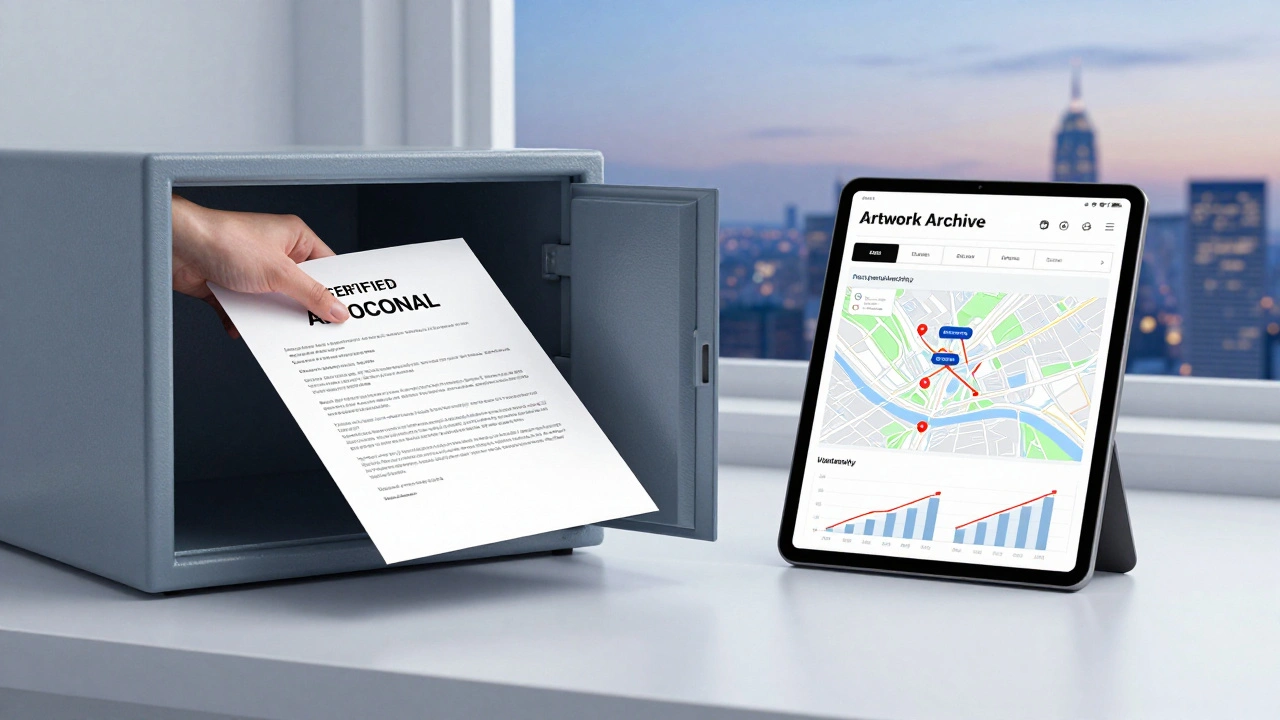
- Update your insurance-send the report to your provider. Ask them to adjust your coverage. Keep a copy in your safe deposit box and digital cloud.
- Log it in a digital inventory-use apps like Artwork Archive a cloud-based platform for collectors to catalog, value, and track their art collections or Trove a digital collection management tool designed for private collectors and estates to store your appraisal reports alongside photos and provenance.
- Share it with your estate planner-if you have a will or trust, your executor needs accurate values to distribute assets fairly. A vague description like "my art collection" won’t cut it.
Common Myths About Art Valuation
- "My gallery said it was worth X."-Gallery prices are often inflated for sales. Appraisers use actual sale data, not asking prices.
- "I bought it cheap, so it’s not valuable."-Value isn’t about what you paid. It’s about what someone else is willing to pay now.
- "Only famous artists matter."-Emerging artists, regional works, and limited editions can surge in value. A print by a Portland-based artist might be worth more now than a mass-produced lithograph by a dead master.
- "I’ll wait until I sell."-Waiting means you’re guessing. You could sell too early or too late. Knowing your value lets you choose the right moment.
Final Thought: Your Collection Is an Asset
Art isn’t just decoration. It’s an asset class-like real estate or stocks. You wouldn’t ignore your home’s market value for five years. Why treat your art differently? Reappraising isn’t about obsessing over numbers. It’s about protecting what you’ve built, making smart decisions, and honoring the work you’ve collected.
Set a calendar reminder. Every five years, get your collection checked. It takes one afternoon. The peace of mind? Priceless.
How often should I get my art collection appraised?
Most collectors should get a full reappraisal every five years. But if you’ve had major life changes-like selling a piece, inheriting art, or moving to a new state-you should update your valuation sooner. Also, if a piece you own was recently featured in a major auction or museum show, get it checked immediately.
Can I use the gallery’s price as my appraisal?
No. Gallery prices are asking prices, not market values. Appraisers rely on actual sale records from auctions, private sales, and verified transactions. A gallery might list a piece at $25,000, but if similar works have sold for $12,000 in the last year, that’s the real value. Relying on gallery quotes can lead to overinsurance or missed tax deductions.
Do I need to appraise every single piece?
Not necessarily. Focus on high-value items first-anything worth over $5,000. For smaller pieces, you can group them under a single category (e.g., "12 contemporary prints, estimated total value: $8,000"). But if you plan to donate or sell any individual piece, it needs its own appraisal for legal and tax purposes.
What if my art’s value has dropped?
A drop in value isn’t a failure-it’s information. You might need to adjust your insurance coverage downward to avoid overpaying. If you’re planning to sell, now might be the time to act before it drops further. If you’re holding for long-term appreciation, remember: art markets are cyclical. A piece that’s down today could be up three times in five years.
Is digital appraisal valid for taxes?
Yes-if the appraiser is qualified and provides a written report with photos, condition details, and comparable sales data. The IRS doesn’t require an in-person visit. Many certified appraisers now offer remote evaluations using high-resolution images and detailed provenance records. Just make sure the report includes the appraiser’s credentials and signature.