UV and Lighting Protection for Artwork: Prevent Fading
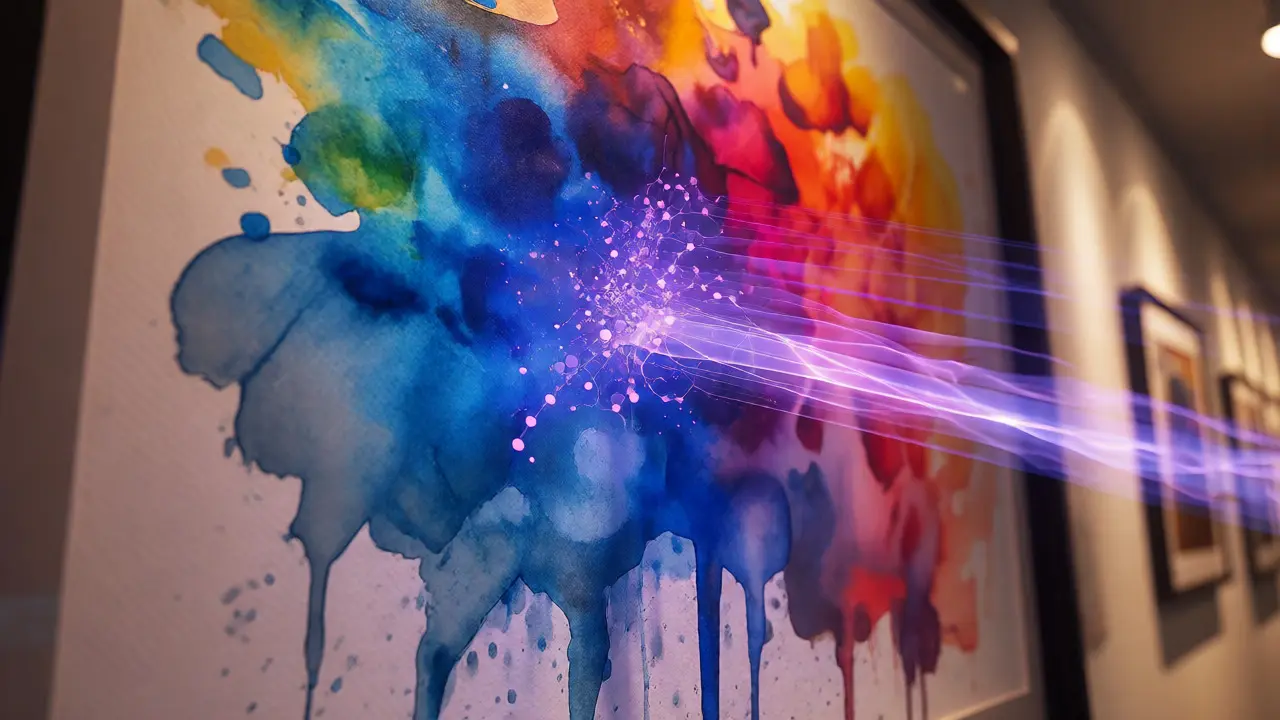
You just bought that vibrant watercolor at the local gallery in Portland. It looks stunning under the track lights. But here is the harsh truth: every second it sits there, invisible rays are eating away at its pigments. You cannot see the damage happening, but you will see the result five years from now when the blues turn gray and the reds vanish. Light-induced fading is one of the most common forms of irreversible art deterioration. It doesn't care if you paid $50 or $50,000. If the photons hit the molecule, the bond breaks. The good news? You can stop it. Or at least slow it down to a crawl.
Why Light Actually Kills Your Art
It isn't magic; it's chemistry. Artworks are made of materials-paper, canvas, wood, plastic-that contain chromophores. These are molecular structures responsible for color. When high-energy light hits them, it triggers photochemical reactions. Think of it like sunburn on your skin, but for paint. Ultraviolet (UV) radiation carries the most energy and does the most damage, even though it makes up only a tiny fraction of natural sunlight. Visible light also causes fading, especially in sensitive media like watercolors, textiles, and photographs. Infrared (IR) radiation brings heat, which dries out organic materials and causes cracking over time.
The damage is cumulative. This means it adds up. There is no "reset" button. Once a pigment fades, you cannot put the color back. A print exposed to bright daylight for six months might lose more color than one kept in a dim closet for fifty years. That is why conservationists talk about "light dose," not just brightness. The total amount of light energy an object receives over its lifetime determines how much it degrades.
Understanding the Culprits: UV, Visible, and IR
To protect your collection, you need to know what you are fighting. Not all light is created equal. Here is a breakdown of the three main threats and their specific attributes.
| Light Type | Wavelength Range | Primary Damage Mechanism | Visible to Human Eye? |
|---|---|---|---|
| Ultraviolet (UV) | 100-400 nm | Breaks chemical bonds directly; highest energy | No |
| Visible Light | 400-700 nm | Fades pigments through photo-oxidation | Yes |
| Infrared (IR) | 700 nm-1 mm | Generates heat; causes drying and warping | No (felt as heat) |
Notice that UV is invisible. This is dangerous because people assume if they can't see it, it isn't hurting anything. Wrong. Standard incandescent bulbs emit very little UV, which is why museums have historically used them. But halogen and fluorescent lights? They leak significant amounts of UV unless filtered. LED technology has improved dramatically, offering low-UV options, but cheap LEDs still produce spikes in the blue spectrum that can be harmful to sensitive papers.
Setting Realistic Light Levels
So, how dark should you keep your house? It depends on what you own. Conservation standards provide clear guidelines based on material sensitivity. You don't need to live in a cave, but you do need to measure.
- Highly Sensitive: Watercolors, pastels, silks, wool, and old photographs. Keep these below 50 lux (about 5 foot-candles). For context, a typical living room is around 100-150 lux. A sunny day outside is 10,000+ lux.
- Moderately Sensitive: Oil paintings, acrylics, and prints on paper. Aim for 150-200 lux. Most oil paints are surprisingly robust because the binder protects the pigment, but varnish layers can yellow and crack if overheated.
- Less Sensitive: Stone sculptures, metal objects, and ceramics. These can handle 300+ lux without significant fading, though dust and humidity remain bigger concerns.
If you want to be precise, buy a digital lux meter. They cost less than twenty dollars online. Measure the light hitting the surface of the art, not the ambient room light. If you read 800 lux on a watercolor, you are killing it slowly. Turn off a lamp or move the piece.
Practical Solutions for Home Collectors
You don't need a museum budget to make a difference. Start with the easiest wins.
- Install UV Filtering Film: Apply clear polyester film with UV inhibitors to windows. This blocks up to 99% of UV rays while letting visible light pass through. Brands like 3M and Llumar offer residential grades. This is the single most effective step for homes with large windows.
- Switch to LED Bulbs: Choose LEDs labeled "museum grade" or "low UV." Look for a Color Rendering Index (CRI) above 90 for accurate color viewing, but ensure the correlated color temperature (CCT) is between 2700K and 3000K. Higher temperatures (cool white) often have more blue light, which is higher energy.
- Use Dimmers: Install dimmer switches on circuits powering your display areas. Run lights at 50% intensity when you aren't actively looking at the art. Every hour you save is an hour of life for the pigments.
- Rotate Your Collection: Treat your home like a museum. Hang a piece for three months, then swap it for another. Store the resting pieces in acid-free boxes in a dark, climate-controlled closet. This spreads the light exposure across multiple items.
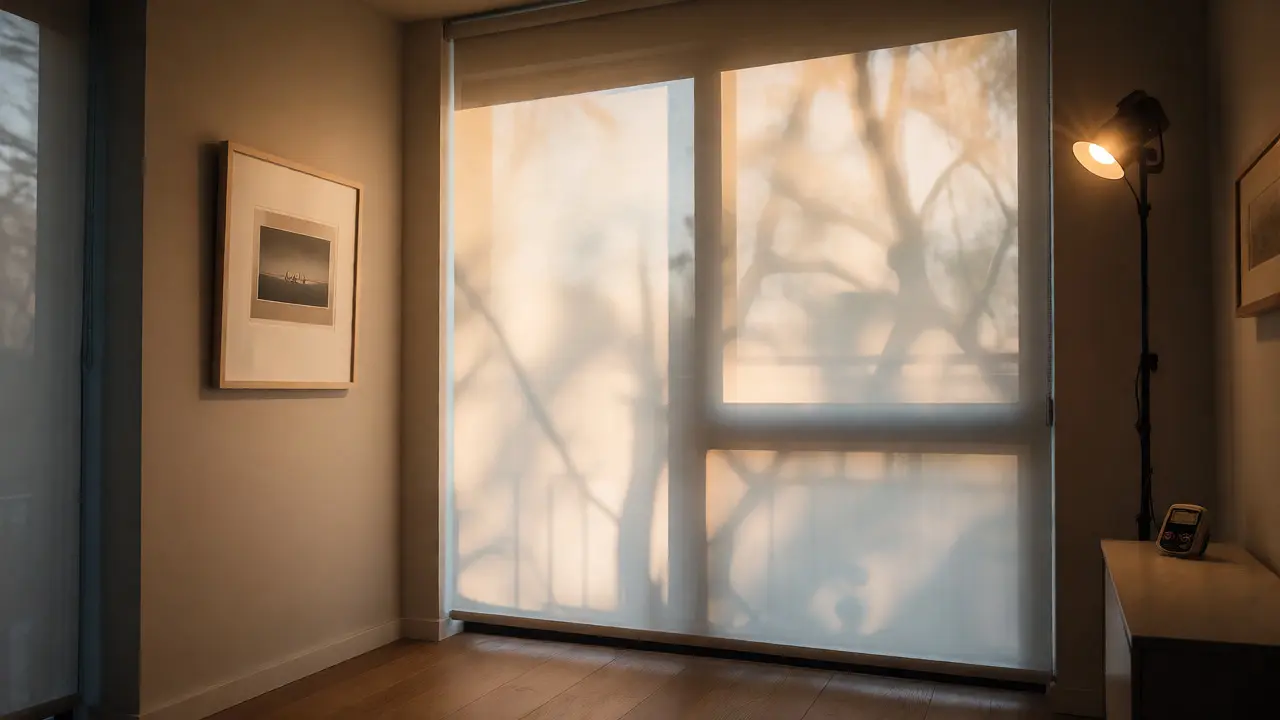
One mistake I see often in Portland homes is placing art directly opposite a south-facing window. Even with curtains, indirect light is intense. Move the frame perpendicular to the wall so it faces inward, or use sheer blinds that diffuse direct beams. Never let sunlight hit the glass surface of a framed print directly; it creates a magnifying effect that concentrates heat and light.
The Role of Humidity and Temperature
Light rarely damages art alone. Heat from infrared radiation raises the temperature of the frame and backing board. This causes expansion and contraction. Over time, this mechanical stress cracks paint layers and loosens joints. High humidity combined with light accelerates mold growth on paper-based works.
Keep your environment stable. The ideal range for mixed collections is 68-72°F (20-22°C) and 45-55% relative humidity. Use a hygrometer to monitor levels. If you live in a humid area like the Pacific Northwest, consider running a dehumidifier in the room where you store art. Dry air from winter heating systems can also cause wood panels to shrink and split. Balance is key.
When to Call a Professional
Not every problem can be fixed with a new lightbulb. If you notice flaking paint, yellowing varnish, or foxing (brown spots) on paper, consult a conservator. Do not try to clean valuable art yourself with household cleaners. Many commercial sprays contain solvents that dissolve varnish or drive dirt deeper into the fibers.
Professional conservation involves testing pigments, stabilizing supports, and sometimes reversible cleaning. It costs money, but it preserves value. For insurance purposes, document your collection with high-resolution photos taken in neutral light. Note any pre-existing condition issues. If a piece fades significantly, you might need an appraisal update, as condition affects market value.
Do LED lights damage artwork?
Generally, no. Modern LED lights emit very little ultraviolet (UV) and infrared (IR) radiation compared to incandescent or halogen bulbs. However, some cheap LEDs have high blue-light content, which can contribute to fading in extremely sensitive materials. Always choose LEDs with a low UV output rating and a warm color temperature (2700K-3000K).
How many hours per day should art be lit?
There is no strict limit, but less is better. Museums often rotate exhibits to limit exposure. For home displays, aim to turn off lights when you leave the room. Using timers or smart plugs ensures lights aren't left on accidentally overnight. Total annual lux-hours matter more than daily duration.
Can faded artwork be restored?
No. Fading is a chemical change in the pigment molecules. Once the bond breaks, the color is gone forever. Conservators can stabilize the remaining material and prevent further damage, but they cannot reverse the loss of hue. Prevention is the only cure.
Is natural light bad for oil paintings?
Oil paintings are relatively resistant to light compared to watercolors or textiles. However, direct sunlight contains UV and IR that can yellow varnish and cause thermal stress. Indirect, diffused natural light is acceptable if filtered by UV-blocking glass or film. Avoid placing oils in direct sunbeams.
What is the best way to store artwork?
Store artwork in a cool, dark, dry place. Use acid-free tissue paper and archival-quality boxes. Wrap frames in bubble wrap or glassine paper to protect surfaces. Avoid attics and basements where temperature and humidity fluctuate wildly. Vertical storage is safer for canvases to prevent sagging.