TikTok Marketing for Art Galleries: Short-Form Video Strategies
Why TikTok Is the New Gallery Wall
Most art galleries still rely on Instagram to show off their collections. But if you’re only posting static images of paintings and sculptures, you’re missing out on something bigger. TikTok isn’t just for dance challenges and viral trends-it’s becoming the most powerful tool for art galleries to reach new audiences. And it’s not about going viral. It’s about showing the human side of art.
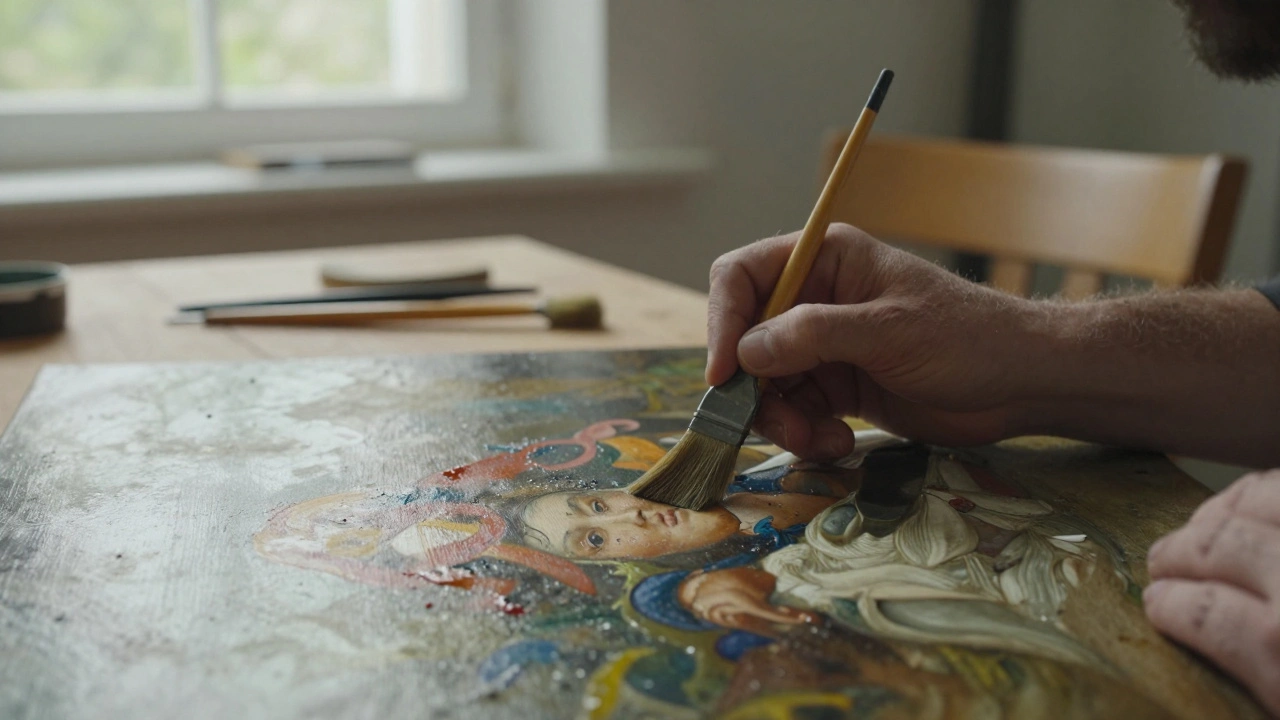
Think about it: a 15-second video of a conservator gently cleaning a 19th-century oil painting, with a voiceover explaining how they removed 80 years of grime without damaging the brushstrokes? That’s more engaging than a high-res photo. People don’t just want to see art-they want to understand how it was made, who made it, and why it matters.
Stop Posting Art. Start Telling Stories.
Art galleries that treat TikTok like Instagram are failing. You don’t need perfect lighting or professional cameras. You need curiosity. Start by asking: What part of your gallery’s process feels invisible to the public?
- How do you decide which artists to show?
- What’s the weirdest thing you’ve found hidden behind a canvas?
- How long does it take to hang a 12-foot sculpture in a narrow hallway?
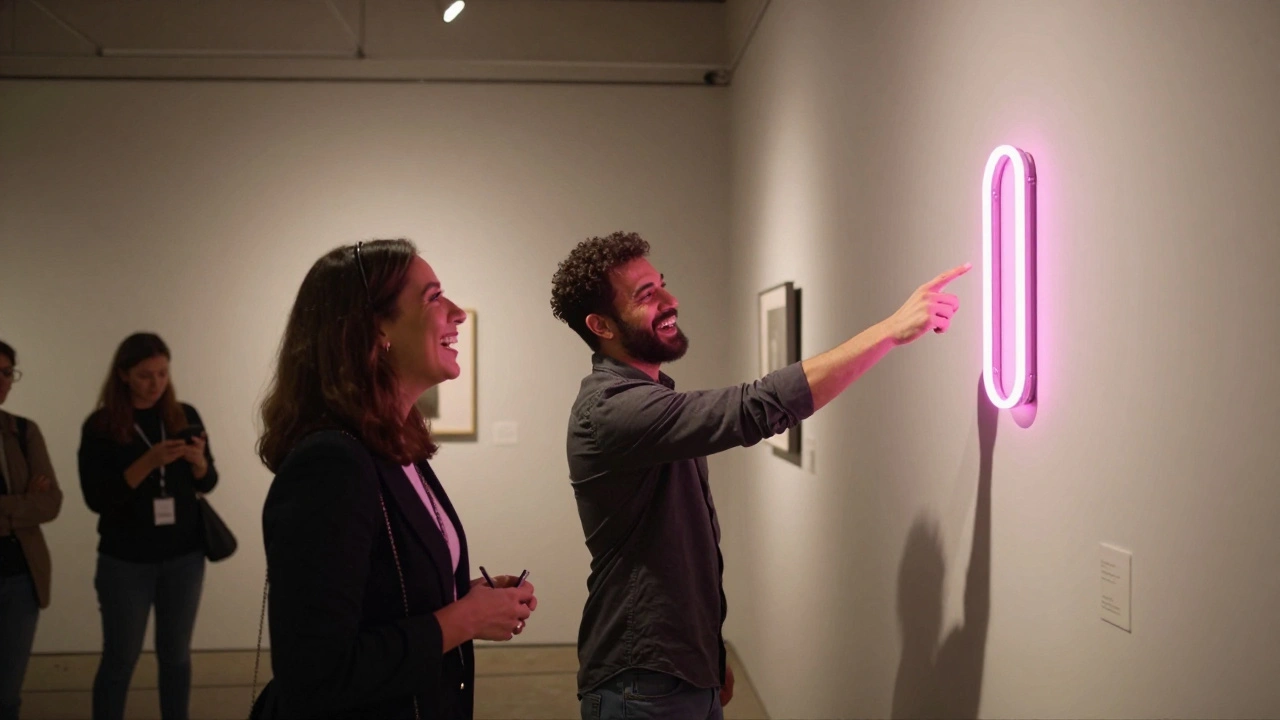
One gallery in Portland, Northwest Contemporary is a small art gallery specializing in Pacific Northwest artists, known for its experimental installations and community-driven curation. started posting 20-second clips of their staff arguing over which piece to hang next. One video showed two curators debating whether a neon sculpture belonged in the main room or the basement. They didn’t pick a side-they just laughed and let viewers vote. The video got 420,000 views. Not because it was polished. Because it felt real.
Three Types of Videos That Actually Work
Not every video needs to go viral. But some formats consistently pull in viewers who later show up in person. Here are the three that work best for galleries:
- Behind-the-Scenes Process - Show the physical work behind the scenes. Film the crane lifting a heavy bronze sculpture into place. Capture the sound of nails being hammered into a custom frame. Add text: "This took 7 people and 3 hours. We do this for every show."
- Artist in 60 Seconds - Interview your artists, but don’t make it formal. Ask: "What’s the one thing you wish people knew about your work?" Let them answer while they’re painting, welding, or even eating lunch. One sculptor from Seattle said, "I don’t make art to sell. I make it so my grandma feels seen." That clip got 89,000 likes and 1,200 comments.
- Visitor Reactions - Set up a quiet corner with a phone on a tripod. Ask visitors: "What’s the first thing you felt when you saw this piece?" Don’t edit. Let silence breathe. Let someone cry. Let someone laugh. People connect with emotion, not explanation.
Use Trends-But Don’t Force Them
TikTok trends move fast. A dance trend from last week is already dead. But there’s a smarter way: borrow the structure of a trend, not the content.
For example, the "Get Ready With Me" trend? Turn it into "Get Ready With This Painting." Show a canvas being prepped: priming, sketching, layering, glazing. Add text: "3 hours. 4 coats. 1 mistake. Here’s how we fixed it."
Or try the "POV: You’re a 17th-century portrait" trend. Film someone slowly walking through your gallery, whispering: "POV: You’re the woman in the painting, and you just found out your husband sold you to pay for his wine collection." It’s absurd. It’s memorable. And suddenly, people are talking about historical gender roles in art.
Don’t Ignore Sound
Most galleries use generic royalty-free music. Big mistake. Sound is half the experience.
Use the actual sounds of your space: the creak of wooden floors, the hum of climate control, the quiet clink of a coffee cup near the gallery café. One gallery in Chicago recorded the echo of footsteps in their high-ceilinged main hall and used it as background for a video showing how light changes across a white canvas throughout the day. It went viral. Why? Because it felt like being there.
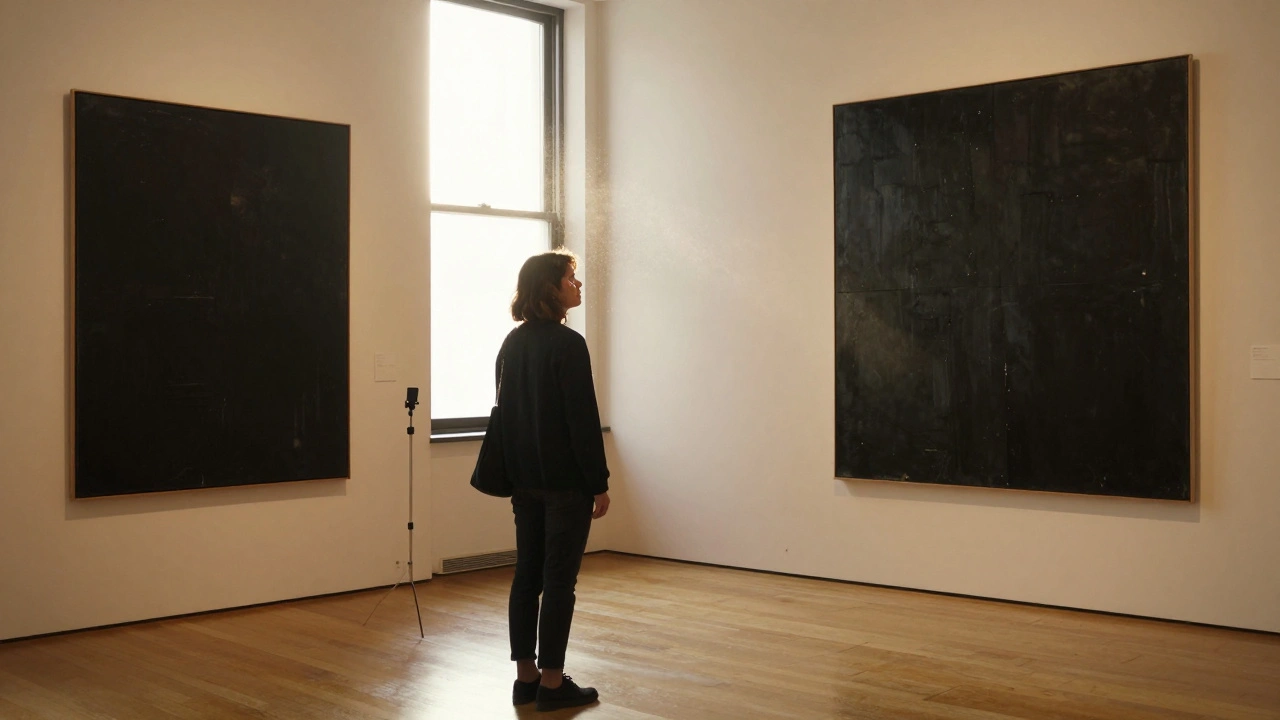
And don’t be afraid of silence. A 10-second clip of a visitor standing in front of a black painting, not saying a word? That’s powerful. TikTok’s algorithm rewards authenticity, not noise.
Tag the Right People
Don’t just use #art or #gallery. Those tags have millions of posts. You’ll disappear.
Instead, tag:
- #ArtConservation - for videos about restoration
- #ArtHistoryTok - for context-heavy clips
- #SmallGalleryLife - a growing niche for indie spaces
- #ArtistsOnTikTok - artists love being tagged
- #MuseumTok - even if you’re not a museum, this audience is hungry for depth
Also, tag local art schools, regional historians, and even local coffee shops that host your events. They’ll reshare. And their followers will come to you.
Track What Matters
You’re not trying to get 1 million views. You’re trying to get 50 new visitors.
Track these three metrics:
- Profile visits - If someone watches your video and clicks your profile, they’re interested.
- Link clicks - Use a UTM-tagged link in your bio to track how many people come to your website.
- Attendance spikes - Did your weekend opening jump 30% after a video posted? That’s your win.
One gallery in Austin saw a 27% increase in walk-ins after posting a video titled: "This painting was almost thrown out. Here’s why we saved it." They didn’t spend a dollar on ads. Just one honest video.
What Not to Do
Here’s what kills engagement:
- Using stock music that sounds like a PowerPoint presentation
- Posting long artist statements as captions
- Trying to explain every symbol in a painting
- Asking people to "like and follow" in every video
- Using filters that make everything look like a 2012 Instagram post
People can smell when you’re trying too hard. Keep it messy. Keep it human.
Start Small. Stay Consistent.
You don’t need a team. You don’t need fancy gear. You just need to show up once a week.
Try this: Every Monday, film one 15-second clip. It could be:
- A curator picking a new frame
- A visitor’s reaction to a sculpture
- The sound of rain hitting the gallery skylight
After 12 weeks, you’ll have 12 stories. And someone, somewhere, will watch one of them and think: "I need to see this in person."
Do I need to post every day to make TikTok work for my gallery?
No. Quality beats frequency. One well-made video per week is better than five rushed ones. TikTok rewards consistency over volume. Focus on showing real moments-not perfect ones.
Can small galleries compete with big museums on TikTok?
Absolutely. Big museums have more resources, but small galleries have more personality. People follow accounts that feel human, not institutional. A 15-second clip of your intern trying to hang a crooked painting will outperform a polished museum tour every time.
Should I hire a TikTok manager for my gallery?
Only if someone already loves your art. A hired manager won’t know why your gallery matters. But your gallery assistant? They’ve seen visitors cry in front of your most obscure piece. They know the story. Let them film it.
What if my art is abstract or hard to explain?
That’s your advantage. Don’t explain it. Show it. Film someone touching the texture of a painting. Capture how light changes across the surface. Ask viewers: "What does this make you feel?" Let the art speak. People crave space to interpret, not to be told.
How do I get more visitors from TikTok to actually come to the gallery?
Use your bio link wisely. Put a direct link to your next opening or a limited-time free admission offer. Add text like: "This video was filmed right here. Come see it in person. We’re open Friday-Sunday." Make it easy. Make it tempting.
Art galleries aren’t just spaces for objects. They’re places for connection. TikTok doesn’t replace that. It reveals it.