Territory Carve-Outs for Artists: How to Protect Fine Art and Gallery Rights

Imagine signing a massive licensing deal with a global brand, only to find out a year later that you can't show your original work in your own local gallery because the contract gave the brand "exclusive worldwide rights." It happens more often than you'd think. Most artists see a big check and assume the legal jargon doesn't apply to their personal studio practice. But in the world of intellectual property, if you don't explicitly carve out your space, you might accidentally give away the keys to your own career.
Главные мысли
- A territory carve-out allows you to keep specific rights (like gallery exhibitions) while licensing others.
- Exclusive licenses can accidentally block your ability to sell original works.
- Clear definitions of "Territory" and "Usage" are the only way to prevent legal disputes.
- Protecting your fine art rights ensures your brand grows independently of your corporate partners.
What Exactly is a Territory Carve-Out?
In a standard contract, the "Territory" is where the licensee can use your work. Common settings are "Worldwide" or "North America." A Territory Carve-Out is a specific exception written into that clause. It basically says, "You can use my art everywhere in the world, except for these specific situations or locations where I keep total control."
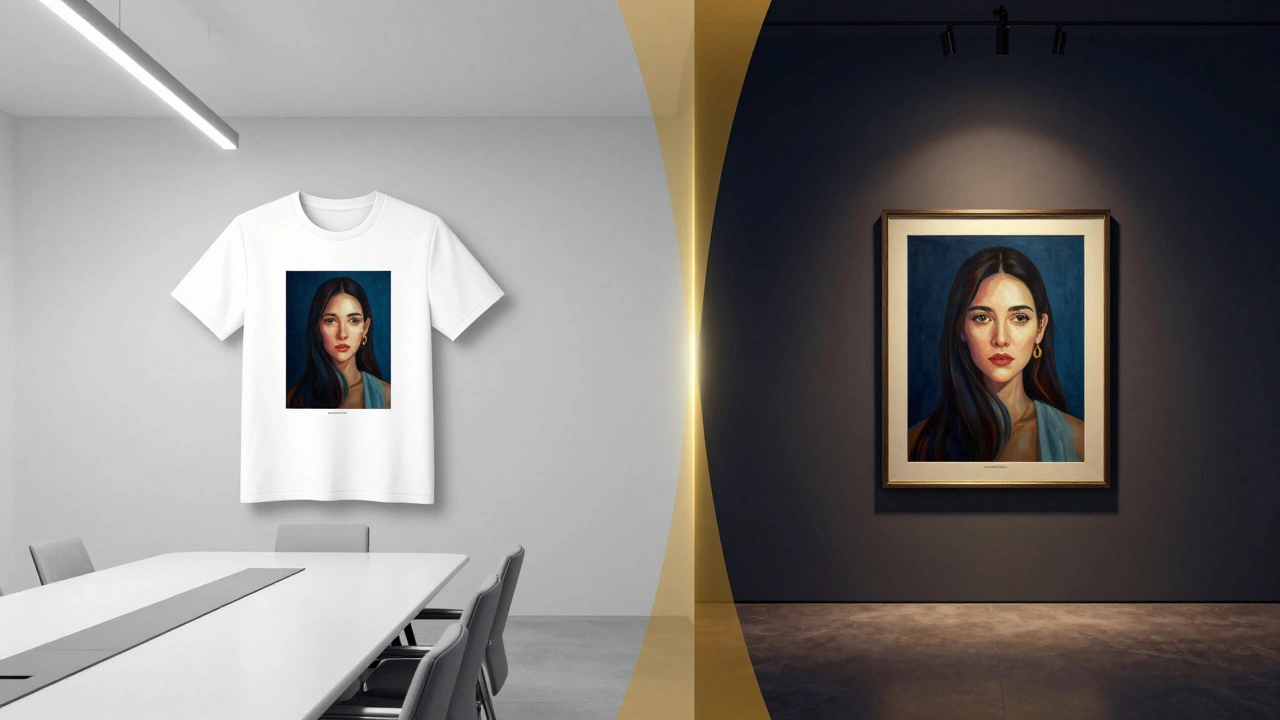
For a professional artist, this isn't just about geography; it's about the licensing agreements and the nature of the medium. If you license a painting for a clothing line, the company wants the right to sell those shirts in Tokyo and New York. However, you still want the right to hang that same painting in a gallery in Soho. Without a carve-out, a strict exclusivity clause could technically make your gallery show a breach of contract.
Why Gallery Rights are the Danger Zone
Most corporate lawyers write contracts to be as broad as possible. They use phrases like "all media now known or hereafter devised." To a lawyer, this is just thoroughness. To an artist, this is a nightmare. If you grant exclusive rights to a brand for a specific image, you are essentially telling the world that no one else-including you-can exploit that image for commercial gain in that territory.
Here is where Gallery Rights come in. A gallery representation is a commercial relationship. If your contract says the licensee has the exclusive right to "reproduce and distribute" the work, and you sell a limited edition print at a gallery, you've just competed with your own licensee. This often leads to "cease and desist" letters from the very companies that are paying you royalties.
| Feature | Standard Exclusive License | License with Carve-Outs |
|---|---|---|
| Global Usage | Licensee controls all markets | Licensee controls commercial markets |
| Fine Art Sales | Potentially prohibited | Explicitly permitted for artist |
| Gallery Shows | Risky/Requires permission | Protected and guaranteed |
| Control | High licensee control | Shared control based on use-case |
How to Write a Carve-Out That Actually Works
You can't just tell a lawyer "I want to keep my gallery rights." You need to be surgically precise. The goal is to separate "commercial products" from "fine art." A Fine Art piece is generally viewed as a unique, high-value object, whereas a licensed product is a mass-market item.
When drafting your contract, focus on these three pillars:
- Define the Medium: Explicitly state that the license applies to "merchandise," "digital advertising," or "apparel," but specifically excludes "original works of art," "limited edition prints," and "museum exhibitions."
- Define the Venue: Create a "Reserved Rights" section. State that the artist retains the absolute right to exhibit and sell the work in any recognized art gallery or museum.
- Specify the Quantity: If you're doing limited editions, specify the number. Tell the licensee, "You have the rights for 10,000 T-shirts, but I keep the right to sell 50 signed archival prints."
For example, if you're working with a fashion brand, your carve-out should look something like this: "Notwithstanding the exclusivity granted herein, Artist reserves all rights to exhibit the Work in fine art galleries and sell original versions or limited edition prints (not exceeding 25 copies) of the Work." This leaves no room for the company to claim you're stepping on their toes.
Dealing with "Worldwide" Exclusivity
When a company asks for a "Worldwide" territory, they are usually just protecting themselves from shipping a product to a country where someone else might claim the rights. They aren't usually trying to stop you from having a show in Paris. However, the law doesn't care about "intent"; it only cares about what's on the paper.
If you can't get them to shrink the territory, shift the focus to Usage Rights. Instead of fighting over the "where," fight over the "how." You can grant worldwide exclusivity for *commercial mass-market reproduction* while reserving worldwide rights for *fine art exhibition and sale*. This allows the brand to scale their business globally without stripping you of your identity as a gallery artist.
Common Pitfalls to Avoid
One of the biggest mistakes artists make is trusting "handshake" agreements. A creative director might say, "Oh, don't worry, we'd never stop you from showing your work in a gallery." That's great until that director leaves the company and a new legal team takes over. The new team doesn't know about the handshake; they only know the contract says "Exclusive."
Another trap is the "Approved Use" clause. Some contracts say you can do other things as long as you get the licensee's written approval. This is a trap. It gives them a veto over your career. If you have to ask a corporate board for permission to join a curated show at the Tate Modern, you aren't an independent artist-you're a contractor.
The Long-Term Impact on Your Portfolio
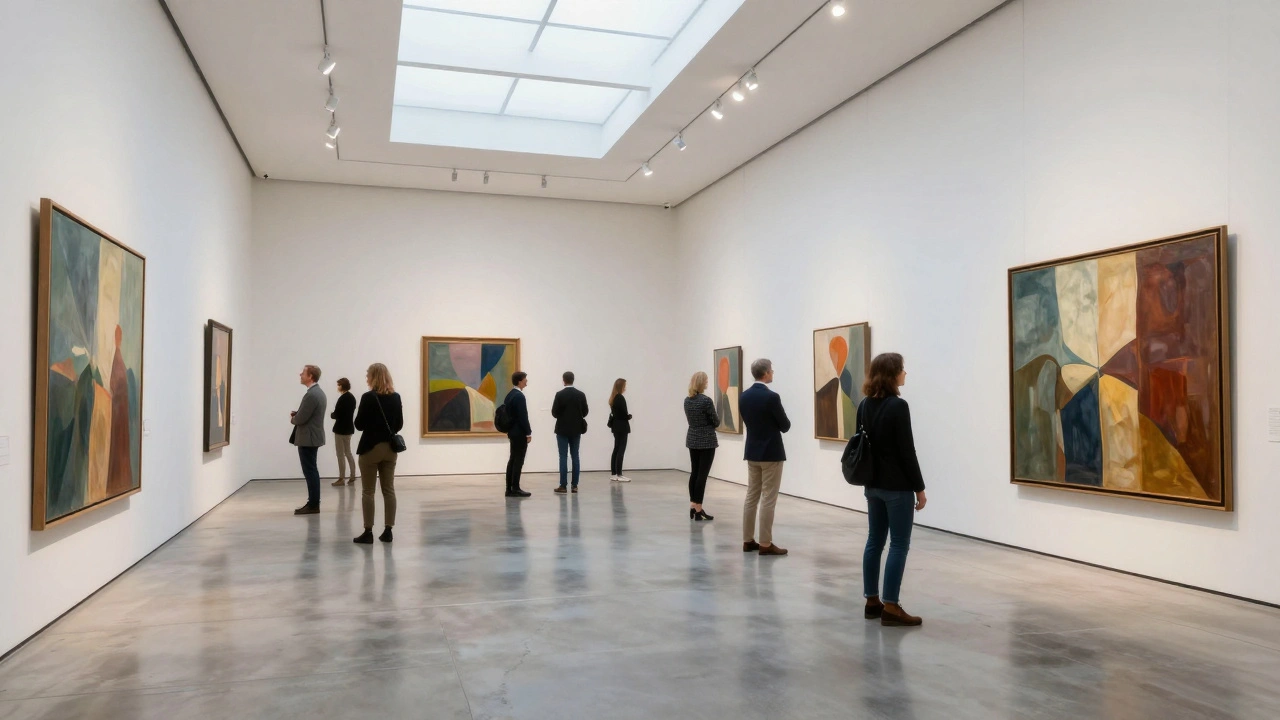
Your Portfolio is your primary asset. When you license work, you are essentially renting out a piece of that asset. If you rent out the entire asset (including the gallery rights), you lose the ability to build "provenance." Provenance is the record of ownership and exhibition history that makes a piece of art valuable over decades.
If a piece of art is exclusively tied to a brand for ten years, it disappears from the fine art circuit. It stops being "Fine Art" and starts being "Brand Asset #402." By keeping your gallery rights, you ensure that the work continues to live in the art world, which actually increases the value of the license for the company. Brands love licensing "prestigious" art; they don't want to license something that has lost its soul because it's only ever been seen on a coffee mug.
Does a non-exclusive license need a carve-out?
Generally, no. In a non-exclusive license, you already keep the rights to use and sell the work however you want. However, it's still smart to define the usage to ensure the licensee doesn't accidentally enter a market (like high-end prints) that you've reserved for your galleries.
What if I already signed a contract without a carve-out?
You can try to negotiate an "Addendum." This is a secondary document that both parties sign to modify the original terms. Approach the licensee by explaining that you have a gallery opportunity that will actually bring more prestige to the work and the brand. Most companies are open to this if it doesn't hurt their bottom line.
Is there a difference between "Territory" and "Field of Use"?
Yes. Territory is the geographic area (e.g., USA, Europe), while Field of Use is the category of application (e.g., digital apps, clothing, billboards). A great contract often combines both-granting worldwide territory but limiting the Field of Use to exclude fine art.
Can a gallery contract conflict with a licensing deal?
Absolutely. Many galleries require "exclusive representation" for a certain period. If you've already given exclusive licensing rights to a brand, you might be unable to fulfill your contract with the gallery. Always check both documents for overlapping "exclusivity" clauses.
Why do brands insist on worldwide exclusivity?
It simplifies their logistics. They don't want to track which countries they are allowed to advertise in. The best way to handle this is to give them the worldwide territory but strictly carve out the type of use (fine art vs. commercial product).
Next Steps for Your Contracts
If you're currently reviewing a deal, don't be afraid to ask for these changes. Companies expect artists to negotiate. If they push back, ask them specifically: "Does this clause prevent me from exhibiting my original work in a museum?" Once they realize they are potentially blocking a museum show, they usually become much more flexible with the wording.
For those with existing portfolios, it's time to do an audit. Go back through your old contracts and highlight every instance of the word "Exclusive." If you find that you've given away your gallery rights, start a conversation with your partners now-before your next big exhibition invitation arrives.