Street Art in Galleries: The Institutionalization of Urban Culture
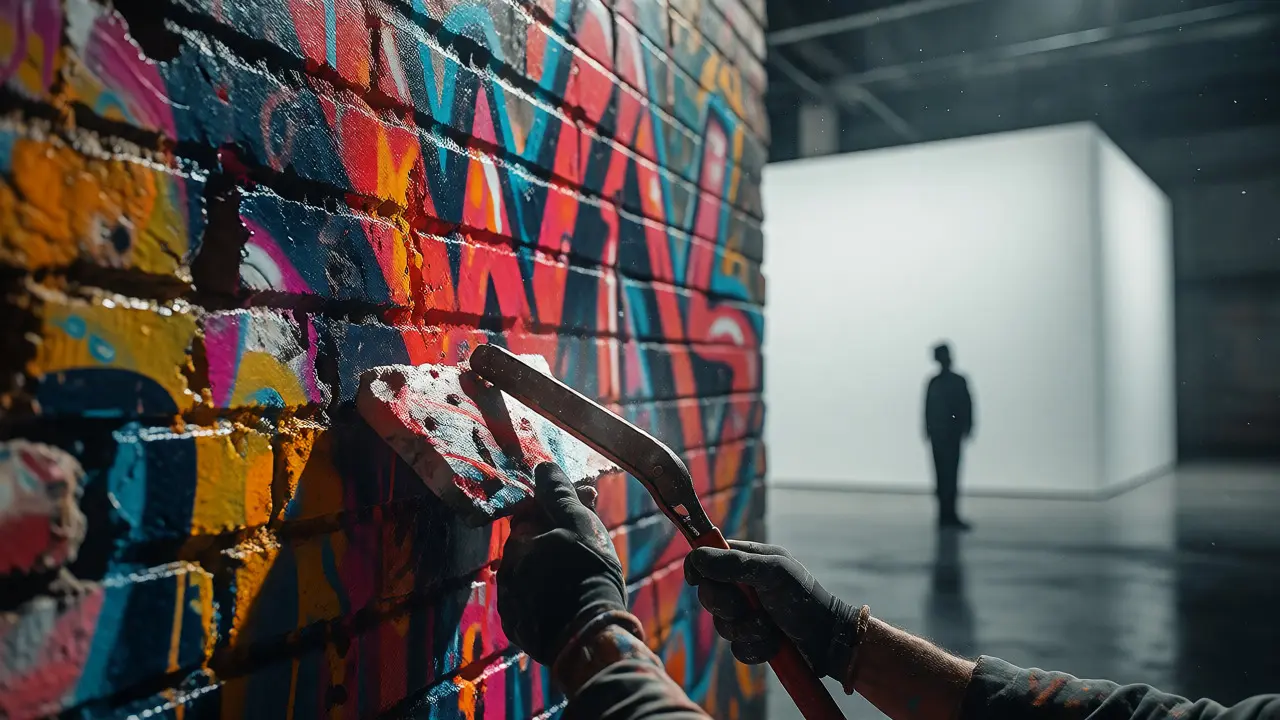
You’re standing in a pristine white cube gallery. The air conditioning hums. A security guard watches you from the corner. On the wall hangs a piece that looks like it was ripped off a subway wall in Brooklyn or spray-painted on a shuttered shop in Berlin. It’s Street Art, but it’s not on the street anymore. It’s framed, lit, and priced with five-figure tags. This is the paradox of modern art consumption: we love the rebellion of graffiti, but we only buy it when it’s safe.
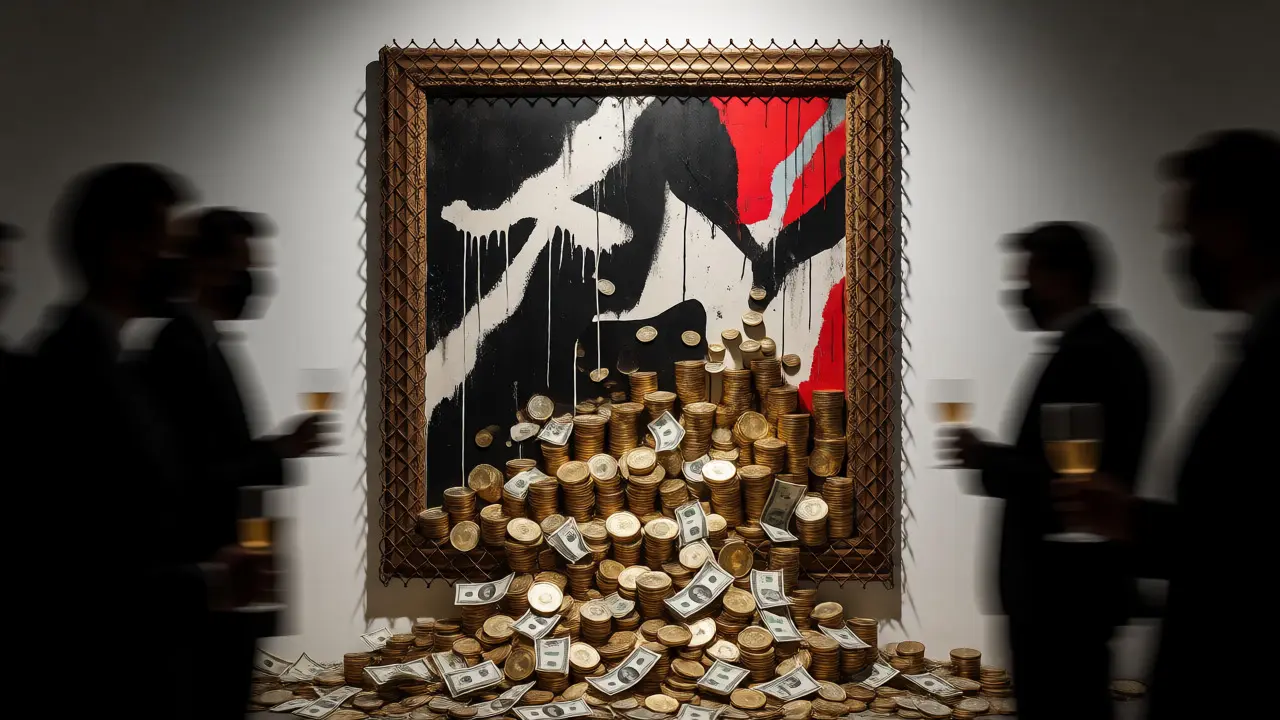
This shift isn’t accidental. It’s a process called institutionalization. It’s what happens when an outsider movement gets invited inside the house. For decades, street art existed in a legal gray zone-illegal, ephemeral, and anti-commercial. Today, it’s a multi-billion dollar industry fueled by auction houses and blue-chip galleries. But at what cost? When you put a Banksy on a velvet rope, does it lose its soul? Or does it finally get the respect it deserves?
The Journey from Illegal to Iconic
To understand where street art is today, you have to look at where it started. In the 1970s and 80s, figures like Jean-Michel Basquiat and Keith Haring bridged the gap between the underground and the mainstream. They didn’t just paint walls; they painted canvases that ended up in museums. But for every Basquiat who made it, thousands of writers were still dodging police. The core ethos was simple: art belongs to everyone, and the city is your canvas. You don’t ask permission. You don’t wait for a curator.
Fast forward to the 2000s. The internet changed everything. Suddenly, a tag in London could be seen by someone in Tokyo instantly. Artists like Banksy used this visibility to turn anonymity into a brand. When Banksy shredded his own painting at Sotheby’s, it wasn’t just a stunt; it was a commentary on the very system that was trying to co-opt him. Yet, the shredding happened *inside* the auction house. The critique was part of the product. That’s the trap.
The transition accelerated when major collectors started buying works directly from artists’ studios rather than finding them on the street. Galleries realized there was money to be made. If a piece was good enough to stop traffic, it was good enough to hang in a living room. The friction between the illegal act and the legal object began to blur.
How Galleries Tame the Wild
Galleries play a specific role in this ecosystem. They don’t just sell art; they validate it. Think of a gallery as a filter. Street art is chaotic, unregulated, and often anonymous. Galleries are structured, documented, and exclusive. To bring street art into a gallery, curators perform a series of transformations:
- Material Shift: Spray paint on concrete becomes acrylic on canvas or board. The texture changes, the durability increases, and the fragility decreases.
- Provenance Creation: Anonymous artists suddenly need certificates of authenticity. Without a name or a history, a piece has no market value. Galleries create that history.
- Contextual Framing: The social message is often stripped away or reinterpreted through an academic lens. A protest against gentrification becomes a "meditation on urban space."
This process is known as commodification. It turns a cultural expression into a financial asset. Critics argue this kills the spirit of the work. Supporters say it preserves it. After all, if the original mural is painted over by the next developer, at least the canvas version survives in a climate-controlled vault.
The Economic Engine Behind the Walls
Let’s talk numbers, because money drives this bus. The global street art market was valued at approximately $64 billion in 2023, according to various industry reports. That’s not just pocket change. This growth is driven by a new generation of collectors-tech entrepreneurs, young professionals, and crypto investors-who grew up with hip-hop culture and skateboarding. They don’t want abstract expressionism; they want something that speaks to their identity.
Auction houses like Sotheby’s and Christie’s have dedicated departments for street art now. They hold specialized sales, complete with catalog essays and expert appraisals. This legitimizes the genre in the eyes of traditional investors. If Sotheby’s says it’s art, then it’s art. Period.
| Feature | Traditional Gallery Art | Institutionalized Street Art |
|---|---|---|
| Origin | Studio/Campus | Urban Environment |
| Ownership | Clear Chain of Title | Often Ambiguous (Site-Specific) |
| Longevity | Designed to Last Centuries | Ephemeral (unless removed/preserved) |
| Access | By Invitation/Ticket | Publicly Visible (originally) |
| Value Driver | Critical Acclaim/History | Viral Popularity/Scarcity |
The table above highlights why this transition is so tricky. Traditional art relies on stability. Street art relies on risk. When you remove the risk, do you remove the reward? Many collectors think not. They see the stability as a feature, not a bug. They want the cool factor without the hassle of owning a building facade.
The Authenticity Crisis
Here’s the big question: Is it still street art if it’s never been on the street? Purists say no. They argue that once you frame a graffiti piece, it becomes "pop art" or "neo-expressionism," but it loses its status as street art. The medium is the message. The location is part of the meaning.
Consider the case of Shepard Fairey. His "Obey Giant" campaign started as stickers and posters pasted on buildings. Now, he sells limited edition prints and large-scale paintings in high-end galleries. Fans debate whether these studio pieces carry the same weight as the guerrilla installations. Some say yes, because the visual language remains. Others say no, because the element of surprise and illegality is gone.
This crisis of authenticity affects pricing too. Works that retain some connection to their urban origins-like panels cut from actual walls-often fetch higher prices than those painted fresh in a studio. Collectors pay a premium for the "aura" of the street. It’s a tangible link to the moment before the art became a commodity.
Who Benefits from Institutionalization?
It’s easy to bash galleries for sucking the life out of street culture, but let’s look at the benefits. First, artists get paid. Historically, many graffiti writers died poor or unknown. Institutional support provides financial stability, allowing artists to focus on their craft rather than day jobs. Second, preservation. Cities are constantly changing. Murals get demolished, covered, or weathered away. Galleries save these works for future generations.
Third, education. Museums and galleries provide context. They explain the political, social, and historical significance of the work. Without this framing, a viewer might see a pretty picture. With it, they see a protest, a statement, or a community voice. This educational aspect helps bridge the gap between elite art circles and the general public.
However, there’s a downside. The gatekeeping function of galleries can exclude emerging artists who haven’t yet broken through. The market favors established names. New talent might struggle to find representation if they don’t fit the mold of what collectors expect "street art" to look like. The diversity of styles can narrow as trends dictate demand.
The Future of Urban Art Spaces
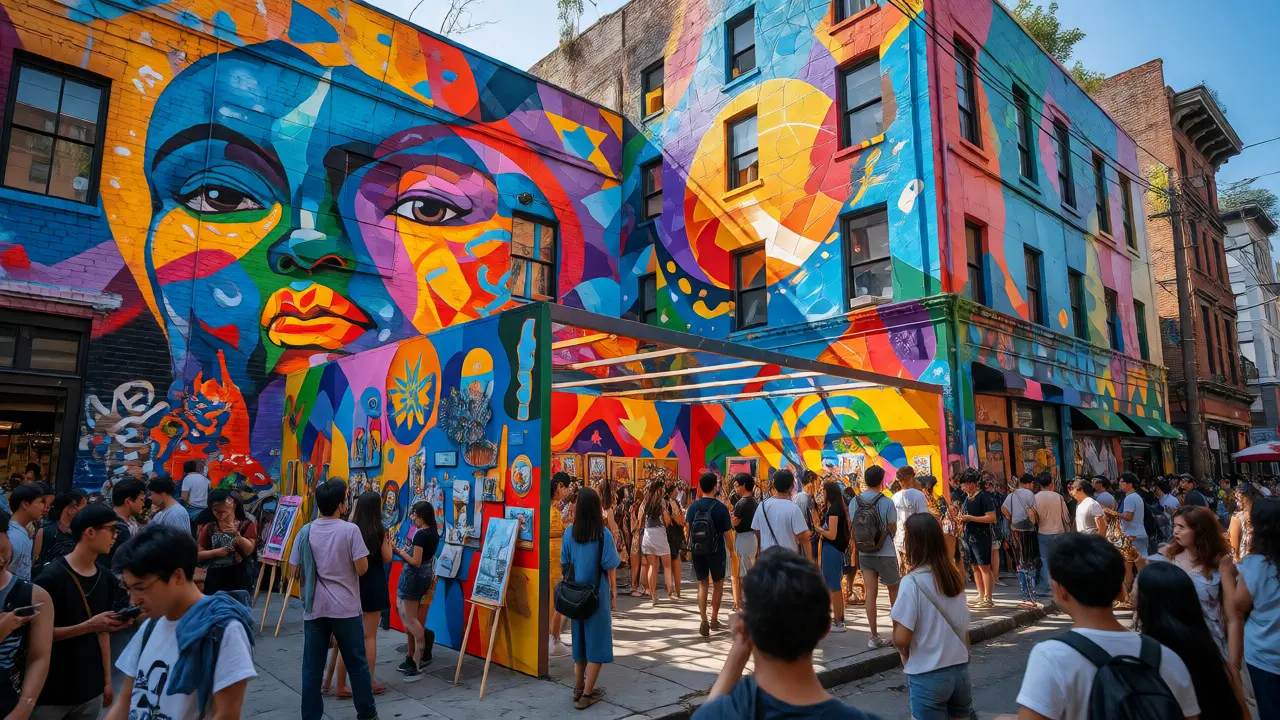
We’re seeing a hybrid model emerge. Cities like Miami, London, and Melbourne have created dedicated zones where street art is legal and celebrated. These areas attract tourists and locals alike. They blur the line between gallery and street. You can walk past a mural and then step into a nearby pop-up show featuring the same artist.
Digital platforms are also playing a role. NFTs (Non-Fungible Tokens) allowed street artists to sell digital versions of their work globally. While the NFT boom has cooled, it proved that there’s a market for digital-native street art. Artists like Invader have experimented with digital formats, reaching audiences who may never visit a physical gallery.
The future likely holds more collaboration between municipalities, private developers, and artists. Public-private partnerships fund murals that double as real estate marketing tools. Developers use art to increase property values. Artists get exposure and payment. Residents get beautification. Everyone wins, except maybe the purist who misses the days of free-for-all tagging.
Key Takeaways
- Street art has evolved from illegal vandalism to a recognized art form with significant market value.
- Galleries act as validators, transforming ephemeral works into durable, tradable assets through material and contextual shifts.
- Authenticity is debated, with tensions between the raw energy of street origins and the polished presentation of gallery spaces.
- Economic incentives drive adoption, benefiting artists financially while raising questions about commercial dilution.
- Hybrid models are emerging, combining public spaces, digital platforms, and traditional galleries to sustain urban art culture.
Why do galleries display street art?
Galleries display street art because it appeals to younger collectors and offers high aesthetic value. It allows them to tap into a vibrant cultural movement while providing a controlled environment for sale and preservation. The institutional backing validates the art form for traditional buyers.
Is street art still considered rebellious if sold in galleries?
This is subjective. Some argue that selling the art neutralizes its rebellious nature by making it a luxury item. Others believe the message remains intact regardless of the venue. The intent of the artist and the context of the work matter more than the location of the sale.
What determines the value of a street art piece?
Value is determined by the artist's reputation, rarity, provenance, and condition. For street art, the connection to a specific location or event can add value. Auction results and gallery representations heavily influence market prices.
Can anyone collect street art?
Yes, street art is accessible to various budgets. While top-tier works cost millions, emerging artists offer affordable prints and smaller pieces. Online platforms and local galleries make it easier for new collectors to enter the market without deep pockets.
Does institutionalization kill the spontaneity of street art?
Not necessarily. Spontaneity exists in the creation process, even if the final product is curated. Many artists maintain their street practice alongside gallery exhibitions. The two worlds can coexist, offering different experiences for creators and viewers.