Staff Scheduling for Galleries: Balancing Coverage and Labor Costs
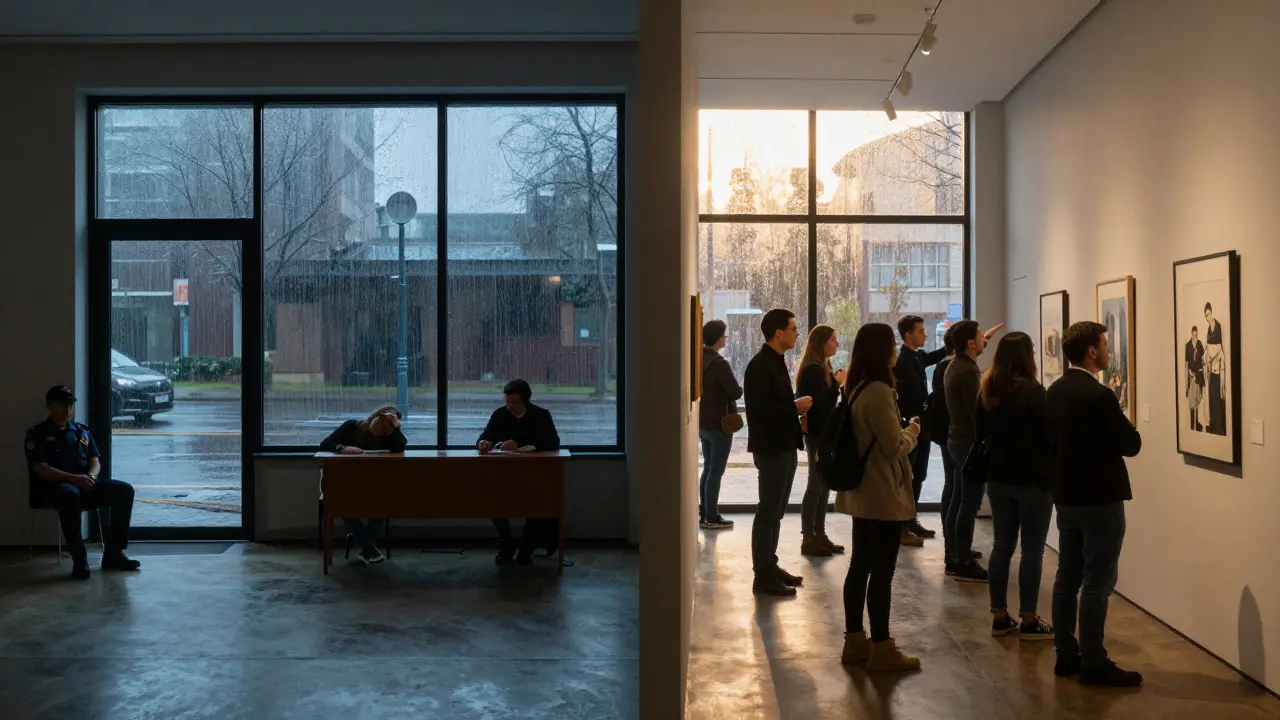
Walking into a gallery on a rainy Tuesday afternoon in Portland, you might notice the floor is empty except for one guard and a docent who looks ready to nap. But hit that same space on a Saturday morning during an opening night, and you need four times the staff just to keep the doors moving. This mismatch between visitor traffic and staffing levels is where most galleries bleed money or lose visitors.
Effective staff scheduling is the strategic alignment of employee shifts with predicted footfall to maximize visitor experience while minimizing overtime and idle time. It’s not just about who shows up; it’s about matching human resources to the rhythm of your audience. If you’re getting this wrong, you’re either paying for ghosts or turning away art lovers because no one is there to help them find the bathroom or explain the exhibit.
The Core Problem: The Traffic Spike Illusion
Most gallery managers rely on intuition or simple averages to build schedules. They look at last month’s total attendance and divide it by the number of open hours. This creates a flat schedule that fails to account for the dramatic spikes in visitor traffic is the fluctuating number of people entering a venue over specific time intervals, heavily influenced by day of week, weather, and local events.
In a typical mid-sized city gallery, traffic isn’t linear. It clusters around three main peaks:
- Saturday Mornings (10 AM - 1 PM): Often 40-60% of weekly volume occurs here. Families are out, locals are shopping, and tour groups arrive.
- Friday Evenings (5 PM - 8 PM): The "art crowd" arrives. This requires higher-quality engagement staff rather than just security.
- Special Events: Opening nights or artist talks can triple normal capacity instantly.
If you staff evenly across all these times, you’re overstaffed on Tuesday afternoons and understaffed on Saturdays. The result? Overtime chaos on weekends and wasted payroll on weekdays.
Mapping Your Audience: Data Over Guesswork
To fix the schedule, you need data. You don’t need expensive software yet; you need accurate counts. Implement a simple tally system or use existing ticketing data if you have it. Track entry times in 30-minute increments for at least six weeks. This gives you a baseline traffic pattern is a recurring statistical model of visitor arrival rates based on historical data collection.
Look for these specific correlations in your data:
- Weather Dependency: In places like Portland, rain drops indoor cultural attendance by roughly 15-20%. Adjust your baseline downward for forecasted rain days.
- Local Event Impact: Check the city calendar. A major concert nearby on Friday night will drain your evening crowd but boost Saturday morning traffic as people recover.
- Exhibit Lifecycle: New exhibits draw crowds for the first two weeks, then settle into a steady, lower flow. Don’t keep peak staffing levels for a show that has been up for a month.
Once you have this map, you can see exactly when you need bodies on the floor. This is the foundation for reducing labor costs is the total financial expenditure associated with hiring, retaining, and compensating employees, including wages, benefits, and overhead.
Designing Shifts That Actually Work
Traditional 9-to-5 shifts are rarely effective for galleries. If you open at 10 AM, a 9 AM start means your staff spends their first hour doing nothing but unlocking doors and checking lights. Instead, consider staggered shifts aligned with your traffic peaks.
Here is a practical framework for a standard gallery operating Tuesday through Sunday:
| Day Type | Traditional Schedule | Optimized Schedule | Cost Impact |
|---|---|---|---|
| Tuesday - Thursday | 2 Staff (9 AM - 5 PM) | 1 Staff (10 AM - 6 PM) + 1 Part-time (1 PM - 5 PM) | ~15% Reduction |
| Friday Evening | 2 Staff (12 PM - 8 PM) | 1 Docent (4 PM - 8 PM) + 1 Security (12 PM - 8 PM) | Role Specialization |
| Saturday | 3 Staff (9 AM - 5 PM) | Peak Team (10 AM - 2 PM) + Off-Peak Team (2 PM - 6 PM) | Better Coverage |
Notice the shift from full-time generalists to role-specific part-timers. On low-traffic days, you don’t need two full-time employees doing administrative work. You need one person who can handle sales, security, and basic questions. Save the specialized docents for when the crowd actually needs education and guidance.

Managing the Human Element
Scheduling isn’t just math; it’s people. If you rotate shifts too wildly, burnout sets in fast. Gallery staff often have other jobs or school commitments. Flexibility is your currency.
Use a flexible roster is a scheduling system that allows employees to swap shifts or choose preferred time slots within defined operational constraints. Allow staff to pick their preferred blocks. For example, a student might prefer weekend mornings, while a parent prefers weekday afternoons. When staff feel ownership over their schedule, turnover drops. High turnover is a hidden killer for operational efficiency is the ratio of useful output to total input in a business process, directly impacted by staff consistency and training quality because every new hire requires training, which takes away from floor coverage.
Also, be clear about break times. If you have only one person on shift, who watches the door during lunch? This is a common pitfall. Ensure your minimum staffing level accounts for meal breaks. If you drop to one person, they must have a covered break or a very short shift.
Technology as a Force Multiplier
You don’t need enterprise-grade AI to improve your schedule, but paper spreadsheets will eventually fail you. Look for lightweight scheduling tools that integrate with your POS or ticketing system. These tools can automate the generation of draft schedules based on historical data.
Key features to look for in scheduling software is digital platforms designed to optimize workforce allocation, track attendance, and manage shift swaps with minimal manual input:
- Drag-and-drop interfaces: Makes it easy to adjust for sudden absences.
- Time-off tracking: Prevents double-booking vacations.
- Cost forecasting: Shows you the projected payroll before you publish the schedule.
Even a $50/month tool pays for itself if it saves one instance of unnecessary overtime per month. The goal is to make the schedule visible and adjustable in real-time, not a static PDF posted on the office wall.

Calculating Your True Labor Cost
Labor isn’t just hourly wage. To truly understand your costs, you need to calculate the fully loaded labor cost. This includes wages, taxes, benefits, and the cost of training.
A simple rule of thumb: multiply your hourly wage by 1.25 to get your true cost per hour. So, if you pay $15/hour, your actual cost is $18.75/hour. Now, compare this to your revenue per visitor. If the average ticket price is $10 and you spend $18.75 on staff to serve one visitor, you’re losing money on that transaction unless the visit drives secondary sales like gift shop purchases or memberships.
This calculation helps you determine the break-even staffing level. If your margins are thin, you might need to reduce staff on slow days further or increase prices on peak days to justify the higher staffing levels.
Common Pitfalls to Avoid
Even with good data, mistakes happen. Here are the traps that trip up most gallery operators:
- The "Always Open" Trap: Staying open late on quiet nights just to be available. If no one comes, close early. Use the saved hours for staff rest or maintenance.
- Igoring Seasonality: Summer tourism changes everything. If you’re in a tourist-heavy area, your summer schedule should be completely different from your winter schedule. Don’t use January data to plan August.
- One-Size-Fits-All Roles: Not all staff do the same job. A security guard doesn’t need to know the biography of every artist. Match skill levels to time slots. Put your best educators on the high-traffic, high-engagement hours.
Next Steps for Implementation
Start small. Pick one month and commit to tracking your traffic in 30-minute blocks. Compare it against your current schedule. Identify the top three times you are overstaffed and the top three times you are understaffed. Adjust next month’s schedule to correct those imbalances. Measure the impact on both staff morale and visitor feedback. Small tweaks lead to significant savings over time.
Remember, the goal isn’t to cut staff to the bone. It’s to put the right people in the right place at the right time. When visitors feel well-served and your payroll reflects reality, everyone wins.
How many staff members does a small gallery need?
There is no fixed number, but a general rule is one staff member per 50-100 visitors during peak hours. For a small gallery with 50 average daily visitors, you might need 1-2 people on site during open hours, depending on how long they stay. Always factor in breaks and administrative duties.
Should gallery staff work weekends?
Yes, usually. Weekends typically drive 60-70% of total weekly attendance. However, try to balance this with weekday shifts to avoid burnout. Consider offering premium pay or extra days off for weekend work to keep morale high.
What is the best way to track visitor numbers without cameras?
Use a physical counter at the entrance or have staff mark a tally sheet every 30 minutes. Digital ticketing systems are ideal if you charge admission. If free entry, a simple clicker or notebook works fine. Consistency is more important than precision.
How do I handle last-minute staff absences?
Maintain a list of reliable part-time staff who can be called in on short notice. Cross-train at least two people for each critical role so that if a docent is sick, a security guard can step in for basic duties. Having a backup plan prevents the need for expensive emergency overtime.
Does weather really affect gallery attendance?
Yes, significantly. In many cities, heavy rain or extreme heat reduces pedestrian traffic by 15-30%. Check local weather forecasts when planning weekly schedules. You can safely reduce staffing on days with poor weather predictions to save costs.