Sponsorship Decks for Gallery Programs: Build the Pitch That Wins
Most galleries don’t fail because they lack great art. They fail because they can’t explain why someone should pay for it.
Why sponsorship decks matter more than ever
In 2026, galleries aren’t just selling paintings-they’re selling experiences. A solo show by an emerging artist might draw 300 people over three weeks. But if you want to pay the rent, hire a curator, or fund a catalog, you need cash from outside the gallery walls. That’s where a sponsorship deck comes in. It’s not a brochure. It’s not a grant application. It’s a persuasive story told with data, visuals, and clear asks.
Think about it: a corporate sponsor doesn’t care about your artist’s MFA thesis. They care about how many eyes their logo will see, who those people are, and what it says about their brand. A strong sponsorship deck answers those questions before they’re even asked.
What’s in a winning sponsorship deck?
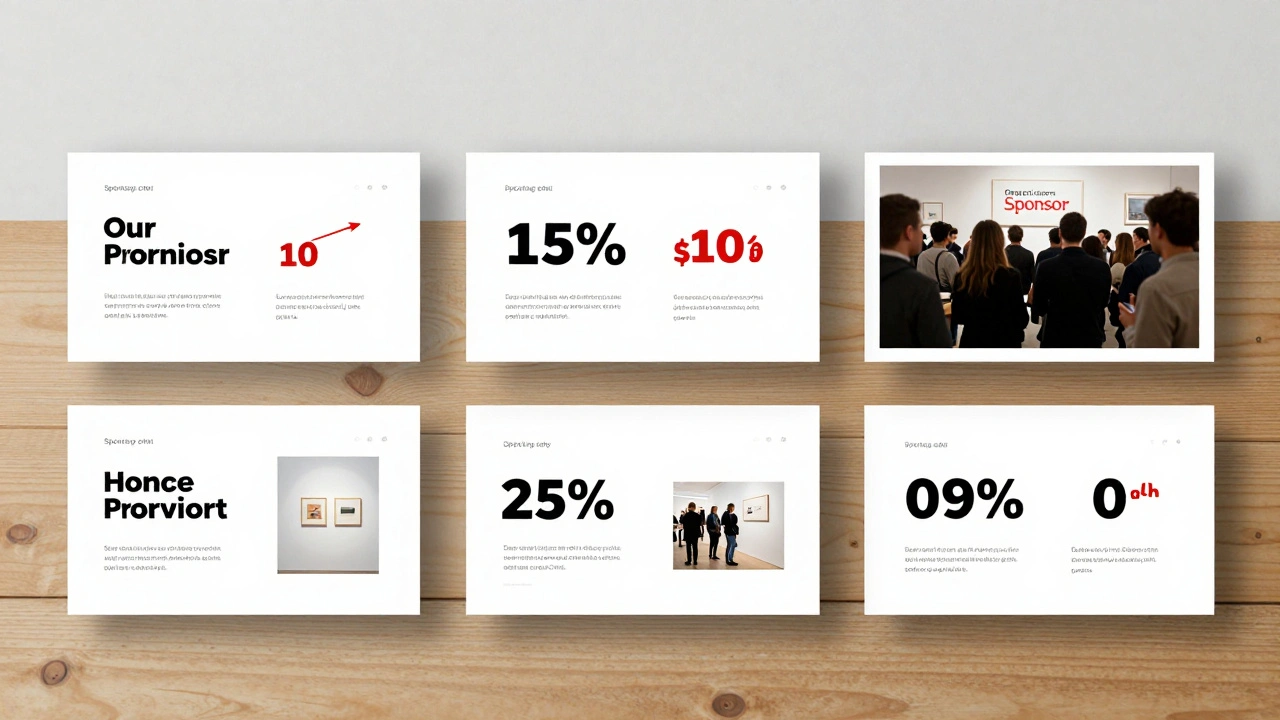
A winning sponsorship deck has six core parts. Skip any one, and you risk losing the deal.
- Who you are - Not your history. Not your founding story. Just the facts: location, annual foot traffic, recent exhibitions, press mentions, and audience demographics. If you’ve hosted 12,000 visitors last year and 68% were between 28 and 45, say it. Numbers build trust.
- What you’re doing - Name the program. Is it a new media installation? A community workshop series? A traveling exhibition? Be specific. Don’t say "supporting contemporary art." Say "a six-month residency for three underrepresented artists, ending in a public opening with live performance and educational panels."
- Why now - Why is this moment critical? Is there a cultural shift? A policy change? A gap in the local arts scene? Mention that the city just cut public arts funding by 40%. Or that local tech firms are looking to connect with creative audiences. Context turns a request into a necessity.
- What you’re asking for - Don’t bury the lead. State the dollar amount upfront. Then break it down: $15,000 for artist stipends, $5,000 for marketing, $3,000 for event production. Show you’ve done the math. Sponsors hate guessing.
- What they get - This is where most decks fail. Don’t say "brand exposure." Say: "Your logo will appear on all printed materials (estimated 8,000 copies), in digital ads reaching 120,000 local users, on the exhibition signage, and during the opening night livestream with an expected 15,000 views. You’ll also get three VIP tickets to the private preview and a featured interview on our newsletter, which has 9,200 subscribers."
- What happens next - Tell them exactly how to say yes. Include a deadline. A contact. A calendar link. No "let’s talk" vagueness. "Sign by March 15 to lock in placement in our spring catalog."
Design matters-but not how you think
You don’t need a fancy website or a $10,000 designer. What you need is clarity. Use your gallery’s existing brand colors. Stick to one clean font. Put images of past exhibitions on every other slide. Let the art speak. But don’t let the design distract from the numbers.
One gallery in Portland used plain white text on black backgrounds. No gradients. No icons. Just bold headlines and hard stats. They got three sponsors in 11 days. Why? Because the sponsor saw a clear return, not a pretty slideshow.

Who you’re really pitching to
It’s not the marketing director. It’s not the CEO. It’s the person who has to justify spending $20,000 on art.
That person is drowning in requests. They’ve got 17 nonprofits asking for sponsorships. They need to explain to their boss why this one makes sense. Your deck must make their job easier.
Include a one-page summary at the end. Bullet points. No jargon. Just:
- What: The program
- Who: The audience
- How much: The ask
- What they get: Clear, measurable benefits
- Deadline: When to decide
This page goes in their email. It gets printed. It lands on a desk. It’s what they use to say yes.
Real examples that worked
At the Crossroads Gallery in Chicago, they pitched a program called "Art in Transit"-a series of temporary installations in subway stations. Their deck didn’t mention "cultural enrichment." It said:
- "72,000 daily riders pass through these stations."
- "89% of riders said they noticed the art."
- "73% said it made them feel more connected to the city."
- "Your logo on the digital display screens during peak hours (7-9 AM, 5-7 PM) reaches 18,000 commuters per day."
- "We’ll include you in a press release to 30 local media outlets."
They raised $42,000 in two weeks. The sponsor? A local transit authority that wanted to improve public perception of their service.
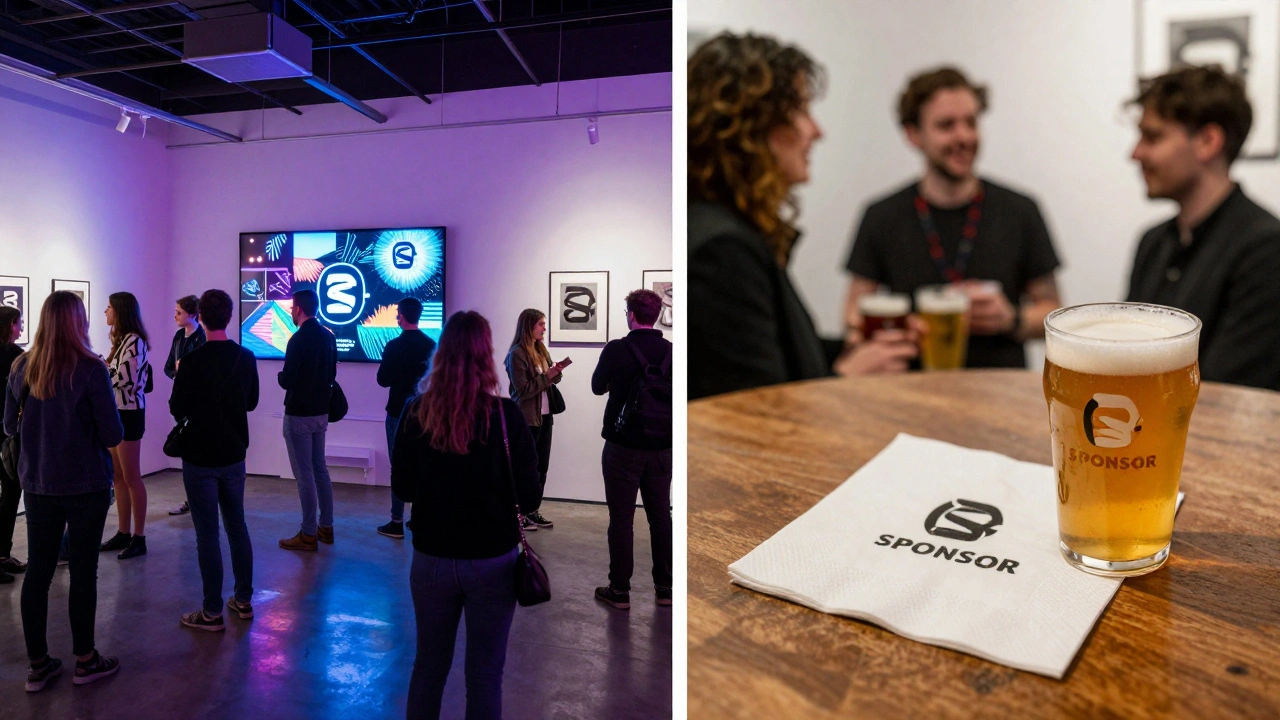
Another gallery in Austin partnered with a craft brewery. Their deck showed:
- "Our visitors spend an average of 42 minutes in the space."
- "71% of them are under 35."
- "We’ll host a tasting event with your beer, branded napkins, and a QR code that links to your website."
The brewery didn’t care about art. They cared about reaching young professionals who don’t drink at bars anymore. The gallery gave them a new channel.
What to avoid
Don’t say "we’re a nonprofit." That’s not a reason to sponsor. Say what you do with the money.
Don’t use vague terms like "impact" or "community." Define them. How many people? What changed? Did attendance go up? Did a student get a job because of your program? Use real outcomes.
Don’t send a PDF with 20 slides. Send a 6-slide deck. Then follow up with a 1-pager. People don’t read long decks. They skim. Make it easy.
Build it once. Use it again.
Don’t treat each sponsorship as a fresh start. Create a master deck. Update it every quarter. Add new stats. Swap out old images. Keep your donor list. When someone says "I remember your last show," you’re already ahead.
After three successful pitches, one gallery in Seattle started tracking sponsor retention. They found that 65% of sponsors who gave once came back the next year. Why? Because they got clear value. They saw their logo on a billboard. They met the artists. They got a thank-you video from the community. They felt like part of something real.
Final thought
Sponsorship isn’t charity. It’s a partnership. Your gallery brings audiences, credibility, and cultural relevance. The sponsor brings resources. The deck is the bridge between them. If your deck feels like a plea, it won’t work. If it feels like a smart business move, you’ll get the check.
What’s the difference between a sponsorship deck and a grant proposal?
A grant proposal asks for money as a gift, often based on need, mission, or social impact. A sponsorship deck sells value. It shows a return on investment-audience reach, brand alignment, media exposure. Sponsors expect something tangible. Grantors care about alignment with values. You pitch differently to each.
How long should a sponsorship deck be?
Six slides max. The first slide is your ask. The last slide is your contact and deadline. Anything beyond that is noise. Save the extra details-like artist bios or past press-for a one-pager you send after the meeting.
Should I include financials from past shows?
Yes-if they’re strong. If your last exhibition had 4,200 visitors and sold $87,000 in art, say that. It proves you draw crowds. If attendance was low, don’t hide it. Say: "We’re shifting strategy to focus on digital engagement. Our new program targets 100,000 online impressions, with 30% conversion to website traffic."
What if I don’t have data?
Start collecting it. Use free tools: Google Analytics for your website, Instagram Insights, event check-in counts, post-show surveys. Even rough numbers are better than none. "We estimate 5,000 visitors annually" is better than "many people come." And if you’re brand new? Pitch a pilot. "We’re launching with one exhibition. We’ll track attendance, social reach, and sponsor feedback. Here’s how we’ll measure success."
Who should I pitch first?
Start with businesses that already align with your audience. If your gallery attracts young creatives, pitch design firms, indie bookstores, or coffee shops. If you show historical art, target law firms, universities, or heritage foundations. Don’t cold-call Fortune 500s. Find the ones who’ve already shown interest-by attending your events, following you on social, or donating small amounts in the past.