Speculative Bubbles in Art: How to Avoid the Hype
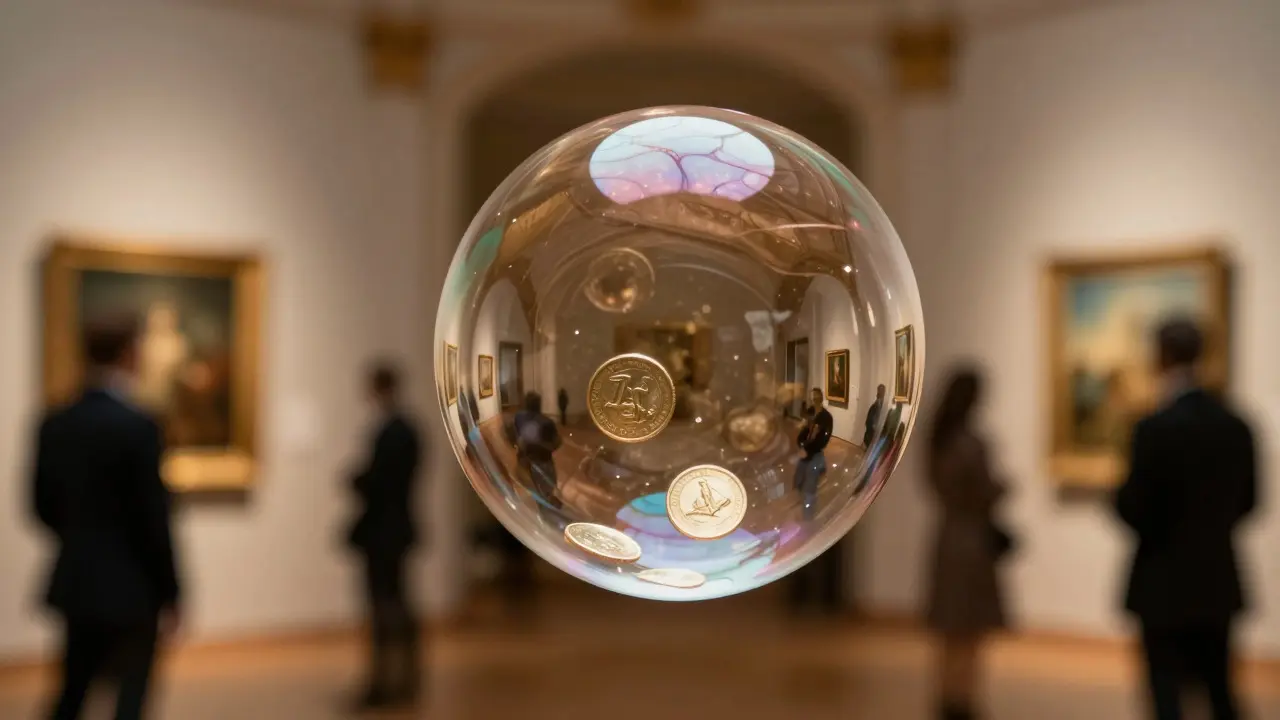
Remember when a JPEG of a monkey was worth more than a house in Portland? In 2021, the Art Market is a global system where original artworks are bought and sold, driven by aesthetics, history, and financial speculation hit a fever pitch. Prices for digital assets skyrocketed, and traditional galleries saw record-breaking sales. Then, just as quickly, the air popped out of the balloon. If you’ve been watching the headlines, you know that buying art isn’t just about hanging something pretty on your wall anymore; it’s often a high-stakes financial bet. The problem? Most people jump in because they see others making money, not because they understand the underlying value. This is how speculative bubbles form, and this is how you end up holding a bag that’s worth less than the frame.
What Actually Drives an Art Bubble?
To avoid getting burned, you first need to spot the smoke before the fire starts. A bubble happens when the price of an asset decouples from its intrinsic value. In the art world, "intrinsic value" is tricky. It’s not like a stock with earnings reports or a bond with interest payments. Instead, value is derived from scarcity, provenance, and cultural relevance. When these factors get ignored in favor of pure momentum, trouble brews.
Consider the rise and fall of NFTs is Non-Fungible Tokens, unique digital assets verified by blockchain technology, which became a major speculative vehicle in the early 2020s. At their peak, collections like Bored Ape Yacht Club commanded millions of dollars per token. Why? Because everyone believed the next buyer would pay more. It was a classic greater fool theory. Once the flow of new money slowed, prices crashed by over 90% in some segments. The art itself didn’t change; the narrative did.
Similar dynamics played out in the physical art market during the late 1980s and again in the mid-2000s. Wealthy collectors, flush with capital from tech booms or real estate gains, bid each other up on contemporary works. They weren’t buying for the museum; they were buying for the resale. When interest rates rose or economic confidence wavered, those same buyers pulled back, leaving retail investors holding the bag.
The Psychology of Herding
Why do smart people make dumb financial moves in the art world? It’s rarely about ignorance. It’s about social proof. Humans are wired to follow the crowd. When you see a gallery opening packed with influencers, or a news story about a $50 million sale, your brain signals safety. You think, "If they’re buying, it must be good." But in speculative markets, the crowd is usually wrong at the top.
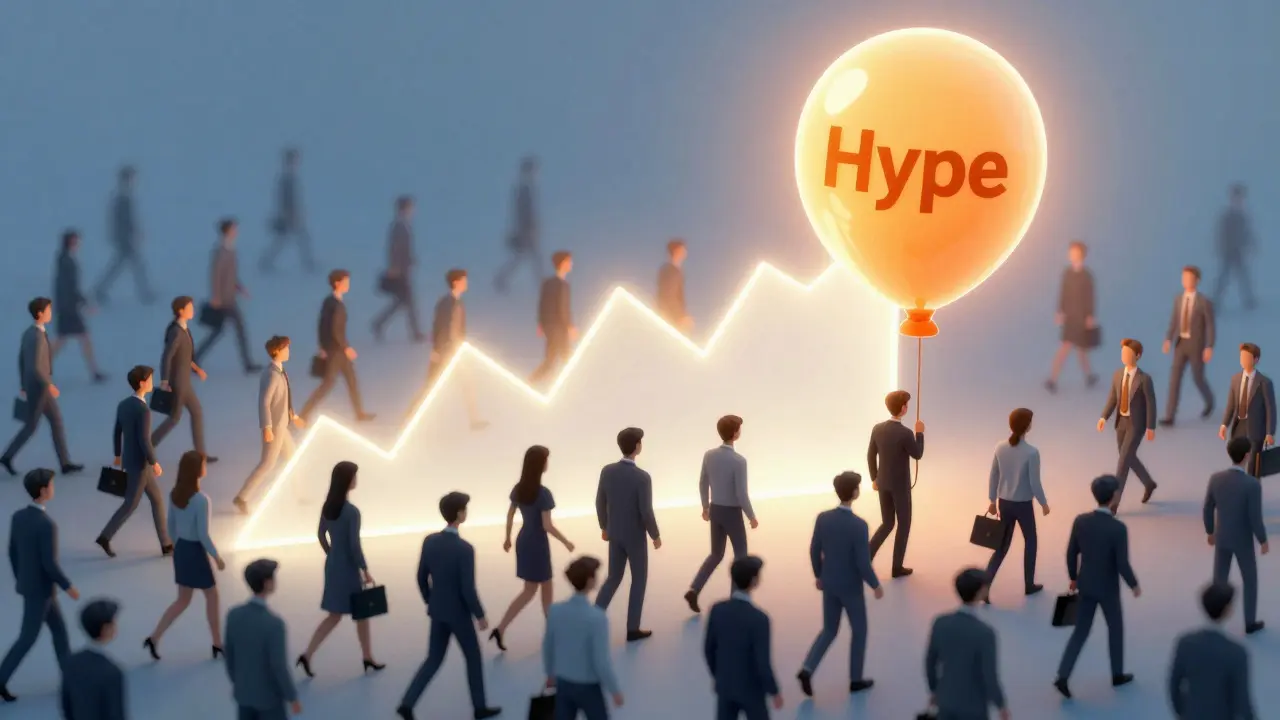
This phenomenon is known as herding behavior. It creates a feedback loop: rising prices attract more buyers, which drives prices higher, which attracts even more buyers. The danger lies in the exit. Who sells first? Usually, it’s the person who got in last, the one who missed the initial hype wave. To protect yourself, you have to detach your ego from the purchase. Ask yourself: Would I buy this piece if no one else knew I owned it? If the answer is no, you’re likely buying the hype, not the art.
Red Flags That Signal a Bubble
You don’t need a PhD in economics to spot warning signs. There are specific behavioral and market indicators that suggest an art segment is overheated. Keep an eye out for these patterns:
- Entry Barriers Drop: When complex or niche art forms become accessible to the general public through simplified platforms or low entry points, it often signals the bottom of the curve is approaching. For example, when NFTs could be minted by anyone with a credit card, the supply exploded, diluting value.
- Media Saturation: If mainstream news outlets are covering every minor auction result, the market is likely saturated with casual participants. Serious collectors tend to stay quiet; tourists talk loudly.
- Leverage Increases: When buyers start using significant debt to acquire art, the market becomes fragile. Any dip in value can trigger margin calls or forced sales, leading to a cascade of price drops.
- New Narratives Emerge: Look for buzzwords. Terms like "digital ownership revolution" or "next-gen collectibles" often mask basic speculation. If the explanation requires jargon to sound impressive, dig deeper into the fundamentals.
How to Invest Without Getting Burned
Does this mean you should stay away from art entirely? Not necessarily. Art can be a great diversifier in a portfolio, but only if you approach it with discipline. The key is to separate the aesthetic pleasure from the financial expectation. Here is a practical framework for navigating the market:
- Buy What You Love First: Your primary motivation should be enjoyment. If you love the work, you’ll hold onto it during downturns. If you’re only in it for the ROI, you’ll panic sell when prices drop 10%.
- Focus on Blue Chip Artists: Established artists with decades of track records, museum representation, and consistent secondary market sales are safer bets. Their value is backed by historical precedent, not just current trends.
- Diversify Across Mediums: Don’t put all your eggs in one basket. Mix traditional oil paintings with photography, sculpture, or digital works. Different mediums react differently to economic cycles.
- Understand Provenance: Always verify the history of the piece. A clear chain of ownership adds value and reduces risk. Works with gaps in their history are harder to resell and may carry hidden liabilities.
- Set a Long-Term Horizon: Art is illiquid. It takes time to sell, and transaction costs (auction fees, dealer margins) are high. Assume you won’t touch the money for at least five years.
| Feature | Speculative Approach | Fundamental Approach |
|---|---|---|
| Primary Motivation | Short-term profit | Aesthetic enjoyment + long-term appreciation |
| Risk Tolerance | High (willing to lose principal) | Moderate (preserving capital) |
| Time Horizon | Months to 1-2 years | 5+ years |
| Research Focus | Trends, social media sentiment | Artist career, provenance, critical acclaim |
| Liquidity Expectation | Quick exits | Patient waiting for right buyer |
The Role of Auction Houses and Dealers
You can’t ignore the gatekeepers of the art market. Major auction houses like Christie’s and Sotheby’s play a dual role. They provide transparency through published hammer prices, but they also drive excitement through marketing campaigns. Their condition reports and estimates are valuable, but remember: they want to sell. A high estimate doesn’t guarantee a high sale price. Similarly, private dealers offer curated selection and personal relationships, which can be invaluable for building a collection. However, dealer margins can be steep, often ranging from 30% to 50% on primary sales. Always negotiate, and never feel pressured to buy on the spot. A good dealer will give you time to think.
Navigating the Digital Shift
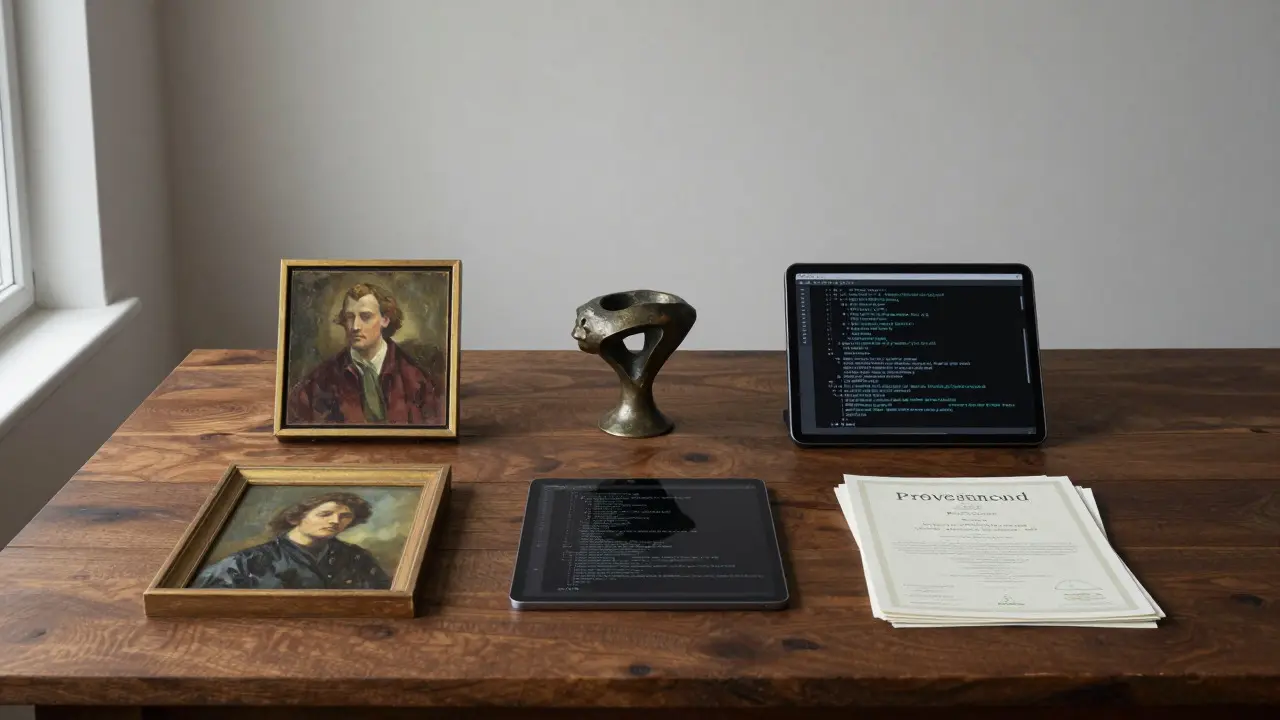
The art world hasn’t stopped evolving. While the NFT frenzy has cooled, digital art remains a legitimate category. Platforms now allow for fractional ownership of physical artworks, letting you buy a slice of a Picasso instead of the whole thing. This democratizes access but introduces new complexities. Smart contracts govern ownership, and platform fees apply to every trade. Before diving into digital fractions, ensure the platform is reputable and the legal structure is sound. The technology is interesting, but the underlying asset still needs to be strong. Don’t let the shiny interface distract you from the core question: Is this artwork valuable in ten years?
Common Mistakes to Avoid
Even experienced collectors make errors. Here are the most common pitfalls that turn passion into loss:
- Chasing Trends: Buying a style just because it’s popular today. Styles fade; masterpieces endure.
- Ignoring Transaction Costs: Auction fees, insurance, shipping, and storage add up. A 10% gain might actually be a 2% net gain after costs.
- Overleveraging: Taking loans against art to buy more art. If the market dips, you’re stuck paying interest on depreciating assets.
- Neglecting Storage: Art needs proper climate control. Poor storage can destroy value faster than a market downturn.
Building a Resilient Collection
Think of your art collection as a long-term asset class, similar to real estate or equities, but with higher volatility and lower liquidity. The goal isn’t to beat the S&P 500 every year; it’s to build a portfolio that holds its value while providing personal joy. Start small. Buy pieces that fit your budget and taste. Reinvest proceeds from sales into stronger works. Over time, your collection will become more cohesive and valuable. And when the next bubble bursts-and it will-you’ll be sitting on solid assets, not empty hype.
Is art a good investment in 2026?
Yes, but only if you treat it as a long-term hold. The market has stabilized post-2024 corrections, and established artists continue to appreciate. Avoid trendy micro-niches and focus on works with strong provenance and critical backing.
How much should I spend on my first art purchase?
Start with what you can afford to lose entirely. Many experts recommend spending 1-2% of your annual income on art initially. This allows you to learn the ropes without risking financial stability.
What is the safest type of art to buy?
Blue chip works by deceased or highly established living artists with museum presence. These pieces have deep secondary markets and consistent demand, making them less volatile than emerging artist works.
Do NFTs still have value?
Some do, particularly utility-based tokens and blue chip digital art. However, the speculative froth has left. Treat NFTs as a high-risk, high-reward niche rather than a core investment pillar.
How do I verify the authenticity of an artwork?
Request a certificate of authenticity (COA) from the artist or estate. Check provenance records, consult independent appraisers, and use authentication services for high-value purchases. Never rely solely on the seller’s word.